
LOS ANGELES CUSTOM HOME BUILDER & GENERAL CONTRACTOR
BUILT WITH INTENTION. ACROSS EVERY NEIGHBORHOOD.
Most Contractors Treat Los Angeles as a Volume Play
Take the project. Pull the permit. Move to the next one.
That is not how we work here.
Los Angeles is not one construction market. It is many each with its own terrain, regulatory environment, and structural realities that determine whether a project moves or stalls. The contractors who don't know the difference between a hillside lot in Hollywood Hills and a coastal parcel in Malibu are the ones who discover mid-project that their submission is incomplete, their timeline is wrong, and their client is the one paying for it.
We have built custom homes, completed major remodels, and guided fire rebuilds across Los Angeles long enough to know what each neighborhood actually requires before the first sheet is filed.
That preparation is what separates our projects from theirs.
What Contractors Get Wrong in Los Angeles
The most common mistake is treating Los Angeles as a standard LADBS project. It isn't.
Properties near Westwood Village sit within a Specific Plan boundary that requires Director of Planning approval before any permit is issued. Most contractors discover this for the first time mid-submission — after the review clock has already started and the correction letter has already arrived.
Hillside properties in Hollywood Hills, Brentwood, and Studio City fall under the Baseline Hillside Ordinance. Grading quantities, buildable area, and driveway slope allowances are all constrained — and a design that advances without confirming what the slope allows gets redesigned at the homeowner's expense when the geotechnical report comes back with different conclusions than the survey suggested.
Coastal properties in Malibu and Pacific Palisades may trigger California Coastal Commission review. Missing that threshold doesn't just add time — it can require a full redesign of what was already permitted through LADBS.
Fire-affected properties across Pacific Palisades, Altadena, and Pasadena must comply with current building codes — not the standards that governed the original structure. WUI fire-resistance assemblies, updated structural engineering, Title 24 energy compliance, and fire sprinkler systems are all required. Contractors who don't know that are the ones calling their clients with bad news three months in.
We identify all of it before the first sheet is filed.

Currently Guiding Los Angeles Homeowners Through Fire Rebuilds
The January 2025 fires reshaped construction across Los Angeles in ways that will last a decade. In Pacific Palisades alone, more than 1,200 rebuilding plans have been approved across 600+ addresses. The Eaton Fire added hundreds more in Altadena. Pasadena and surrounding communities are still working through the approval process.
Most contractors are treating this as volume. We are treating it as a responsibility.
A rebuild is not a restoration. It is new construction subject to current building codes. That means WUI fire-resistance assemblies, updated structural engineering, current Title 24 energy compliance, fire sprinkler systems, licensed geotechnical reporting, and full utility coordination for DWP, gas, and sewer reconnection.
Properties within the Coastal Zone that increase square footage or alter height profiles may require a Coastal Development Permit — typically adding 3–6 months minimum. Foundation inspections in active rebuild zones are scheduling 5–7 business days out. Incomplete submissions still stall regardless of emergency orders.
What most homeowners don't know going in: Most insurance payouts fall short of actual rebuild costs in today's Los Angeles construction environment. Understanding that gap before committing to a scope protects your budget. A complete documentation package before submission is what keeps the project moving. And the permitting environment is active — sequencing matters more than most homeowners realize.
We prepare full documentation packages before the first sheet is filed. We guide homeowners from feasibility review through Certificate of Occupancy — anticipating delays before they occur.
If you lost your home in the fires, start here.
Why Homeowners Across Los Angeles Choose Heart Construction
Three things separate us from every other general contractor operating in this market.
We Find the Problems Before They Find You
On a recent Little Holmby renovation, opening the walls revealed a foundation condition that hadn't appeared in the original inspection. Because we had a structural engineer engaged before demo began, we had a solution in place within days rather than weeks. The project stayed on schedule. A less prepared team would have stopped the job and started a difficult conversation about money.
On a Comstock Hills kitchen remodel, what started as a layout refresh uncovered a load-bearing condition the original drawings hadn't reflected. We had a structural engineer on-site within 48 hours, resolved the beam solution without changing the client's layout intent, and kept the project on schedule. That kind of response requires having the engineering relationship in place before demo begins — not after.
1
We Tell You the Real Number Before You Commit to a Design
Most homeowners in Los Angeles have been through at least one contractor conversation where the budget changed significantly after drawings were done. We run feasibility before any design commitment — confirming what the lot will support, where the structural and regulatory risks are, and what a realistic budget looks like before your architect finalizes anything.
One Westwood Hills client built a ground-up custom home and finished within three percent of the original number. That result starts in feasibility — not in construction.
That clarity usually starts with choosing the right path for the property — not just designing the project.
→ See how the remodel vs rebuild decision actually plays out
2
We Know the Regulatory Environment Your Project Actually Sits In
Two other contractors never mentioned the Specific Plan to one of our Westwood Village clients. She was planning a significant addition and had no idea her property fell within the boundary. We identified it in the first feasibility meeting, filed the required approvals simultaneously with LADBS, and kept the project on schedule despite the additional approval track.
That is the difference between a contractor who knows Los Angeles and one who is learning it on your project.
3
Where We Build Across Los Angeles
Every neighborhood below has its own dedicated page because each one requires a genuinely different approach.
Coastal
Pacific Palisades — Coastal Commission, WUI requirements, active fire rebuild coordination
Malibu — Coastal Commission, bluff-adjacent parcels, SMMC coordination
Santa Monica — Independent municipality, own building department, coastal and zoning standards separate from City of LA
Venice — Venice Coastal Zone Specific Plan, canal-front construction, Mello Act compliance
Marina del Rey — Coastal proximity, premium lot configurations, independent permit authority
Hillside
Hollywood Hills — BHO compliance, engineered foundations, view-oriented construction on constrained lots
Bel Air — Estate-scale hillside, deep grading envelopes, extended timelines
Estate & Established
Brentwood — Estate remodels, custom builds, hillside and flat lot work
Beverly Hills — Estate-scale construction, municipal review standards, elevated architectural scope
Calabasas — HOA-governed communities, estate construction, gated neighborhood permitting
Hidden Hills — Private equestrian estates, expansive lots, tightly controlled community guidelines
Hancock Park— Historic character homes, preservation-sensitive remodels, legacy architectural frameworks
Pasadena — Architecturally significant properties, historic preservation oversight, material and design continuity
Central & West LA
Westwood — Specific Plan jurisdiction, Westwood Hills slope, prewar structural conditions
West Hollywood — Independent city, own permitting authority, compact lots and design review
Culver City — Independent municipality, active renovation market, mid-century stock
Mar Vista — Mid-century renovation, infill development, neighborhood character
Valley
Studio City — Hillside and valley parcels, structural renovation, older residential stock
Encino — Estate-style parcels, gated enclaves, privacy and scale
Sherman Oaks— Post-war and modern rebuilds, additions and expansions, evolving lifestyle expectations
Tarzana — Spacious lots, ADUs, additions, and ground-up rebuilds
Woodland Hills — Expansive Valley properties, hillside-adjacent lots, ambitious residential builds
Rebuilding Communities
Pacific Palisades— Post-fire rebuild, WUI compliance, Coastal coordination
Altadena — Eaton Fire rebuild, current code compliance, permit coordination
Pasadena — Fire-affected properties, structural assessment, full rebuild
Building somewhere not on this list? Contact us. We likely build there.
Services We Deliver Across Los Angeles
From full home remodeling to kitchen and bathroom renovations, construction projects in Los Angeles require coordination between design, structure, and permitting from the very beginning.
Custom Homes
Ground-up construction from feasibility through Certificate of Occupancy. We confirm what the lot allows before architectural drawings begin — not after a submission is already filed.
Every custom home is shaped by site conditions, zoning, and long-term livability, which is why early feasibility determines how smoothly the project moves forward.
Learn about our custom home process →
Full Home Remodeling
Whole-home remodeling in Los Angeles requires understanding what’s behind the walls before demolition begins. Older homes across the city regularly reveal structural, electrical, and plumbing conditions that must be resolved before design can move forward.
Many projects that begin as kitchen or bathroom remodels ultimately evolve into full home renovations once layout, structure, and system upgrades are properly evaluated.
Explore our remodel approach →
Kitchen Remodeling
Kitchen remodeling in Los Angeles often involves more than finishes — it requires structural planning, permitting coordination, and integration with the rest of the home. Opening compartmentalized layouts in older properties frequently requires engineered solutions before cabinetry is finalized.
The most successful kitchens are designed as part of a larger system, not as isolated upgrades.
See our kitchen work →
Bathroom Remodeling
Bathroom remodeling in Los Angeles starts with understanding what’s behind the tile. Plumbing conditions, structural framing, and layout limitations often determine the real scope before finishes are selected.
Addressing these factors early is what keeps bathroom renovations aligned with budget, timeline, and long-term functionality.
See our bathroom work →
ADU Construction
Feasibility before floor plans. What your specific parcel will support depends on slope, setbacks, utilities, and neighborhood conditions — not just state law.
A well-planned ADU functions as a complete home, with layout, access, and long-term use considered from the beginning.
Explore ADU services →
Outdoor Living
Outdoor living projects require structural planning from the start. Terraces, pools, drainage, and retaining systems must be engineered to perform within the site conditions before construction begins.
When done correctly, outdoor spaces feel integrated with the home — not added after the fact.
See our outdoor work →
Post-Fire Rebuild
Rebuilds are new construction under current code — not restorations. That means updated structural engineering, fire-resistance requirements, and full system coordination from the beginning.
Clear documentation and early planning are what keep these projects moving in an active permitting environment.
Learn about our rebuild process →
Working Alongside Architects & Designers
In hillside, coastal, and estate properties, structural feasibility and regulatory alignment have to happen before schematic design is finalized not after.
Design investment made before those answers are known often has to be redone. We have seen projects arrive at plan check with architectural drawings that didn't account for hillside grading constraints, or that missed Specific Plan requirements entirely. The cost isn't just the redesign. It's the months lost while the review clock resets.
We provide early LADBS validation, Coastal Zone assessment, structural coordination, budget calibration, and permit sequencing so that architectural ambition and construction reality are aligned from the first drawing, not reconciled at plan check.
That approach is at the core of how we work. Learn more at our design-build page
How We Operate
Every project begins the same way: understanding what the property actually allows before design commitment.
Structural evaluation. Zoning confirmation. Coastal or hillside assessment where applicable. Specific Plan status where required. Budget alignment before architectural drawings advance.
When we work alongside an architect or designer, that work happens before schematic design is finalized so design moves forward with clarity, not corrections.
We call this Build with Intention.
RECENT PROJECTS
-
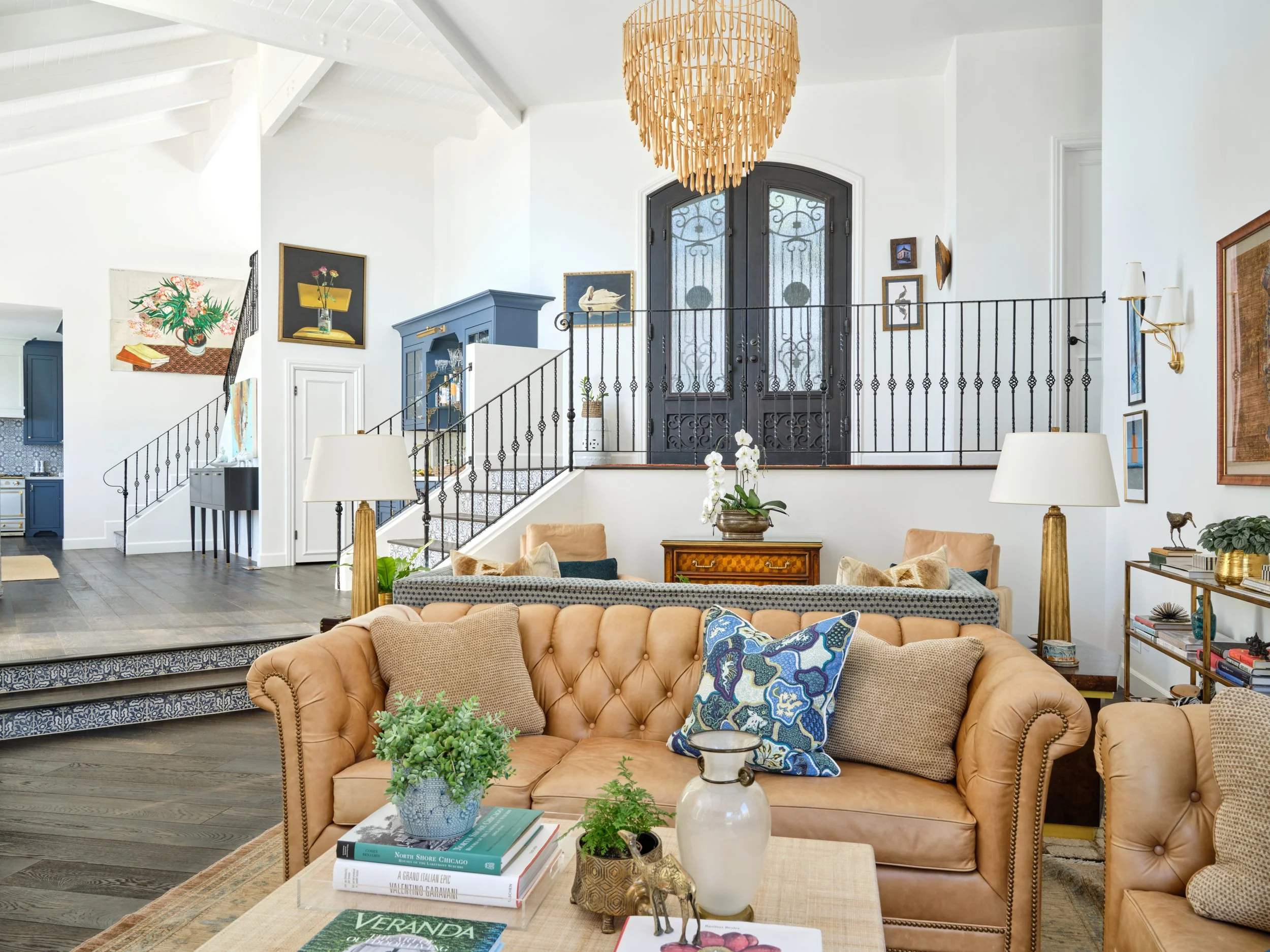
![Bright Malibu living room with vaulted ceilings, leather seating, layered textiles, custom iron railings, and curated artwork, showcasing Heart Construction’s craftsmanship and coastal-inspired transitional design.]()
MALIBU
-
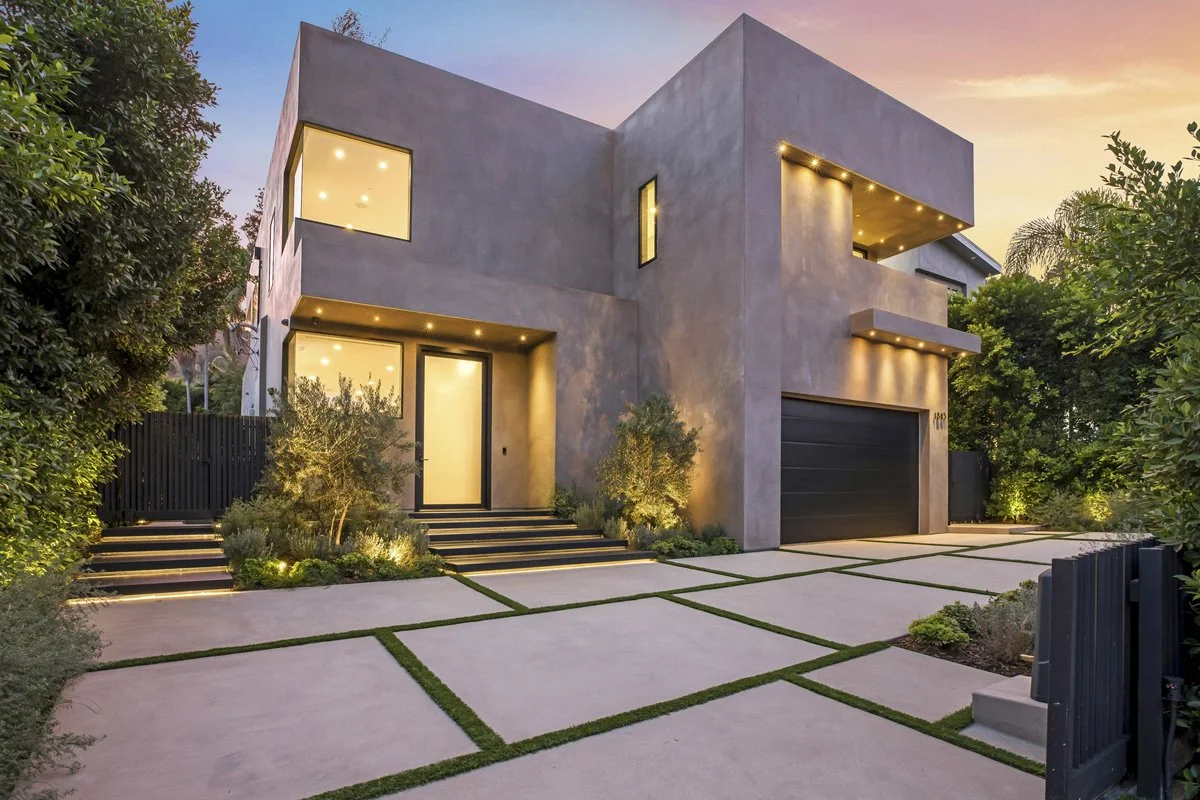
![Modern custom home in Beverly Hills with minimalist architecture built by Heart Construction.]()
BEVERLY HILLS
-
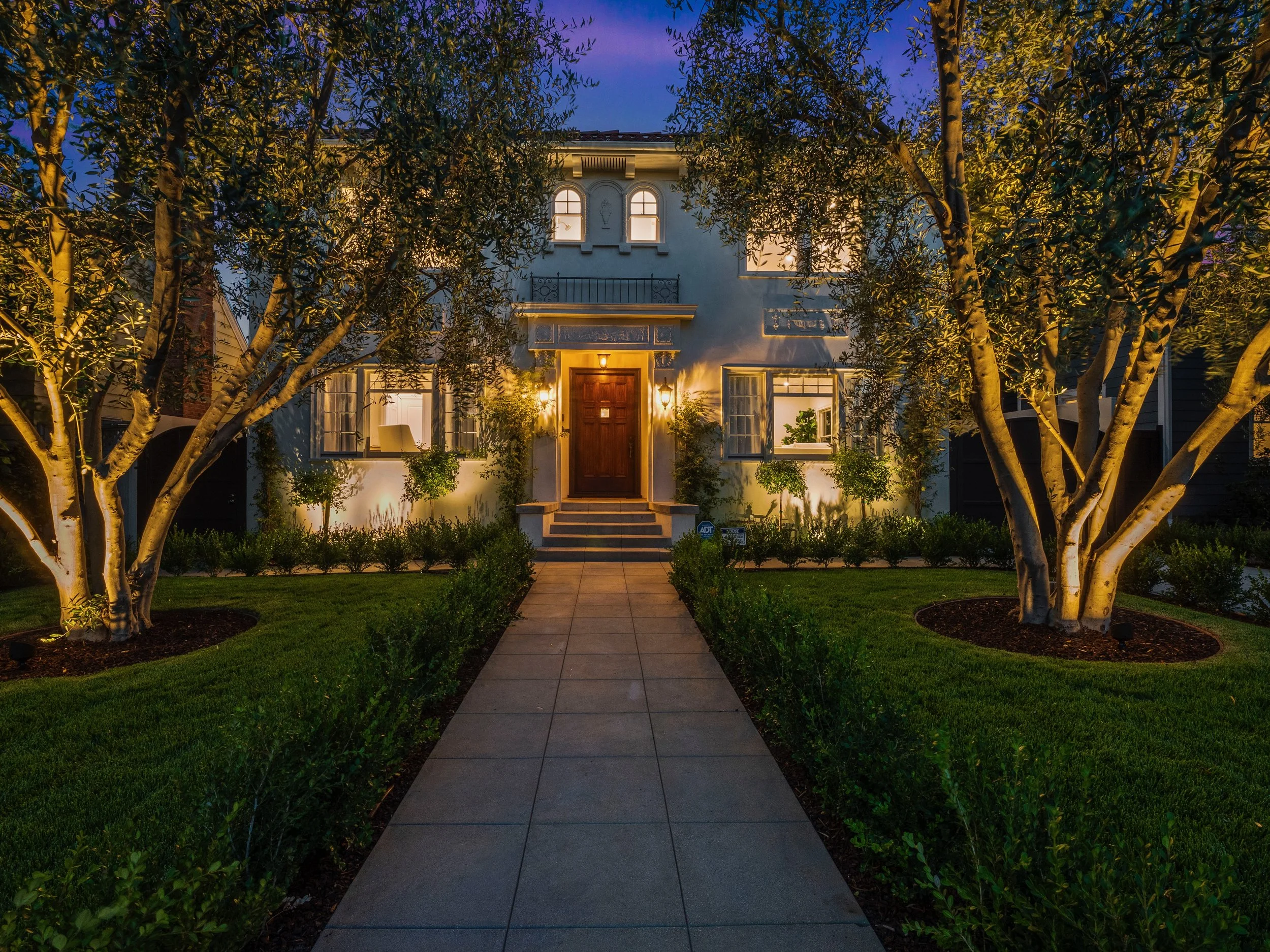
![Historic Hancock Park residence renovation in Los Angeles completed by Heart Construction.]()
HANCOCK PARK
-
![Malibu Pier home interior featuring a warm modern living space with built-in seating, layered textures, custom wood furniture, and an open layout flowing into a minimalist kitchen, showcasing Heart Construction’s intentional coastal design.]()
MALIBU PIER
-
![Modern Venice Los Angeles home with indoor-outdoor living and pool by Heart Construction.]()
VENICE
-
![Open-concept living room in a Hollywood Hills home remodel with folding glass walls, custom built-ins, soft neutral furnishings, and seamless indoor-outdoor flow overlooking canyon views, showcasing Heart Construction’s warm modern design.]()
HOLLYWOOD HILLS


Frequently Asked Questions About Building in Los Angeles
-
Custom homes in Los Angeles typically range from $550 to $950+ per square foot, depending on neighborhood, lot conditions, coastal or hillside involvement, structural complexity, and finish level. Hillside and coastal projects carry additional engineering and regulatory costs that flat infill lots do not.
-
Whole-home remodels generally range from $375 to $700+ per square foot, depending on structural scope, the condition of existing construction, and finish specifications. Older homes frequently reveal conditions behind the walls that affect scope evaluating that before demolition is what protects the budget.
-
Kitchen remodels typically range from $85,000 to $240,000+, depending on layout changes, structural modifications, cabinetry level, appliance integration, and materials.
-
Primary bathroom remodels generally range from $40,000 to $130,000+, depending on plumbing relocation, waterproofing scope, radiant heating, and finish level.
-
Detached ADUs typically range from $280,000 to $550,000+, depending on size, slope conditions, grading requirements, and finish level. Garage conversions generally run $150,000 to $280,000+, depending on structural condition and finish scope.
-
Yes. Rebuilds must comply with current Building Code, Fire Code, WUI requirements, and Title 24 energy standards not the codes that governed the original structure. Most homeowners are surprised by the full scope of what that means in practice updated structural engineering, WUI fire-resistance assemblies, fire sprinklers, geotechnical reporting, and utility coordination all apply.
-
Yes. We manage all LADBS coordination, including multi-departmental submissions, engineering coordination, soils reporting, and where applicable, Coastal Commission, Specific Plan, and hillside regulatory filings.
-
From permit issuance to completion, most custom homes take 12–20 months, depending on size, lot conditions, neighborhood complexity, and inspection sequencing. Pre-construction feasibility, design, and permitting typically adds 4–8 months before construction begins.
-
Major remodels typically take 5–12 months after permits are issued, depending on structural scope and material lead times.
-
Yes. Heart Construction is a licensed California general contractor (#1146456), bonded and insured for large-scale residential construction and major structural renovation.
-
A feasibility review confirms what your lot can legally support, identifies structural conditions that will affect design scope, verifies any Specific Plan, coastal, or hillside regulatory requirements, and establishes a realistic budget range before any architectural drawings begin. It is what keeps design investment from being redone at plan check and what prevents budget conversations mid-demo.
Resources for Los Angeles Homeowners
Rebuilding After the Pacific Palisades Fires: What Homeowners Need to Know First →]
Pacific Palisades Fire Rebuild Permits: LADBS, Coastal & Hillside Rules Explained →]
What Homeowners in Altadena Need to Know About Rebuilding After a Fire →]
What Homeowners in Pasadena Need to Know About Rebuilding After a Fire →]
[How Much Does a Kitchen Remodel Cost in Los Angeles? (2026 Guide) →]
How Much Does a Bathroom Remodel Cost in Los Angeles in 2026?
[10 Questions to Ask Before Hiring a General Contractor in Los Angeles →]
how much does it cost to build a custom home in los angeles?
Before you commit to a design, let's look at what your property actually allows.
Tell us where you're building and what you have in mind. We'll tell you what it actually takes to get it done.