
CULVER CITY CUSTOM HOME BUILDER & GENERAL CONTRACTOR
CITY-SPECIFIC CONSTRUCTION FOR CULVER CITY’S INDEPENDENT STANDARDS
Culver City Is Not Los Angeles And Most Homeowners Discover That Too Late
Most homeowners don’t realize Culver City operates independently from Los Angeles until they are already mid-project facing plan check holds, additional requirements, or delayed permits.
Culver City is its own municipality. It does not use LADBS. It operates under the Culver City Municipal Code (CCMC) and its own Building Safety division.
That distinction reshapes everything.
Energy compliance follows Culver City’s Reach Codes, which exceed California’s baseline Title 24 requirements. Solar photovoltaic systems are codified separately. Significant projects require an approved Comprehensive Construction Management Plan before demolition or grading permits are issued. Neighbor notification within 100 feet is mandatory before building permits are granted. New utilities must often be placed underground.
These are not technicalities. They are structural realities of building here.
We do not approach Culver City as another Los Angeles job. We approach it as an independent city with its own regulatory rhythm, its own housing stock, and its own expectations.
What Building in Culver City Actually Requires
Regulation is only half the equation. The housing stock defines the rest.
Most residential neighborhoods were built between the 1920s and 1960s. Spanish Revival bungalows with clay tile roofs. Craftsman homes with detailed millwork. Post-war single-story houses framed for lighter loads. Mid-century modern hillside properties with low-slope roof systems and exposed beams.
Every era carries hidden structural variables.
Typical Culver City project realities include:
• Independent permitting through Culver City Building Safety
• Energy Reach Code compliance beyond Title 24
• Solar PV requirements under CCMC Section 15.02
• Comprehensive Construction Management Plan approval prior to demolition
• Mandatory neighbor notification within 100 feet
• Underground utility placement for new services
• Hillside grading requirements in Blair Hills
• Aging electrical panels, galvanized plumbing, and undersized HVAC systems
In one recent Culver City project, initial drawings were submitted without the required Construction Management Plan. The permit remained on hold until the CMP was prepared and approved a delay that proper pre-construction would have prevented entirely.
This city rewards preparation.
Understanding Culver City’s Neighborhoods
Culver City is geographically compact, but its neighborhoods operate very differently.
Carlson Park
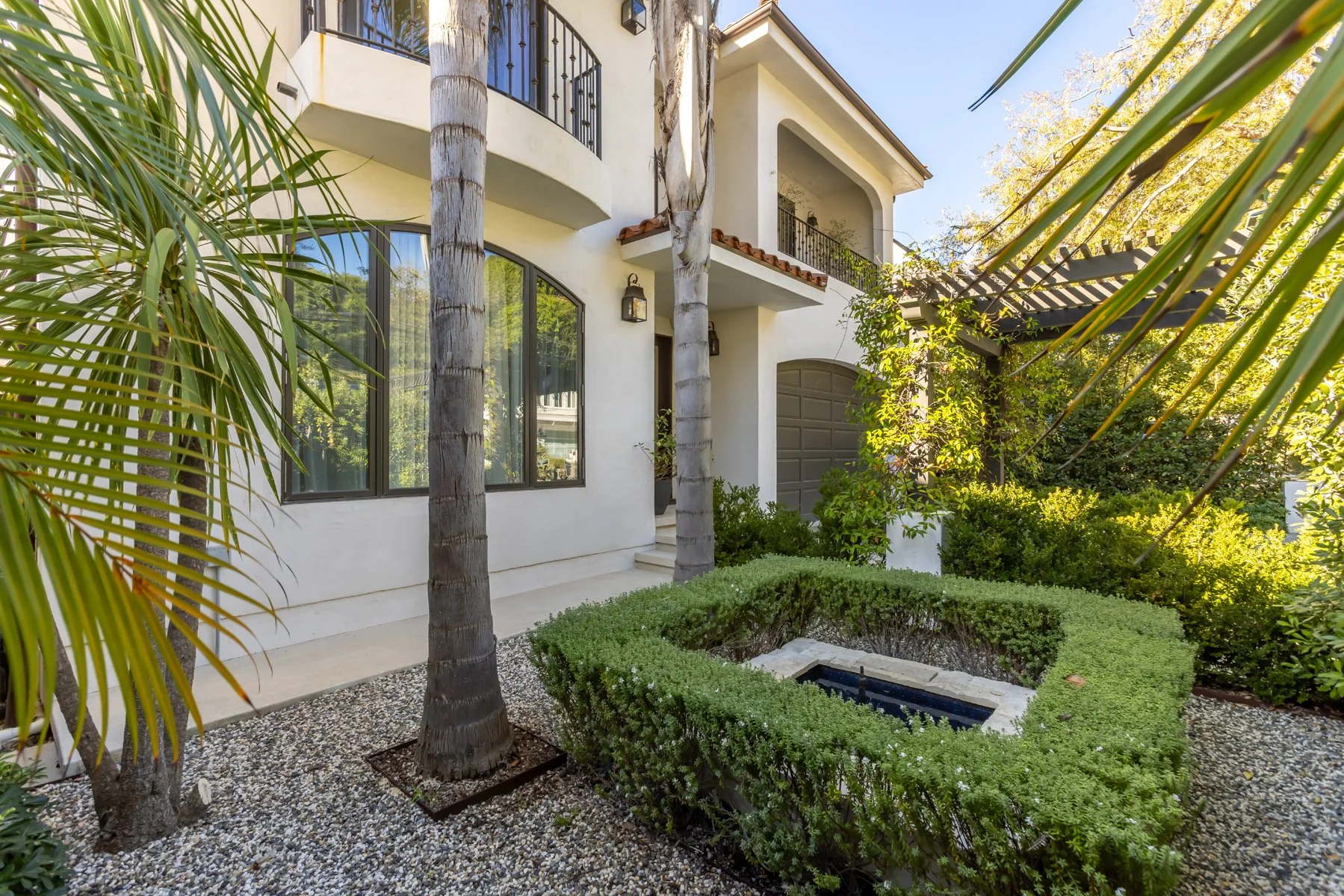
Carlson Park is one of the most established and desirable neighborhoods in Culver City. Tree-lined streets and early-20th-century homes define the area. Spanish Revival properties with clay tile roofs, arched openings, and detached rear garages are common. Remodels here frequently involve full system replacement electrical panels, plumbing lines, HVAC before aesthetic work begins.
Structural reconfiguration is common, particularly when owners want to open compartmentalized layouts into modern floor plans. Finish expectations are elevated, and preserving architectural character is non-negotiable. Projects must balance modernization with respect for original detailing.
Blair Hills
Blair Hills introduces hillside complexity. Larger lots, view corridors, and mid-century modern homes define the area. Grading plans, soils reports, and as-built certifications are required before foundation excavation can begin. Slope conditions influence foundation design and construction sequencing.
Many homes here feature exposed beams, low-slope roofs, and horizontal architectural lines that cannot be modified casually. Structural coordination with engineers and architects must occur before schematic design is finalized. Done properly, Blair Hills projects achieve architectural preservation and structural integrity simultaneously.
Lindberg Park
Lindberg Park attracts families seeking expanded living space within Culver City limits. Post-war homes dominate the housing stock. Second-story additions and rear expansions are common, as are ADUs to accommodate extended family or rental income.
Many properties require complete system replacement during remodel due to aging infrastructure. Projects here often focus on maximizing square footage while maintaining neighborhood scale.
Sunkist Park
Sunkist Park offers larger lots and strong ADU feasibility. Single-story homes frequently become candidates for full rear expansions or vertical additions. Without hillside grading complications, these parcels support meaningful growth while remaining within CCMC setbacks.
Owners here typically invest in kitchen-centered remodels and integrated outdoor living spaces that capitalize on yard depth.
Culver West
Located near the Marina del Rey border, Culver West blends traditional bungalows with contemporary remodels. Coastal-adjacent conditions influence material selection from the start. Marine air exposure affects exterior hardware, fasteners, lighting fixtures, and pool equipment over time.
Indoor–outdoor integration is expected, not optional. Buyers here often include professionals in tech and media sectors, with strong expectations for finish quality and construction organization.
Studio Estates / Studio Village
Studio Estates features larger homes and a move-up buyer demographic. Proximity to Sony Pictures and the media corridor influences both property values and finish expectations. Projects frequently include full kitchen transformations, primary suite expansions, and integrated outdoor environments.
Owner profiles here expect structured process and elevated execution.
Park East / Park West
Park East and Park West combine walkability with established craftsman and mid-century housing stock. Remodel activity focuses on spatial modernization, foundation evaluation, and long-term system upgrades.
These neighborhoods require careful balance between structural modernization and preservation of architectural identity.
Custom Homes in Culver City
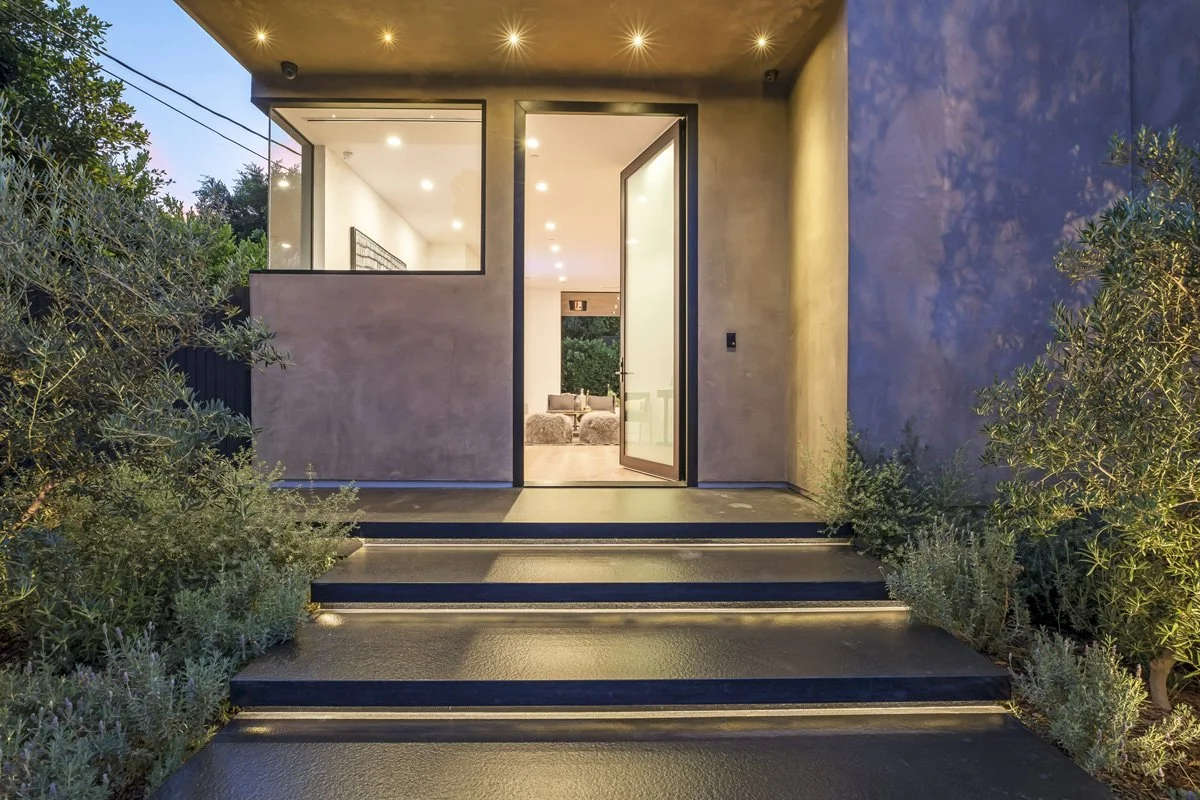
Ground-up construction begins with city-specific feasibility analysis.
Plans are submitted to Culver City Building Safety. Energy compliance must meet Reach Code standards. Solar PV requirements are evaluated during early design. The Comprehensive Construction Management Plan must be approved before demolition or grading permits.
Blair Hills properties require soils reports and grading review before foundation excavation. Underground utility coordination is often required.
Pre-construction determines whether plan check clears efficiently — or stalls.
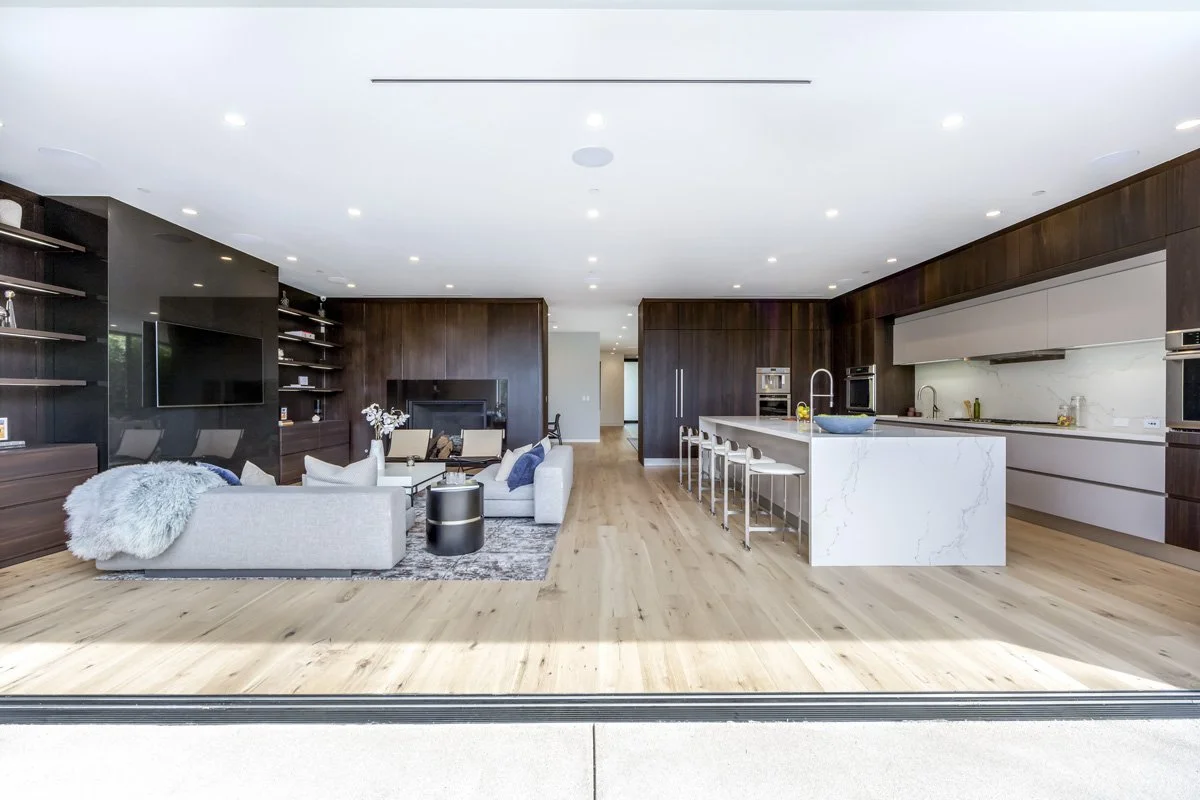
Whole-Home Remodeling in an Aging Housing Stock
Remodeling in Culver City is rarely cosmetic.
It is structural and systemic.
Opening floor plans requires beam engineering and load redistribution. Galvanized plumbing and undersized electrical panels typically require full replacement. HVAC systems are redesigned for modern performance and energy compliance.
Spanish Revival and craftsman homes carry architectural details that define their value. These are assets, not obstacles.
We evaluate what to preserve before we decide what to remove.

Kitchens & Primary Bathrooms
Kitchens in Culver City frequently become structural projects.
Wall removal requires engineering coordination. Cabinet layouts must be recalibrated to align with existing framing conditions and ceiling heights typical of pre-1960 homes. Stone fabrication requires precise field measurements after structural modifications are complete. Ventilation systems must comply with CCMC energy standards.
Primary bathrooms often require plumbing reconfiguration before finishes begin. Frameless glass enclosures, radiant heated flooring, floating vanity systems, steam installations, and modern waterproofing assemblies are common in high-spec renovations.
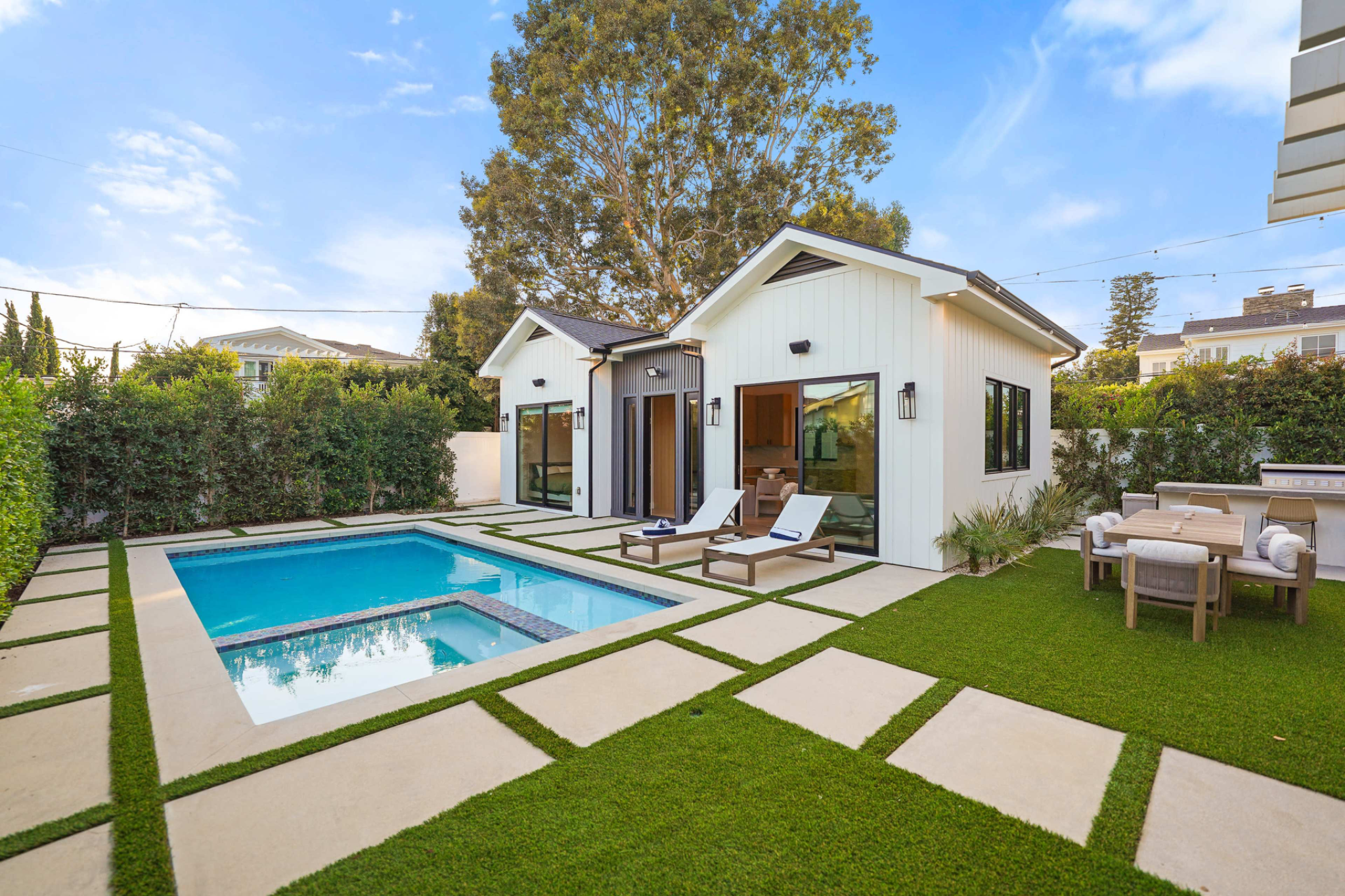
ADUs in Culver City
Culver City remains one of the strongest ADU markets on the Westside.
Carlson Park, Sunkist Park, Lindberg Park, and Culver West frequently support detached ADUs. Blair Hills requires slope and grading feasibility analysis before commitment.
We evaluate:
• CCMC setback and coverage compliance
• Utility routing and underground requirements
• Fire separation constraints
• Construction Management Plan preparation
• Inspection sequencing
ADUs here are long-term property strategy not temporary structures.
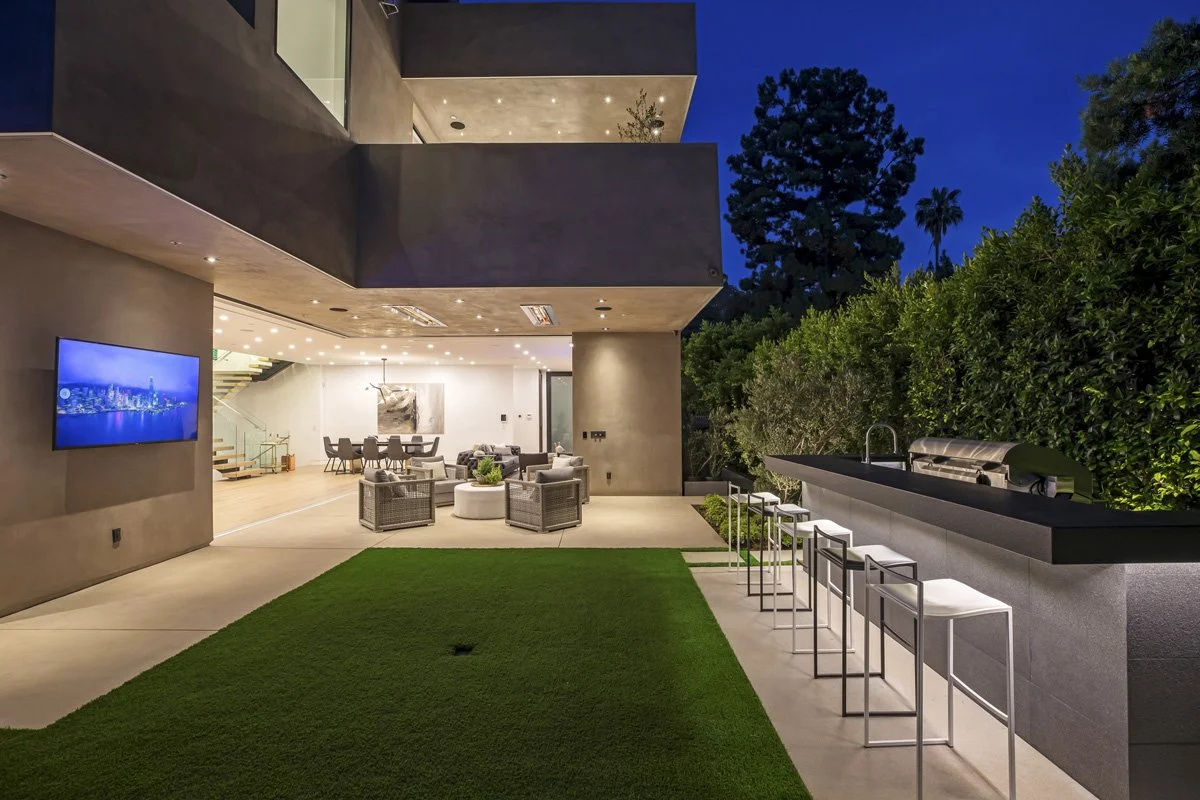
Outdoor Living in a Walkable City
Culver City’s climate supports year-round outdoor living.
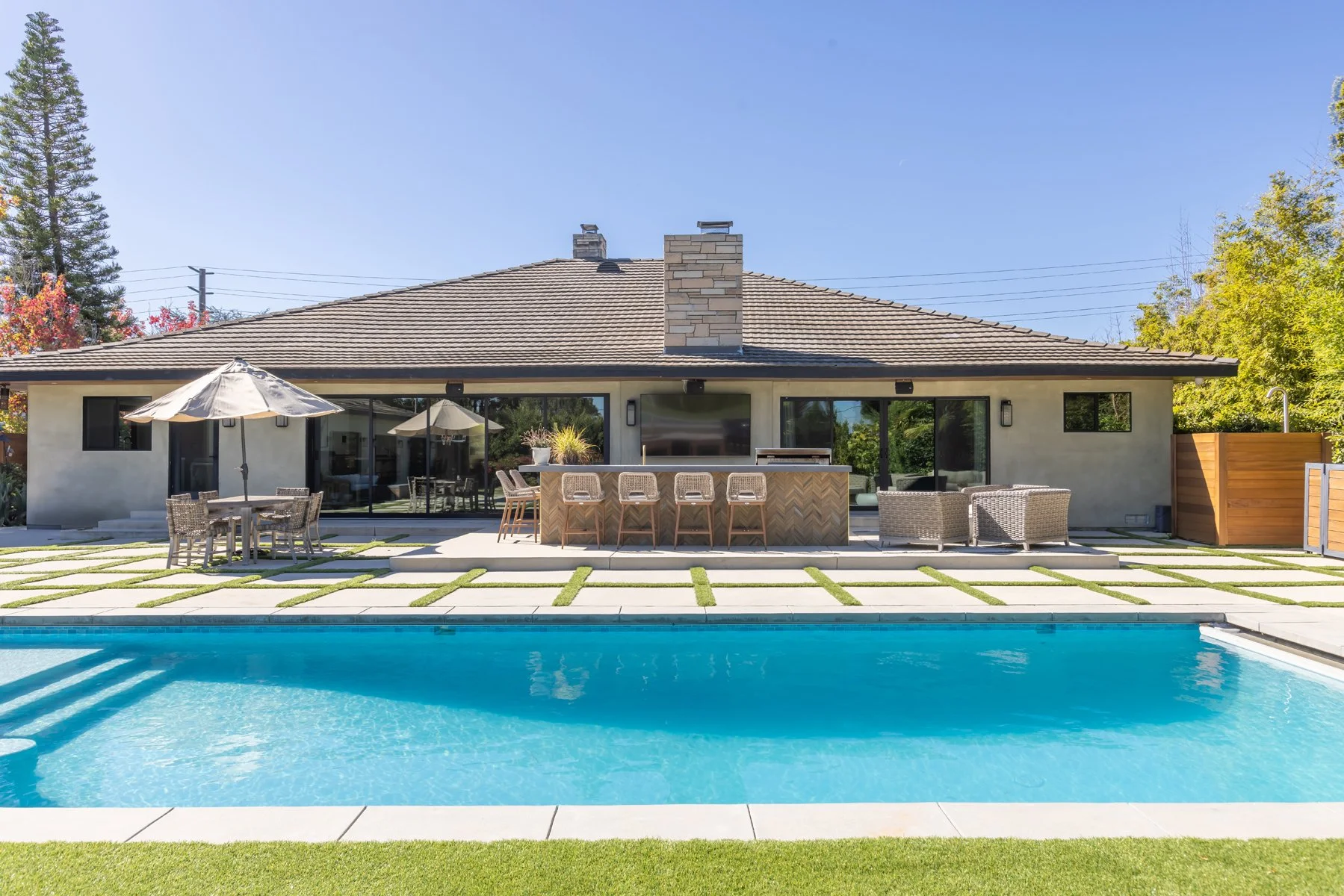
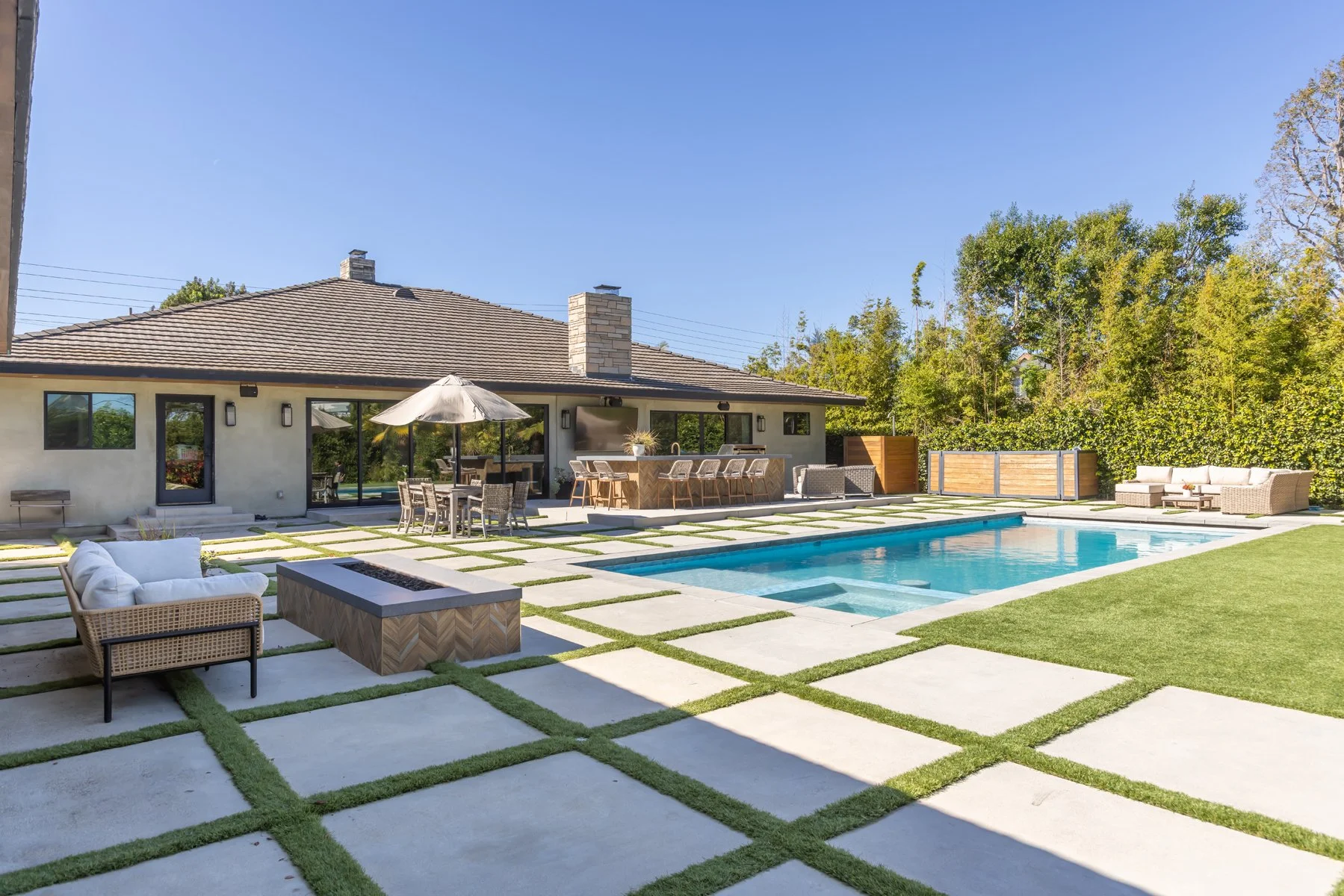
Pool environments, covered patios, pergolas, and outdoor kitchens are frequently integrated into full remodel scope. Structural deck extensions and coordinated lighting plans elevate backyard environments into primary living space.
In Culver West and coastal-adjacent properties, marine air proximity requires corrosion-resistant hardware, exterior fasteners, and durable finish selections specified from the beginning not as afterthoughts.
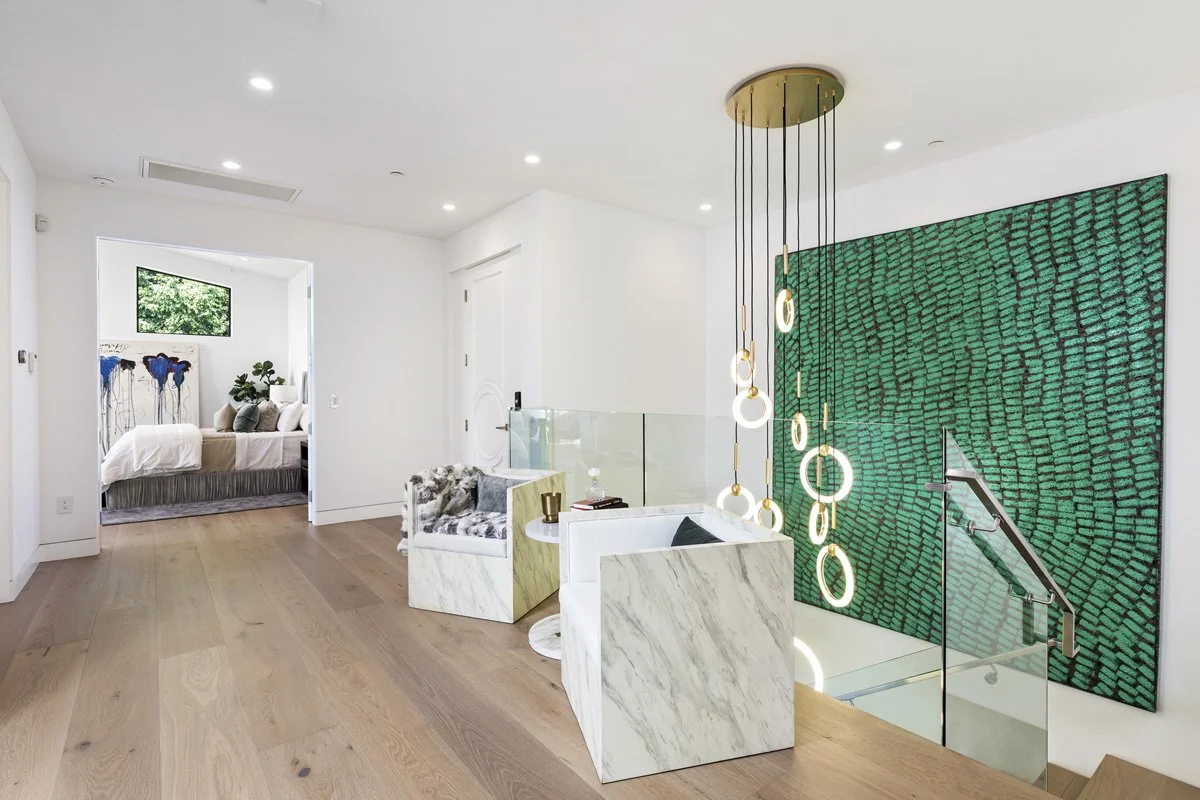
Working with Architects & Designers
Many Culver City projects begin with an architect or interior designer already engaged.
In Spanish Revival and mid-century modern homes, exposed beams, arched openings, and low-slope roof systems require structural coordination before schematic design is finalized not after framing begins.
We provide:
• Early CCMC compliance validation
• Structural feasibility input
• Budget calibration during design development
• Comprehensive Construction Management Plan preparation
• Permit coordination through Culver City Building Safety
Architectural ambition without regulatory alignment leads to delay. We align both from the first conversation.

Pre-Construction Determines the Outcome
In Culver City, what happens before demolition determines whether a project remains controlled or reactive.
Our pre-construction phase includes:
• CCMC zoning validation
• Structural scope assessment
• Energy Reach Code planning
• Solar PV compliance evaluation
• Comprehensive Construction Management Plan preparation
• Neighbor notification coordination
• Soils and grading coordination for Blair Hills
• Budget stabilization prior to submission
Projects are stabilized here not mid-demo.
RECENT PROJECTS
-
![Mar Vista backyard remodel with rectangular pool, outdoor kitchen bar, sliding glass doors, and integrated modern landscape design.]()
CULVER CITY
-
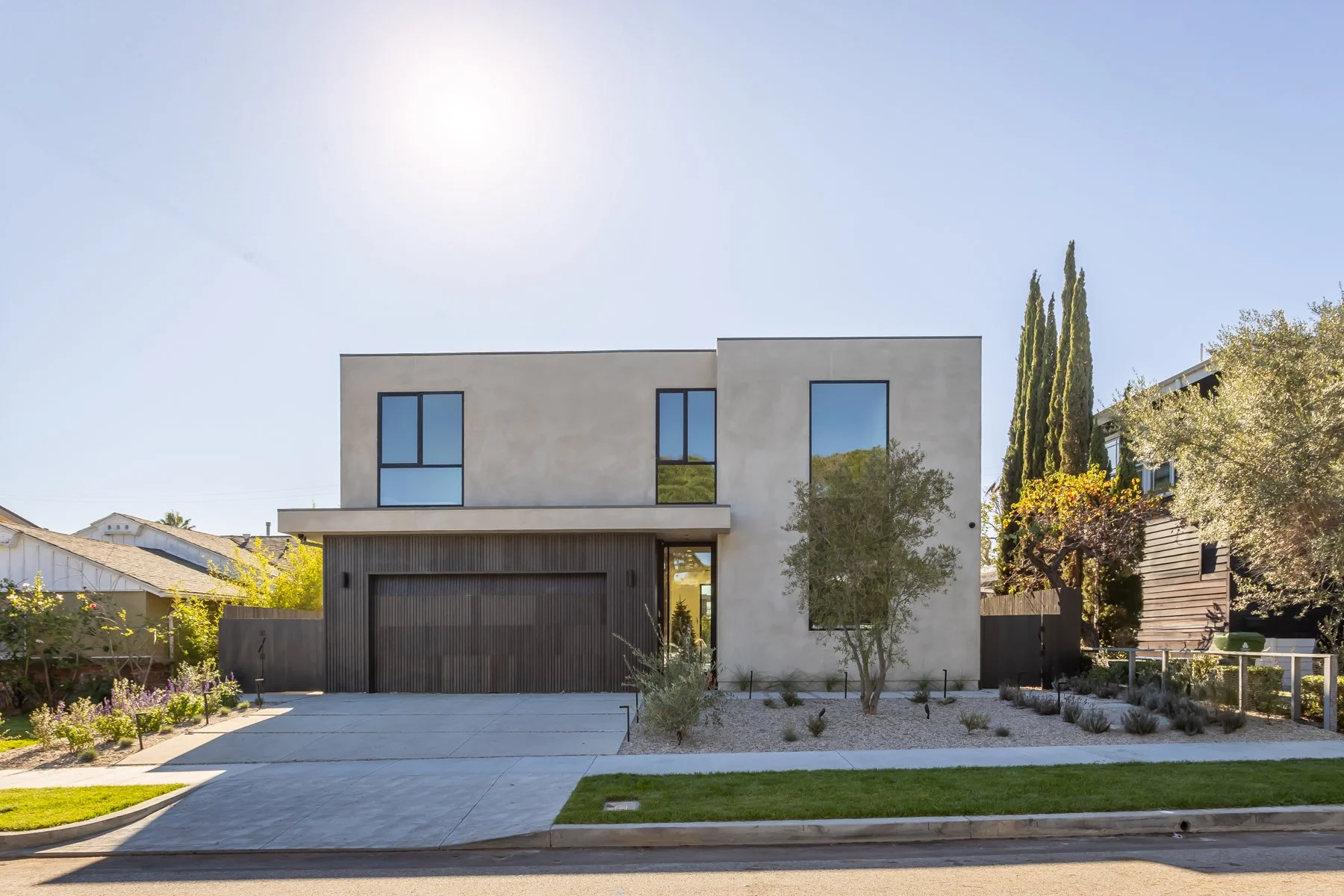
![Contemporary Mar Vista custom home exterior with smooth stucco facade, black framed windows, drought-tolerant landscaping, and minimalist design.]()
MAR VISTA
-
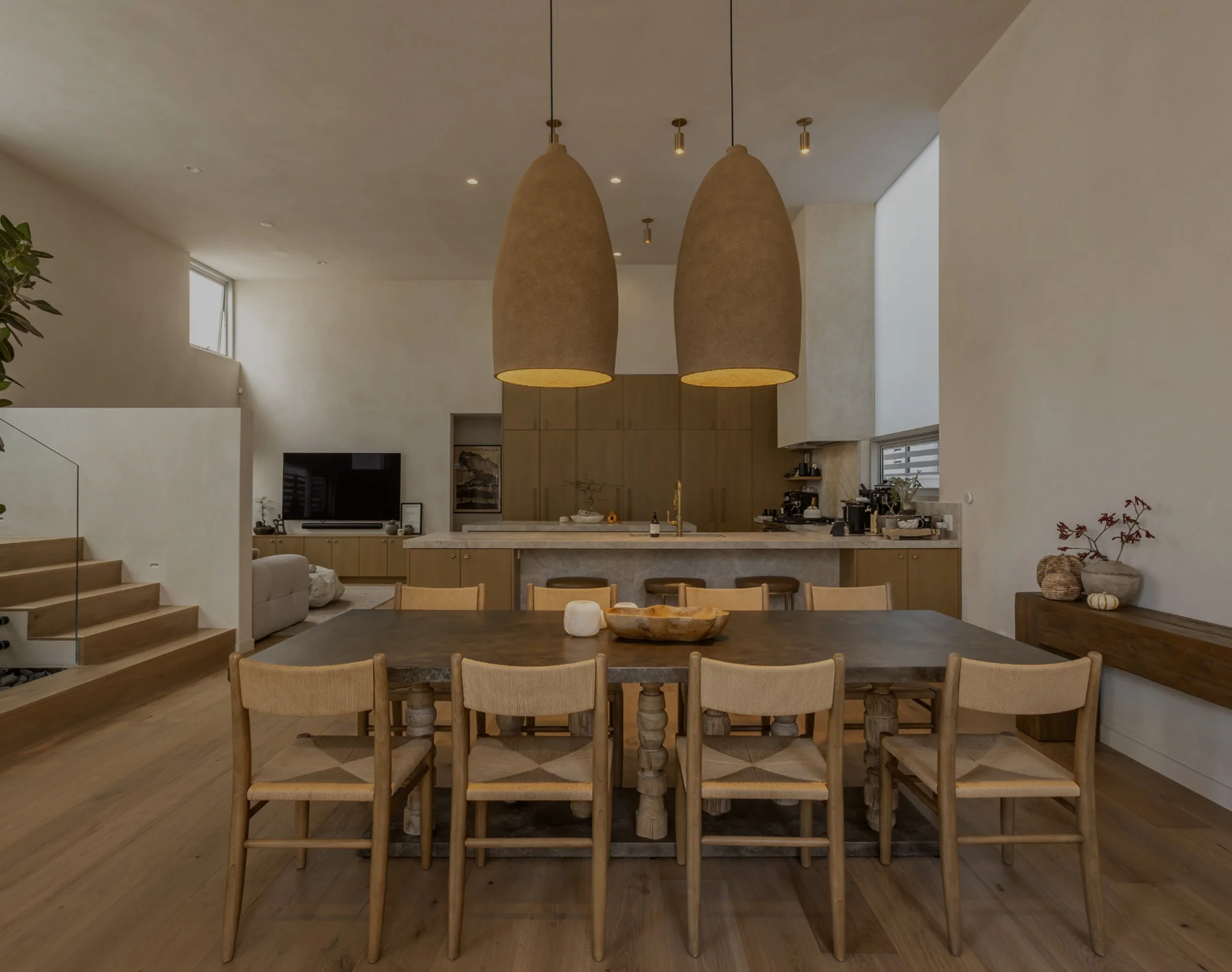
![Open-concept Mar Vista kitchen and dining area with custom wood cabinetry, oversized pendant lighting, natural oak flooring, and integrated modern island design.]()
MARINA DEL REY
-
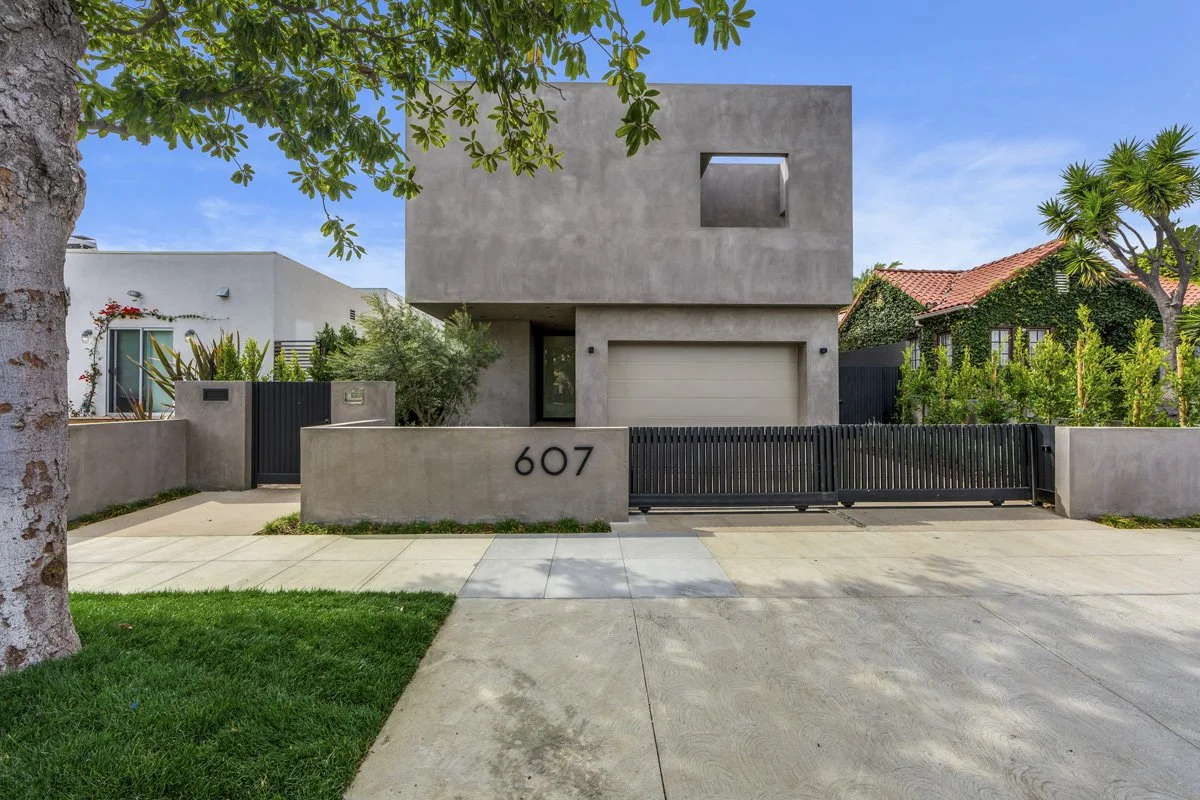
![Modern West Hollywood custom home exterior with smooth stucco facade, black steel gate, and contemporary architectural lines]()
WEST HOLLYWOOD
-
![Brentwood midcentury drive way]()
LA CUESTA
-
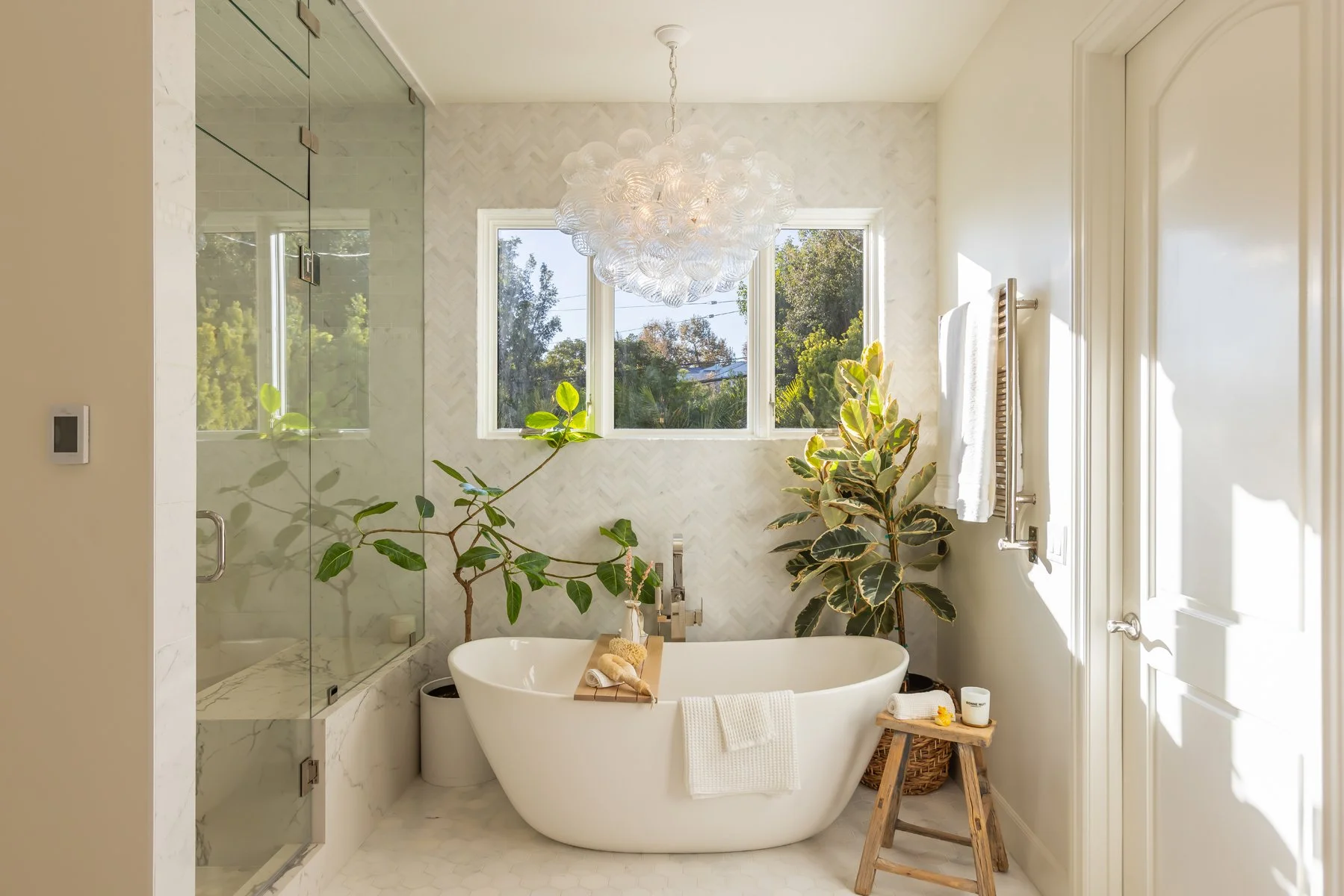
![Brentwood bathroom remodel featuring freestanding soaking tub, glass shower enclosure, and natural light-filled spa design by Heart Construction.]()
BRENTWOOD

Frequently Asked Questions
-
No. Culver City operates independently under its own Building Safety division and Municipal Code.
-
Custom homes generally begin around $500+ per square foot. Hillside and architecturally complex builds often range from $650–$900+ per square foot depending on scope and finishes.
-
Whole-home remodels typically range from $375–$625+ per square foot depending on structural reconfiguration and system replacement requirements.
-
Kitchen remodels commonly range from $80,000–$220,000+ depending on structural scope, cabinetry level, and material selection.
-
Primary bathrooms generally range from $40,000–$110,000+ depending on layout changes and finish specifications.
-
Most major remodels require 6–10 months depending on structural scope and permit complexity.
-
Custom homes typically require 12–18 months including plan check, permitting, and construction. Hillside projects may require additional time for grading and soils review.
For homeowners researching rebuild timelines, permitting requirements, and realistic construction budgets, we’ve created detailed guides that explain the process clearly and practically.
Explore:
Kitchen Remodel Costs in Los Angeles (2026)
Outdoor Living Cost Guide (2026)
Bathroom Remodel Costs in Los Angeles (2026)
These resources break down structural considerations, approval timelines, and real-world budget ranges to help you plan with clarity.
Explore Other Los Angeles Neighborhoods
Heart Construction builds custom homes and major remodels across Los Angeles from coastal and hillside communities to estate neighborhoods, valley properties, and urban infill areas.
You can explore our full service map on our Where We Build page.
Or see how our approach adapts in:
• Brentwood
• Malibu
• Pacific Palisades
• Calabasas
• Studio City
Building in Culver City?
Culver City’s independent permitting system, energy codes, and neighborhood-specific building conditions make local knowledge essential not optional.
That is how projects avoid plan check delays.
That is how budgets remain controlled.
That is how architectural intent survives construction.