PACIFIC PALISADES CUSTOM HOME BUILDER & GENERAL CONTRACTOR
BUILT WITH INTENTION. DESIGNED FOR THE PACIFIC.
We Do Not Approach Pacific Palisades as Another Los Angeles Job
Most contractors working in the Palisades right now are treating it as volume. Take the project, manage the paperwork, move to the next one.
That is not how we work here.
Pacific Palisades has a construction environment unlike anywhere else in Los Angeles. The geology shifts by neighborhood. The Coastal Commission adds a regulatory layer that many LADBS-only contractors have never navigated. The fire rebuild context introduces current building codes, WUI compliance, and multi-agency clearances that require precise pre-construction preparation not reactive management mid-permit.
We have built, remodeled, and guided fire rebuilds here long enough to understand that the Riviera behaves differently than Marquez Knolls, that the Alphabet Streets carry constraints the Highlands do not, and that bluff-adjacent properties require geotechnical coordination that cannot be treated as a formality.
That knowledge is what separates projects that move from projects that stall.
What Building in Pacific Palisades Actually Requires
The Palisades sits within the City of Los Angeles and moves through LADBS but that is where the similarity to a standard LA project ends.
Properties within the Coastal Zone may trigger California Coastal Commission review. Hillside parcels require geotechnical reports, grading plans, and soils analysis before foundation work begins. Fire-affected properties must comply with current building codes — not the standards that governed the original home which means WUI fire-resistance assemblies, updated structural engineering, Title 24 energy compliance, and often multi-departmental clearances before construction can begin.
Typical Pacific Palisades project realities include:
LADBS plan check with multi-departmental coordination
Coastal Development Permit review where thresholds are triggered
WUI (Wildland-Urban Interface) fire-resistance assembly requirements
Geotechnical soils reports and slope stability analysis
Grading plans, retaining wall engineering, and drainage design
HOA architectural review running parallel to city permitting
Haul route coordination on constrained hillside streets
Foundation inspections currently scheduling 5–7 business days out due to rebuild demand
Projects that arrive at LADBS without a complete submission package enter correction cycles that add months. We prepare architectural plans, structural engineering, soils coordination, Title 24 documentation, WUI details, and required utility letters before the first sheet is submitted.
Preparation is not optional here. It is structural risk management.
The Riviera
The Riviera is architecturally demanding. Larger parcels, winding streets, and meaningful elevation shifts define the area. Steep driveways and hillside slopes require geotechnical coordination before any foundation work begins.
Expansion projects frequently trigger hillside grading standards. View corridors are protected. Structural precision matters because many homes here incorporate expansive glazing systems and tight framing tolerances that leave little room for adjustment during finish installation.
Understanding the Palisades Neighborhood by Neighborhood
Pacific Palisades is not uniform. Treating it as interchangeable is where projects go wrong.
Marquez Knolls
Marquez Knolls offers some of the most buildable parcels in the Palisades, typically ranging from 7,000 to 15,000 square feet.
These lots are strong candidates for second-story additions and ADUs. Zoning generally falls under LADBS R1 standards. Lower Marquez parcels within the Coastal Zone may trigger Coastal Development review if square footage increases.
Accessibility simplifies staging compared to hillside neighborhoods, but structural evaluation in older homes remains critical before design advances.
The Alphabet Streets
The Alphabet Streets are the original Palisades smaller parcels averaging 5,200 to 7,500 square feet.
Lot coverage limits, setbacks, and staging access define feasibility. Many homes were expanded over decades without consistent structural alignment. Remodels frequently expose framing irregularities, foundation inconsistencies, and outdated systems that must be evaluated before design progresses.
Maximizing square footage without early envelope analysis often results in avoidable plan check corrections.
Huntington Palisades & Via Bluffs
Bluff-adjacent properties introduce non-negotiable geotechnical complexity. Irregular lot shapes, bluff setback requirements, erosion risk, and marine exposure affect foundation design and material selection from the outset.
Coastal Commission jurisdiction is active here. Filing Coastal documentation simultaneously with LADBS rather than sequentially prevents compounded delays.
Exterior fasteners, glazing assemblies, cladding systems, and pool equipment must be specified for coastal durability from the beginning.
Palisades Highlands
The Highlands sits at higher elevation near Topanga State Park. Larger parcels provide flexible staging, but wildfire exposure is permanent reality here.
WUI fire-resistance assemblies and defensible space standards are baseline requirements. These assemblies must be integrated during design, not discovered during inspection.
Post-Fire Rebuild in Pacific Palisades
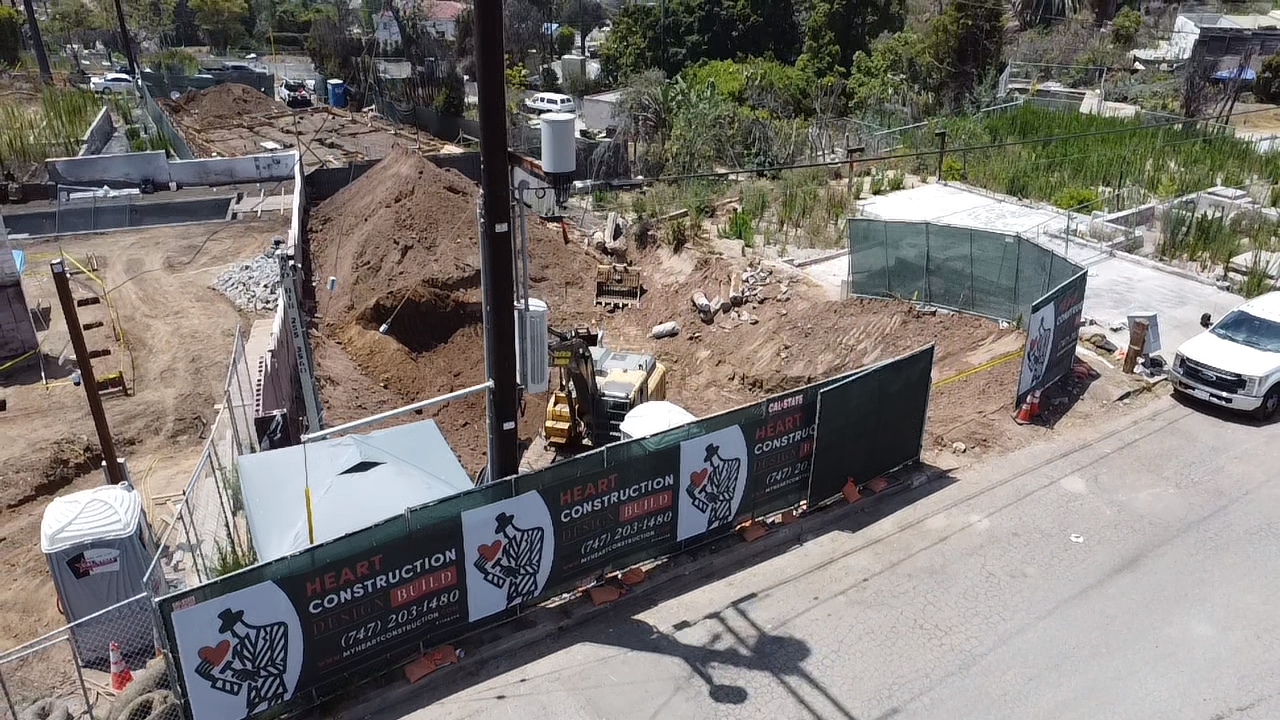
The January 2025 Palisades Fire reshaped construction here. More than 1,200 rebuilding plans have been approved across 600+ addresses. Over 340 projects have already started construction. Hundreds more are working through approval.
A rebuild is not a restoration. It is new construction subject to current building codes.
That means:
Updated structural engineering
WUI fire-resistance assemblies
Current Title 24 energy compliance
Fire sprinkler systems
Licensed geotechnical reporting
Grading and drainage plans where slope applies
Utility coordination for DWP, gas, and sewer reconnection
Properties within the Coastal Zone that increase square footage or alter height profiles may require a Coastal Development Permit, typically adding 3–6 months minimum.
Emergency Executive Orders have accelerated permitting significantly. But incomplete submissions still stall. HOA reviews still run parallel. Foundation inspections are currently scheduling 5–7 business days out due to demand.
We guide homeowners from feasibility review through Certificate of Occupancy — anticipating delays before they occur.
Services We Deliver Across pacific palisades
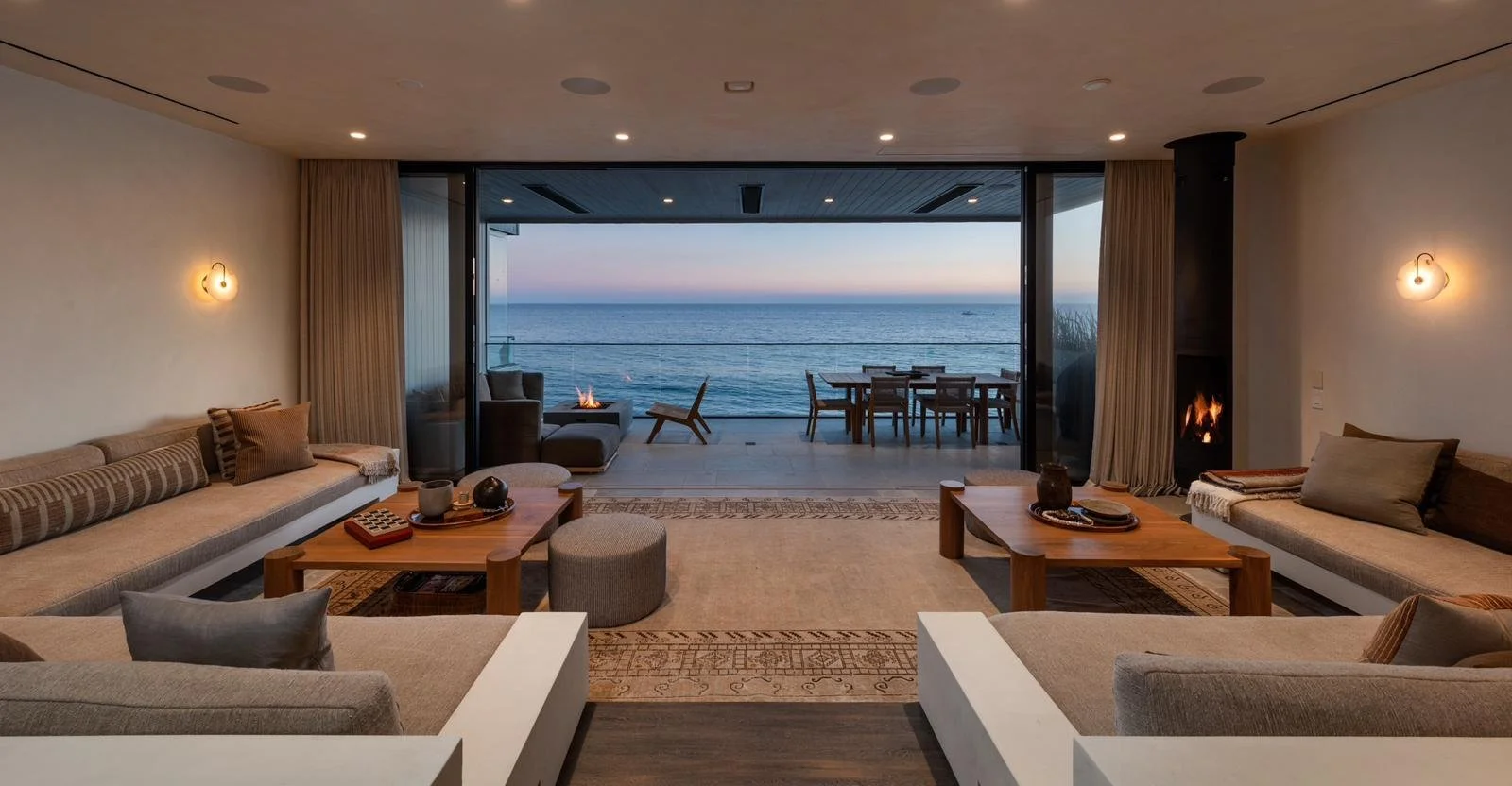
Custom Homes in Pacific Palisades
Ground-up construction in the Palisades begins with site-specific feasibility not renderings.
Hillside parcels require geotechnical coordination and grading feasibility before architectural drawings advance. Bluff-adjacent properties require coastal setback verification before foundation design begins. Flat lots require zoning envelope validation and lot coverage analysis before schematic design moves forward.
Structural alignment, regulatory sequencing, and documentation completeness determine whether a project clears plan check efficiently or stalls in corrections.
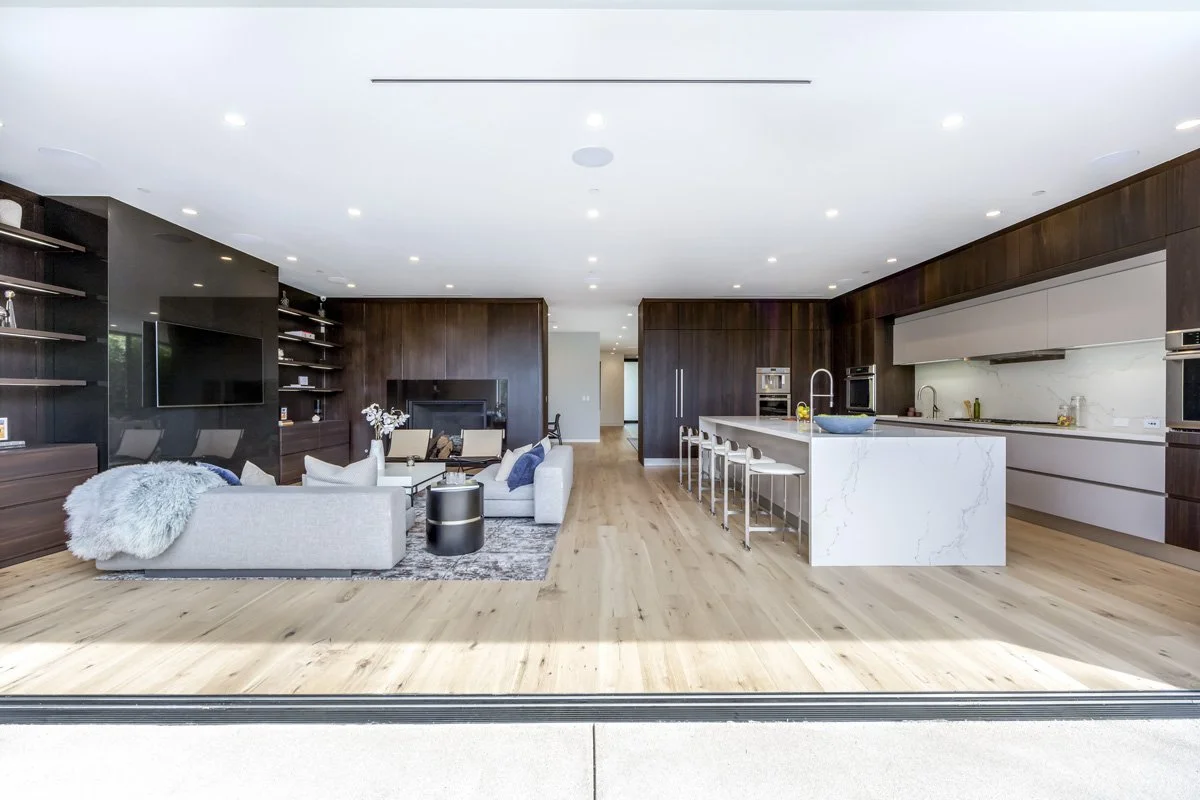
Full Home Remodeling in Pacific Palisades
Remodeling here is rarely cosmetic.
Whole-home renovations frequently involve structural wall removal, engineered beam integration, foundation reinforcement, and full system replacement. Older homes in the Alphabet Streets and Marquez Knolls often reveal framing conditions that require correction once walls are opened.
Evaluating structural scope before demolition protects both schedule and budget.
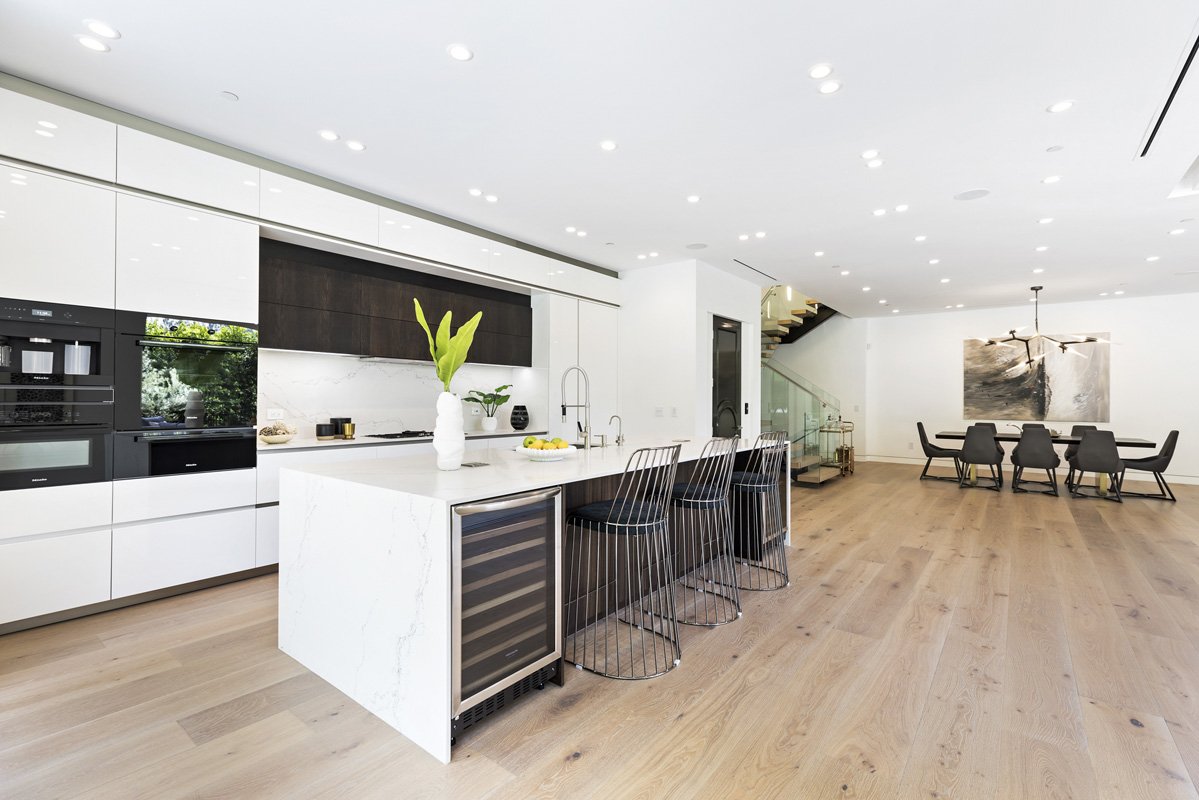
Kitchen Remodeling in Pacific Palisades
Kitchen remodels in older Palisades homes often anchor broader structural work.
Compartmentalized layouts require engineered beam solutions to achieve open-plan living. Cabinetry layouts must align with existing framing conditions. Appliance integration, ventilation routing, and stone fabrication sequencing all require coordination once structural modifications are complete.
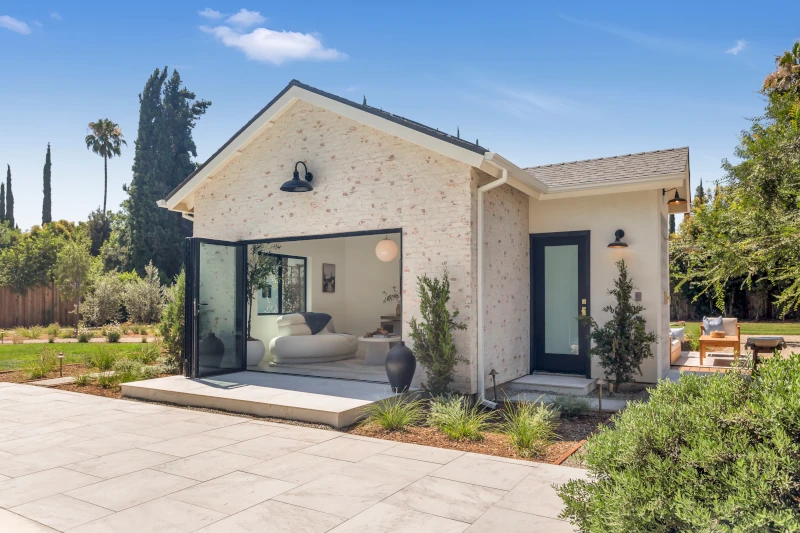
ADUs in Pacific Palisades
ADU feasibility varies significantly by neighborhood.
Marquez Knolls and the Highlands often provide favorable lot configurations. The Alphabet Streets require careful setback and fire-separation analysis. Hillside parcels demand slope and grading feasibility review before design commitment.
Early feasibility analysis prevents costly redesign during plan check.
Working with Architects & Designers
In hillside and coastal properties, structural feasibility and regulatory alignment must occur before schematic design is finalized.
We provide early LADBS validation, Coastal Zone assessment, structural coordination, budget calibration, and permit sequencing aligning architectural ambition with construction reality from the beginning.
How We Operate
In Pacific Palisades, structure is not optional.
Every project begins with feasibility structural evaluation, zoning validation, and coastal assessment before design advances. Budget alignment happens before architectural commitment. Engineering coordination happens before plan check submission.
That process often starts with choosing the right path for the property — whether to rebuild, remodel, or approach it as new construction.
→ See how the remodel vs rebuild decision actually plays out
When hundreds of rebuilds are moving simultaneously and inspection schedules are compressed, preparation is what keeps a project on schedule.
We call this Build with Intention.
RECENT PROJECTS
-
![Malibu Pier home interior featuring a warm modern living space with built-in seating, layered textures, custom wood furniture, and an open layout flowing into a minimalist kitchen, showcasing Heart Construction’s intentional coastal design.]()
MALIBU PIER
-
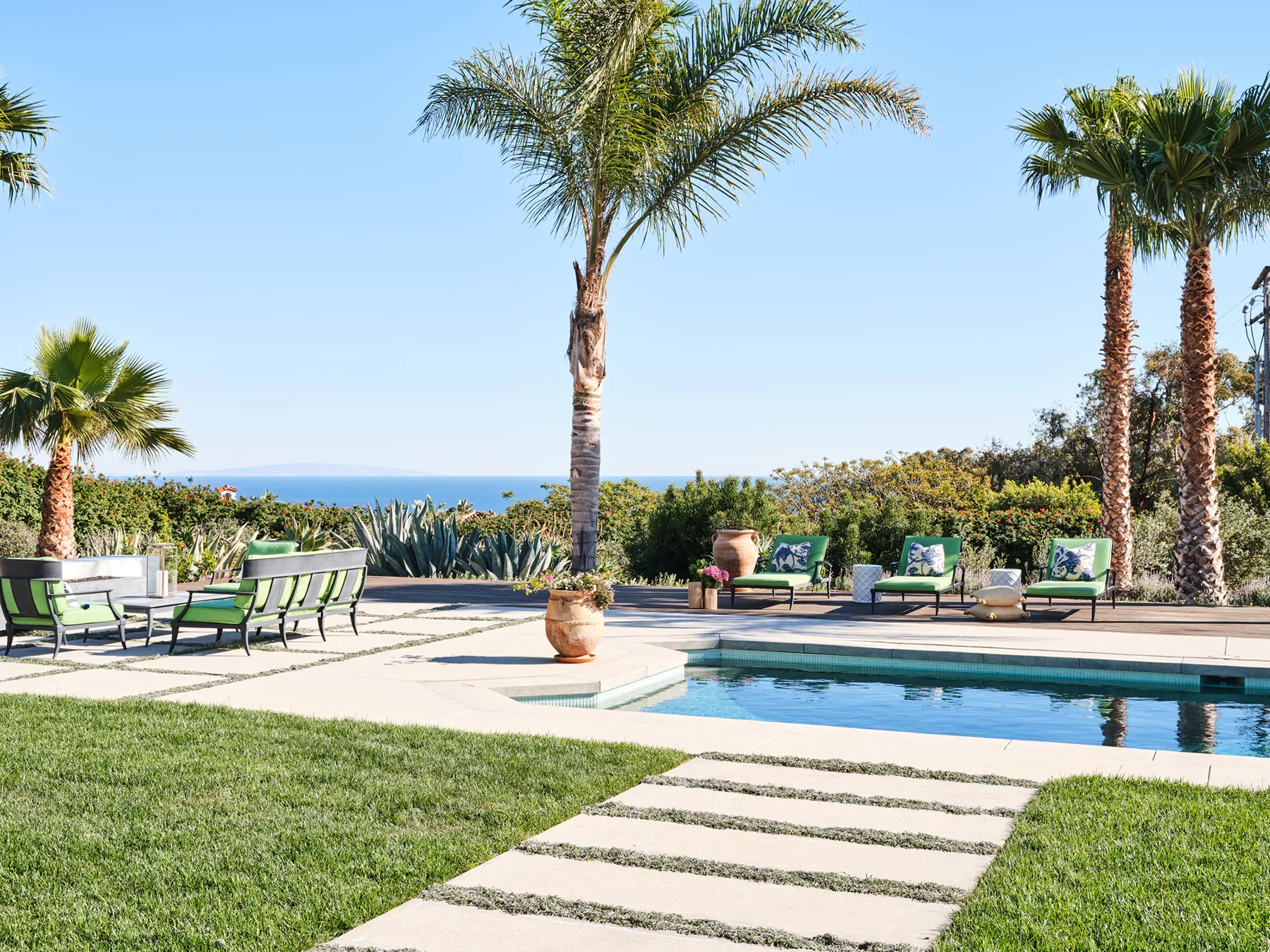
![Pacific Palisades ocean-view backyard with custom pool, palm trees, lounge seating, and manicured lawn overlooking the Pacific coastline.]()
MALIBU
-
![Marina del Rey home interior with warm modern design featuring a natural wood dining table, sculptural pendant lighting, plaster walls, and an open kitchen with custom cabinetry, showcasing Heart Construction’s intentional coastal craftsmanship.]()
MARINA DEL REY
-
![Open-concept living room in a Hollywood Hills home remodel with folding glass walls, custom built-ins, soft neutral furnishings, and seamless indoor-outdoor flow overlooking canyon views, showcasing Heart Construction’s warm modern design.]()
HOLLYWOOD HILLS
-
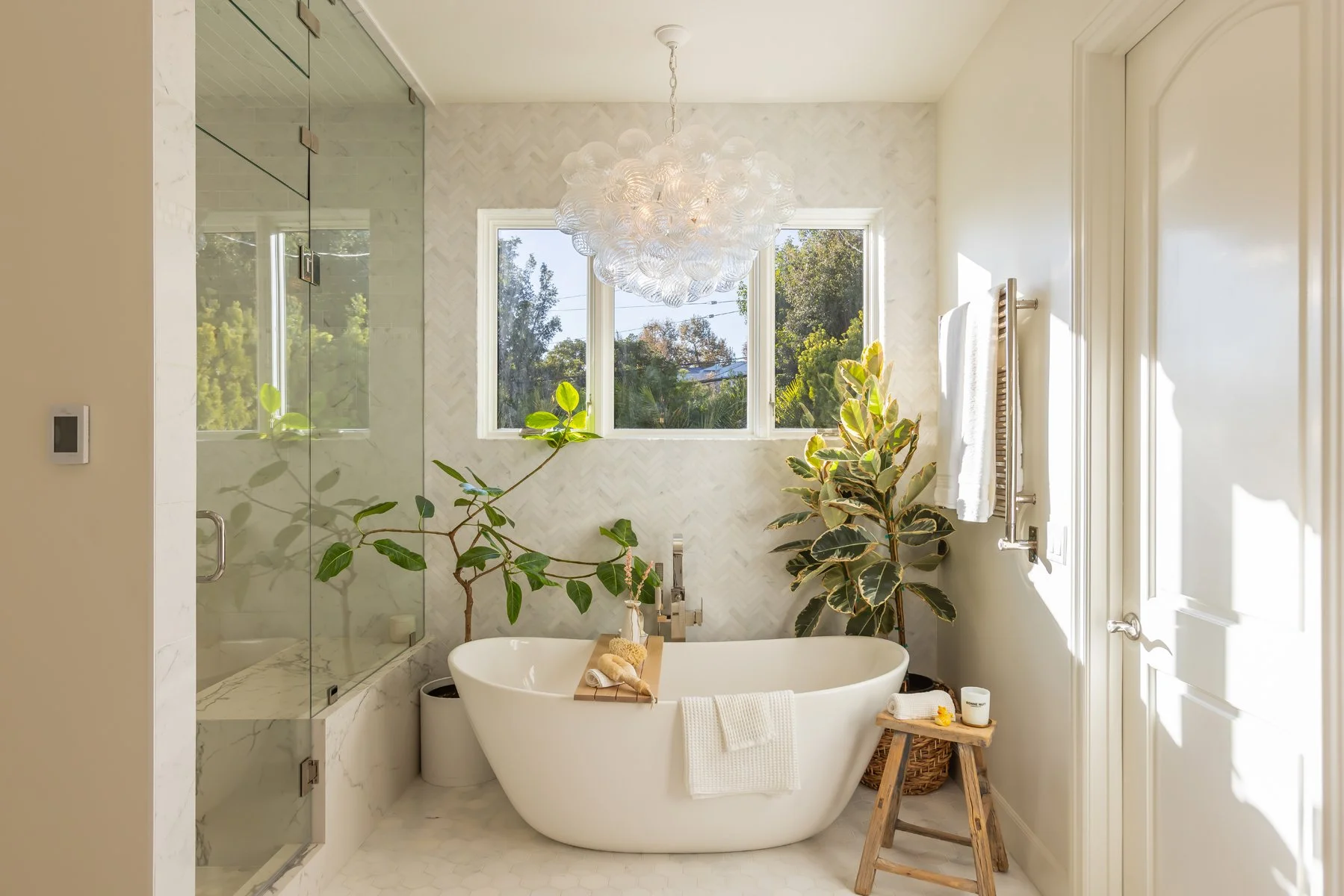
![Pacific Palisades luxury bathroom with freestanding soaking tub, marble walk-in shower, herringbone tile walls, and sculptural glass chandelier framed by natural light and greenery views.]()
BRENTWOOD
-
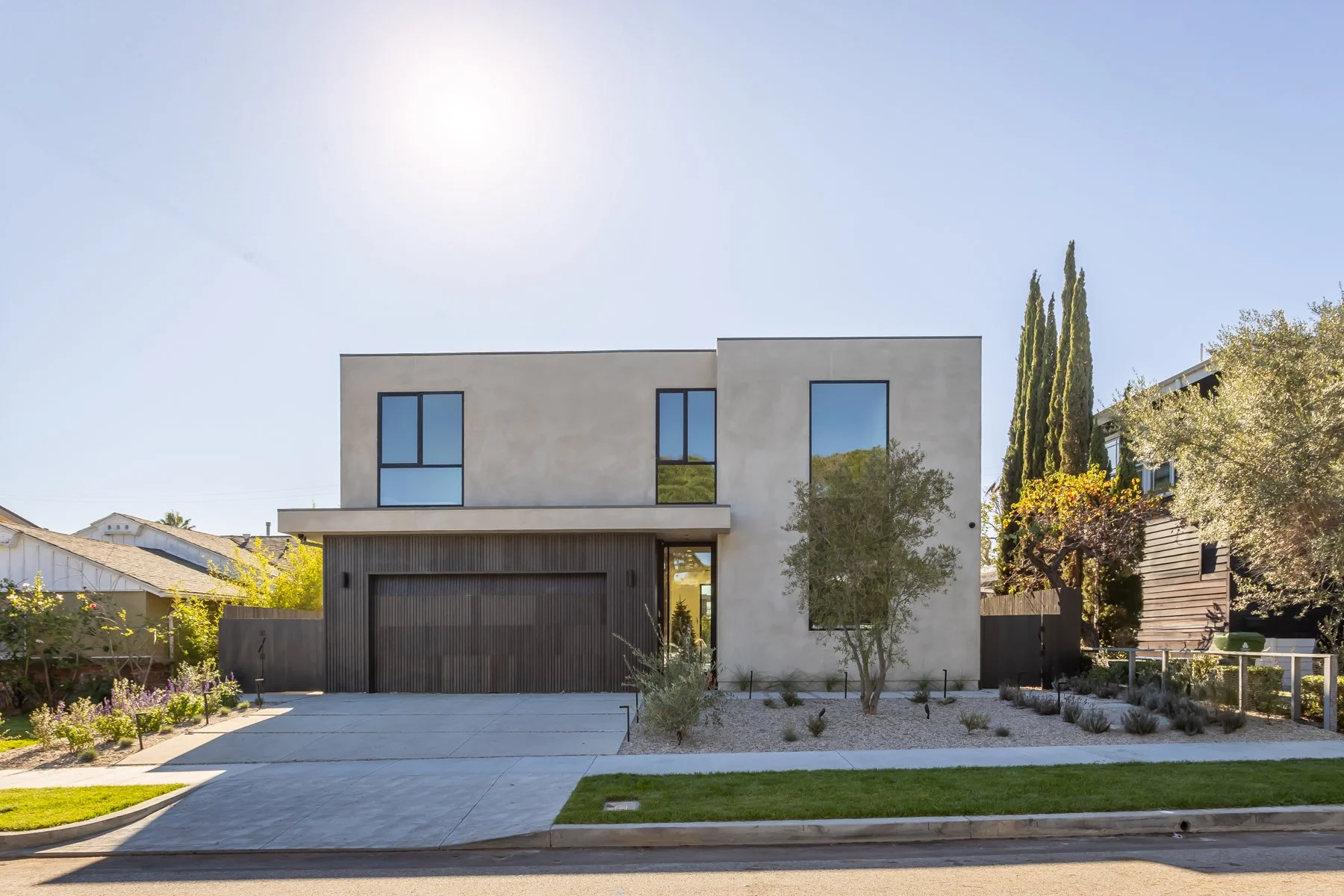
![Pacific Palisades modern custom home with smooth stucco façade, black-framed windows, vertical wood garage door, and drought-tolerant landscaping.]()
MAR VISTA



Frequently Asked Questions About Building in Pacific Palisades
-
Custom homes typically range from $600 to $950+ per square foot, depending on lot conditions, coastal involvement, structural complexity, architectural scope, and finish level.
-
Whole-home remodels generally range from $400 to $700+ per square foot, depending on structural scope and finish specifications.
-
Kitchen remodels typically range from $90,000 to $240,000+, depending on layout changes, structural modifications, cabinetry level, appliance integration, and materials.
-
Primary bathroom remodels generally range from $45,000 to $130,000+, depending on plumbing relocation, waterproofing scope, radiant heating, steam integration, and finish level.
-
Detached ADUs typically range from $300,000 to $550,000+, depending on size, slope conditions, grading requirements, coastal review triggers, and finish level.
-
Properties within the Coastal Zone that increase intensity of use — including added square footage, height changes, bluff-edge construction, or canyon-adjacent development — typically require a Coastal Development Permit. Coastal review commonly adds 3–6 months to the permitting timeline. Filing Coastal documentation simultaneously with LADBS is critical to preventing compounded delays.
-
Like-for-like rebuilds typically take 4–6 months. Projects requiring Coastal Commission review generally add 3–6 additional months, while significant scope changes may require 9–12+ months.
-
Yes. Most rebuilds must comply with current Building Code, Fire Code, WUI requirements, and Title 24 energy standards.
-
From permit issuance to completion, most custom homes take 14–20 months, depending on size, lot conditions, and inspection sequencing.
-
Major remodels typically take 6–12 months after permits are issued, depending on structural scope and material lead times.
For homeowners researching rebuild timelines, permitting requirements, and realistic construction budgets, we’ve created detailed guides that explain the process clearly and practically.
Explore:
Pacific Palisades Fire Rebuild Permits: LADBS, Coastal & Hillside Rules Explained
Rebuilding After the Pacific Palisades Fires: What Homeowners Need to Know First
10 Critical Questions to Ask Before Hiring a General Contractor in Los Angeles (2026)
These resources break down structural considerations, approval timelines, and real-world budget ranges to help you plan with clarity.
Explore All Neighborhoods We Serve
Heart Construction builds custom homes and major remodels across Los Angeles — from coastal and hillside communities to estate neighborhoods, valley properties, and urban infill areas.
See how neighborhood context shapes our approach across the city and check where we build
Planning a project in Pacific Palisades?
Building in Pacific Palisades requires thoughtful planning.
Let’s review your property and talk through structure, permitting, and budget.