
Pacific Palisades Fire Rebuild Permits: LADBS, Coastal & Hillside Rules Explained
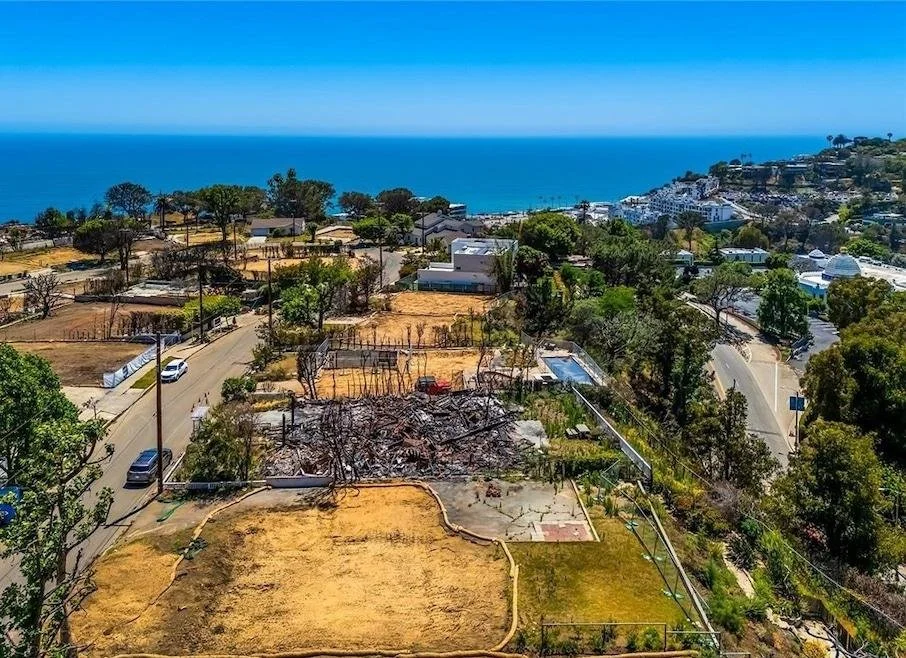
Rebuilding after the Pacific Palisadesfires requires navigating LADBS approvals, Coastal Commission oversight, and strict hillside regulations. Many homeowners face extended timelines due to soils reports, plan checks, multiple departmental clearances, and evolving post fire requirements. This guide explains how the permit process works, when rebuilds qualify for exemptions, and how careful planning can help avoid unnecessary delays while rebuilding safely and compliantly.
Pacific Palisades Fire Rebuilds: Why Permits Matter Now
One year after the January 2025 fires, the recovery process in Pacific Palisades is well underway but far slower than most homeowners anticipated. Public reporting estimates that thousands of structures were damaged or destroyed, leaving entire neighborhoods navigating the long path from debris clearance to full reconstruction.
For many property owners, the primary obstacle has not been construction itself, but the permitting process. While thousands of permits have been issued for repairs and utility work in burn areas, only a relatively small portion have moved forward as full structural rebuilds. This gap highlights a critical reality: rebuilding a home in Pacific Palisades today requires navigating a complex, multi agency approval system that did not exist when many of these homes were originally built.
For homeowners just beginning the recovery process, it’s helpful to start with a broader overview of what comes first after a fire. Our guide to rebuilding after the Pacific Palisades fires walks through the early steps, from site security and insurance documentation to long-term planning considerations.
Understanding how these permits work and how the agencies interact is essential to moving from a vacant lot back to a finished home.
Most homeowners assume rebuilding in Pacific Palisades is just about replacing what was lost.
In reality, the biggest delays and cost overruns happen before construction begins — when the property’s constraints aren’t fully understood.
Coastal involvement, hillside conditions, and post-fire requirements can completely change what’s possible. And most people only discover that after they’ve already invested in design.
If you’re planning a rebuild, we can walk your property and help you understand what’s actually feasible before you commit.
Recent Fires in Pacific Palisades: Context and Recovery Challenges
The wildfires that struck Pacific Palisades in early 2025 reshaped the community in lasting ways. Beyond the immediate human impact, the fires altered hillsides, vegetation patterns, and infrastructure across the area.
Twelve months later, recovery continues under the weight of administrative backlog and new regulatory scrutiny. Public reporting indicates that relatively few homes have reached full rebuild completion compared to the number lost. This is not due to a lack of contractors or intent it is the result of layered permitting requirements designed to address safety, environmental protection, and long-term resilience.
For homeowners, rebuilding now means working within a regulatory environment that is more rigorous, interconnected, and time sensitive than ever before.
What Are Fire Rebuild Permits?
A fire rebuild permit is not a single approval. It is a coordinated set of permits and clearances confirming that a new home meets current safety, zoning, and environmental standards.
Because wildfires can destabilize soil and alter drainage patterns, most rebuilds are reviewed similarly to new custom home construction rather than simple replacements.
Common approvals include:
Building permits for the primary structure
Electrical, plumbing, and mechanical permits
Grading permits where slopes or foundations are affected
Zoning and planning clearances
Public Works approvals for driveway, sewer, and street access
Together, these permits ensure that rebuilt homes are safer, more resilient, and compliant with modern codes.
REQUIRED DOCUMENTS FOR PACIFIC PALISADES FIRE REBUILD PERMITS
Submitting a complete application package significantly reduces approval delays. LADBS requires:
Core Documentation:
Complete architectural plans (site plan, floor plans, elevations, sections)
Structural engineering calculations and details
Soils and geology report from licensed geotechnical engineer
Title 24 energy compliance calculations
Fire-resistance assembly details (WUI compliance)
Grading and drainage plan
Utility coordination letters (DWP, gas, sewer)
Post-Fire Specific Requirements:
Pre-fire property documentation (photos, assessor records, building permits)
Debris removal completion certificate
Updated survey showing current site conditions
Environmental clearances (if near sensitive habitat)
Hillside Properties Also Need:
Slope stability analysis
Haul route approval (for grading over 1,000 cubic yards)
Retaining wall calculations
Drainage and erosion control plan
Missing even one document can delay plan check by weeks. Work with your design team to compile everything before submission.
LADBS Permits: Core Requirements for Structural Rebuilds
The Los Angeles Department of Building and Safety (LADBS) serves as the central authority for structural approvals. One of the biggest surprises for homeowners is that most rebuilds must comply with current building codes, not the standards that existed when the original home was constructed.
This typically requires:
Fully detailed architectural and structural plans
Energy compliance documentation
Fire-resistance and WUI compliance
Coordination across multiple city departments
It is common for fire rebuild projects to require a dozen or more departmental clearances before construction can begin. Precision and completeness at this stage significantly affect timelines.
Plan Submittal and Plan Check Essentials
During plan check, LADBS engineers review drawings line by line to confirm code compliance. In Pacific Palisades, comments often focus on fire resistant assemblies, enclosed eaves, tempered glazing, and structural reinforcement.
Receiving correction comments is normal. What matters is how efficiently they are addressed. Accurate, coordinated plans reduce revision cycles and help avoid unnecessary resets.
Inspection Stages and Approval Timelines
Once permits are issued, inspections occur throughout construction. Typical stages include:
Foundation inspection before concrete placement
Framing and rough in inspections
Insulation and drywall inspections
Final inspection prior to occupancy
High inspection demand can extend scheduling windows, making coordination critical. Missed inspections often lead to cascading delays.
COMMON PERMIT DELAYS AND HOW TO AVOID THEM
Understanding typical bottlenecks helps you plan realistically and avoid preventable setbacks.
Foundation Inspection Delays
Post-fire soil conditions require extra scrutiny. Schedule foundation inspections 7-10 days in advance, not same-day. If your soils report recommends caissons or piles, expect additional inspection requirements before concrete placement.
Utility Coordination Issues
DWP service restoration in fire zones is running 12-16 weeks for new connections. Apply for electrical service as soon as permits are issued, not when you're ready to frame. Gas and sewer laterals require separate permits and inspections.
Incomplete Plan Check Corrections
The most common delay is submitting plan corrections that don't fully address reviewer comments. Read correction sheets carefully and have your engineer confirm all items are resolved before resubmission. Partial corrections reset the review clock.
Coastal Commission Review
If your project triggers Coastal Development Permit requirements, expect 4-6 months minimum. File your coastal application simultaneously with LADBS, not sequentially. Request a pre-application meeting to identify issues early.
HOA Architectural Review
Many Pacific Palisades HOAs require separate design approval. Start this process before or alongside city permits. HOA denials can invalidate months of city plan check work.
Soils Testing Delays
Geotechnical engineers are backlogged. Schedule your soils report immediately after debris clearance, not when you're ready to submit plans. Fire-affected soils may require specialized testing that extends timelines by 2-4 weeks.
At this point, most homeowners realize the challenge isn’t construction — it’s understanding what their property actually allows.
If you want clarity before committing to plans or timelines, we can walk your property and help you understand what’s feasible.
Schedule a Rebuild Consultation →
Coastal Commission Rules: Protecting Pacific Palisades Shores
Many Pacific Palisades properties fall within California’s Coastal Zone. In these cases, approvals may also be required from the California Coastal Commission.
The Coastal Commission’s role is to protect public access, scenic views, and environmentally sensitive areas. Even when city zoning allows a design, coastal oversight may impose additional limits on height, massing, or footprint.
When Coastal Permits Apply to Fire Damaged Properties
A Coastal Development Permit is typically required when a rebuild increases the intensity of use or meaningfully changes the original structure. Common triggers include:
Significant increases in square footage
Additional stories or height changes
Bluff-edge or canyon adjacent construction
These reviews can involve public notice and extended timelines.
Key Exemptions and Streamlined Processes for Rebuilds
The Coastal Act provides exemptions for disaster-related rebuilds. Homes reconstructed in approximately the same location and size often within 10% of the original footprint may qualify for streamlined review or exemptions.
Rebuilding “like-for-like” is often the fastest path forward. While it may limit expansion, it can save months or even years of permitting time.
Hillside Ordinance: Safety Rules for Sloped Pacific Palisades Lots
Much of Pacific Palisades is governed by the Baseline Hillside Ordinance (BHO), which regulates construction on slopes to reduce landslide risk and visual impact.
Post-fire conditions heighten these concerns. Loss of vegetation and altered soil composition increase erosion and slope instability, making hillside compliance a central focus of permit review.
Geotechnical and Grading Mandates
Most hillside rebuilds require a soils and geology report prepared by a licensed geotechnical engineer. Fire exposure can create water repellent soil layers that elevate mudslide risk, requiring specialized foundation solutions.
Steeper lots may also require grading permits and haul route approvals to manage construction traffic safely.
Retaining Walls and Foundation Standards
Hillside regulations often limit retaining wall height and require terraced designs rather than single tall walls. Foundations may require caissons or deep piles drilled into bedrock to ensure long term stability.
These systems increase costs but are essential for approval and safety.
How the Permitting Process Works Together
Rebuild approvals typically involve multiple agencies working in parallel rather than sequence. Coordination is essential.
Typical process:
Step 1: Site assessment and pre-application
Survey, soils report, and zoning review determine feasibility.
Step 2: Integrated plan submission
Architectural and structural plans are submitted to LADBS while coastal or planning reviews proceed in parallel.
Step 3: Revisions and final approvals
Corrections are addressed, clearances collected, and permits issued once all agencies sign off.
How This Plays Out in Real Projects
Mar Vista Custom Home Build
This project started as a full teardown, but what looked straightforward required major adjustments once site conditions, structure, and planning constraints were fully evaluated.
Like many rebuilds, the real work began before construction — aligning design, engineering, and approvals to avoid delays later.
Best Practices for Fast Tracking Rebuild Permits
Rebuild within the original footprint when possible
Use professionals familiar with Pacific Palisades regulations
Coordinate engineers early to avoid conflicting reports
Include solar, EV, and energy requirements in initial plans
These permitting strategies are most effective when paired with early planning, insurance coordination, and site preparation, all of which are covered in our Pacific Palisades fire rebuild guide.
Common Mistakes That Delay Pacific Palisades Rebuilds
Overlooking HOA architectural review requirements
Submitting incomplete or preliminary drawings
Underestimating utility upgrades and DWP timelines
Why Local Experience Matters During the Permit Process
Fire rebuild permitting is both technical and emotional. Working with a team familiar with Pacific Palisades regulations can help reduce uncertainty and avoid missteps.
At Heart Construction, our work throughout Los Angeles includes custom homes, hillside projects, and complex rebuilds. We focus on coordinating consultants, navigating agency requirements, and helping homeowners move through the permitting phase with clarity and confidence—so construction can begin without unnecessary setbacks.
Many homeowners ultimately pursue a custom home rebuild to meet modern fire, safety, and energy standards while improving layout and long-term resilience.
Working with a general contractor experienced in Pacific Palisades hillside and post-fire rebuilds can help avoid costly permitting and construction delays.
The same coastal and hillside discipline applies to our work in neighboring Malibu, where oceanfront and bluff-adjacent construction demands the same level of regulatory fluency and pre-construction preparation.
Homeowners planning a full rebuild can also explore our Pacific Palisades General Contractor page to understand how we approach custom home reconstruction, structural coordination, and long-term planning from the earliest feasibility stage through completion.
Need help navigating the Pacific Palisades fire rebuild permit process? Our team has guided dozens of homeowners through LADBS, Coastal Commission, and hillside approvals. We coordinate all consultants, manage plan corrections, and keep your project moving forward.
Frequently Asked Questions
-
Current processing times for fire rebuild permits in Pacific Palisades typically run 8-16 weeks for initial plan check, depending on project complexity. Simple like-for-like rebuilds may receive expedited review within 6-8 weeks. Projects requiring Coastal Commission review add 3-6 months. Foundation inspections are currently scheduled 5-7 business days out due to high demand. Total time from application to permit issuance averages 4-6 months for straightforward rebuilds, 9-12+ months for projects requiring multiple agency approvals.
-
Documentation of the original home’s size, footprint, and location is typically required to demonstrate eligibility for streamlined review.
-
LADBS permit fees for a typical 2,500 sq ft Pacific Palisades rebuild range from $8,000-$15,000, calculated based on valuation. Additional costs include:
Geotechnical soils report: $3,500-$8,000
Grading permit (if required): $2,000-$5,000
Coastal Commission filing (if applicable): $2,500+
Energy compliance documentation: $1,500-$3,000
Plan check fees: typically 65% of permit fee
Budget $15,000-$30,000 total for permitting and required reports on a standard hillside rebuild.
-
Yes. Many Pacific Palisades neighborhoods require HOA architectural approval alongside city permits.
-
Yes. Current codes often require solar ready systems and EV infrastructure, which should be included in initial plans.