
What Homeowners in Altadena Need to Know About Rebuilding After a Fire

Rebuilding a home in Altadena after a fire is more than a construction project. It is a process of recovery, decision-making, and long-term planning. After the immediate shock passes, many homeowners find themselves overwhelmed by unfamiliar timelines, insurance questions, and the complexity of rebuilding under Los Angeles County regulations.
Altadena’s foothill setting offers beautiful views and a strong sense of community, but it also comes with unique risks and stricter building requirements. If you are navigating this process in early 2026, you are not alone. Recovery efforts across Los Angeles County have accelerated significantly compared to past fire events, with agencies working to remove bottlenecks and help families return home sooner.
This guide breaks down what Altadena homeowners need to know from immediate next steps to permitting, design requirements, budgeting, and choosing the right team so you can move forward with clarity and confidence guided by a clear, structured process like our Signature Approach.
Immediate Steps for Altadena Homeowners After a Fire
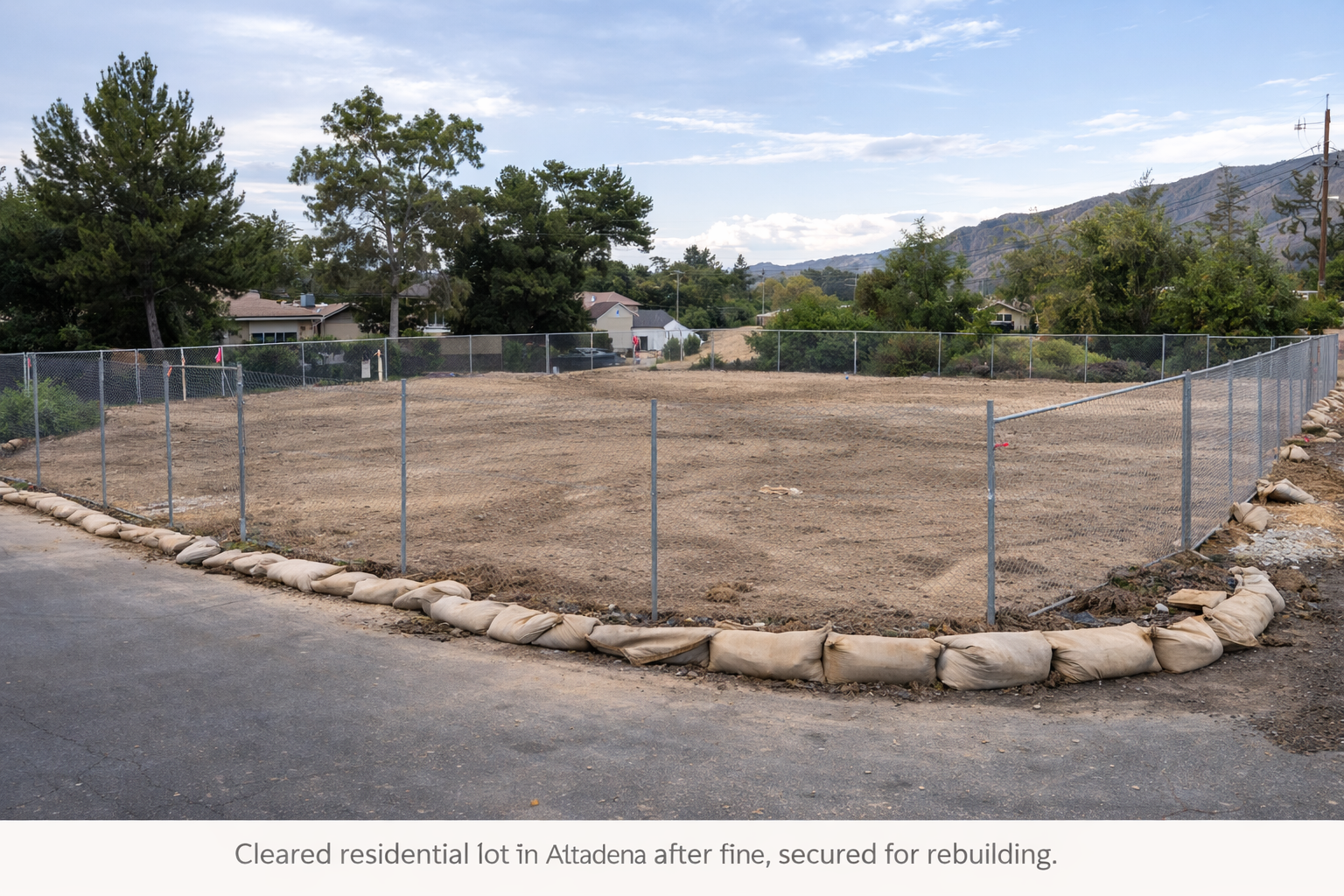
The days and weeks following a fire can feel chaotic. Taking the right steps early helps prevent delays later and gives you more control over the rebuild process.
In general, most homeowners should focus on three parallel tracks:
Debris removal and site safety
Insurance documentation and claims
Early planning for permits and design
Addressing all three at once creates momentum and reduces long-term setbacks.
Securing Your Property and Ensuring Safety
Your first priority is stabilizing the site. In Altadena, especially near foothill and canyon areas, erosion control becomes critical once vegetation is gone. Temporary fencing helps prevent unauthorized access, while sandbags or wattles can reduce the risk of mudslides during rain.
State and county agencies have made major progress in debris clearance following recent fires, allowing many properties to be re-entered safely far faster than in previous recovery efforts. Once your lot is cleared and certified safe, you can move forward with formal rebuilding plans.
Filing an Insurance Claim Promptly
Contact your insurance provider as soon as possible to open a claim. This allows you to access “loss of use” coverage, which helps pay for temporary housing while you rebuild.
Avoid rushing into early settlement agreements. The full cost of rebuilding a custom home in Los Angeles often takes months to understand, especially once updated codes, engineering requirements, and site conditions are factored in.
Document everything you can:
Photos of the site (when safe)
A written list of lost items
Any prior plans or surveys you may have
Clear documentation early reduces friction later in the process.
Arranging a Professional Damage Assessment
Even when parts of a structure appear intact, fire damage is often hidden. Extreme heat can weaken concrete, compromise steel reinforcement, and damage foundations in ways that are not immediately visible.
A licensed structural engineer should assess what can be salvaged and what must be rebuilt. In the Altadena foothills, a geotechnical report is often required as well, since fire can alter soil stability and drainage patterns. This report determines whether recompaction or additional foundation work is necessary.
Debris Removal and Site Clearance
Before construction begins, the lot must be fully cleared of ash, metal, and hazardous materials. Homeowners typically choose between a government-coordinated debris removal program or hiring a private contractor.
Government programs are thorough but operate on set schedules.
Private removal allows more control but often requires upfront payment, followed by insurance reimbursement.
Once clearance is complete, you’ll receive documentation required to apply for building permits.
Restoring Essential Utilities
Fire frequently damages utility connections. Temporary power and water are usually required before construction can begin.
Contact utility providers early to inspect service lines, meters, and transformers. In high fire-severity zones, water districts may also require upgrades to support residential fire sprinklers a common surprise for owners of older homes.
Because utility providers often have long backlogs after major fire events, early applications can prevent months of delay.
Understanding the Los Angeles County Permit Process
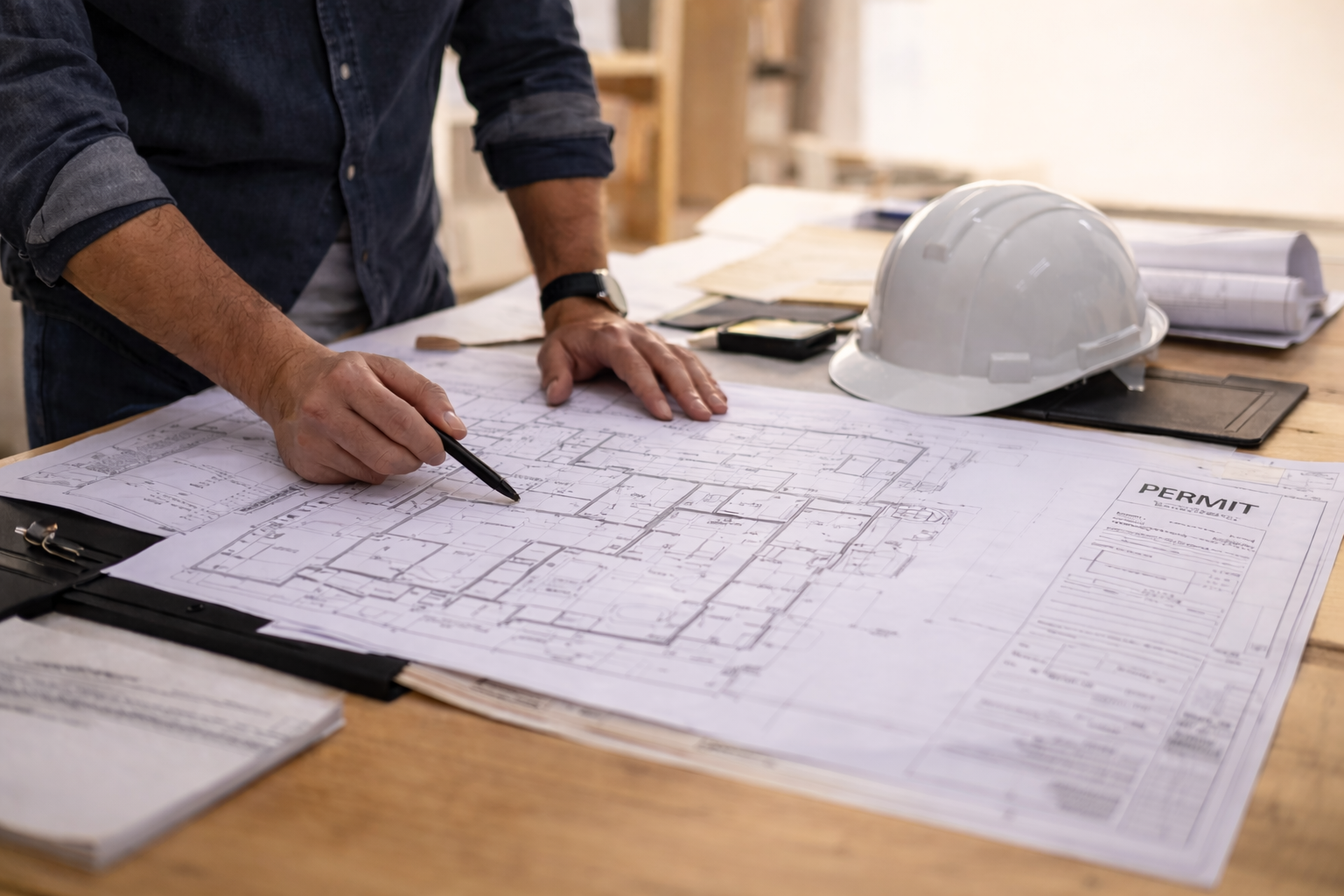
Altadena is an unincorporated area of Los Angeles County, which means permitting is handled by LA County Public Works and Regional Planning rather than a city department.
The county has implemented disaster-recovery protocols to prioritize fire rebuilds, often processing these applications faster than standard remodels or new construction projects. For many homeowners, permit review timelines are significantly shorter than in past recovery cycles.
Like-for-Like Rebuilds vs. Custom Rebuilds
Like-for-Like Rebuilds
Rebuilding a home with the same footprint and square footage typically qualifies for expedited review. Because zoning conditions already existed, the county treats these projects as replacements rather than entirely new developments.
Additional tools may further streamline the process, including:
Pre-approved plan options
Digital plan-check systems
AI-assisted error detection during submission
Custom Rebuilds
If you change the footprint, add square footage, or reconfigure major structural elements, your project will undergo a full plan review. While this takes longer, it allows you to design a home that better fits your current lifestyle rather than recreating an outdated layout.
In Altadena, custom rebuilds may also involve reviews related to setbacks, height limits, and neighbor privacy, especially on hillside lots.
Designing a Fire-Resistant Home
California’s building codes now place heavy emphasis on wildfire resilience, particularly in Wildland-Urban Interface (WUI) zones. While some newer codes may be temporarily suspended to speed recovery, core fire-safety requirements remain firmly in place.
The goal is not only to rebuild quickly, but to rebuild smarter.
Meeting Chapter 7A Ember-Resistant Standards
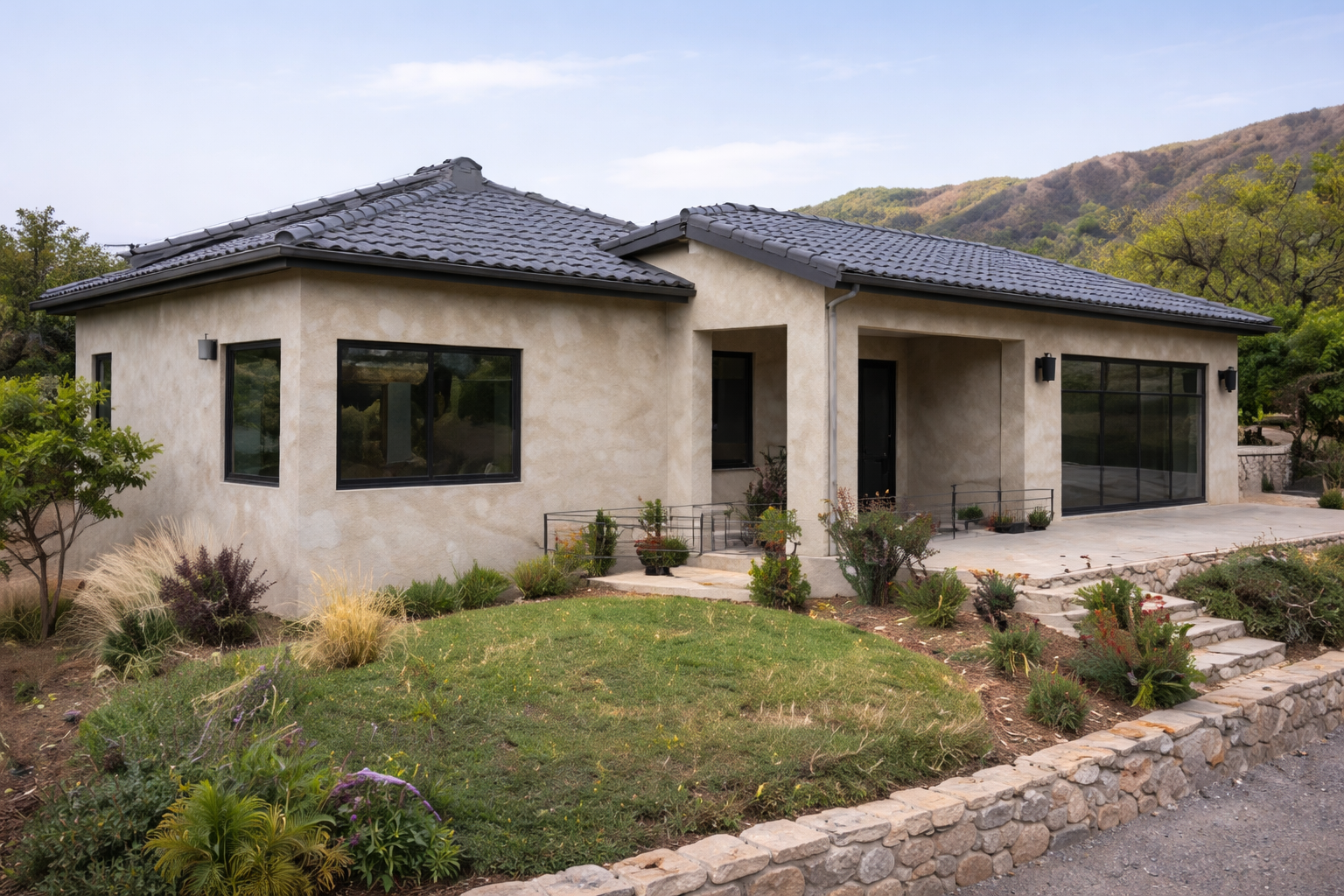
Embers not flames are often the biggest threat during wildfires. Chapter 7A addresses this risk directly by requiring construction methods that prevent embers from entering the home.
Common requirements include:
Ember-resistant vents
Non-combustible siding such as stucco or fiber cement
Multi-pane tempered windows
Enclosed eaves and protected roof assemblies
These features significantly reduce the likelihood of ignition during future fire events.
Solar, Sprinklers, and Modern Requirements
Most new homes in California must comply with Title 24 energy standards, which typically require solar panels. While this increases upfront costs, it lowers long-term energy expenses and improves overall resilience.
Interior fire sprinklers are now mandatory for new builds. These systems activate early in a fire, often containing damage long before emergency responders arrive a critical advantage in foothill neighborhoods with winding access roads.
Hiring the Right Builder for an Altadena Rebuild
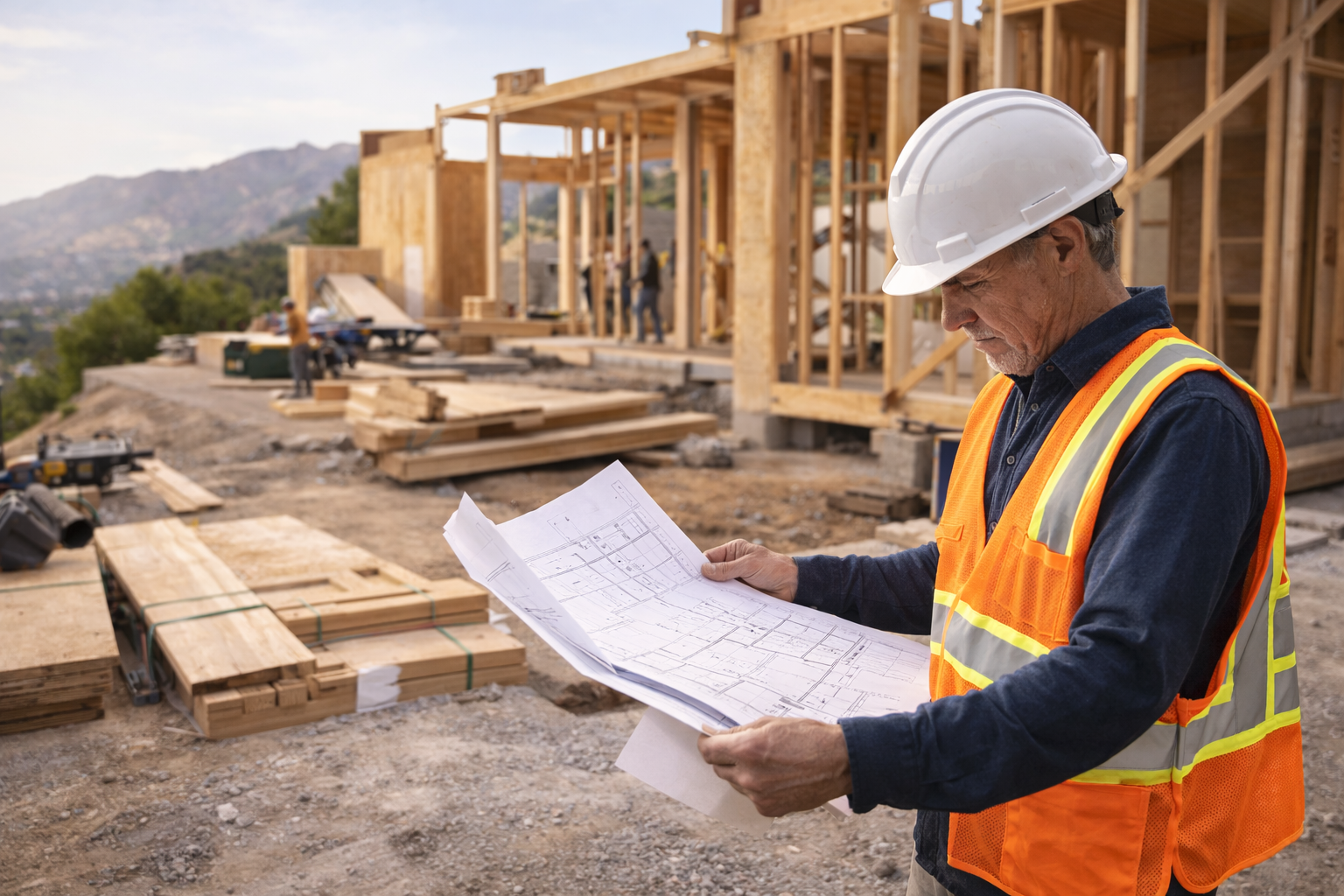
Fire rebuilds are not the same as standard remodels. They require coordination across engineering, permitting, utilities, inspections, and sequencing often under tight insurance timelines.
When evaluating a contractor:
Verify licensing through the California Contractors State License Board
Confirm active insurance and workers’ compensation coverage
Ask for references from past rebuilds or ground-up custom homes
Look for clear communication and realistic timelines
Experience with hillside construction, access limitations, and local regulations is essential.
Reviewing completed work can help homeowners understand a builder’s experience with complex residential projects, from hillside construction to full rebuilds. You can explore examples in our Project Portfolio.
Many rebuilds in Altadena involve terrain and access challenges similar to our hillside residential projects throughout Los Angeles.
Budgeting and Funding the Rebuild
Insurance rarely covers the full cost of rebuilding to modern codes. In addition to construction costs, plan for soft costs such as architectural design, engineering, permits, and inspections, which often total 15–20% of the project.
Some homeowners explore SBA disaster loans or supplemental financing to bridge gaps between insurance coverage and actual rebuild costs. Understanding your full budget early helps avoid difficult decisions mid-construction.
Realistic Timelines for Rebuilding in Altadena
Even with expedited permitting, rebuilding takes time. A typical timeline may look like:
Design & Engineering: 3–6 months
Permitting: 1–3 months
Site Prep & Foundation: 2–3 months
Framing & Systems: 3–4 months
Finishes & Landscaping: 3–4 months
Weather, site conditions, and material availability can all affect schedules, especially during winter months.
Building for Long-Term Resilience
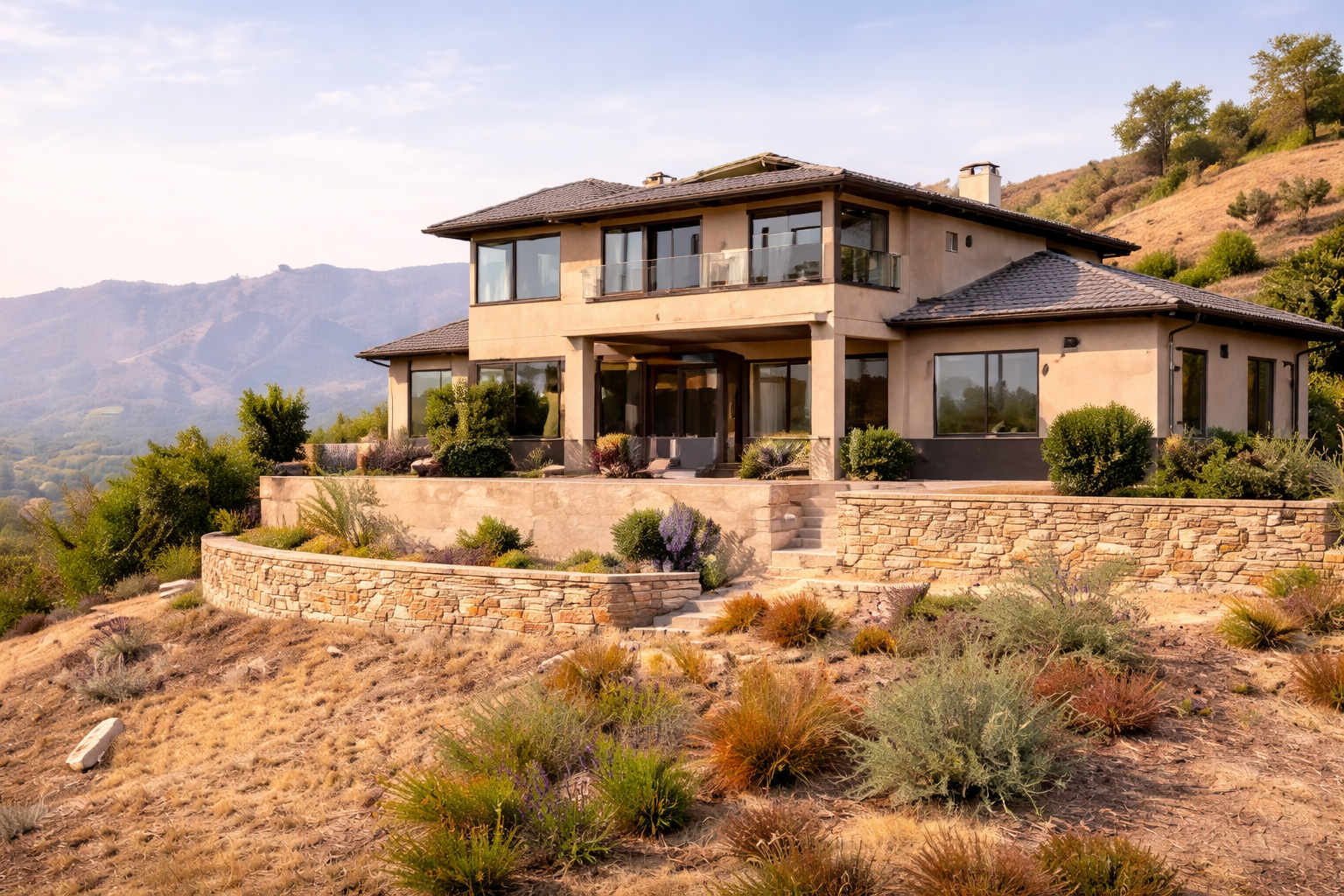
Rebuilding is an opportunity to improve safety and peace of mind. Fire-resistant landscaping, defensible space, non-combustible decks, and durable roofing materials can significantly reduce future risk while also lowering insurance premiums.
The goal is not just replacement it’s resilience.
A Calm, Structured Approach to Rebuilding
Rebuilding after a fire requires more than construction expertise. It requires organization, transparency, and steady communication during a highly emotional time.
At Heart Construction, we approach rebuilds the same way we approach every project: with clarity, thoughtful planning, and respect for the people living through the process. You can learn more about our background and values on Our Story page.
Coordinating design, permitting, engineering, and construction early helps reduce unnecessary delays and allows homeowners to focus on moving forward.
If you are navigating a rebuild and want clear guidance on next steps, we are always open to a conversation — feel free to get in touch with us.
Final Thoughts
Rebuilding in Altadena takes patience, informed decisions, and the right team. While the process can feel overwhelming, today’s permitting pathways and fire-resistant building standards make it possible to create a home that is safer, more comfortable, and better suited to the way you live now.
With the right preparation and support, rebuilding can become not just a recovery, but a meaningful new beginning.