
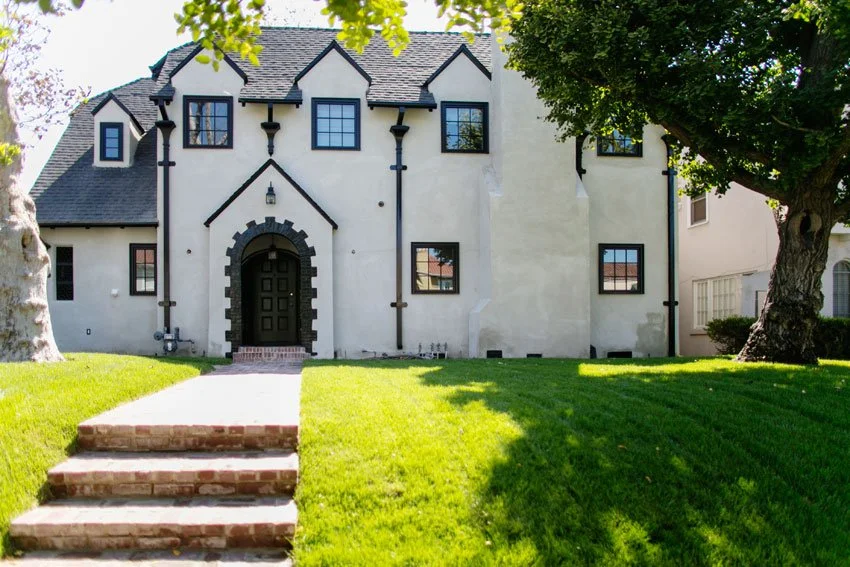
PASADENA CUSTOM HOME BUILDER & GENERAL CONTRACTOR
HISTORIC HOMES. MODERN CRAFT. BUILT WITH INTENTION.
WE DO NOT APPROACH PASADENA AS ANOTHER LOS ANGELES JOB
One of the most architecturally significant cities in Southern California, Pasadena is home to some of the finest Craftsman, Spanish Colonial, and Mediterranean Revival residential architecture in the country neighborhoods where the housing stock itself is part of the city's identity, and where building requires preparation that most contractors are not equipped to provide.
Most contractors treat Pasadena like a standard Los Angeles permit market. They submit plans, discover historic review requirements later, and spend the next several weeks reconciling issues that should have been addressed before design was finalized.
That is not how we work.
Pasadena has its own Building and Safety Division, its own permit process, and its own historic review requirements for landmark and contributing structures. Projects move more efficiently when feasibility, structure, and review requirements are understood from the beginning.
Pasadena's neighborhoods are not interchangeable. Craftsman bungalows in Bungalow Heaven, estate homes in Oak Knoll, hillside properties in San Rafael, and Spanish Colonial homes in Madison Heights all bring different constraints. Treating them as the same is where projects stall.
We have built, remodeled, and added to homes throughout Oak Knoll, Bungalow Heaven, Garfield Heights, San Rafael, Madison Heights, Hastings Ranch, Historic Highlands, and Washington Square. We know which properties trigger historic review, what geotechnical conditions hillside parcels require, and how to prepare submissions that move cleanly through the city's plan check process.
That is what building in Pasadena actually requires.
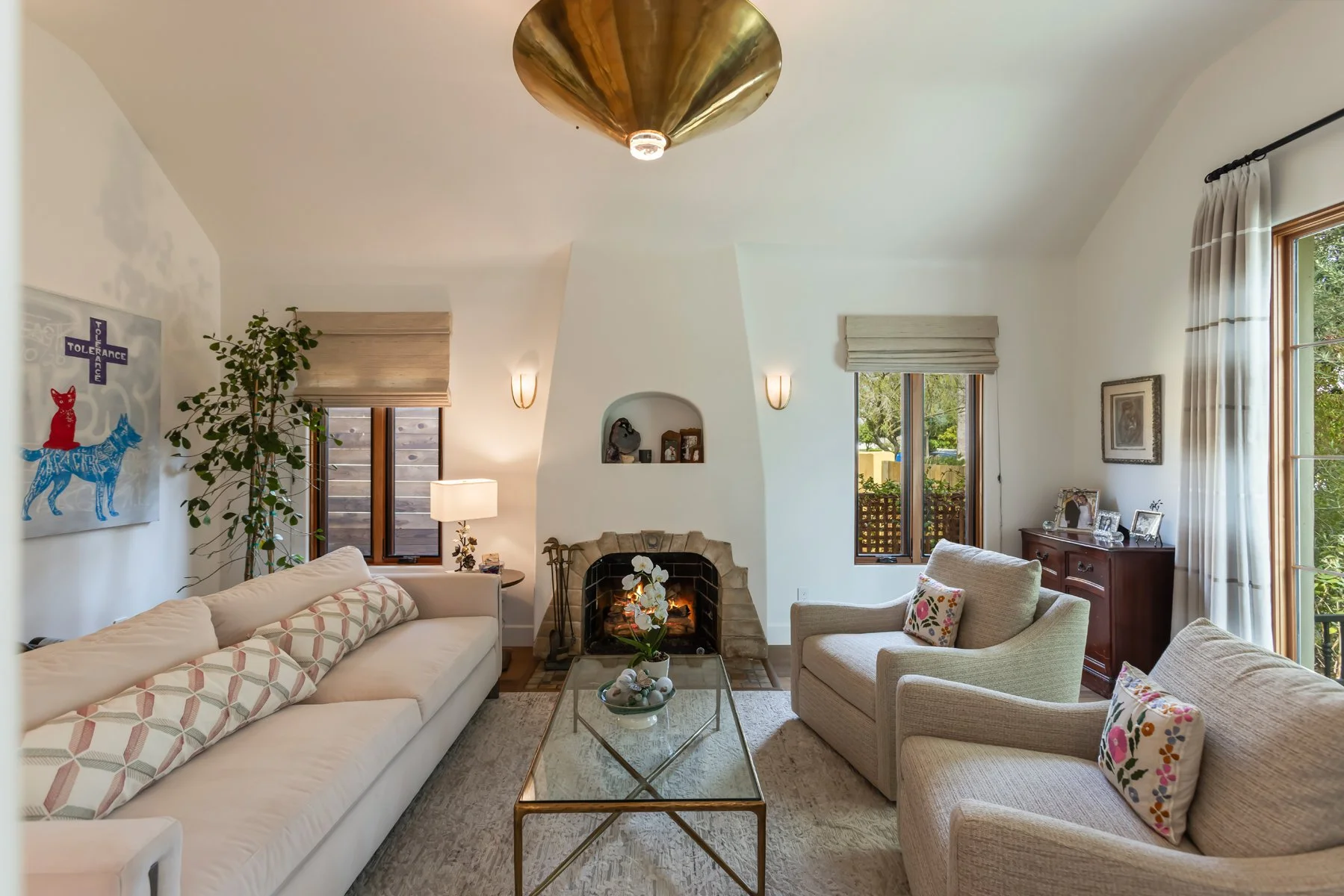
WHAT BUILDING IN PASADENA ACTUALLY REQUIRES
Pasadena is its own regulatory and architectural environment specific to this city in ways that most contractors are not prepared for.
Projects in Pasadena move through the City's own Building and Safety Division, not LADBS. Plan review confirms code compliance, drawings, and required supporting documentation but depending on the property, that review may also involve historic preservation, zoning, geotechnical coordination, Title 24 compliance, and wildland-urban interface fire-resistance requirements.
For properties in landmark districts or historic survey areas, historic review runs parallel to the building permit process and if it isn't incorporated from the start, it can require redesign after submission. For hillside parcels and Arroyo-adjacent properties, geotechnical soils reports are standard before foundation design begins. For properties with heritage oaks, tree preservation requirements shape what can be graded and where structures can be placed.
For certain projects, design review or planning coordination may run alongside building plan check, requiring alignment between architectural intent and city expectations early in the process. Projects that arrive without a complete submission package often enter correction cycles that add months to a schedule. We prepare architectural plans, structural engineering, soils coordination, Title 24 documentation, and historic review materials as a single coordinated package before the first set is submitted.
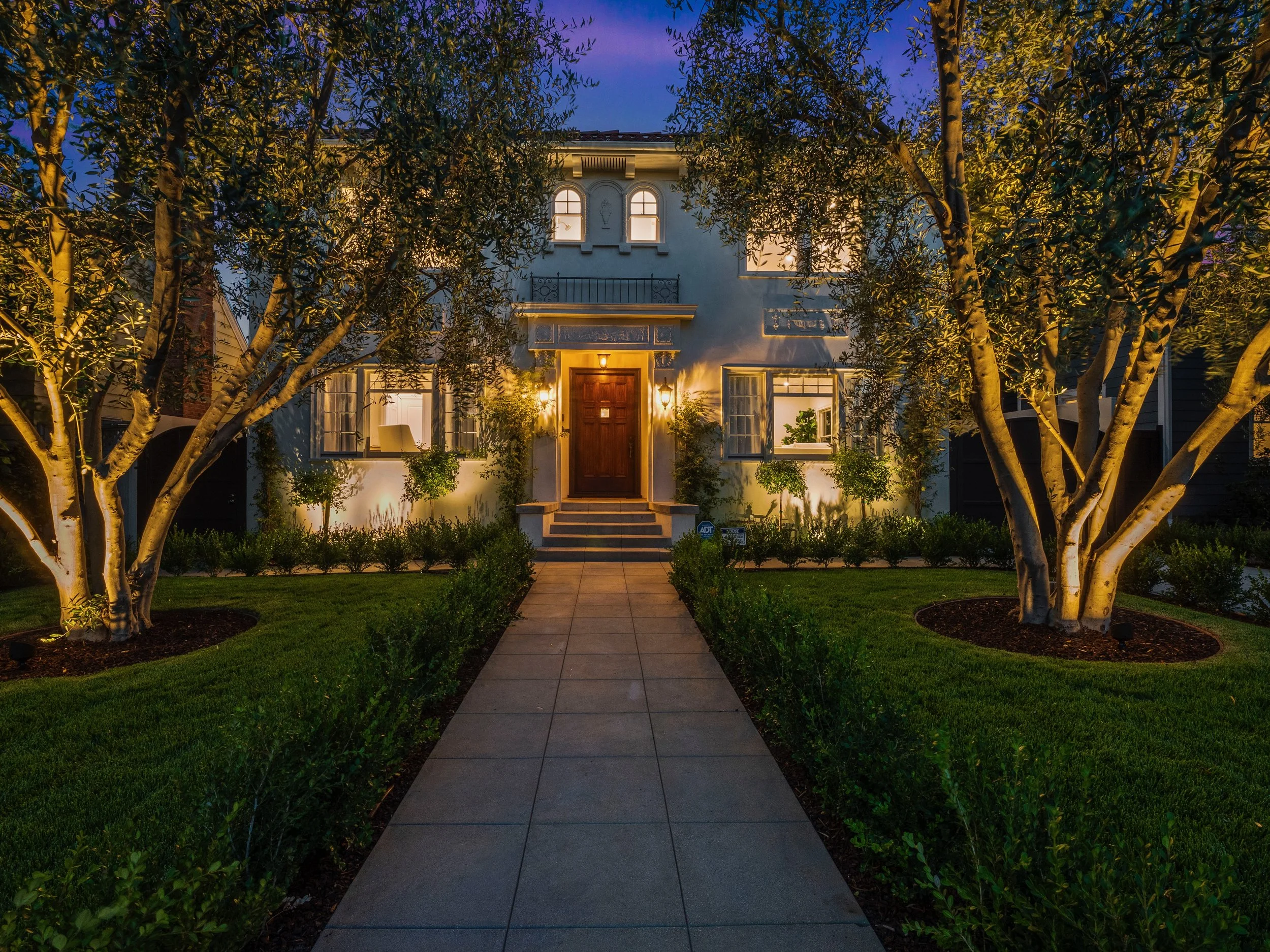
HISTORIC PRESERVATION IN PASADENA
The most common mistake contractors make in Pasadena is treating historic review as a post-design step.
It is not.
In landmark districts and historic survey areas, alterations to contributing structures are reviewed against the Secretary of the Interior's Standards for Rehabilitation. That review affects material selection, window replacement, exterior modifications, and additions. If a contractor advances drawings without understanding the historic status of the property, the project can end up in a redesign after submission.
We review historic status before design begins. Where Historic Preservation Commission review applies, those requirements are built into the design brief before schematic drawings advance. The city permit track and the historic review track move in parallel not in sequence.
That is how projects stay on schedule here.
UNDERSTANDING PASADENA NEIGHBORHOOD BY NEIGHBORHOOD
Pasadena is not uniform. The construction reality in Oak Knoll is different from Bungalow Heaven, which is different from San Rafael and what a project requires depends heavily on which street the property sits on.
Oak Knoll
One of Pasadena's most architecturally prestigious neighborhoods, known for estates associated with Greene & Greene, Myron Hunt, Sylvanus Marston, and Wallace Neff. Lot sizes here often support outdoor living, pools, and guest structures, but the architectural pedigree means design decisions carry real weight. Many properties here are older and require careful structural evaluation before scope is finalized. In Oak Knoll, a realistic project starts with understanding the existing structure, not with the rendering.
Bungalow Heaven and Garfield Heights
Bungalow Heaven is a National Register Historic District with more than 800 Craftsman bungalows built between 1900 and 1930. Garfield Heights is Pasadena's second official Historic Landmark District. Work on contributing structures in these neighborhoods is reviewed against the Secretary of the Interior's Standards for Rehabilitation affecting what can be modified, how it can be modified, and what materials are appropriate. We incorporate historic preservation requirements into the design brief before schematic drawings begin, not after plan check submission.
San Rafael
A hillside neighborhood with secluded parcels, dramatic mid-century homes, and sweeping views of the city, mountains, and Arroyo Seco. Grade changes, retaining walls, and drainage routing are major project variables here. Geotechnical soils reports are standard before foundation design begins. For many San Rafael properties, the right foundation approach is just as important as the architecture itself.
Madison Heights
Developed primarily in the 1910s and 1920s, Madison Heights includes a mix of luxury estates and character homes in Spanish Colonial, Tudor, English Cottage, and Craftsman styles. Many homes here are strong candidates for comprehensive modernization kitchen reconfiguration, primary suite expansion, full exterior refresh. Early structural evaluation is essential because framing conditions in homes of this era often require correction once walls are opened.
Hastings Ranch
Developed in phases from the late 1940s through the early 1950s, Hastings Ranch includes more accessible lots with relatively forgiving topography. These homes are often strong candidates for full interior reconfiguration, second-story additions, and ADU construction. Structural evaluation of mid-century framing before design advances helps protect both budget and schedule.
Historic Highlands and Washington Square
Craftsman, Bungalow, Spanish, and Prairie-style homes built primarily between 1910 and 1940. Even when a property is not individually landmarked, the surrounding neighborhood character influences design expectations. Projects that respect the architectural language of the neighborhood tend to move through review more smoothly.

WHAT HOMEOWNERS DISCOVER ABOUT BUILDING IN PASADENA
Most Pasadena projects don't become complicated because of construction they become complicated because of when certain realities surface.
The most common is historic review status. Homeowners planning additions or exterior modifications sometimes assume that because their property isn't individually landmarked, historic review doesn't apply. In Pasadena, that assumption regularly proves incorrect. Contributing structures within a historic district even without individual landmark designation are subject to review under the Secretary of the Interior's Standards for Rehabilitation. When that's discovered after architectural drawings have advanced, it means revising material selections, window specifications, and in some cases the entire exterior scope of the addition.
We saw this on one Bungalow Heaven project where the homeowners had engaged an architect and advanced through schematic design before historic status was formally confirmed. The proposed addition used contemporary fenestration and cladding materials that didn't meet the Standards. The redesign required new window specifications, revised exterior detailing, and a resubmission to the Historic Preservation Commission adding several months to a project that had been well-conceived from the start. The delay was entirely preventable.
For hillside properties in San Rafael, the parallel discovery is geotechnical. Foundation assumptions made without a soils report regularly require revision once actual site conditions are documented. On sloped lots with drainage complexity, that revision can cascade into structural redesign and grading plan changes that affect the entire project scope.
None of this makes Pasadena the wrong place to build but it does make early evaluation essential. That's why every project we take on begins with feasibility before design.
SERVICES WE DELIVER ACROSS PASADENA
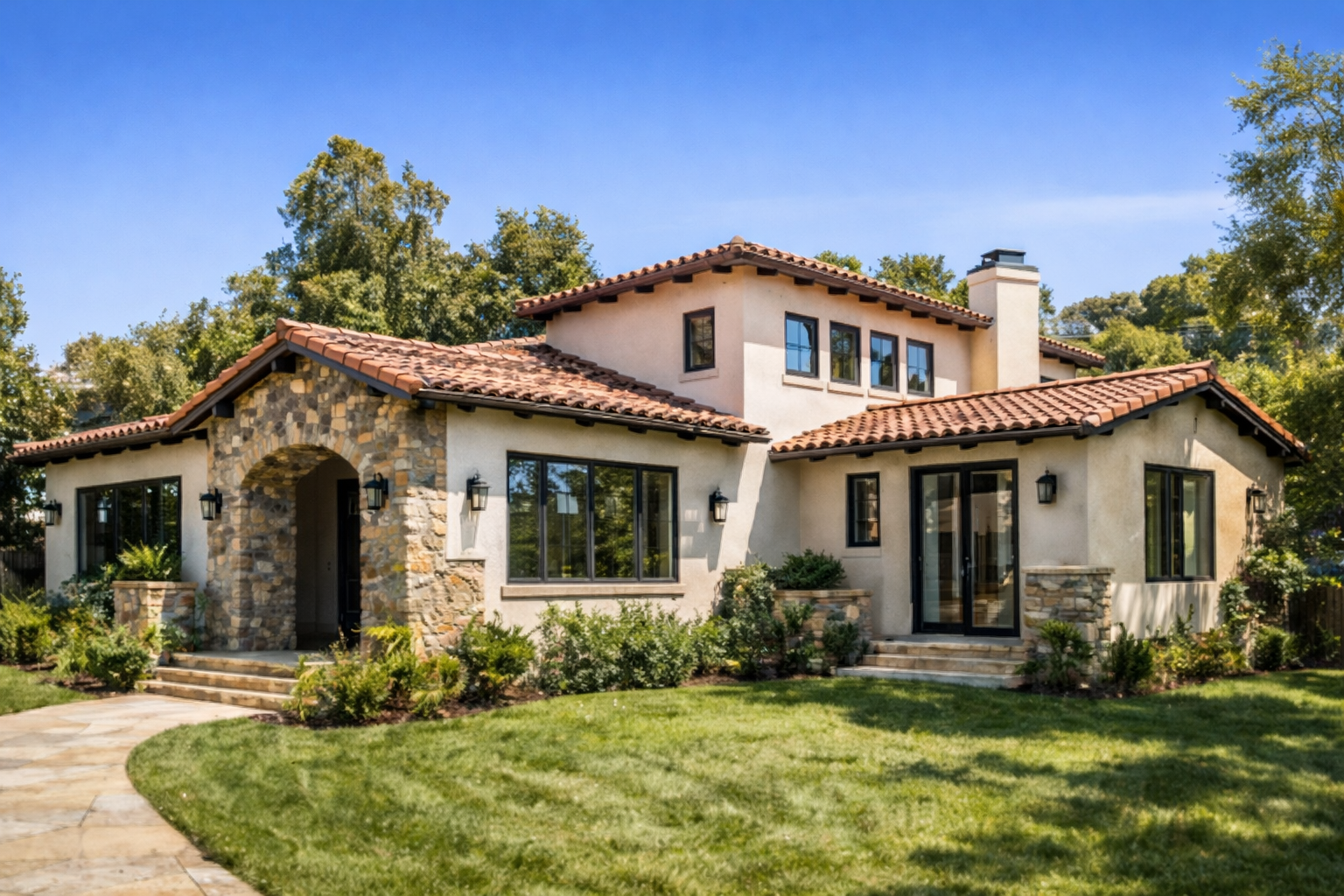
Custom Home Construction in Pasadena
Building a custom home in Pasadena begins with understanding what the lot actually allows and what the regulatory environment requires before design begins.
Hillside parcels in San Rafael require geotechnical coordination before architectural drawings advance. Flat lots in Hastings Ranch and Madison Heights require zoning envelope validation before schematic design moves forward. Properties near historic districts require preservation review before design is committed. When those factors are resolved early, custom homes in Pasadena move through design, permitting, and construction far more efficiently.

Full Home Remodeling in Pasadena
Many Pasadena homes were built between 1900 and 1950 on exceptional lots with architectural character, mature landscaping, and neighborhood presence that newer construction rarely matches.
Our remodel work focuses on bringing those homes forward opening layouts toward the rear yard, modernizing systems behind the walls, and creating interiors that respect the architectural language of the original structure. Because these homes often carry historic status or post-war framing conditions, structural evaluation happens before demolition begins.
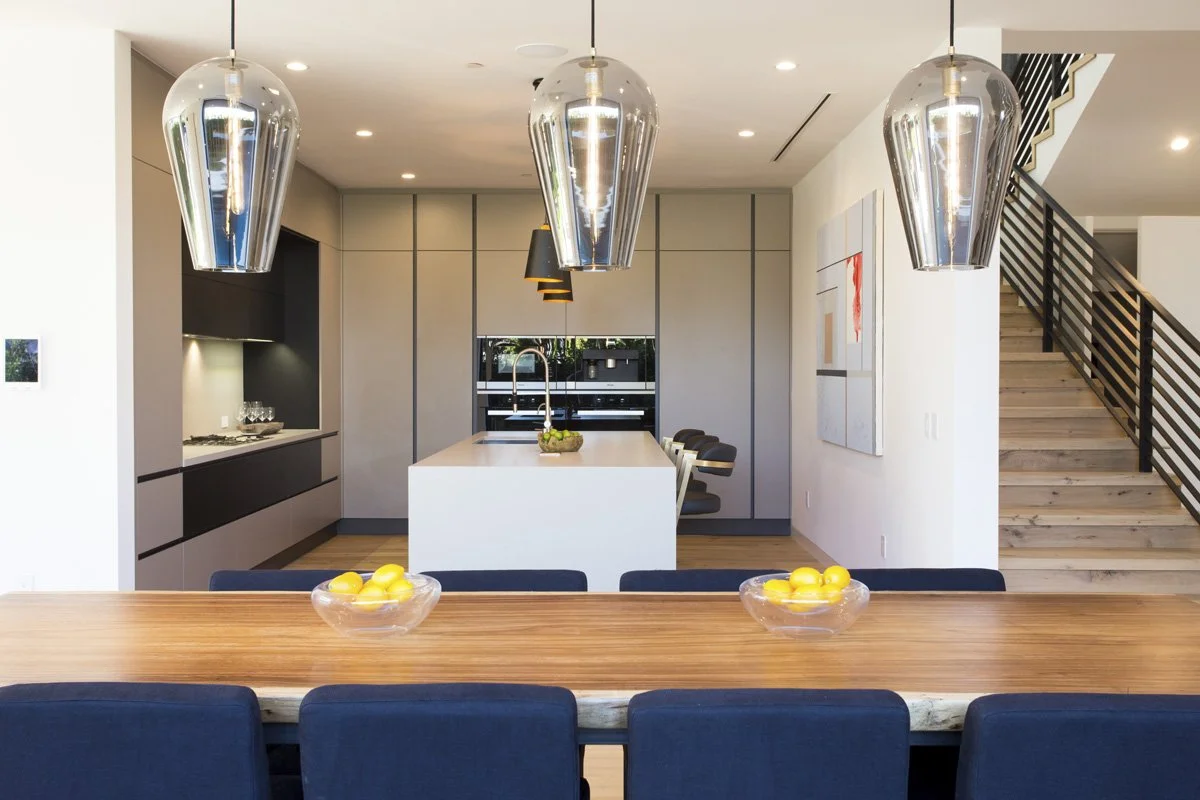
Kitchen Remodeling in Pasadena
The kitchens we redesign in Pasadena almost always become the center of the home open to the living spaces, connected to the rear yard, designed for how families actually gather.
Craftsman layouts were compartmentalized by design. Opening those spaces involves structural beam work and, in historic structures, material selections that may require Historic Preservation Commission review. Resolving structural and historic scope first ensures the kitchen design can be executed exactly as planned.
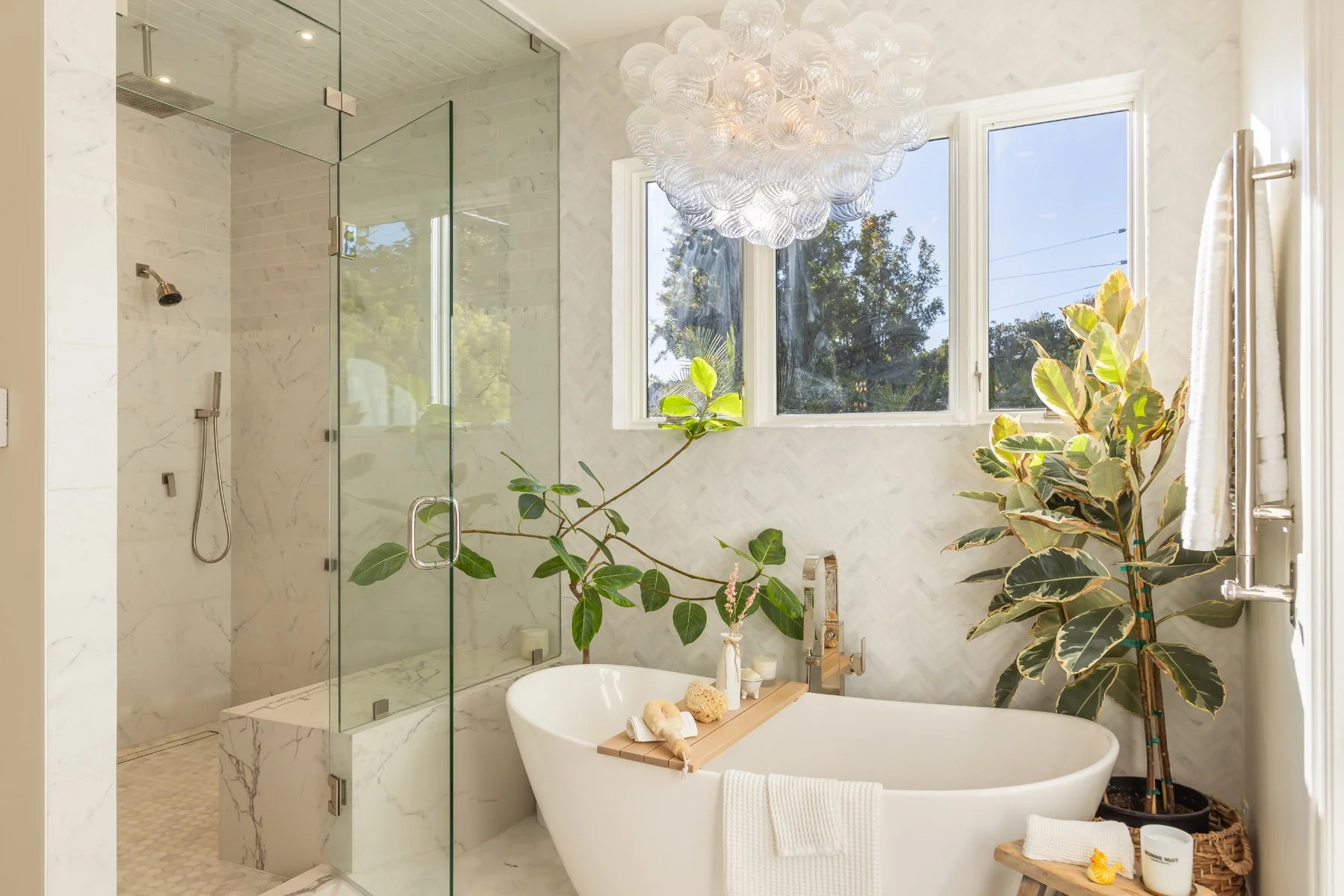
Primary Bathrooms in Pasadena
Primary bathroom remodels in Pasadena's older homes often involve more than finishes. Plumbing systems in early 20th-century construction frequently require full replacement and a remodel becomes the right moment to address them rather than work around them.
Upgrading infrastructure early allows for steam showers, radiant heated floors, frameless glass enclosures, and custom millwork without compromising the structure of the home.
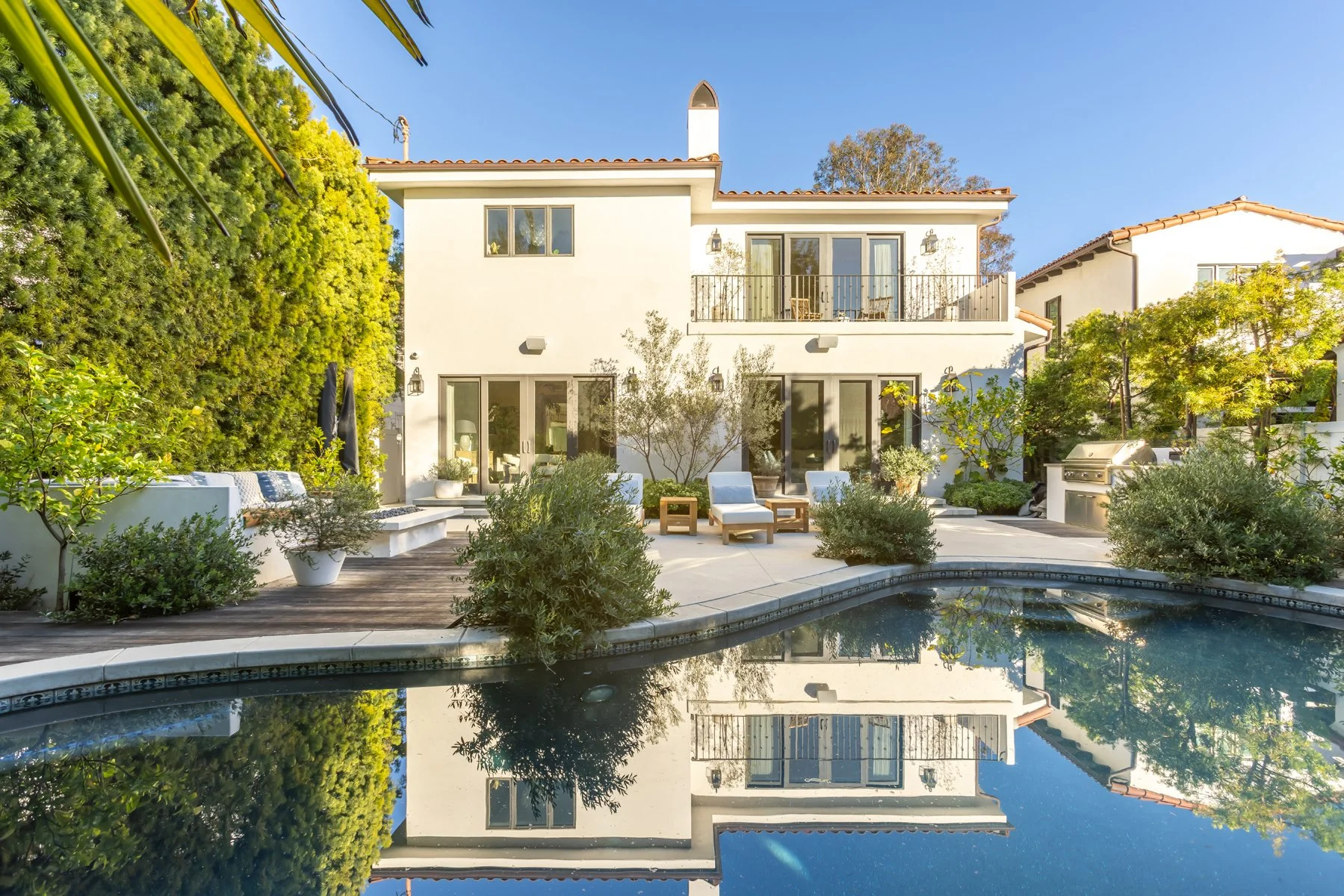
Outdoor Living in Pasadena
Pasadena's climate makes outdoor space functional square footage year-round. Pools, covered patios, outdoor kitchens, and fire features are designed as natural extensions of the interior positioned to take advantage of the lot, the views, and the mature landscaping that defines Pasadena's residential character.
For hillside properties, drainage and retaining wall engineering are coordinated as part of the site plan from the beginning, not handled separately after construction starts.
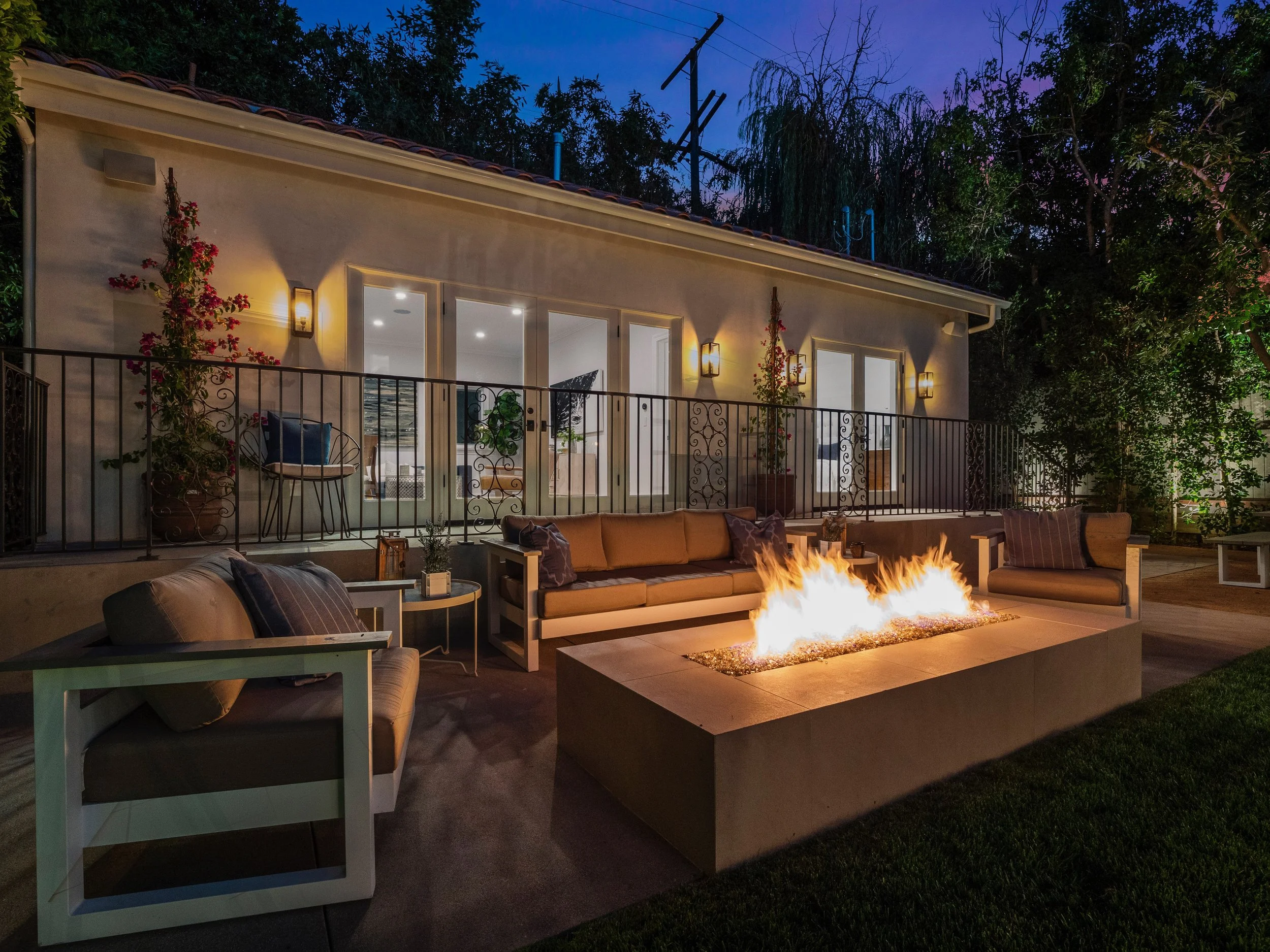
ADUs in Pasadena
ADU feasibility in Pasadena varies significantly by neighborhood and lot configuration. Hastings Ranch and other flat-lot neighborhoods often provide favorable configurations for detached ADUs. Hillside parcels in San Rafael require slope, drainage, and grading feasibility review before design is committed. Properties in historic districts require evaluation of whether ADU placement and design will trigger historic review.
When planned correctly, an ADU adds flexible living space while preserving the character and function of the main home.
DESIGNING HOMES IN PASADENA
Pasadena homes aren't just properties they carry architectural history that deserves to be handled carefully. The character these neighborhoods have built over more than a century is part of what makes them worth investing in, and it shapes how every project here should be approached.
The Craftsman tradition that defines Bungalow Heaven and much of Pasadena's historic core is built around a particular relationship between interior and exterior covered porches that function as outdoor rooms, materials that connect the building to its landscape, proportions that feel earned rather than imposed. The best remodels and additions in these neighborhoods honor that language. They extend it rather than work against it.
In Oak Knoll and Madison Heights, the work is different in scale but consistent in ambition. Estate homes here were designed by architects who understood that a house's relationship to its lot its orientation, its setbacks, its approach is as important as the rooms inside. Additions and renovations that ignore that context rarely improve the property. Those that respect it consistently do.
In San Rafael, the mid-century modern tradition is still present in the bones of many homes. Flat rooflines, glass walls, rooms oriented toward the view. The hillside terrain and the view corridors these properties command are part of the architecture and the best work here takes that seriously.
Many Pasadena projects begin with an architect already engaged. We enter during design development historic status confirmed, structural feasibility evaluated, geotechnical scope understood, budget calibrated so the design being refined is the one that will actually be built and approved.
That approach is at the core of how we work. Learn more at our design-build page.
HOW WE OPERATE
In Pasadena, preparation is not optional.
Every project begins with feasibility before architectural commitment.
Historic status confirmed, structural conditions evaluated, geotechnical scope understood where applicable, zoning envelope validated, budget aligned. Permit documentation and any required historic review move in parallel from the start.
When the housing stock carries the architectural significance that Pasadena's does, preparation is what keeps a project on schedule.
We call this Build with Intention.
RECENT PROJECTS
-
![Alt text: historic home in Hancock Park at dusk with landscaped walkway, symmetrical facade, and warm entry lighting]()
HANCOCK PARK
-
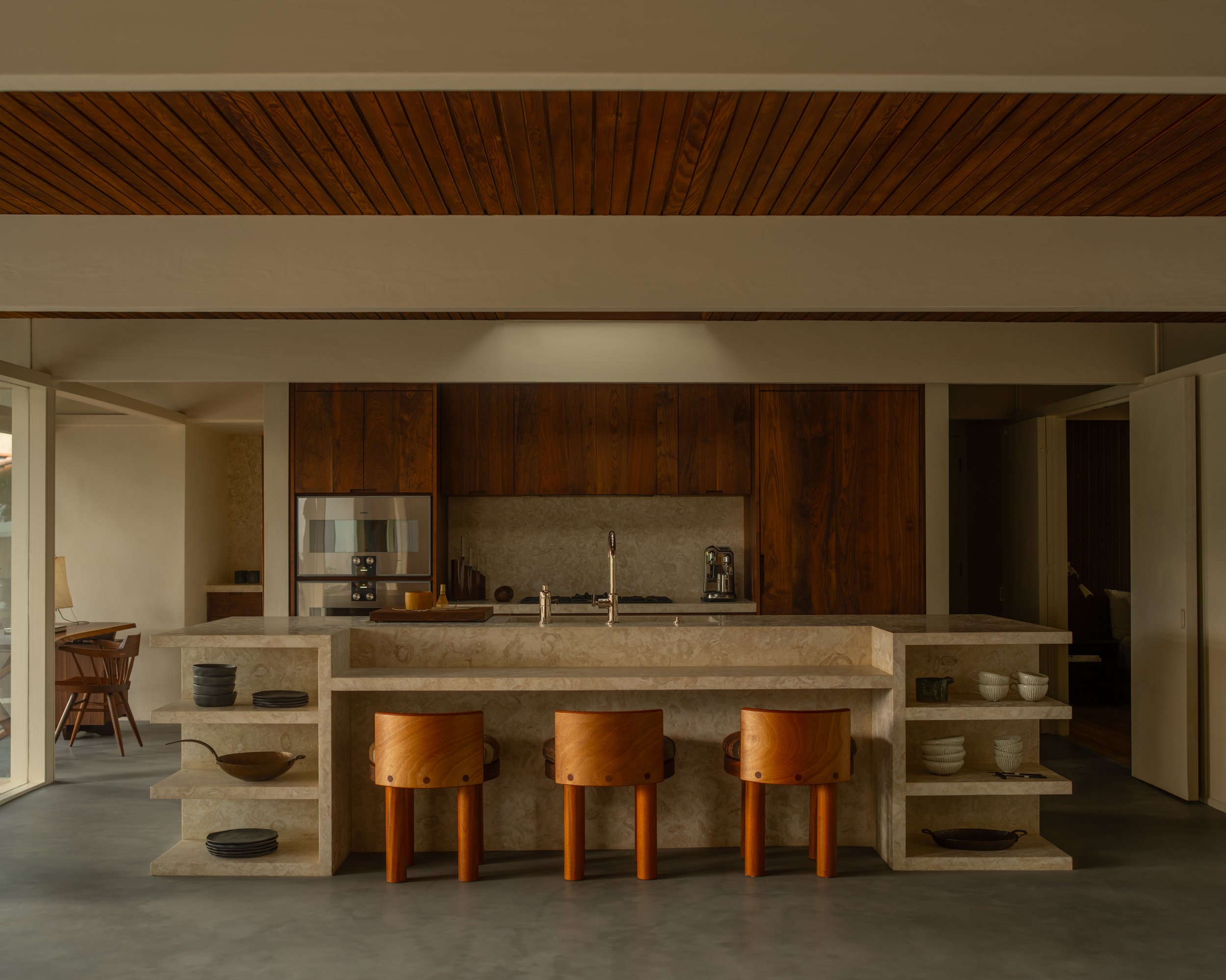
![luxury custom kitchen with stone island, wood cabinetry, and modern bar seating in La Cuesta Los Angeles home]()
LA CUESTA
-
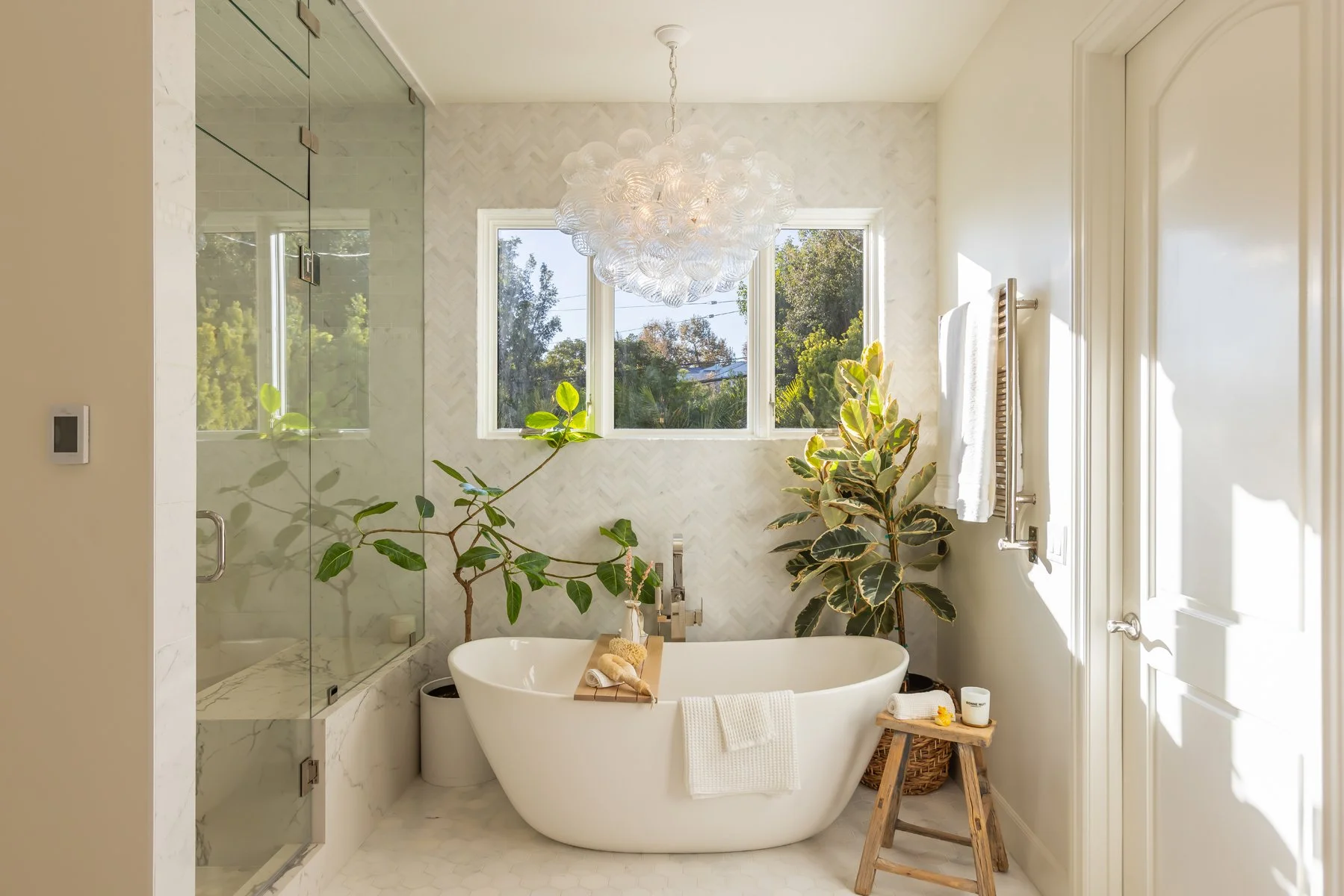
![BRENTWOOD luxury bathroom with freestanding soaking tub, marble walk-in shower, herringbone tile walls, and sculptural glass chandelier framed by natural light and greenery views.]()
BRENTWOOD
-
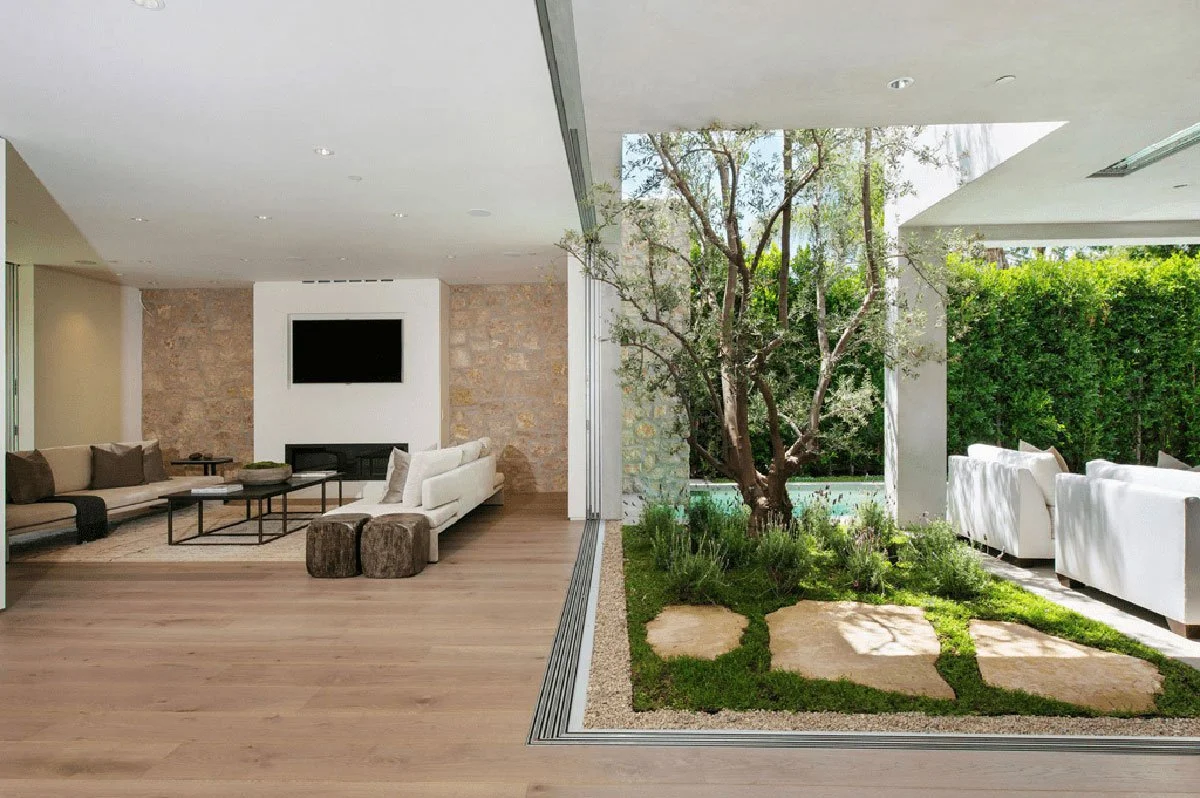
![Modern West Hollywood courtyard home with glass walls opening to a landscaped interior garden and bright minimalist living space.]()
WEST HOLLYWOOD COURTYARD
-
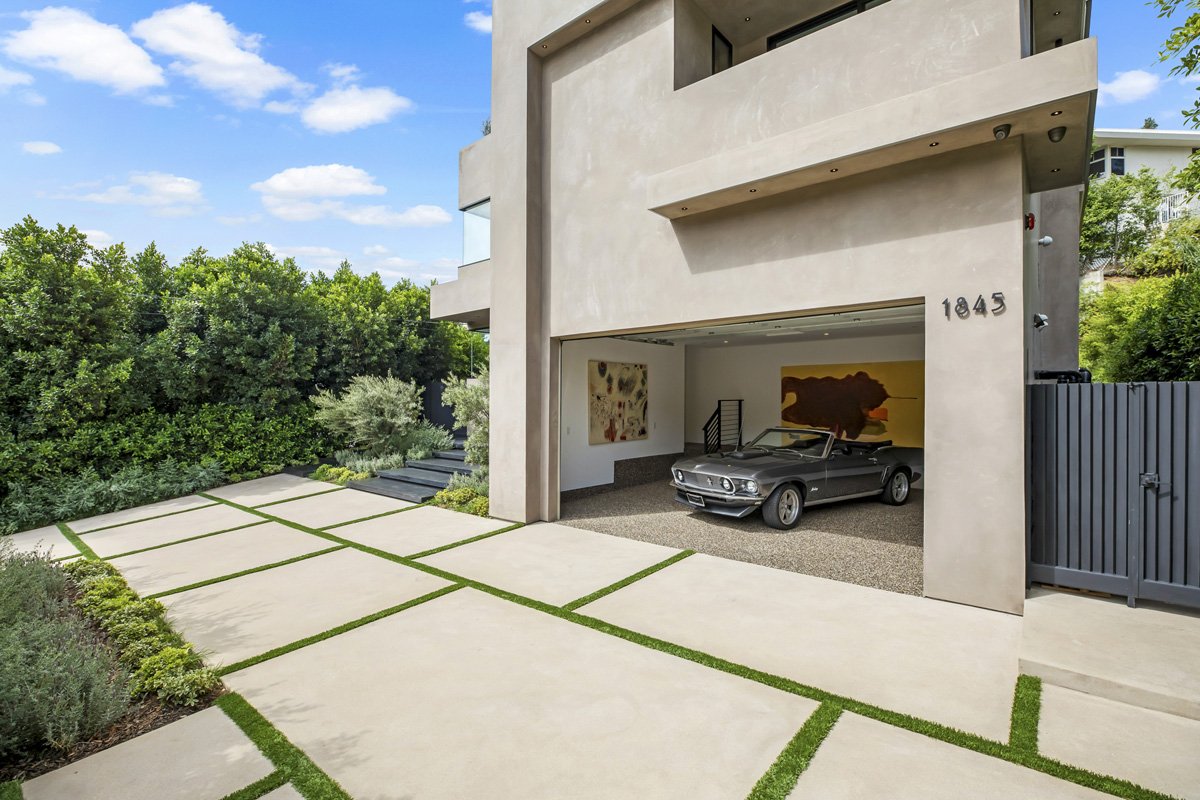
![Modern Beverly Hills home exterior with open garage and contemporary driveway design]()
BEVERLY HILLS
-
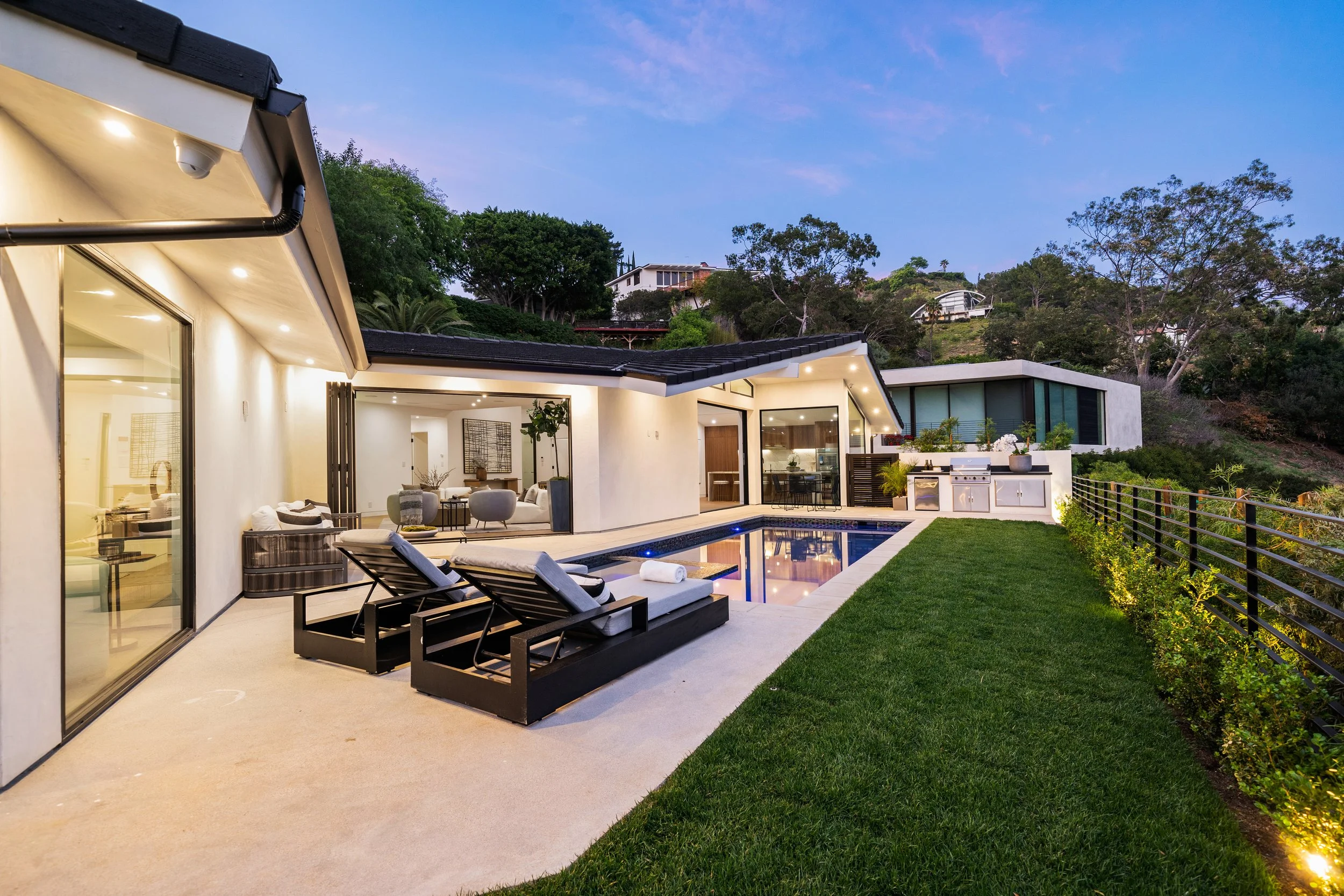
![modern Hollywood Hills custom home with backyard pool, outdoor lounge seating, and indoor outdoor living design]()
HOLLYWOOD HILLS
-
![historic Tudor home in Hancock Park with stucco facade, arched entry, and preserved architectural details]()
HUDSON
-
Custom homes typically range from $600–$950+ per square foot, depending on lot conditions, hillside engineering, historic district involvement, and finish level. Properties requiring Historic Preservation Commission or Design Commission review add pre-construction time that should be factored into the overall timeline.
-
Whole-home remodels generally range from $400–$700+ per square foot, depending on structural scope, system replacement requirements, historic preservation constraints, and finish specifications.
-
Kitchen remodels typically range from $90,000–$240,000+, depending on layout changes, structural modifications, historic review requirements, and materials.
-
Primary bathroom remodels generally range from $45,000–$130,000+, depending on plumbing relocation, waterproofing scope, radiant heating, steam integration, and finish level.
-
Detached ADUs typically range from $280,000–$500,000+, depending on size, lot conditions, hillside grading requirements, and finish level.
-
Yes — but the design of the addition must be compatible with the character of the original structure and the surrounding district. Alterations to contributing structures are reviewed against the Secretary of the Interior's Standards for Rehabilitation, which governs materials, proportions, window placement, and how the addition relates to the primary facade. We assess historic compatibility before design begins so the addition is designed correctly from the start.
-
Historic review is triggered when a property is individually landmarked, located within a designated historic district such as Bungalow Heaven or Garfield Heights, or identified as a contributing structure in Pasadena's historic survey. Even properties without individual landmark designation can be subject to review if they contribute to the character of a protected district. We confirm historic status as part of our standard pre-construction feasibility review — before design begins.
-
Properties that are individually landmarked, located within a historic district, or identified as contributing structures in Pasadena's historic surveys may require Historic Preservation Commission review for exterior alterations, additions, and in some cases interior modifications visible from the public right-of-way. We assess historic status before design begins.
-
No. Pasadena has its own Building and Safety Division and its own permit process. Projects move through the City of Pasadena's plan check process with local code amendments, inspection scheduling, and review timelines.
-
From permit issuance to completion, most custom homes take 14 to 20 months. Pre-construction — including geotechnical coordination, historic review where applicable, and city plan check — typically adds 4 to 8 months before construction begins.
-
Major remodels typically take 6 to 12 months after permits are issued, depending on structural scope, historic review requirements, and material lead times.
-
Yes. Many Pasadena projects begin with an architect already engaged. We provide structural feasibility input, historic district assessment, geotechnical coordination, and budget calibration during design development — before the permit set is submitted — so architectural intent and permit requirements are aligned from the beginning.
FREQUENTLY ASKED QUESTIONS ABOUT BUILDING IN PASADENA
For homeowners researching rebuild timelines, permitting requirements, and realistic construction budgets, we’ve created detailed guides that explain the process clearly and practically.
Explore:
These resources break down structural considerations, approval timelines, and real-world budget ranges to help you plan with clarity.
Explore All Neighborhoods We Serve
Heart Construction builds custom homes and major remodels across Los Angeles — from coastal and hillside communities to estate neighborhoods, valley properties, and urban infill areas.
See how neighborhood context shapes our approach across the city and check where we build
PLANNING A PROJECT IN PASADENA?
Pasadena rewards preparation. Projects that begin with proper feasibility — historic status confirmed, structural conditions evaluated, geotechnical scope understood, and permit strategy mapped — move far more smoothly through design and approvals.
Every Pasadena property is different. A short feasibility conversation can often answer the most important questions before design begins.
You don't need to know the ordinance language before reaching out. That's our job.