
VENICE CUSTOM HOME BUILDER & GENERAL CONTRACTOR
CUSTOM HOMES, FULL REMODELS & WATERFRONT RENOVATIONS BUILT WITH INTENTION ON THE PACIFIC
Venice Is Layered And That’s the Point
Modern glass homes stand beside 1920s bungalows. The Venice Canals open directly to the water. Walk Streets remove cars entirely. Beachfront properties face full ocean exposure year-round.
Homes here need to feel intentional proportioned correctly, durable against the marine climate, and responsive to the character around them.
Venice rewards architecture that belongs.
Building that kind of home requires design sensitivity. It also requires understanding how Venice actually works.
Venice sits within the City of Los Angeles but it operates under the Venice Coastal Zone Specific Plan. That framework governs height, density, setbacks, and neighborhood compatibility. It works alongside standard building permits and, in many cases, coastal review.
When those layers aren’t aligned early, projects don’t just slow down they become reactive.
We align them from the start.
What Building in Venice Actually Requires
Venice has more approval layers than almost any residential neighborhood in Los Angeles. We manage them so you don’t have to discover them mid-project.
All development falls under the Venice Coastal Zone Specific Plan. Projects that add square footage, change height, or modify exterior elements typically require a Coastal Development Permit running parallel to the building permit. Properties closest to the beach and Esplanade may also require review by the California Coastal Commission.
One requirement many homeowners have never heard of is the Mello Act. It requires affordable housing replacement when existing residential units are demolished or converted within the coastal zone.
When that issue is identified late, redesign becomes expensive and timelines reset.
We verify height limits, coastal triggers, and Mello Act implications before architectural drawings advance so design moves forward with clarity.
That preparation is what keeps projects controlled.
Understanding Venice Neighborhood by Neighborhood
Where your property sits in Venice determines what you can build, how tall, and how complex the approval path will be.
The Venice Canals Historic District
Carroll Canal. Linnie Canal. Howland Canal. Sherman Canal. Eastern Canal. Grand Canal.
These canal-front properties operate under specific height and yard restrictions that differ from interior Venice lots. Marine exposure is constant.
Materials that perform well in Brentwood can deteriorate quickly here. Hardware, fasteners, glazing systems, and waterproofing assemblies must be specified for full salt-air conditions during design not after installation.
Canal homes succeed when they balance openness toward the water with restraint from the street privacy and transparency in proportion.
On one canal-front project, we identified that a proposed second-story addition triggered a Specific Plan step-back requirement that hadn’t been accounted for in the architectural drawings. Catching it early prevented a redesign during permit review and kept the timeline intact.
That’s the difference preparation makes.
The Venice Walk Streets
Marco Place. Amoroso Place. Nowita Place. Crescent Place.
Walk Street-fronting properties are limited to 28 feet in height.
Interior Venice lots may allow 30 feet for flat roofs or up to 35 feet with required step-backs.
That means a design that works on an interior lot may need to be reconsidered entirely on a Walk Street parcel.
Because there is no front vehicular access, staging and delivery must be coordinated through rear alleys before construction begins.
Walk Street homes feel best when scale is respected vertical ambition balanced with the intimacy of a pedestrian frontage.
The Beachfront & Esplanade
Properties within 60 horizontal feet of the mean high tide line are limited to 30 feet in height and often fall within Dual Permit Jurisdiction.
That means both the City and the California Coastal Commission may review the project.
Applications must address not only height but public access and view considerations.
Beachfront architecture works when it feels durable and deliberate — not fragile against the elements. Roofing systems, cladding, glazing, hardware, and waterproofing must be designed for constant marine exposure.
Planning that from the beginning prevents failure later.
Abbot Kinney & Interior Venice
Interior Venice typically allows 30 feet for flat-roof structures and up to 35 feet with required step-backs.
Most homes here date from the 1920s through the 1970s. Full remodels often require electrical, plumbing, HVAC, and structural upgrades before layout changes begin.
Interior Venice remodels are often about clarity opening light and flow while respecting the scale of the original structure.
Understanding structural and system realities early keeps budgets aligned.
What Contractors Get Wrong on the Venice Coastal Permit
The approval process in Venice has specific requirements that are easy to miss — and expensive to discover late.
The most common issue is treating the Venice Coastal Zone Specific Plan as a standard zoning code. It isn't. The Specific Plan is a certified Local Coastal Program. A Coastal Development Permit application in Venice must demonstrate that the project is consistent with coastal land use policies — public access, view protection, neighborhood character, and development intensity. An application that doesn't address those elements doesn't get approved. It gets a correction letter that resets the review clock.
The Mello Act is the requirement most often overlooked. When a project involves the demolition or conversion of existing residential units, replacement is required as a condition of approval. That obligation must be identified before design advances — not after entitlements are submitted. It is one of the most expensive issues to discover late in a Venice project.
We identify both before the first sheet is filed.
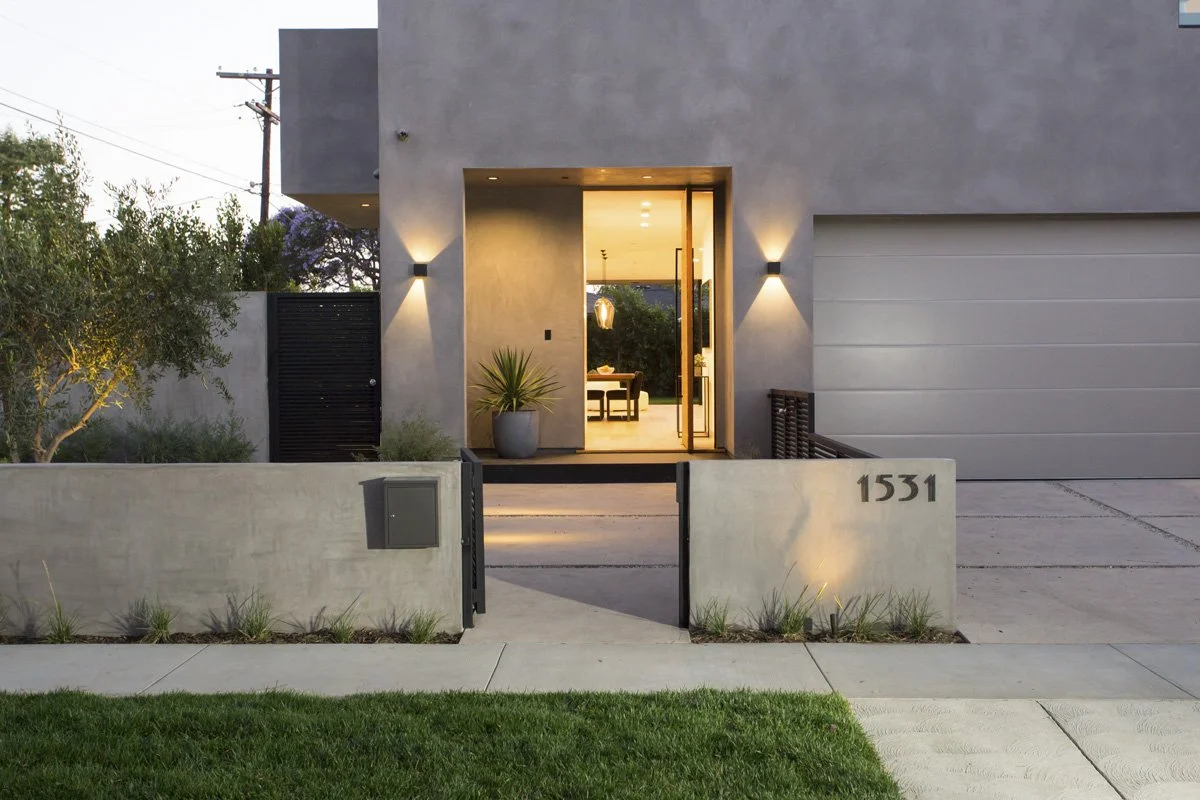
Custom Homes in Venice
Building a new home in Venice begins with understanding what the rules allow on your specific lot before design investment.
Before architectural drawings advance, we confirm which height envelope applies, whether the California Coastal Commission needs to review the project directly, whether Mello Act obligations exist, and whether the proposed scope is consistent with the neighborhood's development parameters. Those answers shape everything that follows.
Our pre-construction framework includes Specific Plan subarea verification, coastal permit preparation running parallel to building permit documentation, marine-grade material specification from the first design meeting, structural engineering alignment before schematic design advances, canal and Walk Street coordination where applicable, and budget calibration before any submission.
Venice rewards homes that feel intentional not oversized or forced. We align architectural ambition with regulatory structure from the first conversation so construction begins without unresolved variables.
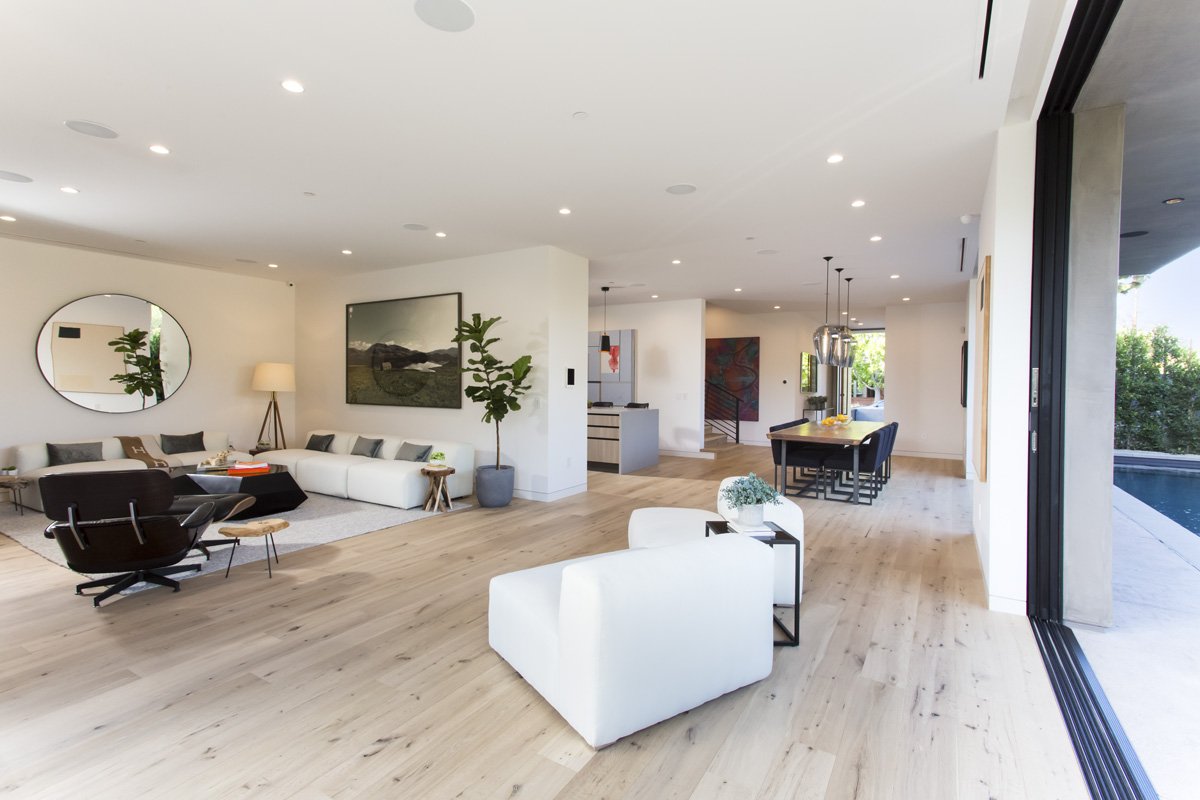
Full Home Remodeling in Venice
A full remodel in Venice almost always involves more than what's visible. Understanding what's inside the walls and what the coastal rules allow is where the work actually starts.
Venice's housing stock was built primarily from the 1920s through the 1970s. That era carries consistent variables aging electrical systems, plumbing that requires full replacement, HVAC configurations that no longer serve reconfigured layouts, and structural framing that must be evaluated before walls are opened.
Exterior modifications that change the facade, roofline, or square footage require Coastal Development Permit review. Interior reconfiguration that doesn't affect the exterior profile typically does not but that distinction must be confirmed before design begins, not after.
We scope system realities early so finish selections and layouts proceed with confidence and budgets don't shift mid-project.
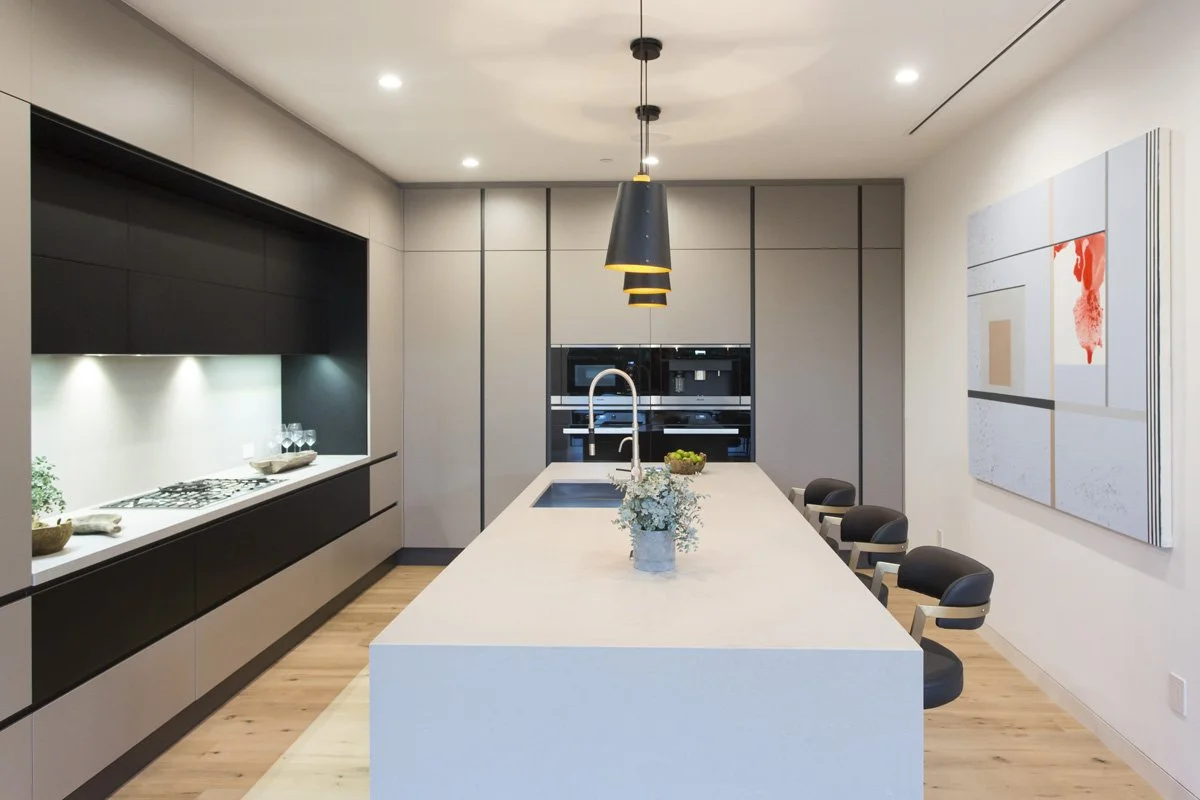
Kitchen Remodeling in Venice
Opening a Venice kitchen almost always involves structural coordination. The layout question and the engineering question have to be answered together.
Kitchens in Venice's older homes were built for a different era of living. Opening compartmentalized layouts to current open-plan configurations requires structural wall removal and engineered beam integration that must be coordinated before cabinet layouts are finalized.
In canal-front and beachfront homes, ventilation systems, hardware, and exterior-adjacent materials must account for marine exposure from the design stage — not after installation.
Well-designed kitchens feel effortless. That effortlessness is built on early coordination between layout, structure, and specification.
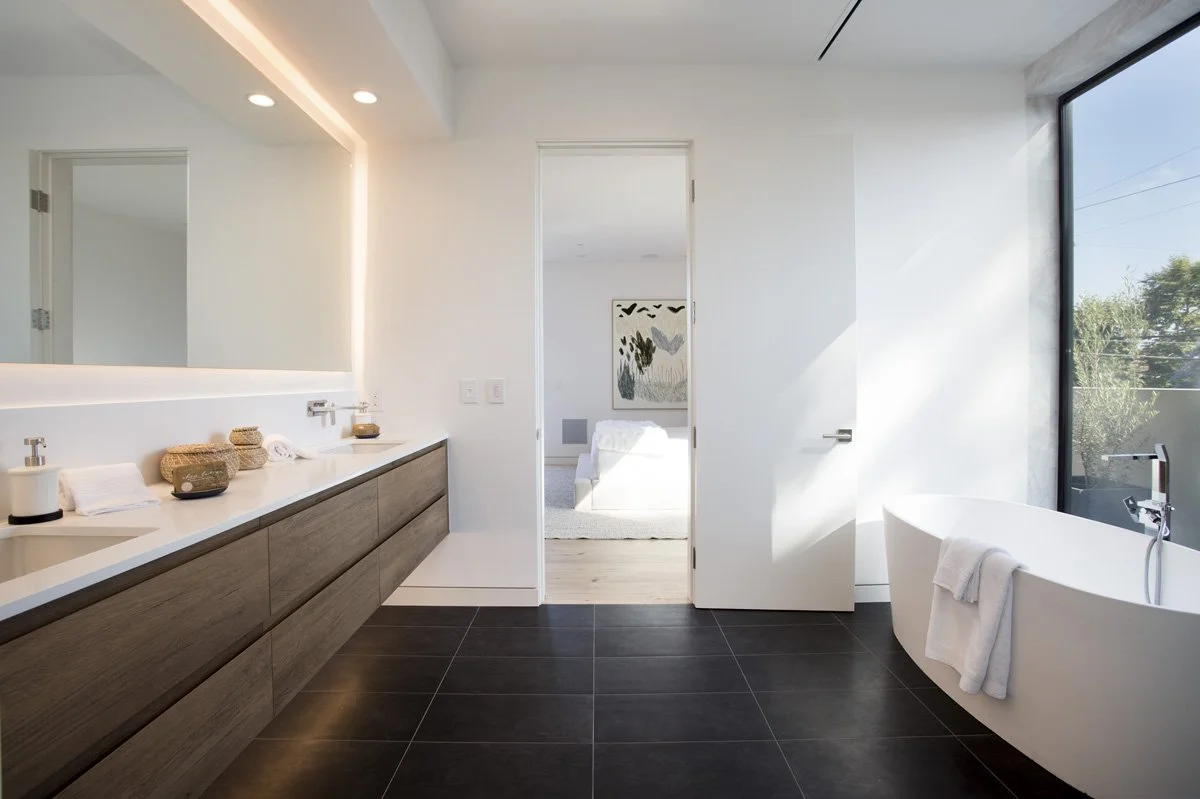
Primary Bathrooms in Venice
Bathroom remodels in Venice's older homes frequently require plumbing replacement before design work can begin.
Waterproofing in a coastal environment must be installed precisely — moisture intrusion accelerates here in ways that are expensive to remediate after finishes are in place.
Steam systems, radiant floors, frameless glass enclosures, and soaking tubs all require coordinated rough-in sequencing before tile work begins. Careful planning at the start prevents corrections that arrive after finishes are installed.
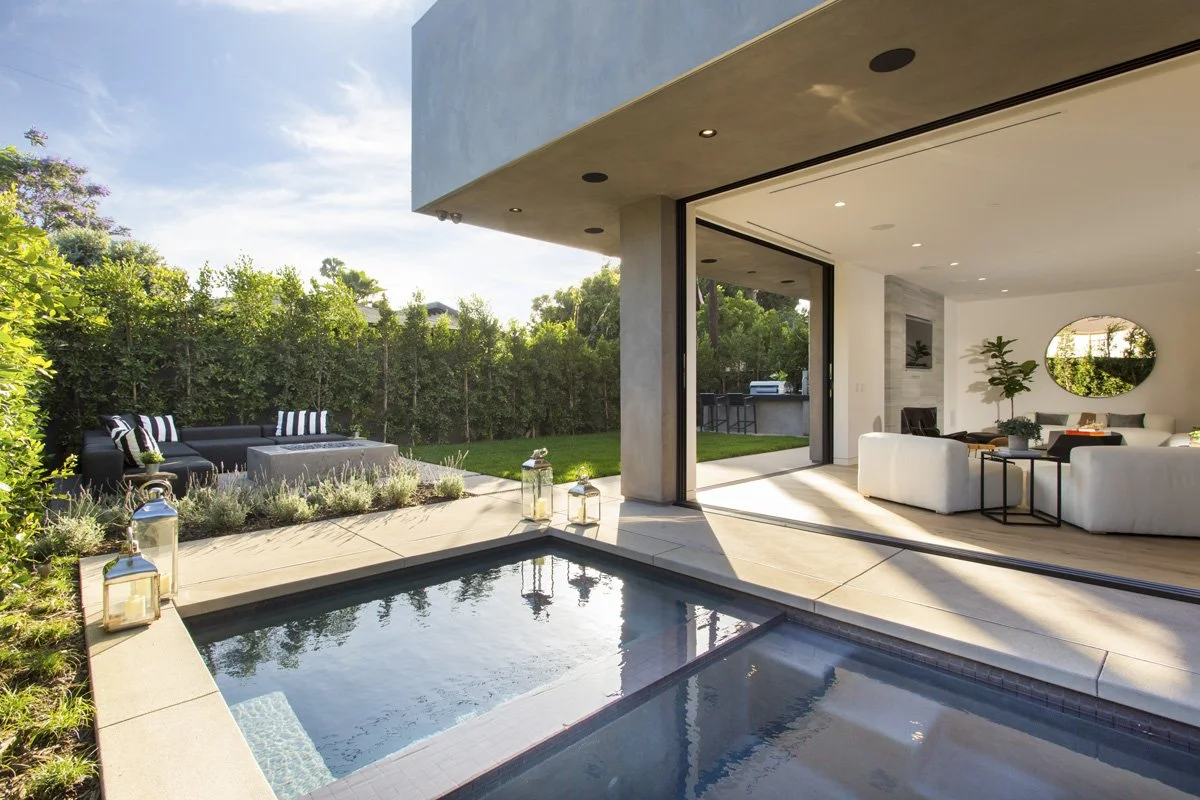
Outdoor Living in Venice
Outdoor space in Venice isn't an afterthought it's part of how the home functions.
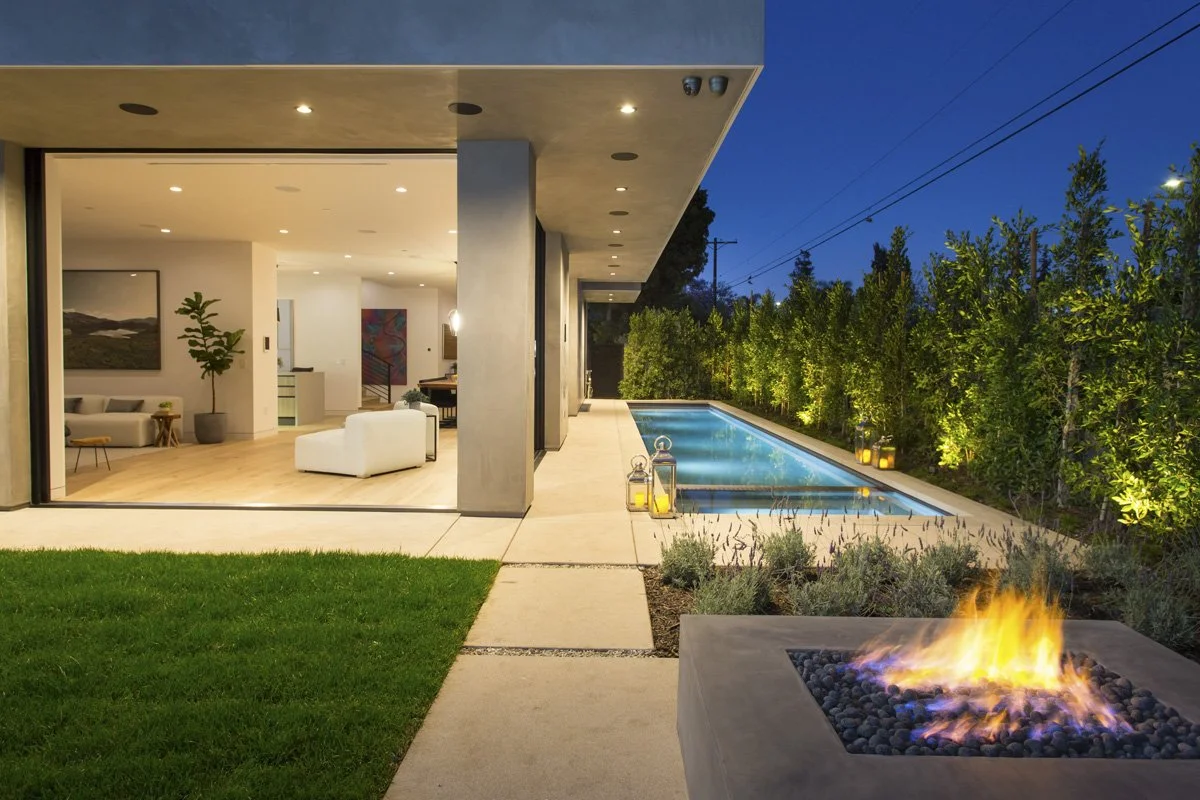
Canal-front and beachfront properties are designed around the view and the water. Backyard entertaining areas, linear pools, and seamless transitions from interior living to exterior space define how these homes are used daily.
In Venice's denser residential areas, outdoor space requires more considered design privacy screening, material selection for marine conditions, and proportions that feel generous without overwhelming the lot.
Every exterior element decking, cladding, hardware, irrigation, lighting must be specified for coastal exposure from the beginning. Materials that perform well inland deteriorate faster near the water.
We design and build outdoor spaces as an extension of the architecture not as a separate phase added after the home is complete.
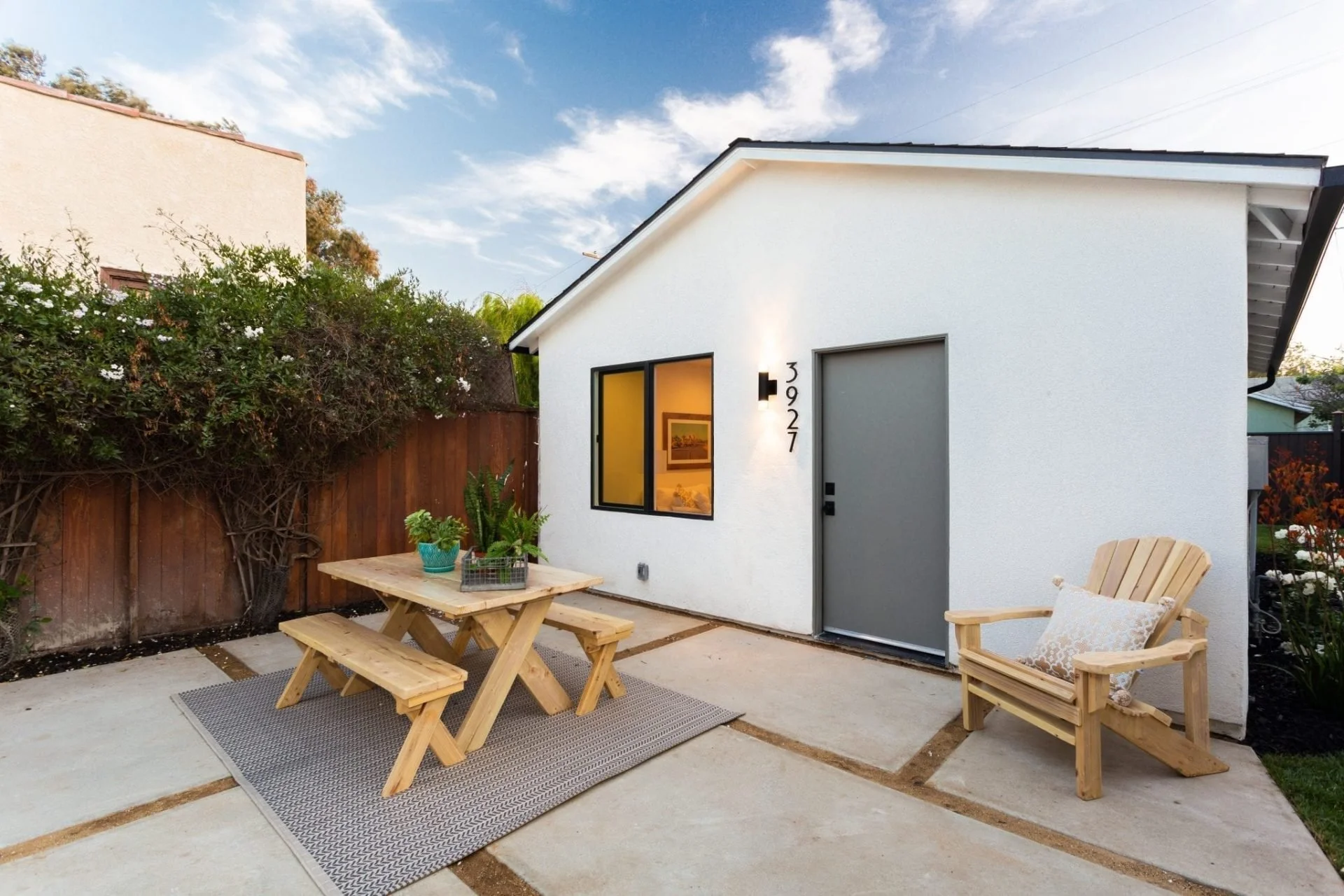
ADUs in Venice
Adding a unit in Venice is possible on many lots but feasibility depends on factors that must be confirmed before any design work begins.
ADU feasibility depends on the specific subarea, the lot's existing density, and whether additional residential density is permitted under the Venice Coastal Zone Specific Plan. Mello Act obligations can affect ADU projects where existing affordable units are present on the lot. Height limits, lot coverage, coastal permit requirements, utility routing, and staging access all need to be verified before design commitment.
We evaluate those factors upfront so feasibility is clear before investment is made.
Working With Architects & Designers
If you're already working with an architect, the most valuable thing we can do is align the regulatory picture before design gets too far along.
Designs that don't account for Specific Plan height limits by subarea, California Coastal Commission requirements, Mello Act obligations, or coastal consistency standards produce permit applications that generate correction letters and redesign costs that arrive after drawings are complete.
We provide early Specific Plan and coastal feasibility input, permit preparation running parallel to design development, marine-grade specification guidance from the first meeting, and budget calibration before commitment.
Architectural ambition without regulatory alignment leads to delay. In Venice, that delay is measured in months. We align both from the first conversation.
RECENT PROJECTS
-
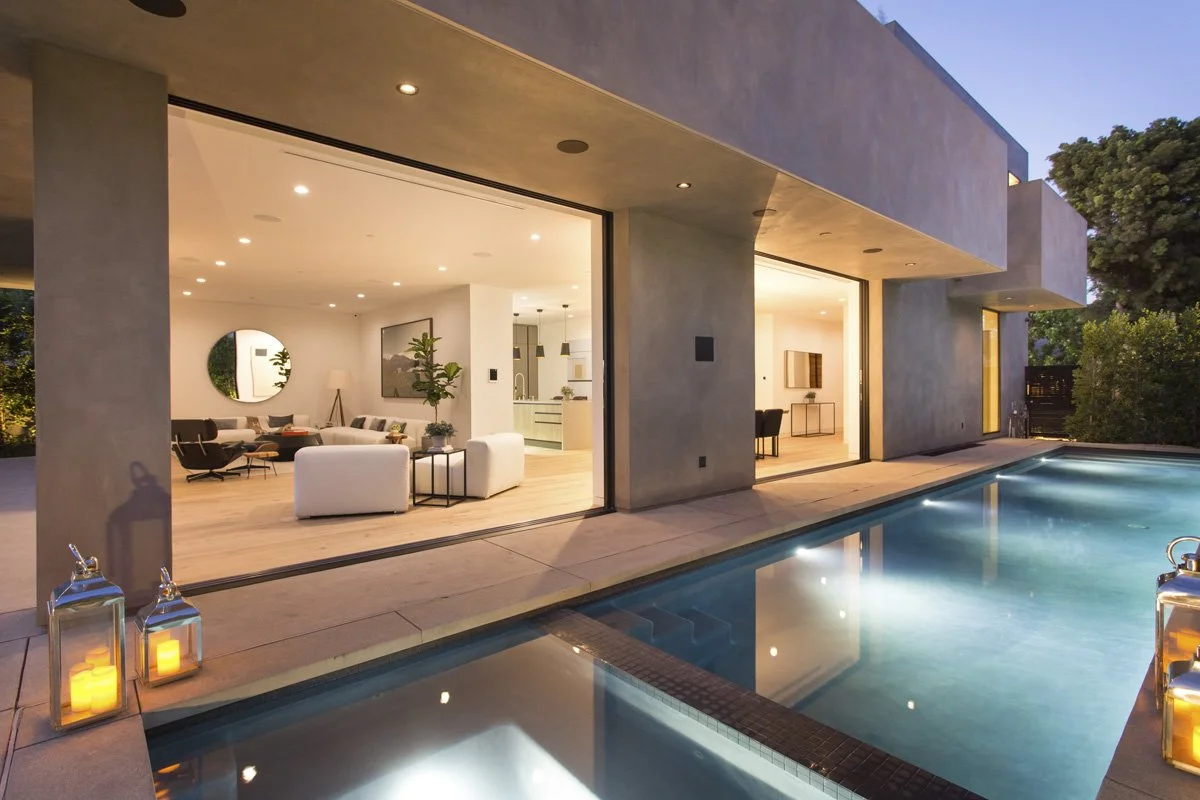
![Modern Venice home with open living room and floor-to-ceiling glass doors overlooking a backyard pool]()
VENICE
-
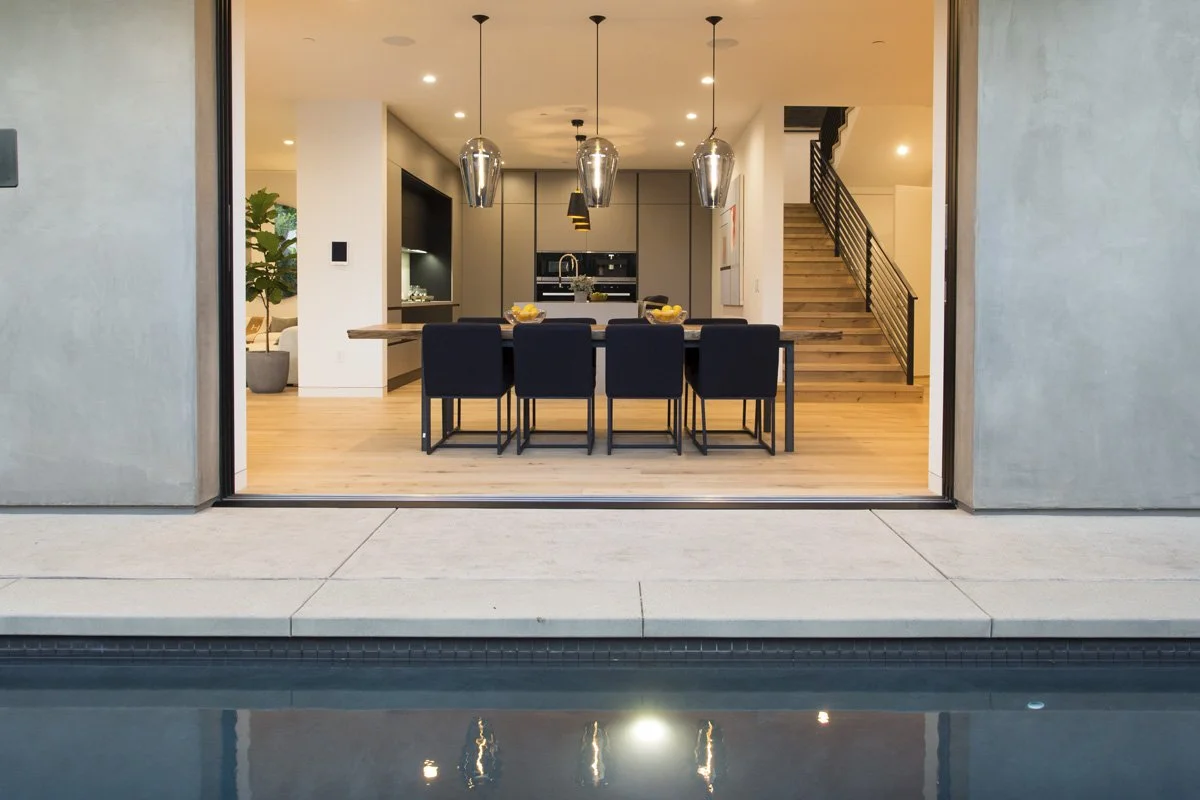
![Open-concept Mar Vista kitchen and dining area with custom wood cabinetry, oversized pendant lighting, natural oak flooring, and integrated modern island design.]()
MARINA DEL REY
-
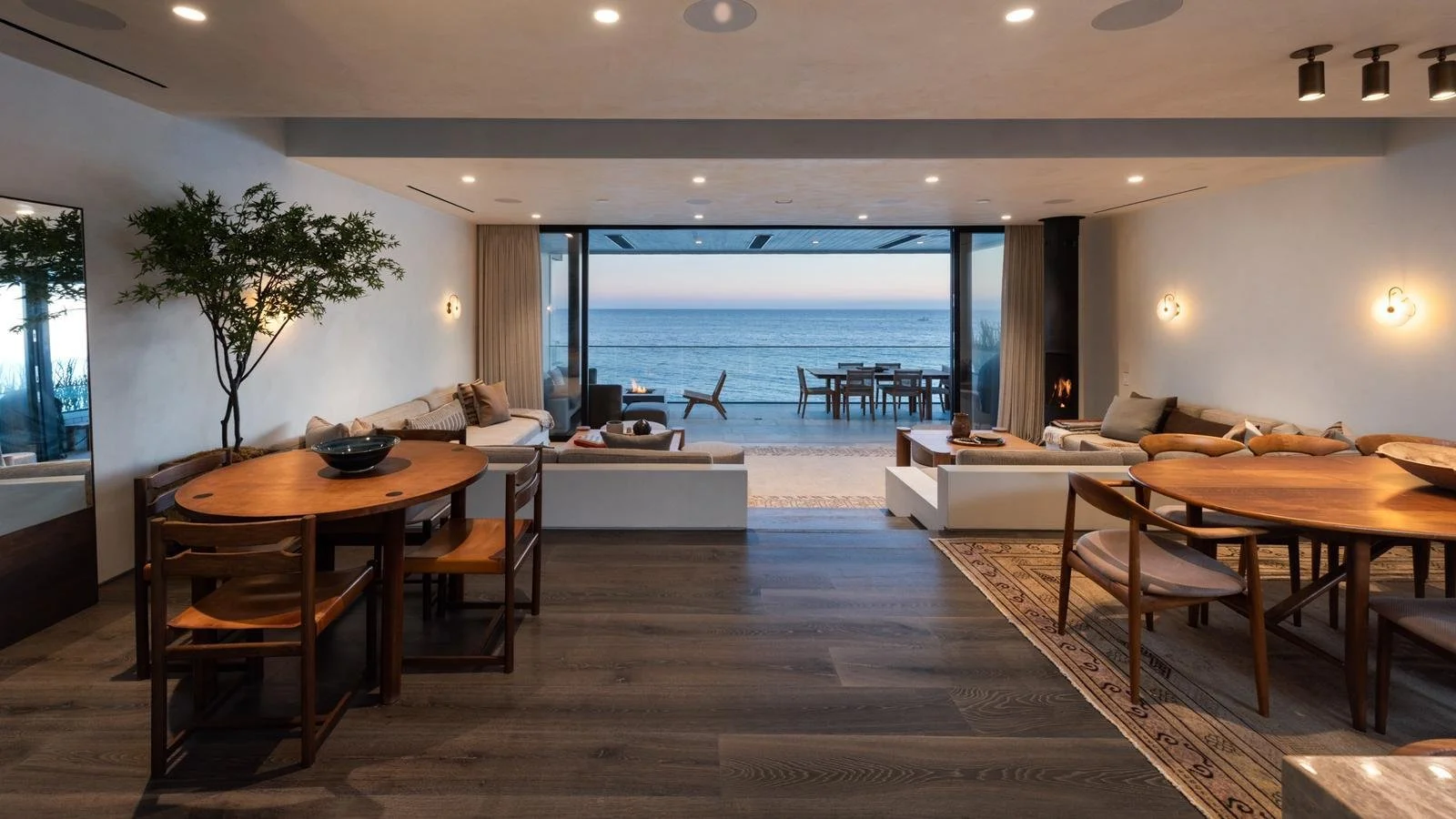
![Oceanfront Malibu Pier condo living room with retractable glass walls and seamless indoor-outdoor terrace overlooking the Pacific Ocean]()
MALIBU PIER
-
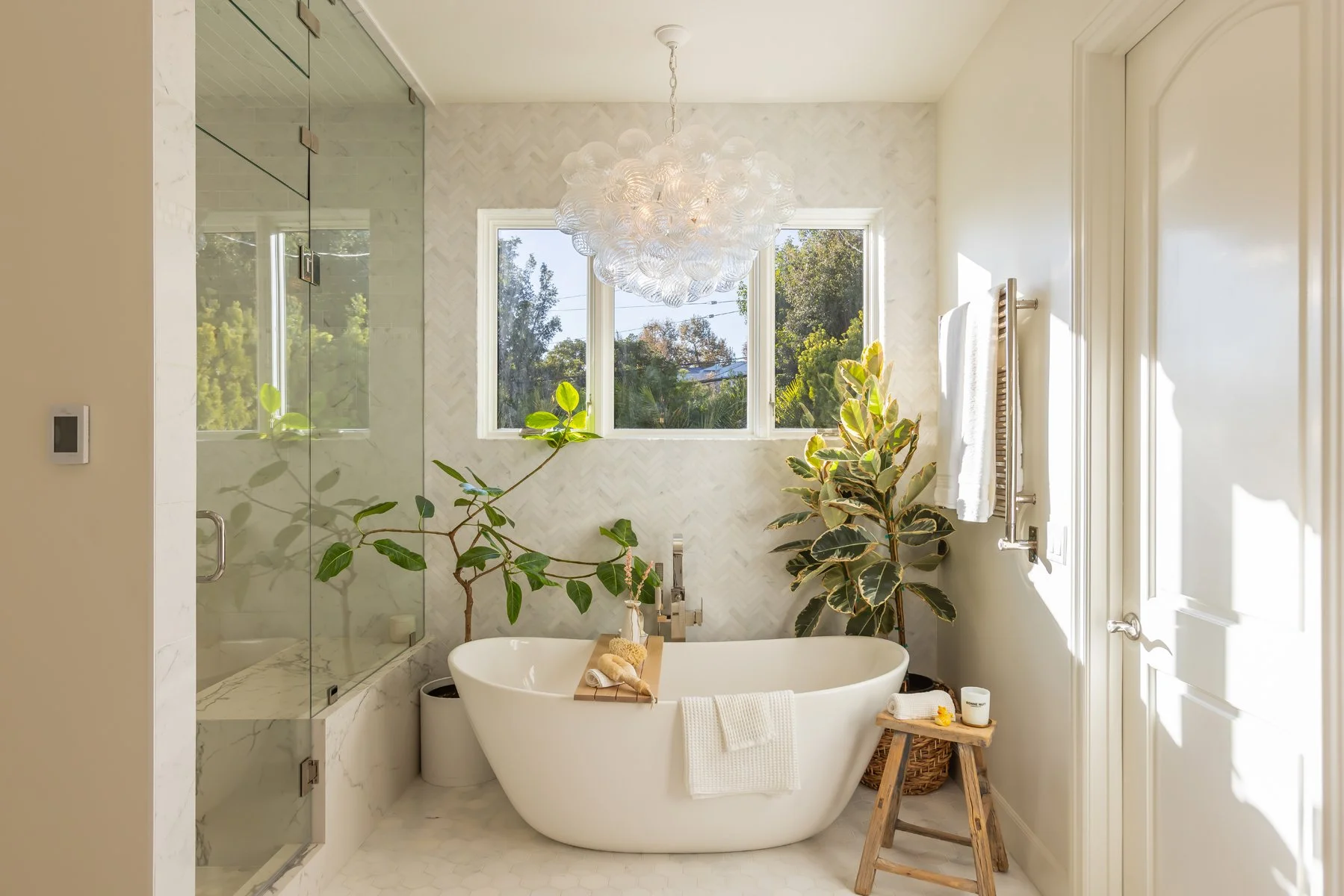
![Brentwood bathroom remodel featuring freestanding soaking tub, glass shower enclosure, and natural light-filled spa design by Heart Construction.]()
BRENTWOOD
-
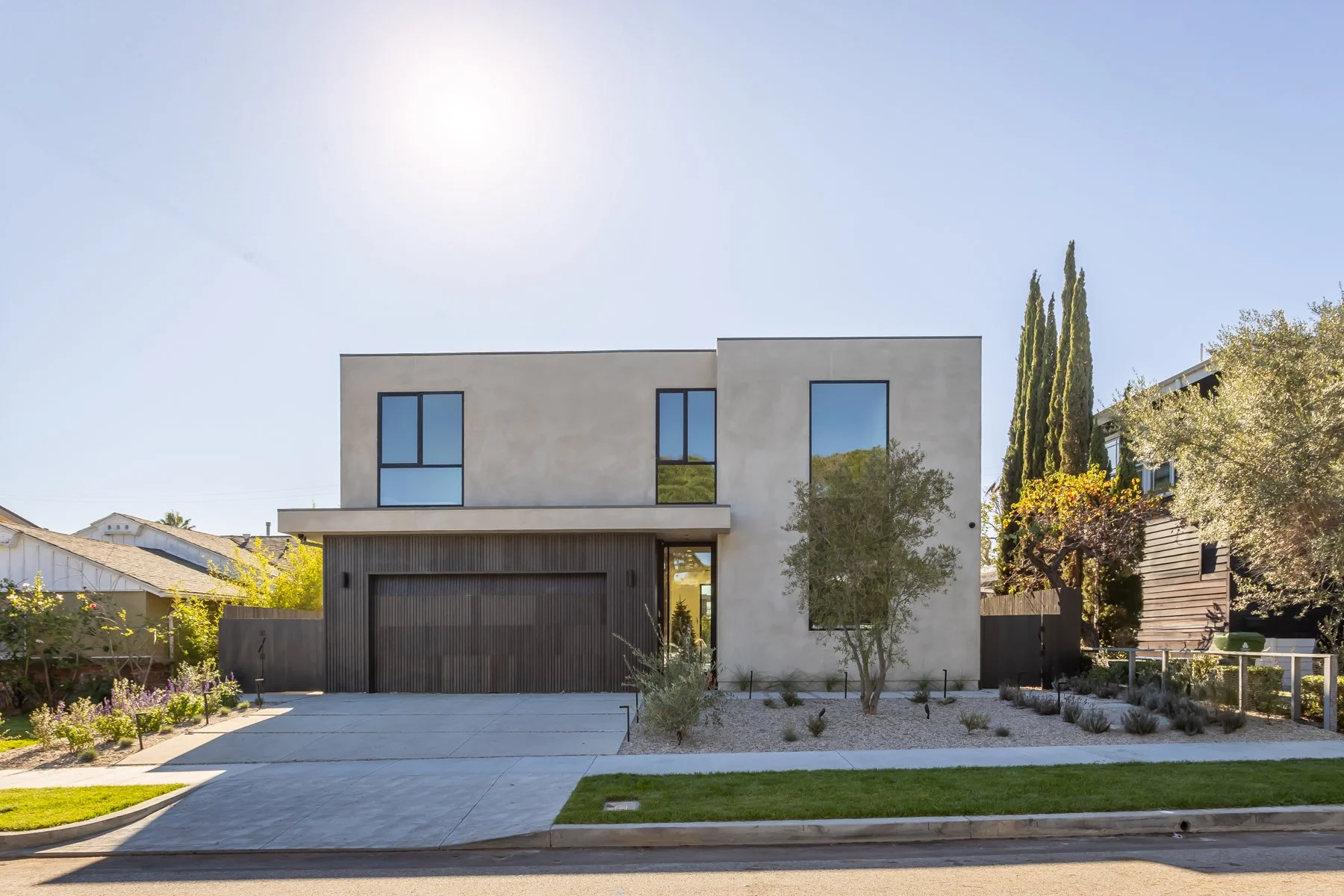
![Contemporary Mar Vista custom home exterior with smooth stucco facade, black framed windows, drought-tolerant landscaping, and minimalist design.]()
MAR VISTA
-
![Brentwood midcentury drive way]()
LA CUESTA

-
Venice custom home budgets vary significantly based on lot conditions, coastal permit scope, subarea requirements, and finish level. Canal-front and beachfront properties with direct California Coastal Commission involvement and marine-grade material requirements carry additional complexity that affects budget. We provide detailed budget frameworks during pre-construction before any design commitment. Explore our custom home process.
-
Remodel budgets in Venice depend on structural scope, how much of the existing system infrastructure needs replacement, coastal review requirements, and material specifications. Older Venice homes frequently require full electrical, plumbing, and HVAC replacement before aesthetic work begins that scope needs to be understood before a budget is set. See how we approach full remodels.
-
Kitchen budgets depend on whether the layout is changing, how much structural work is involved, cabinetry and appliance selections, and coastal-grade material requirements. We build a clear scope and budget before any work begins. See our kitchen remodel work.
-
Bathroom budgets depend on plumbing reconfiguration scope, waterproofing system requirements, steam or radiant integration, and material selections. We scope everything before commitment so there are no surprises mid-project. See our bathroom remodel work.
-
Yes. Unlike Marina del Rey which is unincorporated LA County and uses a completely different permit agency Venice is within the City of Los Angeles, so building permits move through LADBS. However, all development must also comply with the Venice Coastal Zone Specific Plan, which supersedes standard LAMC requirements. Projects that add square footage, change height, or modify the exterior also require a Coastal Development Permit. See how the Marina del Rey permitting process compares.
-
Most projects that add square footage, change height, or modify the exterior of a Venice home require a Coastal Development Permit. Interior-only work that doesn't affect the building envelope typically does not but that distinction needs to be confirmed before design begins. Properties in the Dual Permit Jurisdiction may require direct California Coastal Commission review in addition to the City permit. Start with a pre-construction consultation.
-
The Mello Act requires that affordable housing units demolished or converted as part of a coastal zone project be replaced. In Venice, this applies to projects within the Coastal Zone and must be addressed before entitlements are submitted. It is one of the most commonly overlooked requirements in Venice construction and one of the most expensive to discover late. Contact us before design begins.
-
Height limits vary depending on where your property sits. Walk Street-fronting properties are limited to 28 feet. Beachfront and Esplanade-adjacent properties are limited to 30 feet within 60 horizontal feet of the mean high tide line. Most interior residential lots allow 30 feet for flat-roof structures or up to 35 feet for varied rooflines with required step-backs. Confirming which limit applies to your specific lot is the first step before any design work begins. Explore our pre-construction process.
-
Standard LADBS building permits for straightforward residential work typically process in 4–8 weeks. Projects requiring a Coastal Development Permit add 2–4 months. Projects that trigger direct California Coastal Commission review can add 4–6 months beyond that. Mello Act compliance documentation must be resolved before coastal review can be completed.
-
Most custom homes take 14–20 months from permit approval through completion, depending on size, canal-front or beachfront complexity, and finish level. Pre-construction typically adds 4–8 months before construction begins. See our custom home process.
-
Major remodels typically take 6–12 months after permits are issued, depending on structural scope, system replacement, and material lead times.
Frequently Asked Questions
For homeowners researching rebuild timelines, permitting requirements, and realistic construction budgets, we’ve created detailed guides that explain the process clearly and practically.
Explore:
Kitchen Remodel Costs in Los Angeles (2026)
Outdoor Living Cost Guide (2026)
Bathroom Remodel Costs in Los Angeles (2026)
These resources break down structural considerations, approval timelines, and real-world budget ranges to help you plan with clarity.
Explore Other Los Angeles Neighborhoods
Heart Construction builds custom homes and major remodels across Los Angeles from coastal and hillside communities to estate neighborhoods, valley properties, and urban infill areas.
You can explore our full service map on our Where We Build page.
Pre-Construction Determines the Outcome
In Venice, what happens before the application is filed determines whether a project remains controlled or reactive.
Height verification. Coastal alignment. Mello Act review. Structural evaluation. Marine-grade specification.
Handled early, the process feels deliberate. Handled late, it becomes reactive.