
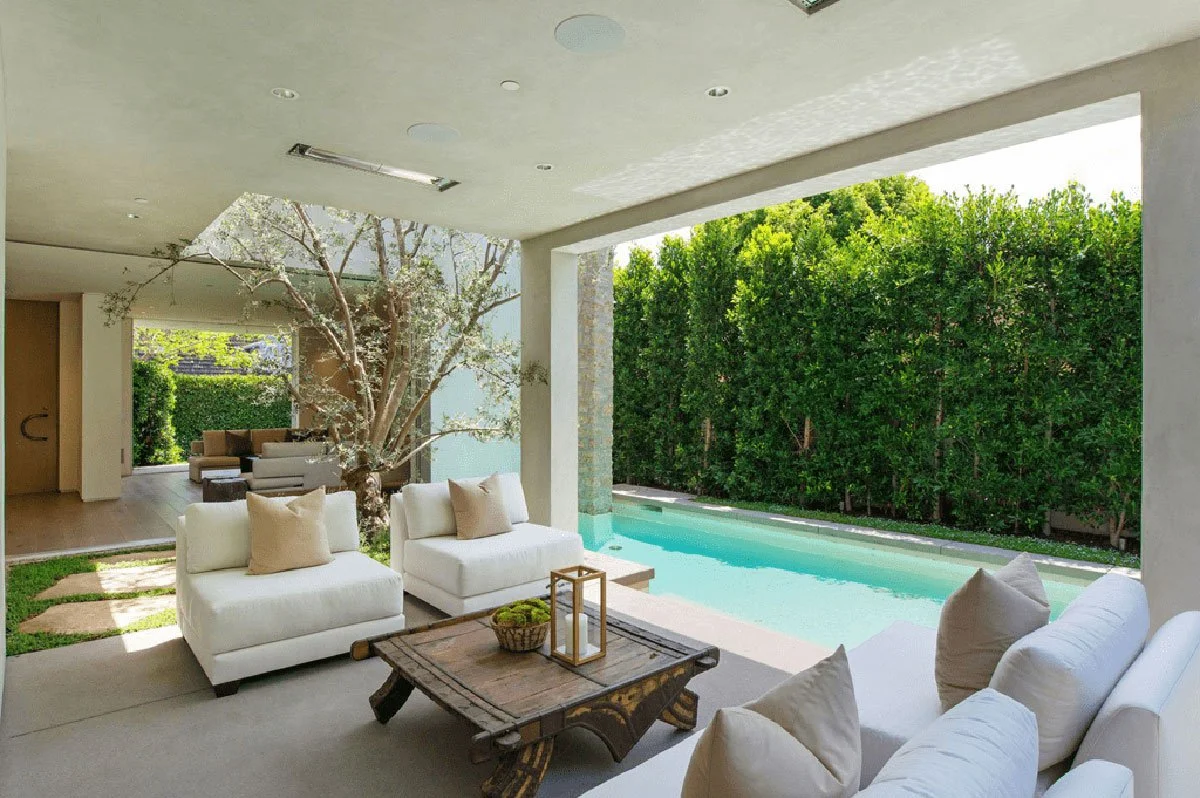
SANTA MONICA CUSTOM HOME BUILDER & GENERAL CONTRACTOR
BUILT WITH INTENTION. DESIGNED FOR SANTA MONICA LIVING.
WE DO NOT APPROACH SANTA MONICA AS ANOTHER LOS ANGELES JOB
Most contractors encounter Santa Monica's Coastal Development Permit mid-project rather than at the start. They submit to Building & Safety first, discover the Coastal Zone layer during plan check, and spend the next several months on corrections that should never have been necessary.
That is not how we work here.
Santa Monica is an independent municipality with its own Building & Safety Division, and for properties within the Coastal Zone, a Coastal Development Permit process that needs to be addressed alongside the building permit from the beginning not after it. Most contractors have never filed one. We manage both tracks as standard.
We have built, remodeled, and added to homes throughout Ocean Park, the North of Montana estate streets, Sunset Park, and the parcels along San Vicente and Wilshire. We know which properties require Coastal review, what scope triggers extra approvals, and how to prepare submissions that move cleanly through the process.
That is what building in Santa Monica actually requires.
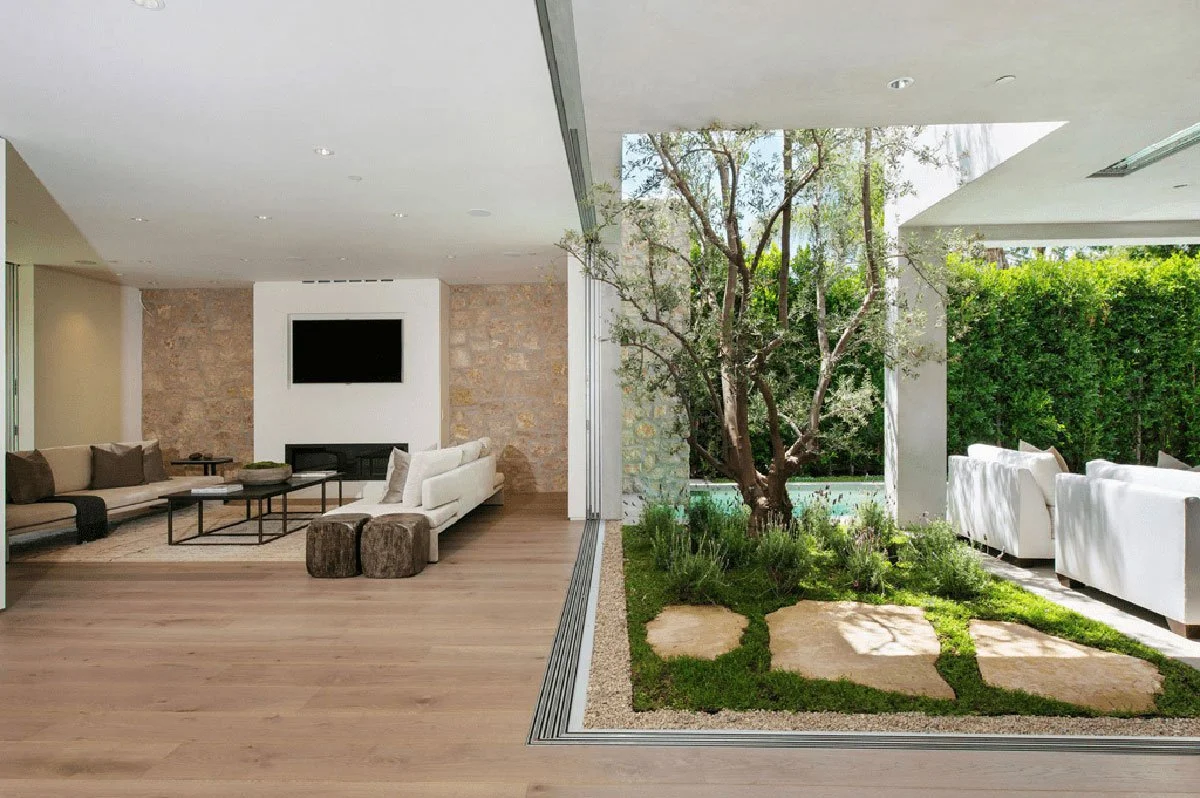
WHAT BUILDING IN SANTA MONICA ACTUALLY REQUIRES
Santa Monica is not complicated but it is different. And that difference has real consequences for homeowners who encounter it mid-project rather than at the start.
For Coastal Zone properties, a Coastal Development Permit is required before Santa Monica Building & Safety will issue a building permit. That means Coastal review has to be incorporated into the design from the beginning not treated as a final step. Santa Monica also operates under its own residential development standards that govern height, setbacks, and lot coverage in ways that differ meaningfully from the rest of Los Angeles.
For homeowners, that means fewer surprises at the permit stage, a more realistic budget from the start, and a smoother path from design into construction.
The Core Coastal Streets — Ocean Park and the Beach Blocks
The most actively regulated area in Santa Monica. Nearly all properties here fall within the Coastal Zone, which means Coastal permit coordination is part of every project. The combination of beach proximity and strong demand makes remodel and ADU work here among the most valuable in the city and the most important to start correctly.
UNDERSTANDING SANTA MONICA NEIGHBORHOOD BY NEIGHBORHOOD
Santa Monica is not uniform. Coastal Zone status, lot configuration, and what your project requires vary significantly by neighborhood. Treating them as interchangeable is where projects go wrong.
Ocean Park — Near the Beach and Pico
The most active market for remodels and ADUs in Santa Monica. Coastal permit coordination is standard on nearly every project here. Post-war housing stock means opening walls regularly surfaces original electrical, plumbing, and structural conditions that need to be addressed before scope is committed. Location value makes the investment work — consistently.
North of Montana — The Estate Streets
Santa Monica's most architecturally significant residential area. Large lots on Montana Avenue, San Vicente, and the numbered blocks north carry the highest property values in the city. Full estate remodels, significant additions, and ground-up construction on larger parcels. Most properties here sit outside the Coastal Zone — the focus shifts to Santa Monica's own R1 development standards, massing, and architectural quality. Some of our most considered work happens on these streets.
Sunset Park — South of Pico
A large residential neighborhood with a mix of Coastal and non-Coastal properties depending on exact location. Strong ADU fundamentals throughout, given lot depth and Santa Monica's ADU ordinance. Closer to the beach, Coastal review applies. Further inland, projects move directly through Santa Monica Building & Safety. Post-war housing stock throughout.
Mid-City and the Wilshire Corridor
Generally outside the Coastal Zone. Older 1940s–1960s housing stock means electrical, plumbing, and foundation evaluation is standard pre-construction work. Santa Monica's residential development standards govern setbacks and height in ways that differ from LADBS — especially relevant for additions and second-story work.
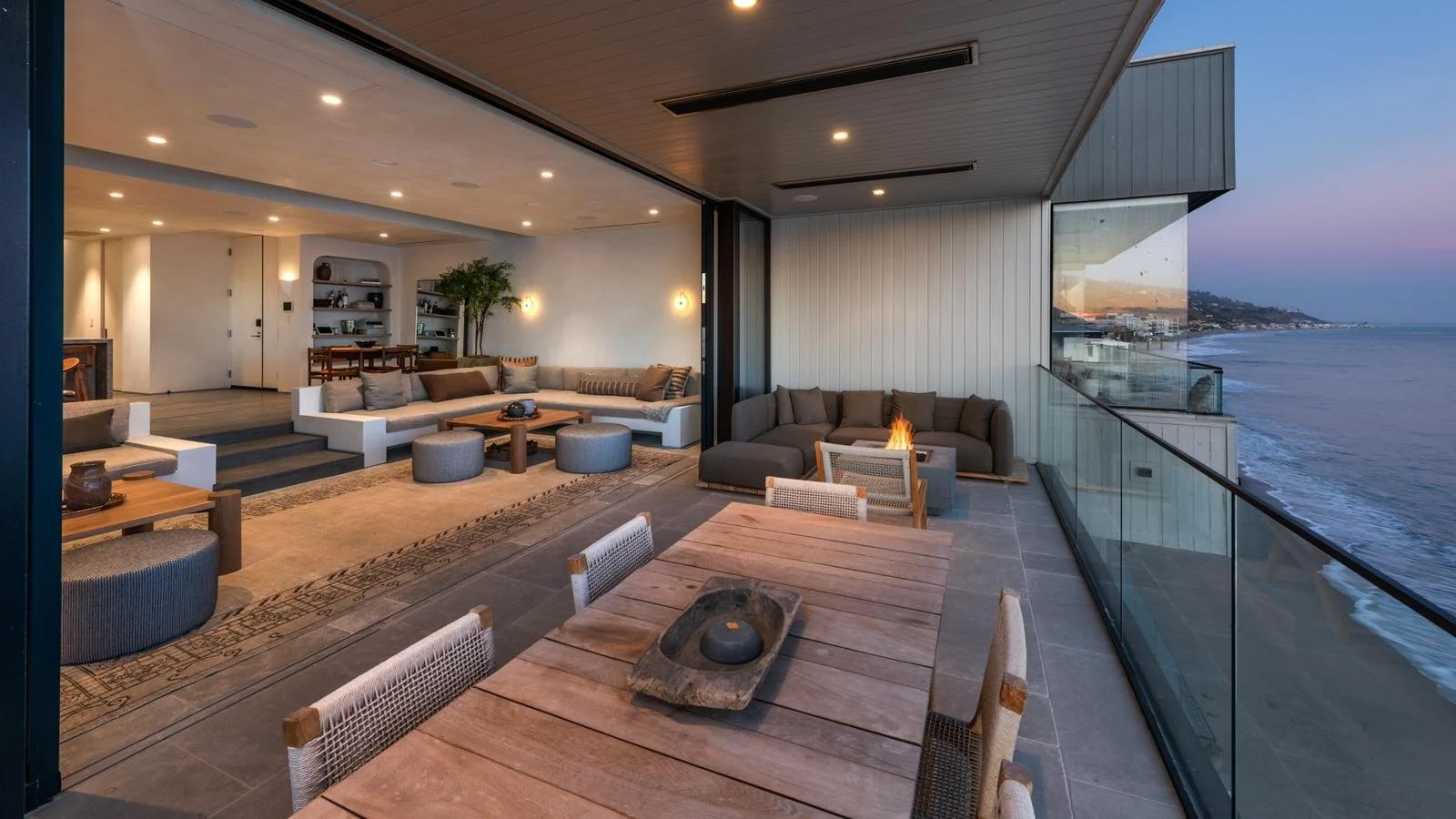
WHAT HOMEOWNERS DISCOVER ABOUT BUILDING IN SANTA MONICA
Most Santa Monica projects don't become complicated because of construction they become complicated because of when certain realities are discovered in the process.
The most common is the Coastal Development Permit process. For properties within the Coastal Zone, Coastal review shapes the project earlier than most homeowners expect and discovering that requirement after drawings are submitted often means revising work that was already completed.
We saw this on one Ocean Park project where architectural drawings had advanced through schematic design before the Coastal Zone boundary had been confirmed. City Planning required adjustments to the addition's footprint and impervious surface coverage manageable changes on their own, but because the Building & Safety permit set had already been submitted, the project absorbed several months of revisions and re-review a delay that was entirely preventable.
Older housing stock adds another layer. Homes built between the 1940s and 1960s regularly surface original electrical, aging plumbing, or structural conditions behind the walls that need to be addressed before layouts can be finalized.
None of this makes Santa Monica difficult but it does make early evaluation essential. That's why every project we take on begins with feasibility before design.
Services We Deliver Across Santa Monica
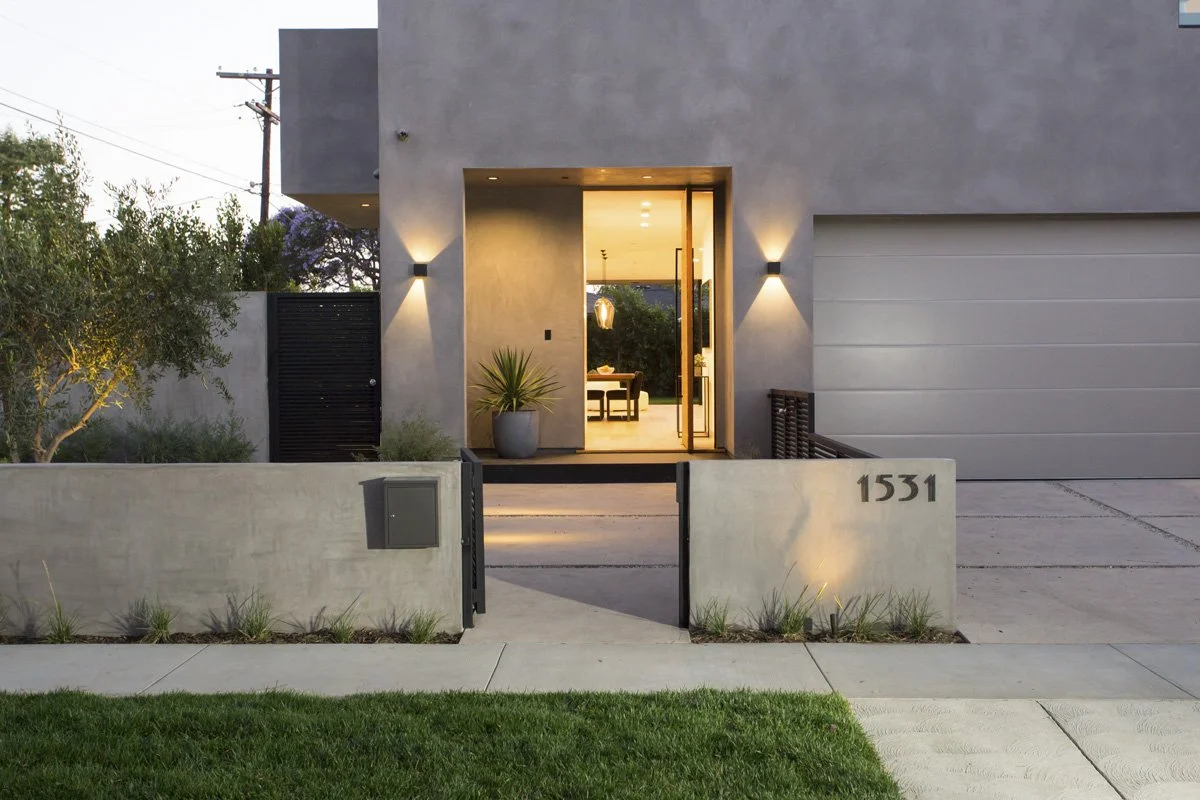
Custom Homes in Santa Monica
Ground-up construction in Santa Monica begins with one question: what does this lot actually allow, and what does it cost to build it right?
Coastal Zone status, lot coverage under Santa Monica's R1 standards, setback compliance, and foundation conditions all have to be resolved before architectural drawings advance. Permit preparation runs in parallel with plan check coordination. Budget alignment happens before design commitment.
What determines whether a Santa Monica custom home moves efficiently is almost always what was resolved before the first drawing was filed.
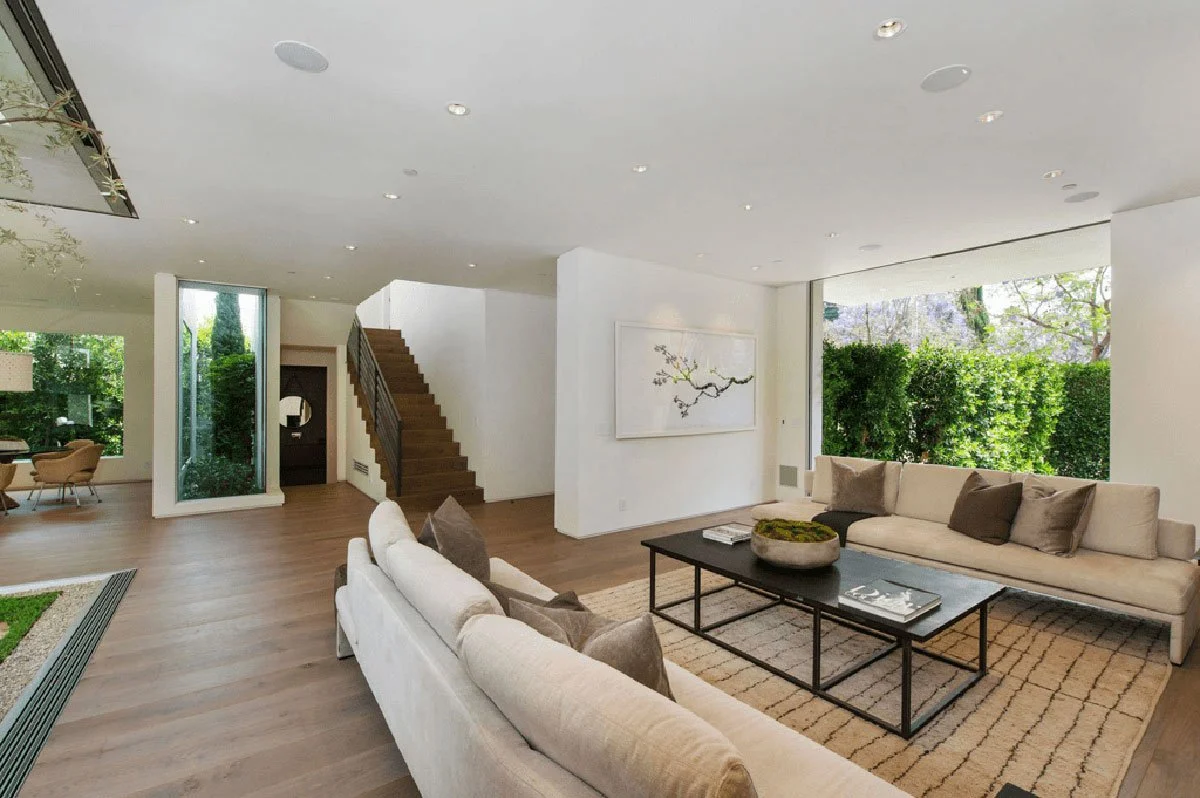
Full Home Remodeling in Santa Monica
The homes we remodel most often in Santa Monica were built between the 1940s and 1960s. They have good bones and exceptional locations. What they often have behind the walls is original electrical, outdated plumbing, and structural configurations that need to be understood before a single layout decision is made.
Whole-home remodels here require balancing two things: modernizing the interior to how you actually want to live, while managing the Coastal and municipal review layers that govern exterior scope.
Interior conditions are evaluated before demolition begins. Exterior scope is confirmed before permits are filed. Finding a structural issue mid-demo in a Coastal Zone home is a far more complicated problem than finding it during pre-construction review.
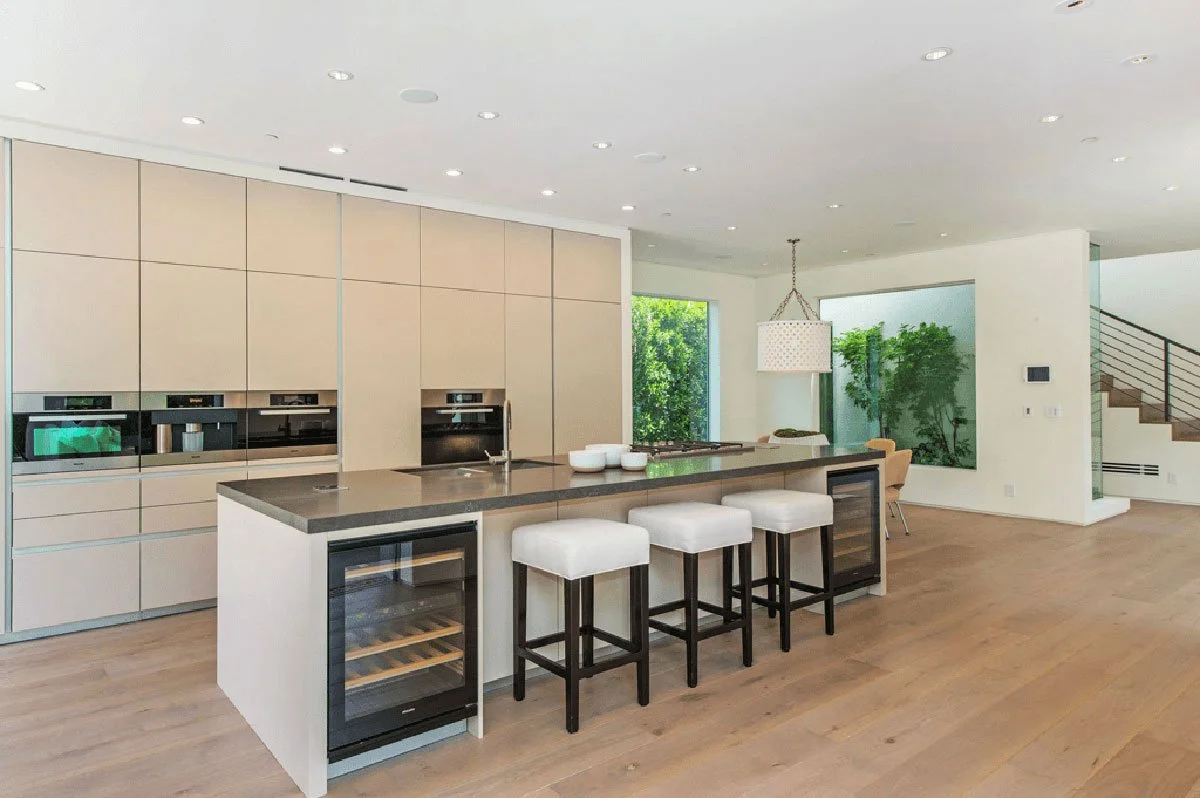
Kitchen Remodeling in Santa Monica
Kitchens in Santa Monica's post-war homes were designed for a different era compartmentalized layouts, separated living and dining, undersized openings that don't reflect how families use their homes today.
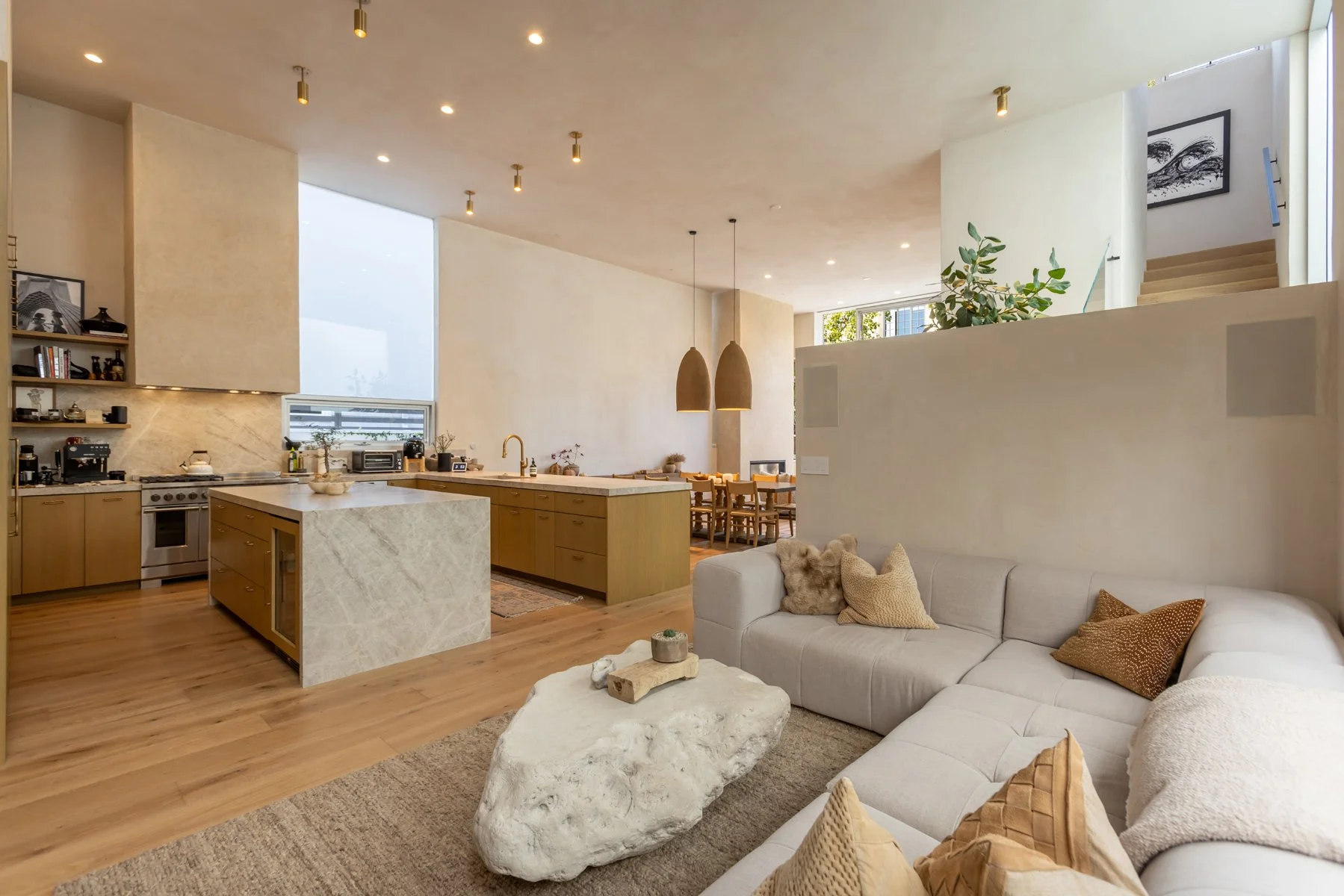
Opening the plan almost always means wall removal and engineered beam work. That structural scope has to be resolved before cabinet layouts are finalized. Ventilation routing, appliance placement, and exterior penetrations visible from the street are coordinated with Building & Safety. Stone fabrication follows structural completion.
The kitchen you design at the start is the kitchen you get at the end because the structural decisions came before the design decisions, not after.

Primary Bathrooms in Santa Monica
Primary bathroom remodels in older Santa Monica homes are rarely cosmetic-only. Cast iron and galvanized plumbing systems are common and often require full replacement. Steam showers, radiant heated floors, frameless glass enclosures, and floating vanities all require disciplined rough-in sequencing before tile and finishes begin.
Period details original tile, vintage hardware, architectural elements are evaluated early to determine what can be retained and what needs to be rebuilt to current standards.
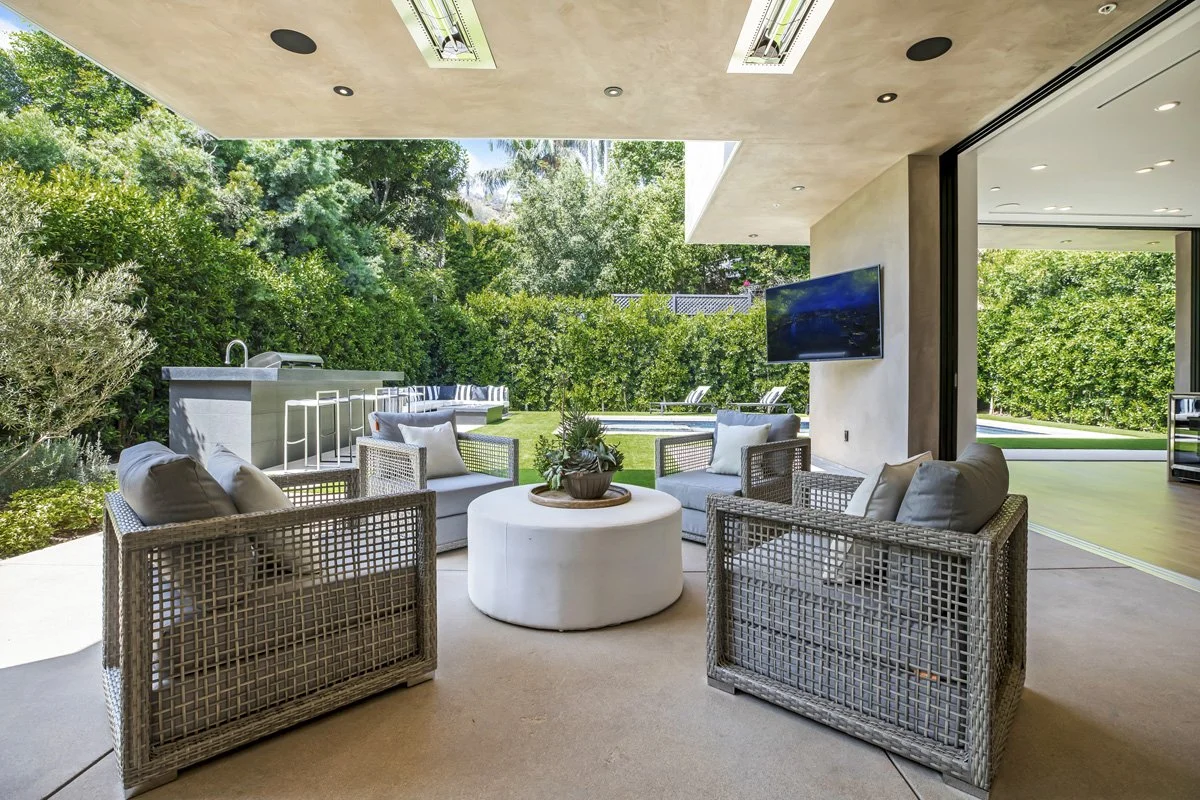
Outdoor Living in Santa Monica
Santa Monica's rear yards particularly in North of Montana and Sunset Park support substantial outdoor living environments within the City's setback and coverage standards.
Pools, spas, covered patios, outdoor kitchens, and fire features in rear yards generally move through Santa Monica Building & Safety without triggering Coastal review unless the property is beach-adjacent. Front yard changes, new hardscape, and driveway modifications require review regardless of scope.
We manage outdoor living as a unified scope: one permit strategy, one construction sequence, one point of accountability — integrated with the main project rather than handed off to a separate contractor.
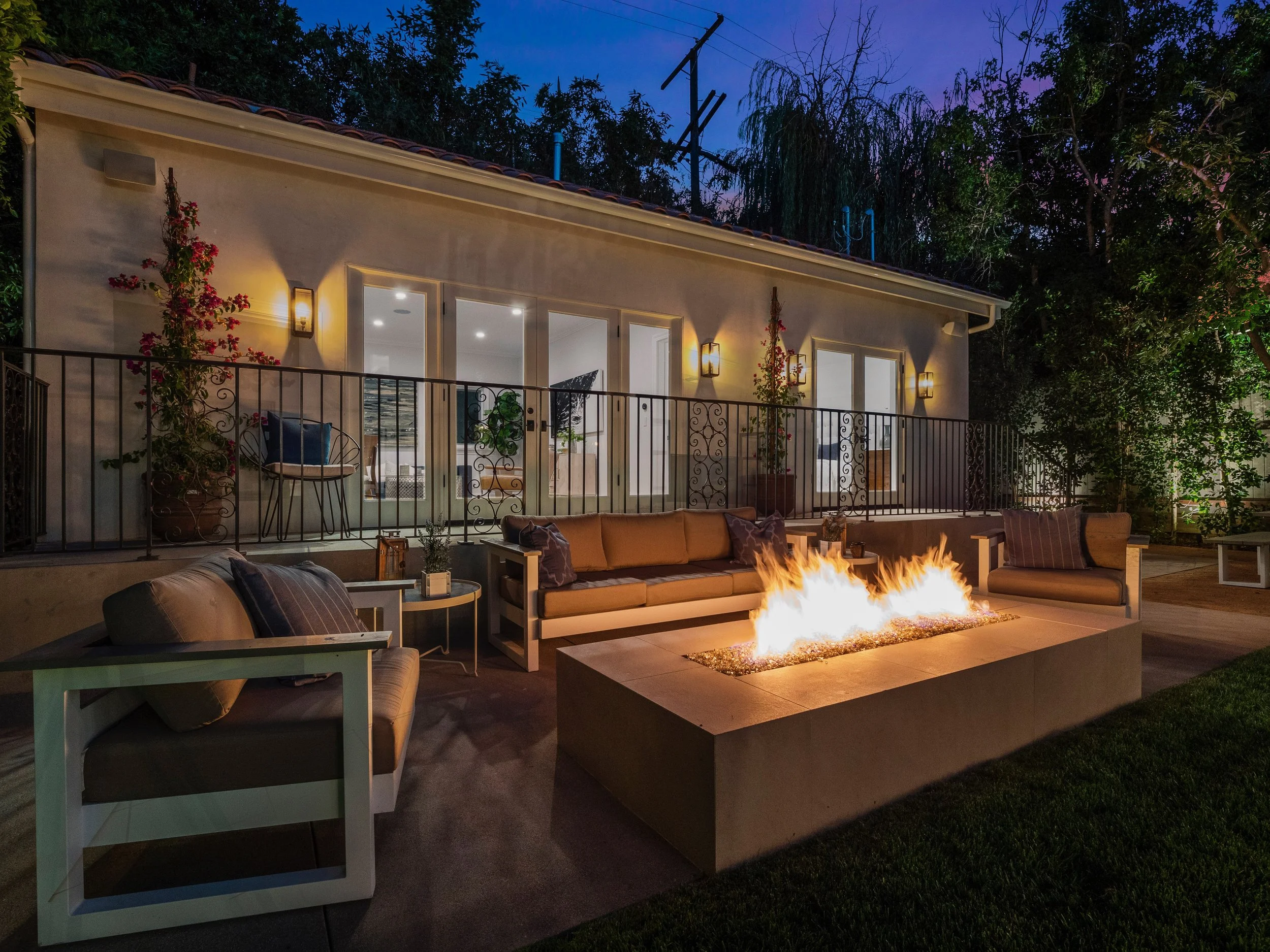
ADUs in Santa Monica
Santa Monica is one of the strongest ADU markets in Los Angeles. High land value, strong rental demand, and a City ordinance that exempts ADUs from parcel coverage and floor area calculations make the numbers work.
For Coastal Zone properties, a Coastal permit layer applies that most ADU contractors are not equipped for. Detached ADUs on rear lots with no Coastal resource impact have the most straightforward path. Garage conversions require more coordination alley-facing garages are common in Ocean Park and Sunset Park, and their conversion affects both Coastal and City parking compliance.
State law permits ADUs on all R1 lots. The Coastal Zone and Santa Monica's own ordinance determine what they can look like. We navigate both.

DESIGNING HOMES IN SANTA MONICA
Santa Monica has a specific architectural character that shapes how its homes are best approached and it goes beyond style.
The relationship between interior space and the outdoors is central to how people live here. Projects in Ocean Park and Sunset Park often involve opening post-war floor plans that were never designed for the coastal light or the yard access those homes sit beside removing walls, relocating kitchens toward the rear of the house, creating covered transitions between inside and outside that function as usable rooms year-round.
On the North of Montana estate streets, the work is different in scale but consistent in ambition. Additions here are evaluated for how they relate to the primary structure roofline, massing, proportion — before architectural detailing even begins. The street character on those blocks has been earned over decades. Projects that contribute to it require architectural judgment alongside construction discipline.
Many Santa Monica projects begin with an architect already engaged. We enter during design development Coastal requirements confirmed, structural feasibility assessed, budget calibrated so that the design being refined is the design that will actually be built. When those things are aligned early, the collaboration between architect, builder, and client produces work none of them could have created independently.
That approach is at the core of how we work. Learn more at our design-build page
HOW WE OPERATE
In Santa Monica, preparation is not optional.
Every project begins with feasibility — Coastal Zone status confirmed, permit coordination mapped, structural conditions evaluated, budget aligned before architectural commitment. Permit preparation and plan check coordination run in parallel from the start, not in sequence.
California Coastal Commission appeal cycles have fixed schedules. Missing one has real consequences. Submissions are prepared to be approved the first time.
We call this Build with Intention.
RECENT PROJECTS
-
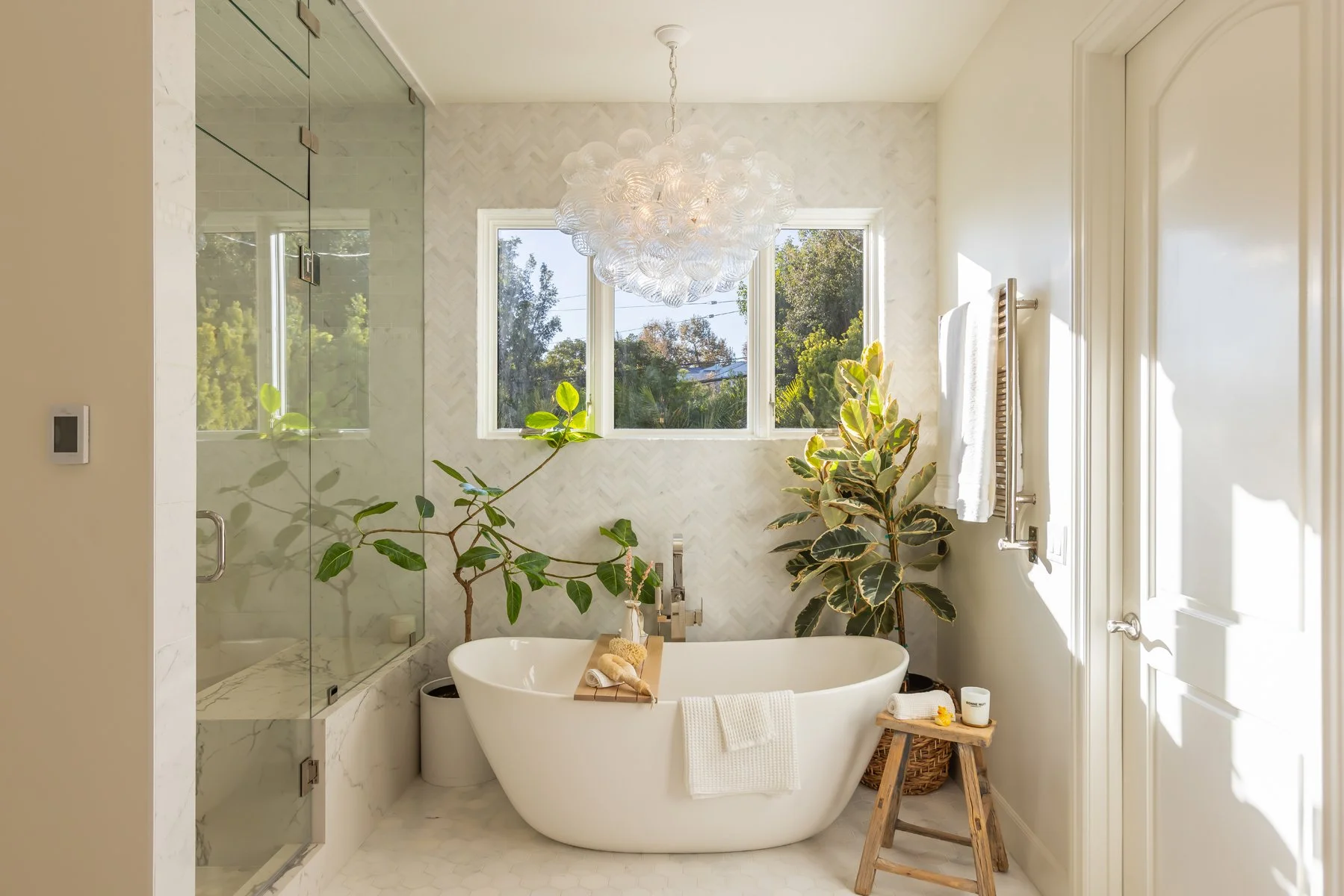
![BRENTWOOD luxury bathroom with freestanding soaking tub, marble walk-in shower, herringbone tile walls, and sculptural glass chandelier framed by natural light and greenery views.]()
BRENTWOOD
-
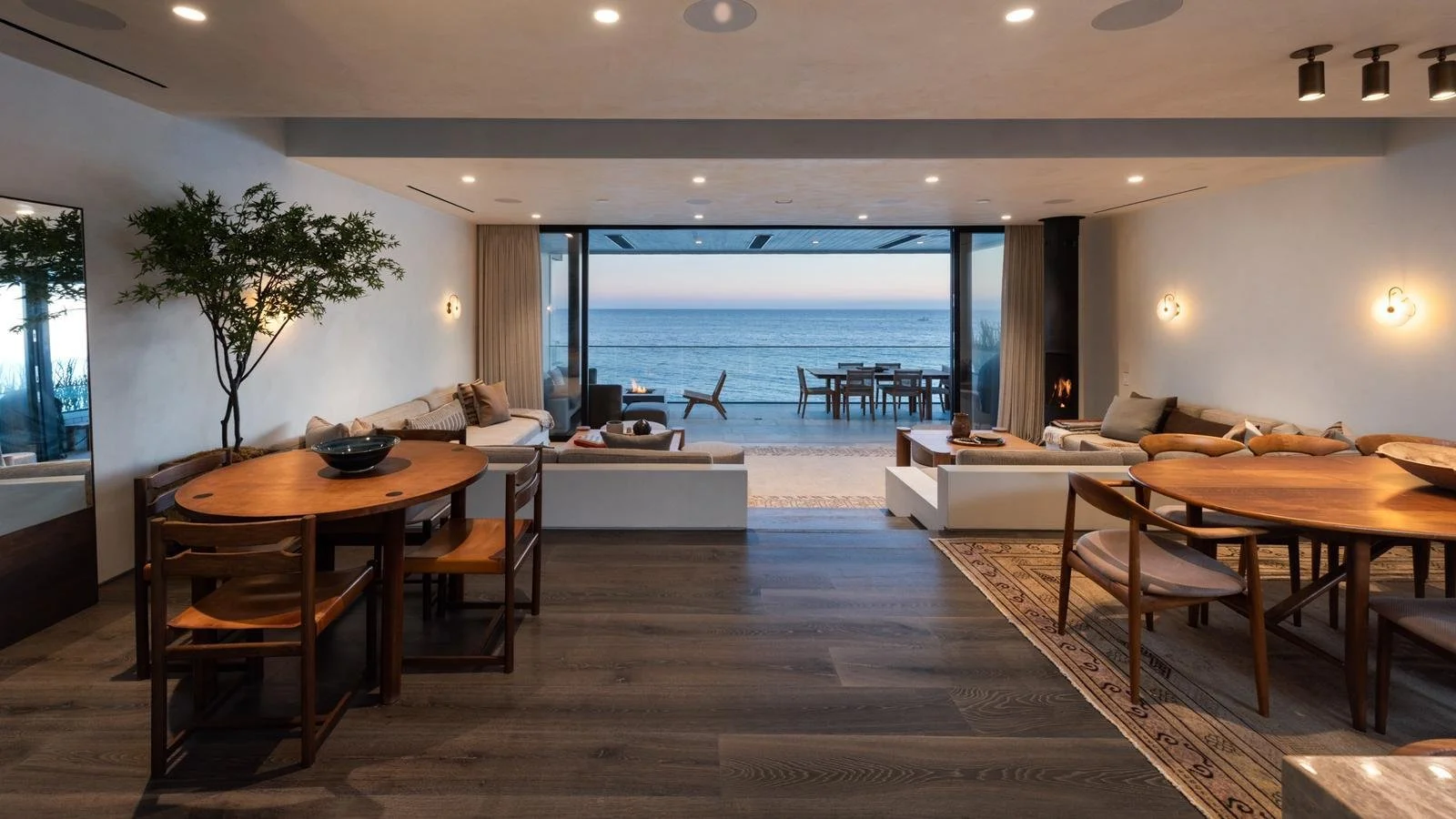
![Oceanfront Malibu living room opening to a terrace with panoramic Pacific Ocean views and seamless indoor-outdoor design.]()
MALIBU PIER
-
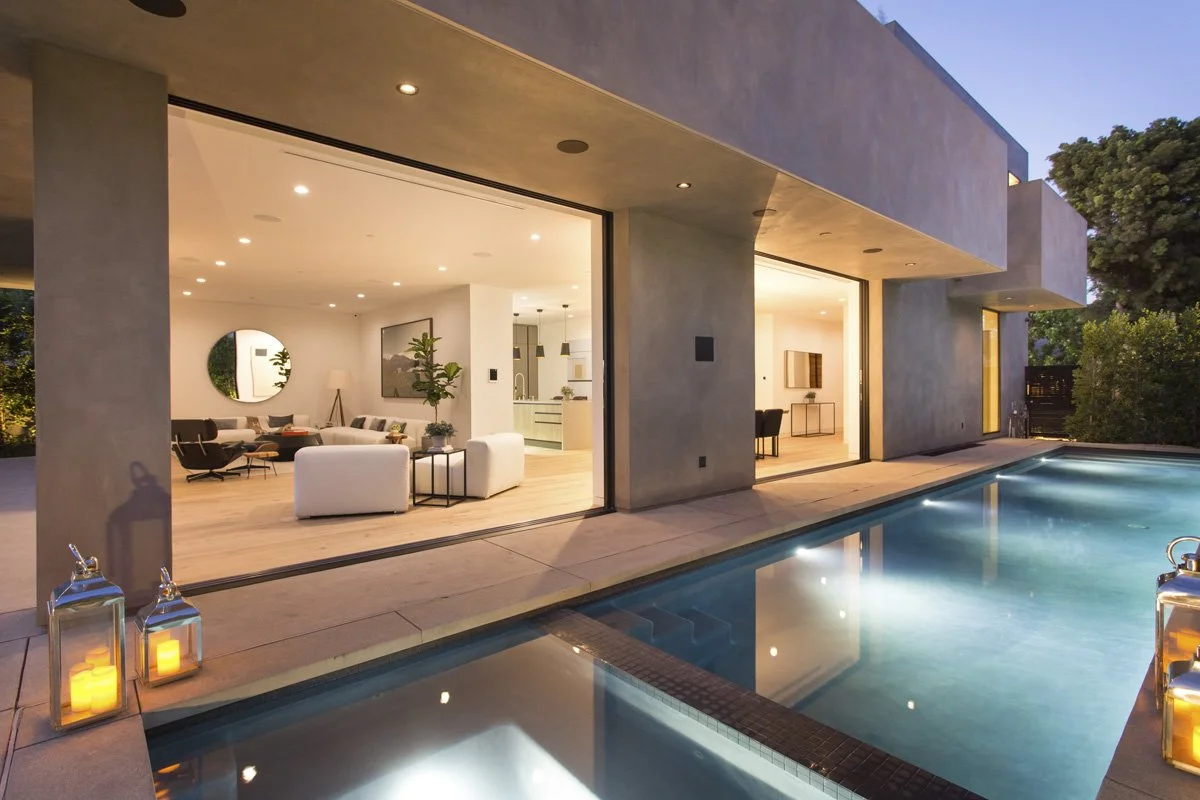
![Contemporary Venice custom home with large sliding glass walls opening to a poolside patio and modern indoor-outdoor living.]()
VENICE
-
![Modern West Hollywood courtyard home with glass walls opening to a landscaped interior garden and bright minimalist living space.]()
WEST HOLLYWOOD COURTYARD
-
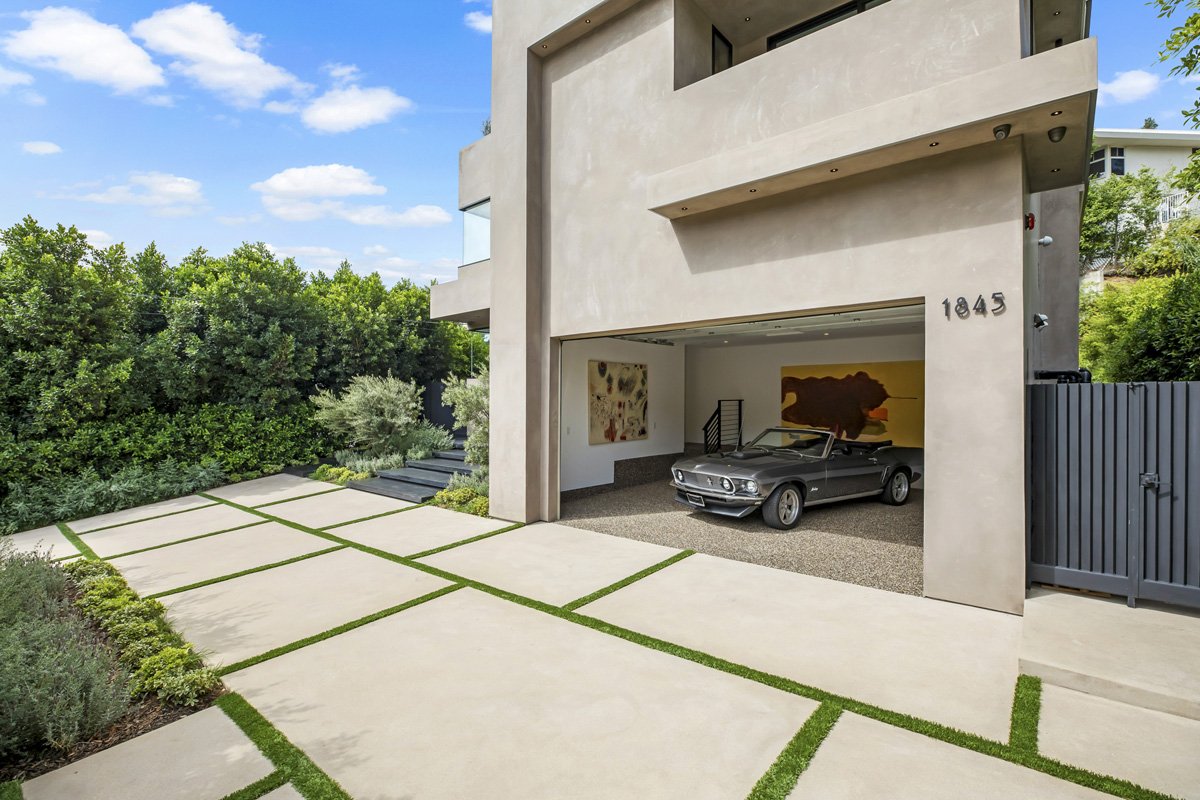
![Modern Beverly Hills home exterior with open garage and contemporary driveway design]()
BEVERLY HILLS
-
![Modern Marina del Rey living room and kitchen with marble island, warm wood cabinetry, and open-plan design filled with natural light.]()
MARINA DEL REY
FREQUENTLY ASKED QUESTIONS ABOUT BUILDING IN SANTA MONICA
-
Custom homes typically range from $650–$1,000+ per square foot, depending on lot conditions, Coastal Zone status, structural scope, and finish level. Coastal permit requirements and Santa Monica's own plan check standards add design constraint and review time that factor into both budget and schedule.
-
Whole-home remodels generally range from $400–$750+ per square foot, depending on structural scope, systems replacement, Coastal permit requirements, and finish level. Coastal Zone properties typically push toward the higher end.
-
Kitchen remodels typically range from $95,000–$275,000+, depending on layout reconfiguration, structural work, custom cabinetry, and materials. Post-war framing and plumbing conditions often expand scope once walls are opened. See our Kitchen Remodel Cost Guide for a full breakdown.
-
Primary bathroom remodels generally range from $50,000–$150,000+, depending on plumbing scope, waterproofing systems, radiant floor installation, and material selection. See our Bathroom Remodel Cost Guide for a full breakdown.
-
Detached ADUs typically range from $300,000–$600,000+. Garage conversions generally range from $150,000–$300,000+. Coastal Zone properties add permit coordination requirements that affect both cost and timeline.
-
Outdoor living projects vary significantly by scope. A covered patio with an outdoor kitchen typically ranges from $80,000–$200,000+. Pool and spa additions generally range from $150,000–$400,000+, depending on size, equipment, and site conditions. See our Outdoor Living Cost Guide for a full breakdown.
-
Properties within the Coastal Zone — which covers most of western Santa Monica — may require a CDP for additions, new construction, or exterior modifications. Some interior work and like-for-like replacements qualify for exemptions. We confirm Coastal Zone status and CDP applicability as part of our standard pre-construction feasibility review, before any design work begins.
-
Yes. Santa Monica operates its own Building & Safety Division, separate from LADBS. Plan check timelines, documentation requirements, and residential development standards all differ from Los Angeles. We manage the full Santa Monica process as standard.
-
Timeline depends on project complexity, Coastal Zone appeal jurisdiction, and City Planning workload. A complete, well-prepared submission is what keeps timelines intact. We prepare every submission to that standard.
-
Yes. We manage Coastal Zone confirmation, CDP pre-application consultation, permit preparation and submission, Coastal Commission coordination where required, and Santa Monica Building & Safety plan check — as a single integrated process.
-
Yes. We provide Coastal Zone assessment, structural feasibility input, and budget calibration during design development — before the permit set is submitted — so architectural intent and permit requirements are aligned from the beginning. Learn more about our design-build process.
For homeowners researching rebuild timelines, permitting requirements, and realistic construction budgets, we’ve created detailed guides that explain the process clearly and practically.
Explore:
Kitchen Remodel Costs in Los Angeles (2026)
Outdoor Living Cost Guide (2026)
Bathroom Remodel Costs in Los Angeles (2026)
10 Critical Questions to Ask Before Hiring a General Contractor in Los Angeles (2026)
These resources break down structural considerations, approval timelines, and real-world budget ranges to help you plan with clarity.
Explore All Neighborhoods We Serve
Heart Construction builds custom homes and major remodels across Los Angeles — from coastal and hillside communities to estate neighborhoods, valley properties, and urban infill areas.
See how neighborhood context shapes our approach across the city and check where we build
PLANNING A PROJECT IN SANTA MONICA?
Santa Monica rewards preparation. Projects that begin with proper feasibility Coastal Zone status confirmed, permitting strategy mapped, structural conditions evaluated tend to move much more smoothly through design and approvals.
Let's review your property and talk through realistic timeline and budget.