
SHERMAN OAKS CUSTOM HOME BUILDER & GENERAL CONTRACTOR
BUILT WITH INTENTION. DESIGNED FOR SHERMAN OAKS LIVING.
WE DO NOT APPROACH SHERMAN OAKS AS ANOTHER VALLEY JOB
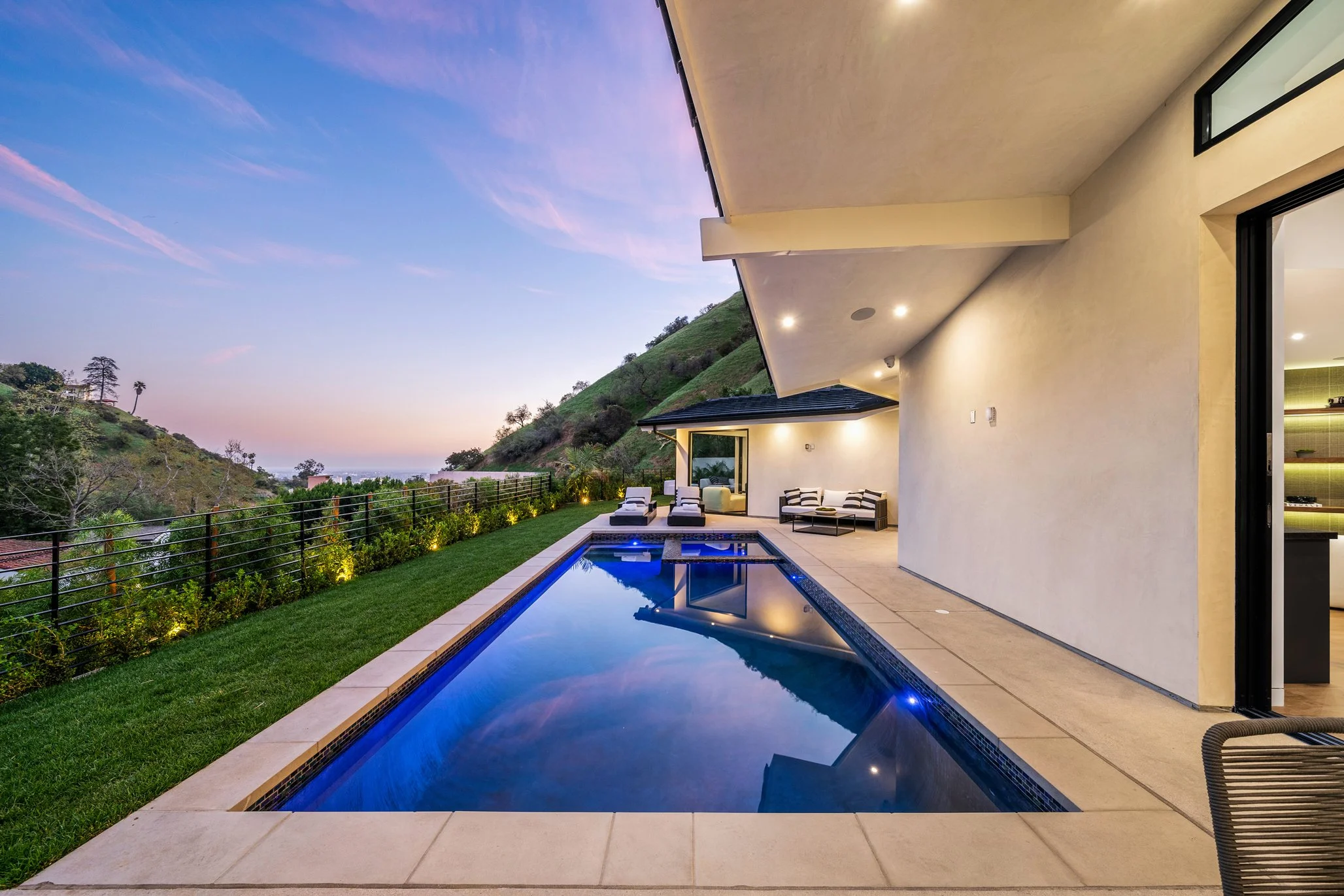
Sherman Oaks sits at a unique intersection in the San Fernando Valley close enough to the Westside to attract custom home projects, yet large enough to include everything from post-war ranch houses in the flats to hillside estates climbing into the Santa Monica Mountains.
Most contractors working in Sherman Oaks treat it as a straightforward Los Angeles project. They submit to LADBS, apply standard R1 setbacks, and discover mid-project that the lot is subject to the Baseline Mansionization Ordinance or worse, that the property sits in a Hillside Area governed by the Baseline Hillside Ordinance and requires a geotechnical report, grading plans, and a level of structural documentation they were never prepared for.
That is not how we work here.
Sherman Oaks is divided by Ventura Boulevard in a way that matters enormously to how a project is planned and built. Many properties in the flats particularly north of Ventura operate under the BMO, which governs massing, floor area, and how additions present from the street. Many properties south of the Boulevard climb into the foothills of the Santa Monica Mountains, where the Baseline Hillside Ordinance, Hillside Construction Regulations, and in some cases the Mulholland Scenic Parkway Specific Plan all shape what can be built and how.
We have built, remodeled, and added to homes throughout Chandler Estates, Sherman Oaks Hills, Magnolia Woods, Royal Woods, Longridge Estates, and the flats between the 101 and Ventura. We know which parcels trigger hillside review, what scope requires geotechnical documentation, and how to prepare submissions that move more cleanly through LADBS.
That is what building in Sherman Oaks actually requires.
WHAT BUILDING IN SHERMAN OAKS ACTUALLY REQUIRES
Sherman Oaks is not complicated but it is layered. And those layers have real consequences for homeowners who encounter them mid-project rather than at the start.
For properties in the flats, the Baseline Mansionization Ordinance governs how much floor area can be added, how upper floors relate to the first floor in massing, and how the building envelope reads from the street. In parts of Sherman Oaks, floor area and massing review can be shaped by local supplemental standards in addition to the city's broader baseline rules. We confirm the applicable controls for each parcel during feasibility.
For hillside properties, the Baseline Hillside Ordinance adds controls on site disturbance, maximum building envelope, and height measured from natural grade. The Hillside Construction Regulations translate those policies into what the permit set actually requires: geotechnical reports, grading plans, engineered foundations, retaining wall design, and structural documentation that standard flat-lot projects never need.
For homeowners, that means fewer surprises at plan check, a more realistic budget from the start, and a smoother path from design into construction.
PERMITTING AND PLAN CHECK IN SHERMAN OAKS
Most Sherman Oaks residential projects are reviewed through the Los Angeles Department of Building and Safety (LADBS). Depending on the scope and location of the property, additional review can involve zoning verification, hillside designation confirmation, grading approvals, and structural plan check.
For hillside properties south of Ventura Boulevard, geotechnical documentation and grading coordination often need to be prepared before the permit set is submitted. Hillside projects require soils and structural documentation that takes time to commission and review and the permit set must reflect those engineering conditions accurately before it goes to LADBS.
For flat-lot projects governed by the Baseline Mansionization Ordinance, floor area calculations, setback compliance, and building envelope review must be confirmed before design moves too far forward.
Submitting a permit set that does not align with these requirements often results in LADBS corrections and extended plan check timelines. Preparing the permit package thoroughly from the start helps reduce revisions and keeps projects moving through approvals more efficiently.
UNDERSTANDING SHERMAN OAKS NEIGHBORHOOD BY NEIGHBORHOOD
Sherman Oaks is not uniform. The regulatory environment, lot configuration, and what your project actually requires vary significantly depending on which side of Ventura Boulevard your property sits and in some cases, which specific street you're on.
Chandler Estates — North of the 101
One of the most established residential neighborhoods in the Valley. Tree-lined streets, spacious lots, and a strong mix of traditional ranch homes and newer custom builds. Projects here move through LADBS under flat-lot BMO standards. The housing stock spans post-war construction through more recent rebuilds, and opening walls regularly surfaces original electrical and plumbing conditions that need to be addressed before scope is committed. Large lots create strong ADU fundamentals throughout.
Sherman Oaks Hills — South of the Boulevard
Sherman Oaks' most architecturally significant residential area. Custom homes, modern estates, and larger lots on winding streets with panoramic views of the Valley. This is hillside territory — the BHO governs massing and site disturbance, and Hillside Construction Regulations require geotechnical documentation, engineered foundations, and grading plans as standard. Some properties near the top approach the Mulholland Scenic Parkway Specific Plan boundary. Our most considered structural work happens on these streets.
Longridge Estates — Hillside Luxury Enclave
Located in the hills south of Ventura Boulevard, Longridge Estates is known for large lots, private drives, and some of the most architecturally ambitious homes in Sherman Oaks. Properties here sit firmly within the Hillside Area and are governed by the Baseline Hillside Ordinance and Hillside Construction Regulations. Projects often involve significant structural engineering, retaining systems, and grading coordination — but the resulting homes take full advantage of the elevation and views across the Valley.
Magnolia Woods — The Transition Neighborhood
Located just north of Ventura Boulevard, west of Van Nuys. A mix of updated post-war homes and newer builds. Projects here are governed by the BMO and move through LADBS as flat-lot work. Strong ADU demand given lot depth and proximity to Ventura Boulevard. Post-war housing stock means structural and systems conditions behind the walls are evaluated before scope is committed.
Royal Woods — Hillside Southeast
A hillside neighborhood on the southeastern edge of Sherman Oaks with winding roads and larger sloped lots. Homes here sit under the Baseline Hillside Ordinance. Projects require geotechnical review, engineered foundations, and grading coordination. The combination of lot size and hillside position makes additions and custom builds here structurally intensive — and the results, when done correctly, are some of the most distinctive homes in the neighborhood.
The Flats — Between the 101 and Ventura
The residential area between the 101 freeway and Ventura Boulevard. A mix of single-family homes, townhomes, and condos. Flat-lot BMO standards apply throughout. Post-war housing stock is common, and structural evaluation before layout decisions is standard practice. Strong rental demand makes ADU projects here particularly active.
WHAT HOMEOWNERS DISCOVER ABOUT BUILDING IN SHERMAN OAKS
Most Sherman Oaks projects don't become complicated because of construction they become complicated because of when certain realities are discovered in the process.
The most common is the hillside designation. For properties south of Ventura, the Baseline Hillside Ordinance shapes the project earlier than most homeowners expect. Discovering that a property is in a Hillside Area after architectural drawings have been advanced means revising work that was already completed and in some cases, fundamentally rethinking what can be built on the lot.
We saw this on one Sherman Oaks Hills project where design had progressed through schematic before a geotechnical report was ordered. The slope conditions required a different foundation approach than the original structural assumptions, which cascaded into revisions to the lower-level floor plan and grading strategy. The changes were manageable on their own but because the permit set had already been submitted to LADBS, the project absorbed several months of corrections and re-review that were entirely preventable.
In the flats, the BMO creates a different but equally consequential discovery. Homeowners planning additions sometimes learn mid-design that the existing structure is already at or near the allowed floor area ratio under the ordinance meaning the addition they envisioned isn't buildable without discretionary relief that isn't guaranteed.
None of this makes Sherman Oaks difficult but it does make early evaluation essential. That's why every project we take on begins with feasibility before design.
SERVICES WE DELIVER ACROSS SHERMAN OAKS
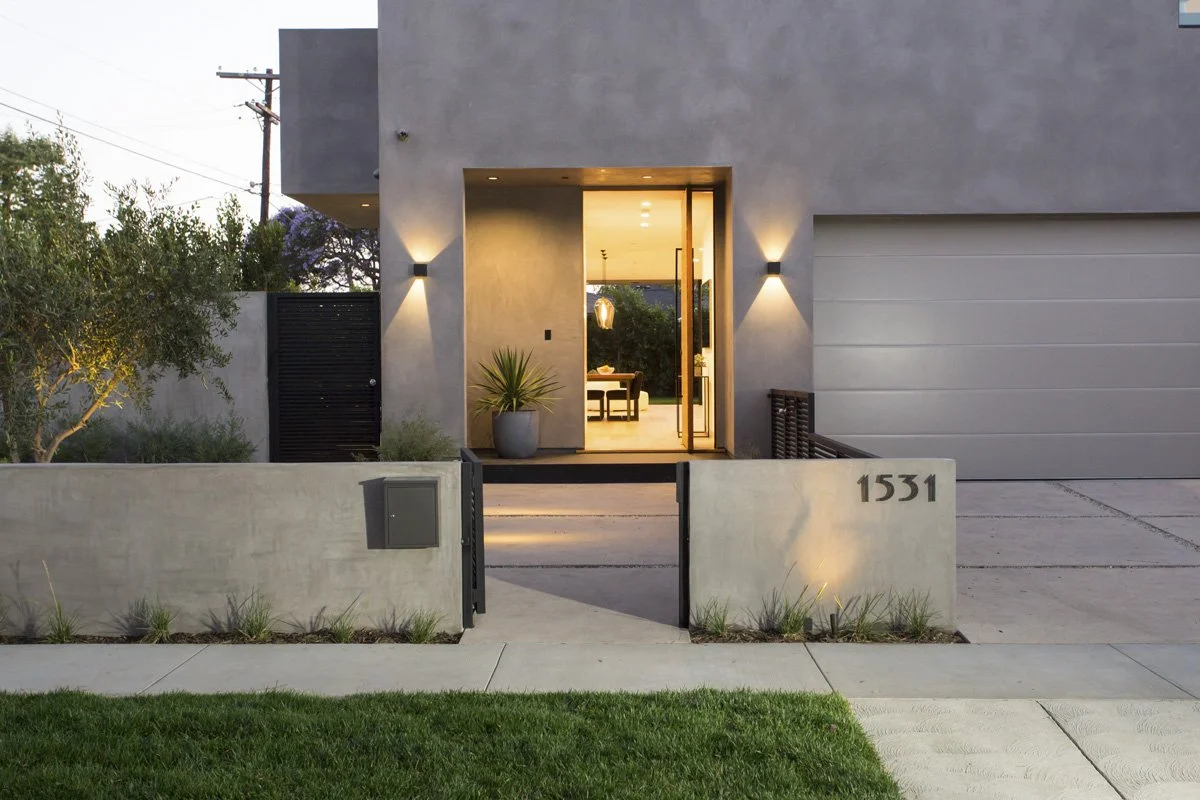
Custom Homes in Sherman Oaks
Ground-up construction in Sherman Oaks begins with one question: what does this lot actually allow, and what does it cost to build it right?
For hillside parcels, that means geotechnical assessment, BHO compliance review, grading strategy, and structural engineering before architectural drawings advance. For flat lots, BMO floor area calculations, setback compliance, and foundation evaluation all have to be resolved upfront. Structural feasibility, zoning compliance, and budget alignment are confirmed before design commitment.
What determines whether a Sherman Oaks custom home moves efficiently is almost always what was resolved before the first drawing was filed.
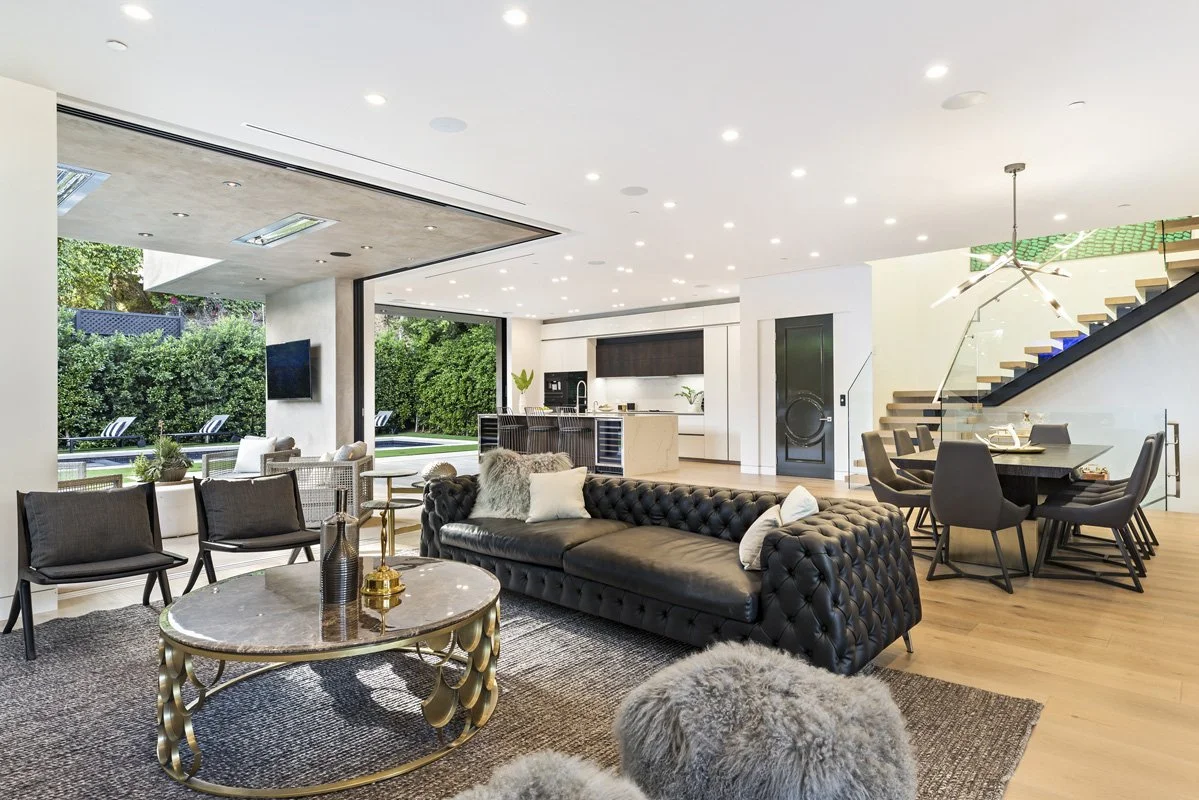
Full Home Remodeling in Sherman Oaks
The homes we remodel most often in Sherman Oaks were built between the 1950s and 1970s. They have good bones and exceptional locations. What they often have behind the walls is original electrical, outdated plumbing, and structural configurations that need to be understood before a single layout decision is made.
Whole-home remodels here require balancing two things: modernizing the interior to how you actually want to live, while managing the regulatory layers BMO massing controls in the flats, hillside structural requirements south of the Boulevard that govern exterior scope.
Interior conditions are evaluated before demolition begins. Exterior scope is confirmed before permits are filed. Finding a structural issue mid-demo on a hillside lot is a far more complicated problem than finding it during pre-construction review.
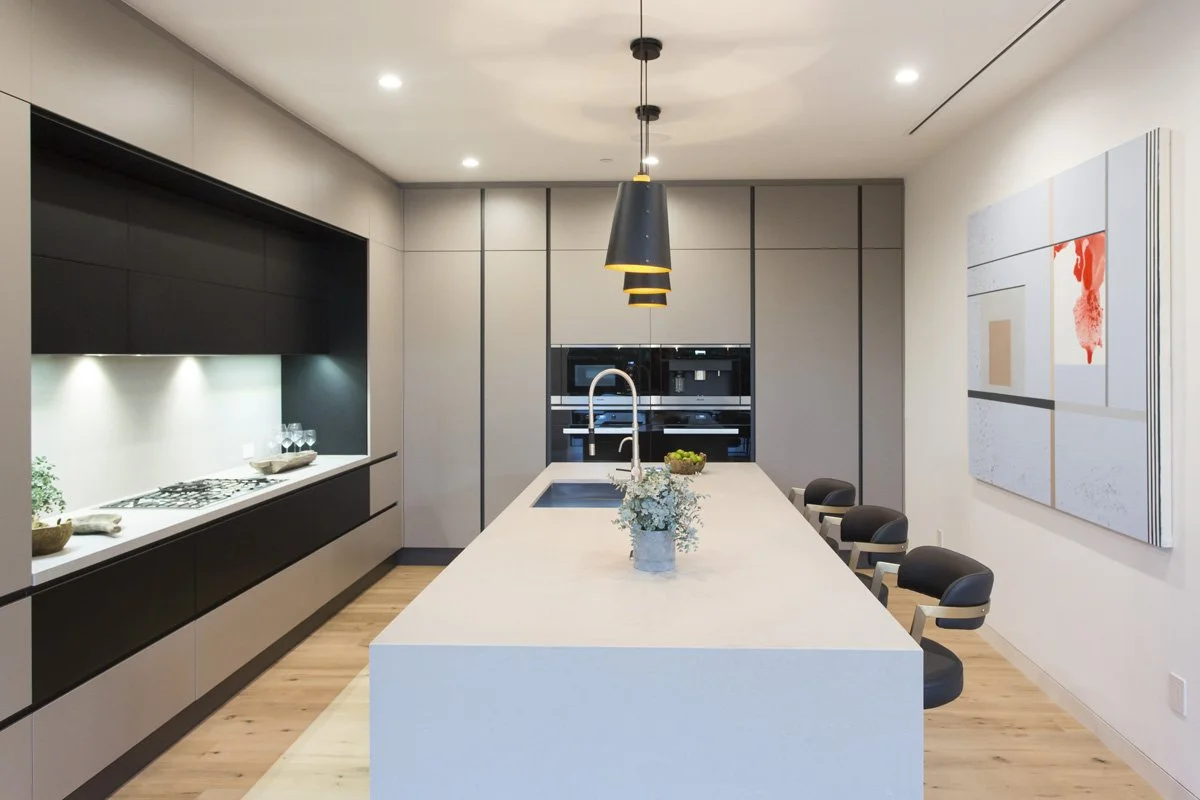
Kitchen Remodeling in Sherman Oaks
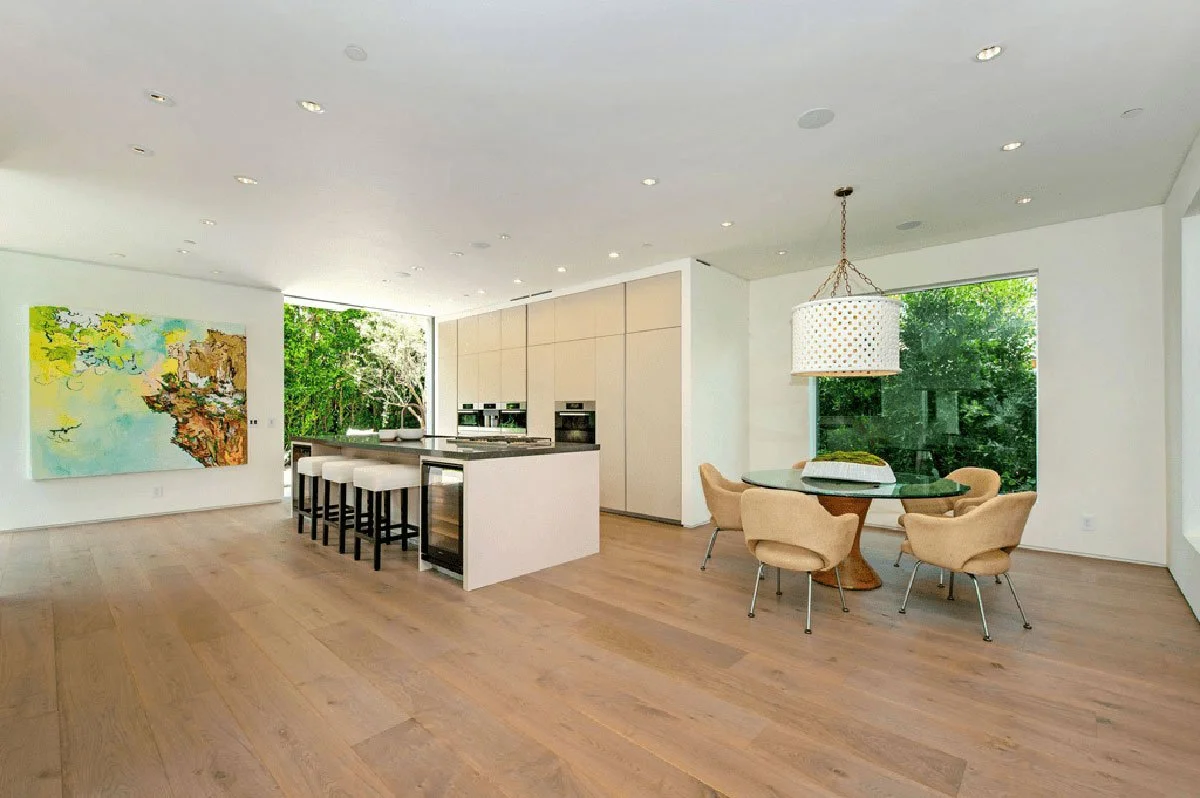
Sherman Oaks kitchens particularly in the post-war homes that define Chandler Estates and the flats were built for a different era of living. Compartmentalized layouts, walls between kitchen and dining, and undersized openings that don't reflect how families actually gather today.
Opening the plan almost always means wall removal and engineered beam work. That structural scope has to be resolved before cabinet layouts are finalized. On hillside properties, any exterior penetrations ventilation routing, window modifications are coordinated with the hillside permit package. Stone fabrication follows structural completion.
The kitchen you design at the start is the kitchen you get at the end because the structural decisions came before the design decisions, not after.
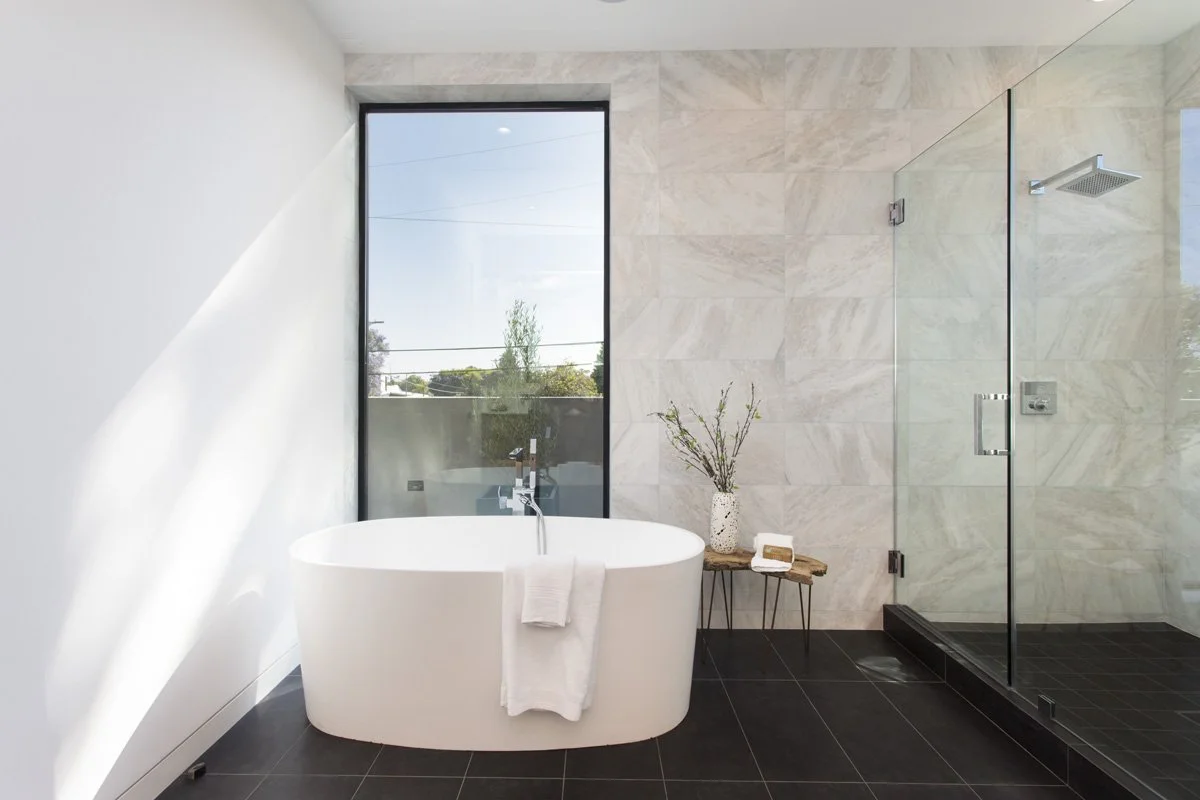
Primary Bathrooms in Sherman Oaks
Older Sherman Oaks homes carry plumbing systems that were never designed for the primary bathrooms homeowners want today. Cast iron and galvanized supply lines are common throughout the Valley's post-war housing stock and in many cases, a primary bath remodel becomes the right moment to replace them entirely rather than work around them.
Steam showers, radiant heated floors, frameless glass enclosures, and floating vanities all require disciplined rough-in sequencing before tile and finishes begin. On hillside properties, waterproofing systems and drainage routing require additional coordination given slope conditions and the structural envelope. Period details original tile, vintage hardware, architectural elements are evaluated early to determine what can be retained and what needs to be rebuilt to current standards.
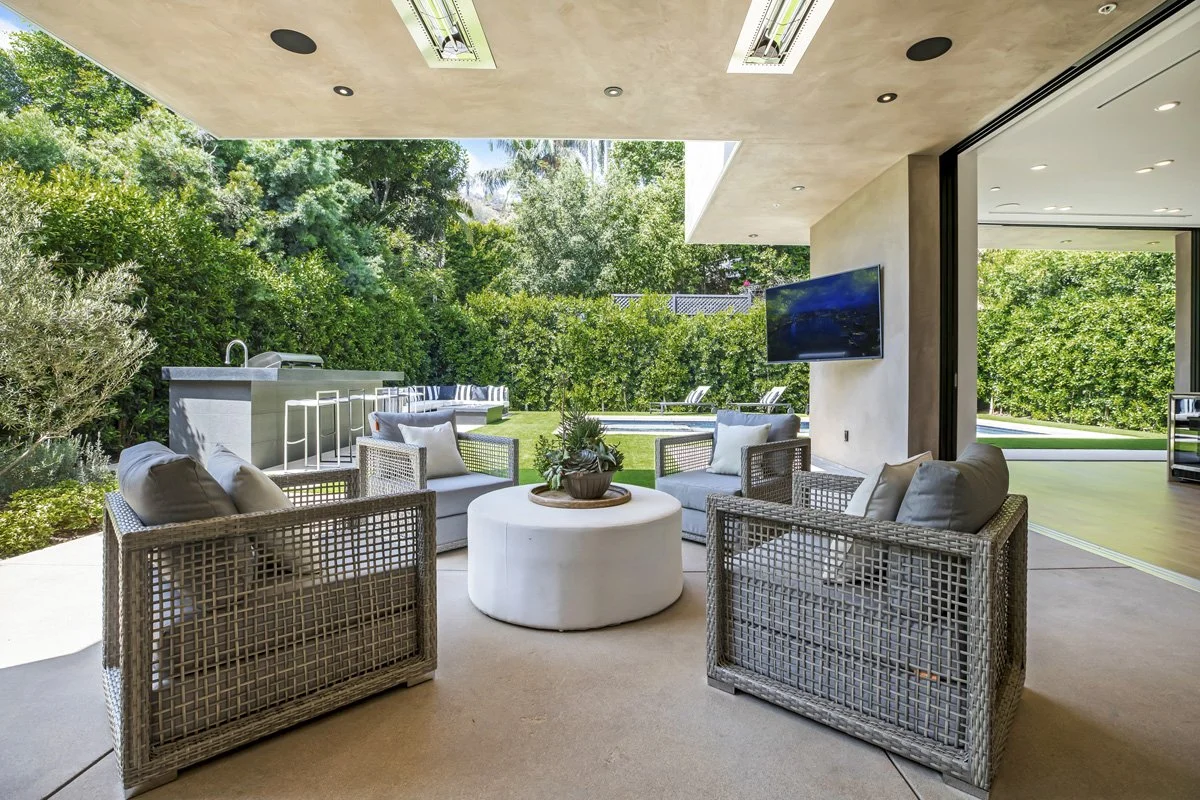
Outdoor Living in Sherman Oaks
Sherman Oaks rear yards particularly in the hills and the larger flat lots of Chandler Estates support substantial outdoor living environments within the City's setback and coverage standards.
Pools and spas on hillside lots require geotechnical review, engineered retaining walls, and grading coordination as part of the standard permit package. Flat-lot projects move through LADBS more directly. Covered patios, outdoor kitchens, and fire features are managed as a unified scope: one permit strategy, one construction sequence, one point of accountability integrated with the main project rather than handed off to a separate contractor.
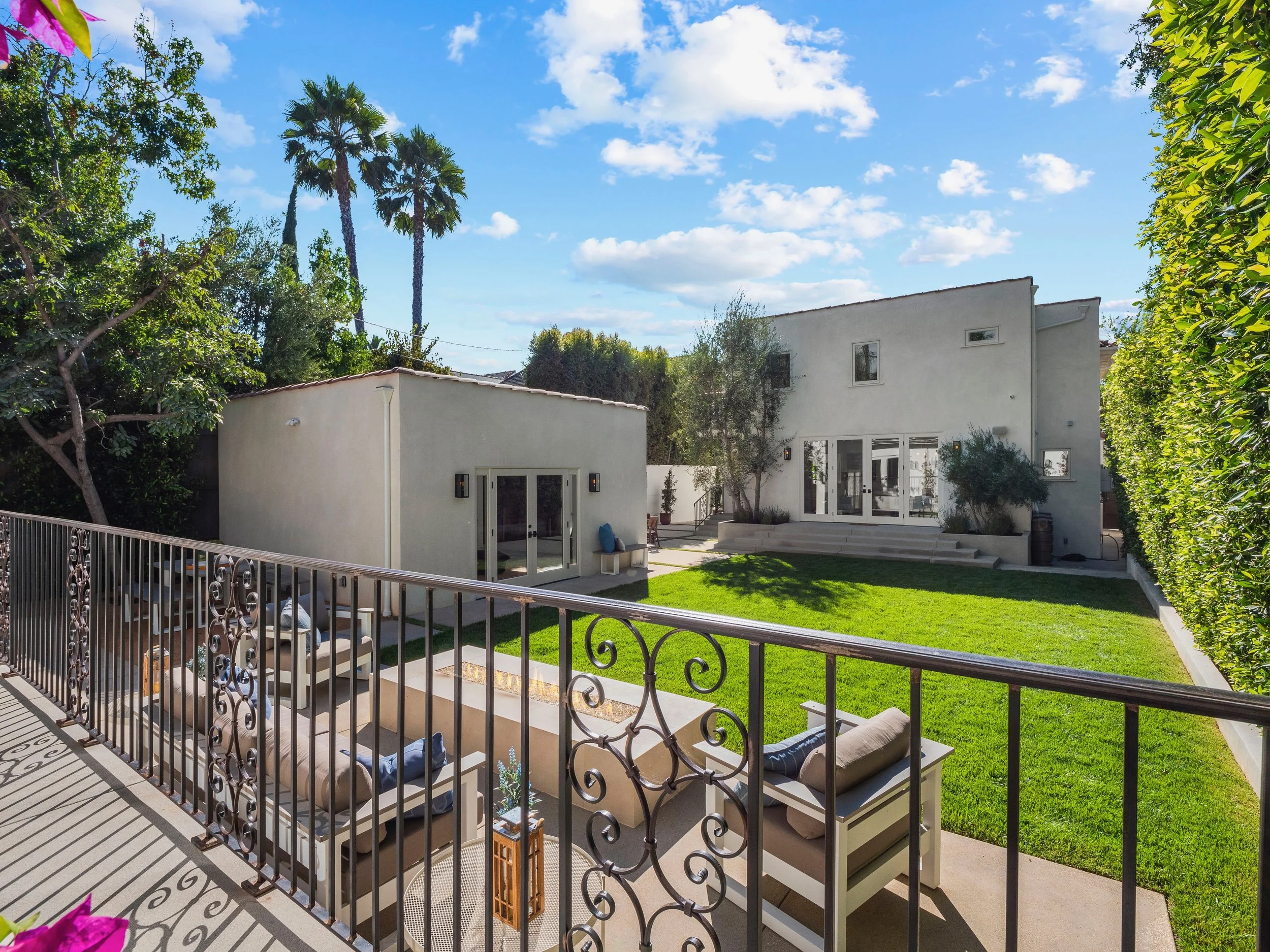
ADUs in Sherman Oaks
Sherman Oaks is one of the strongest ADU markets in the San Fernando Valley. Large flat lots in Chandler Estates and the flats, strong rental demand, and the City of Los Angeles ADU ordinance that exempts ADUs from parcel coverage and floor area calculations make the numbers work.
For hillside properties, ADU projects require the same geotechnical and grading documentation as any other hillside scope. Detached ADUs on flat rear lots have the most straightforward path. Garage conversions require coordination around parking compliance and, on hillside parcels, structural assessment of the existing garage foundation.
State law broadly allows ADUs on eligible single-family lots. The Baseline Hillside Ordinance and the BMO determine what they can look like and how they're built. We navigate both.

DESIGNING HOMES IN SHERMAN OAKS
Sherman Oaks has a specific architectural character that shapes how its homes are best approached and it goes beyond style.
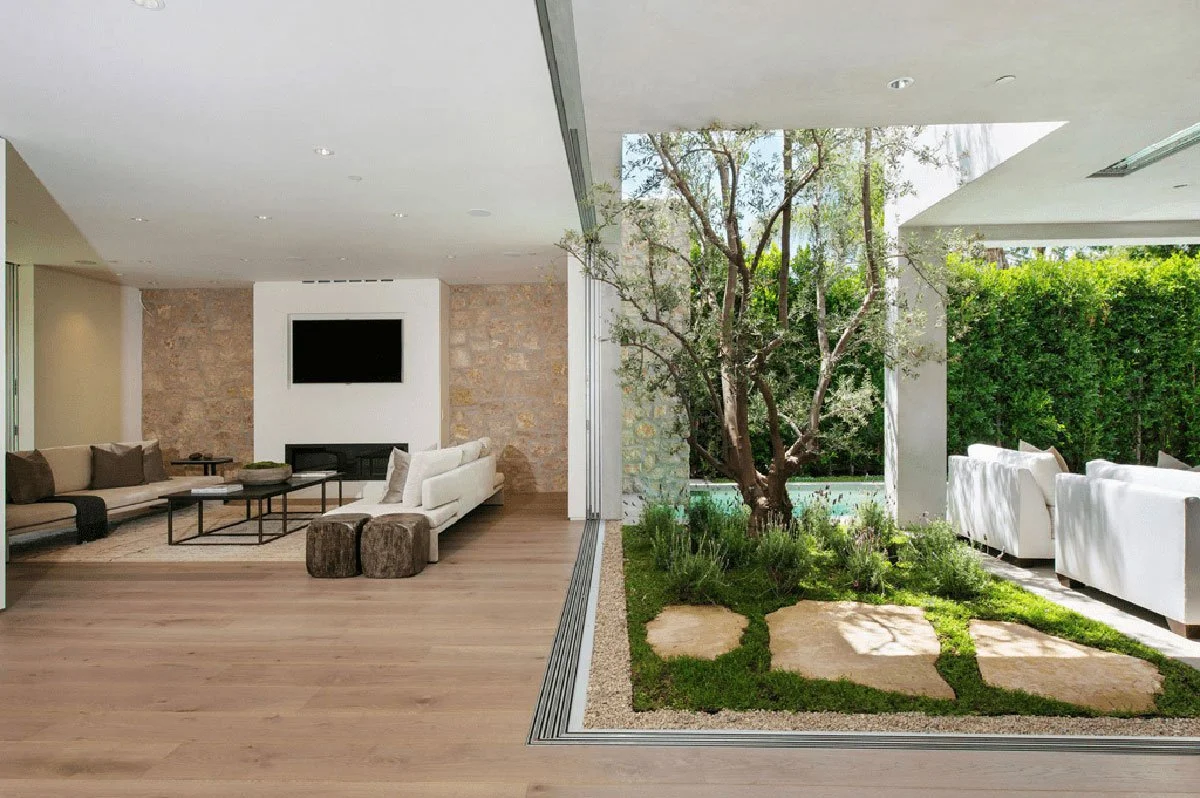
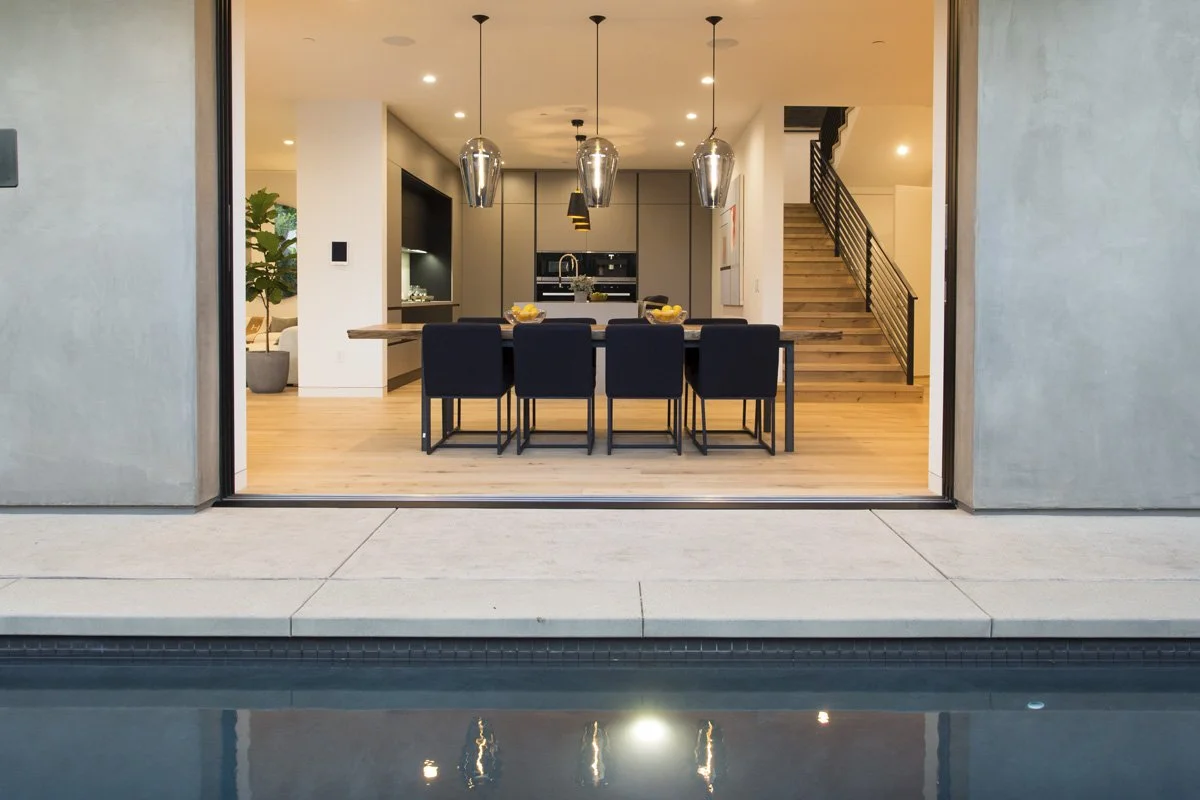
The relationship between the Valley floor and the hillside is central to how people live here. Projects in the flats often involve opening post-war floor plans that were never designed for the indoor-outdoor living that Sherman Oaks homeowners want today removing walls, relocating kitchens toward the rear of the house, creating covered transitions between inside and outside that function as usable rooms year-round.
In the Sherman Oaks Hills, the work is different in scale but consistent in ambition. Additions here are evaluated for how they relate to the primary structure roofline, massing, proportion before architectural detailing begins. The views from these lots are earned. Projects that contribute to the neighborhood's character require architectural judgment alongside structural discipline.
Many Sherman Oaks projects begin with an architect already engaged. We enter during design development BMO compliance confirmed, hillside status assessed, structural feasibility evaluated, budget calibrated so that the design being refined is the design that will actually be built. When those things are aligned early, the collaboration between architect, builder, and client produces work none of them could have created independently.
That approach is at the core of how we work. Learn more at our design-build page.
HOW WE OPERATE
In Sherman Oaks, preparation is not optional.
Every project begins with feasibility hillside designation confirmed, BMO floor area calculated, structural conditions evaluated, budget aligned before architectural commitment.
Hillside designation, structural feasibility, and regulatory constraints are confirmed before design advances. When those conditions are understood early, projects move through design, permitting, and construction far more smoothly.
We call this Build with Intention.
RECENT PROJECTS
-
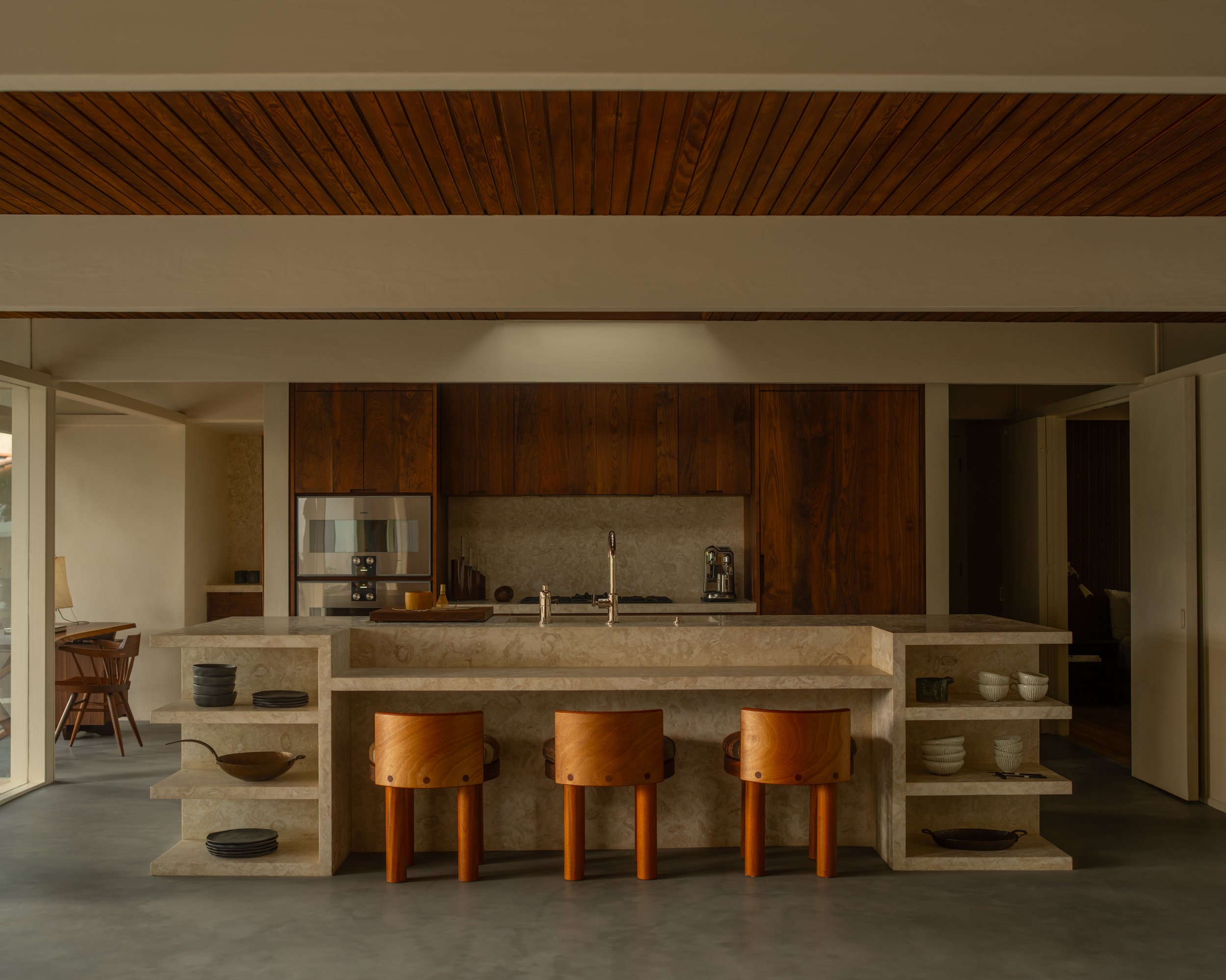
![luxury custom kitchen with stone island, wood cabinetry, and modern bar seating in La Cuesta Los Angeles home]()
LA CUESTA
-
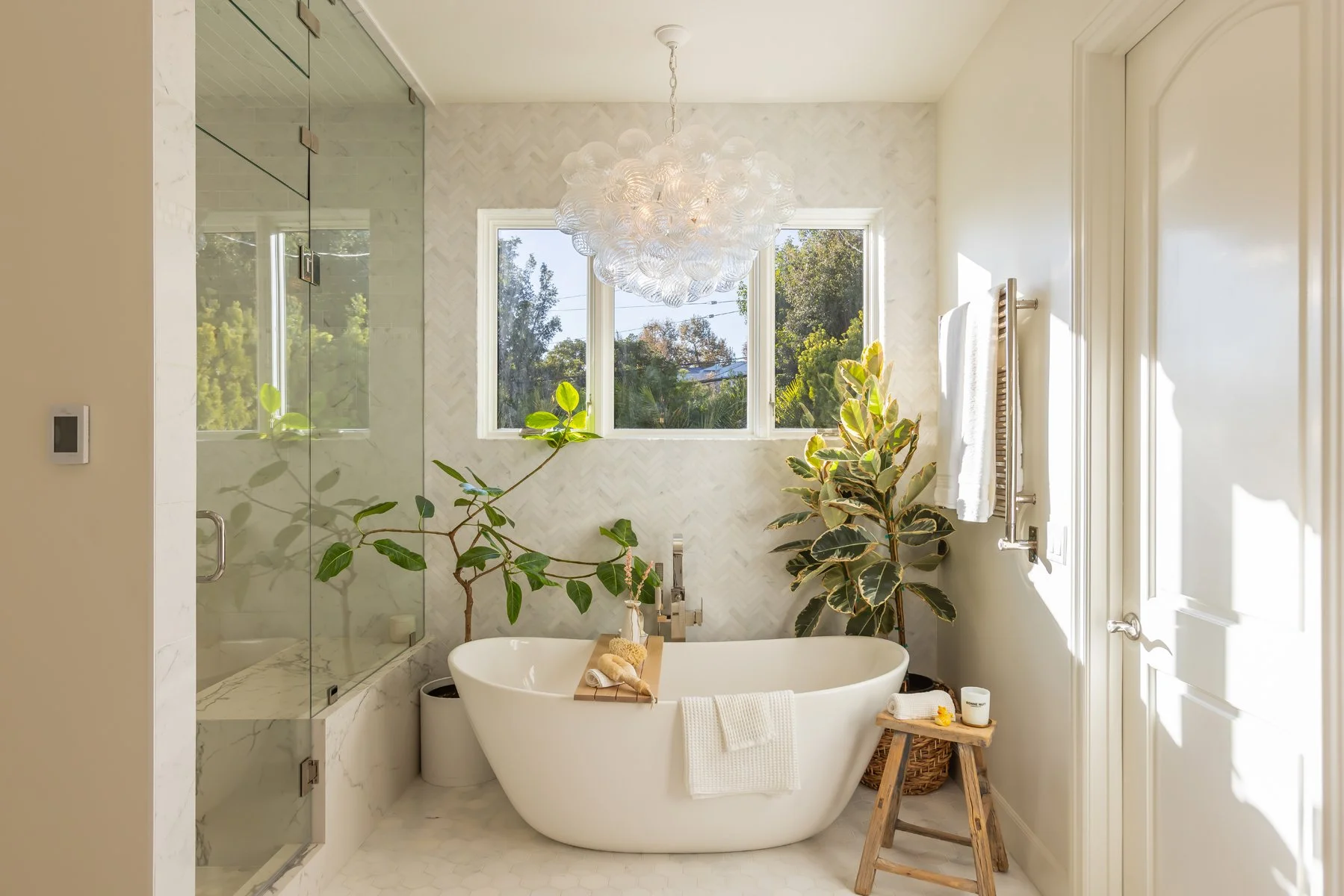
![BRENTWOOD luxury bathroom with freestanding soaking tub, marble walk-in shower, herringbone tile walls, and sculptural glass chandelier framed by natural light and greenery views.]()
BRENTWOOD
-
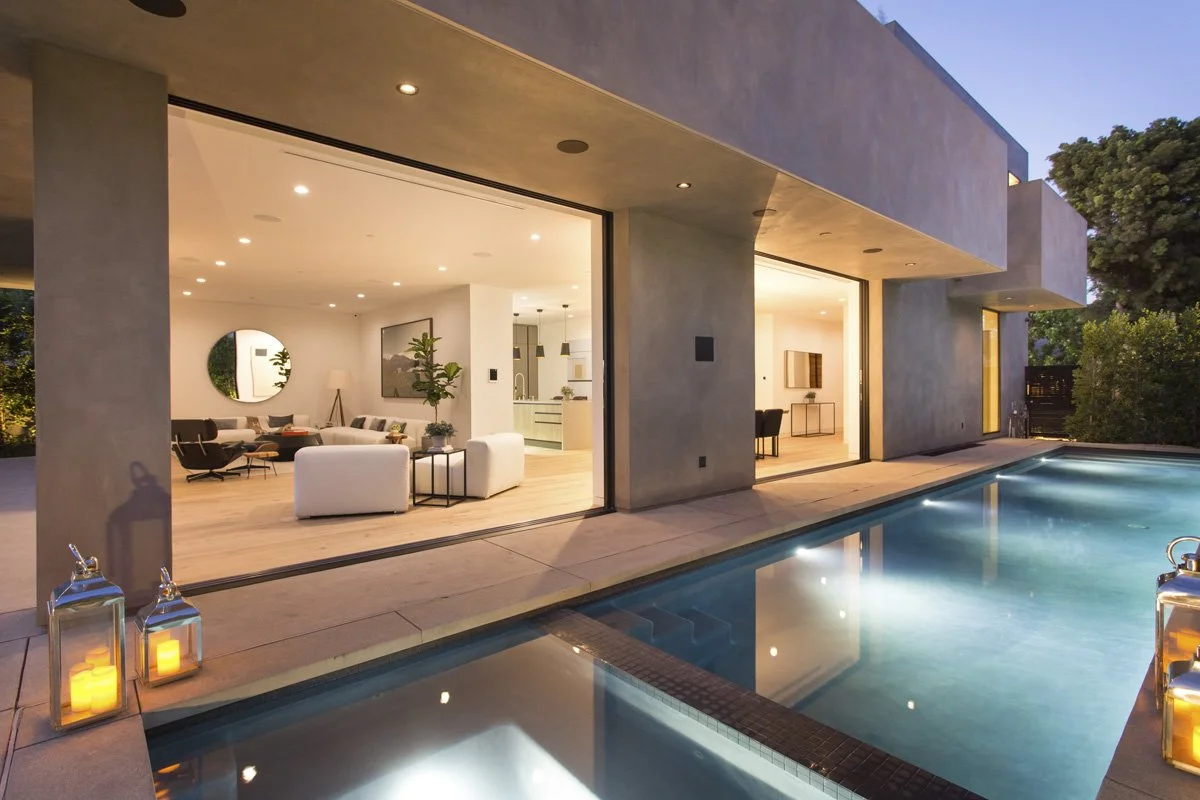
![Contemporary Venice custom home with large sliding glass walls opening to a poolside patio and modern indoor-outdoor living.]()
VENICE
-
![Modern West Hollywood courtyard home with glass walls opening to a landscaped interior garden and bright minimalist living space.]()
WEST HOLLYWOOD COURTYARD
-
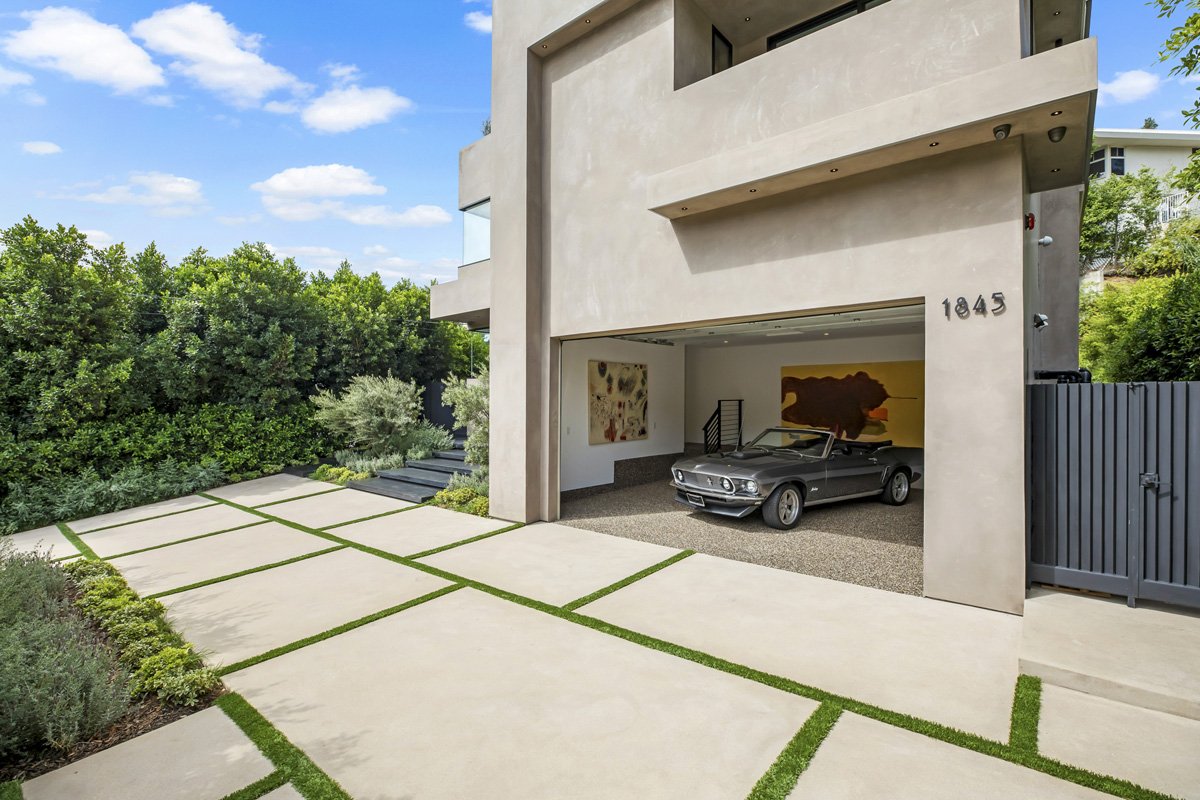
![Modern Beverly Hills home exterior with open garage and contemporary driveway design]()
BEVERLY HILLS
-
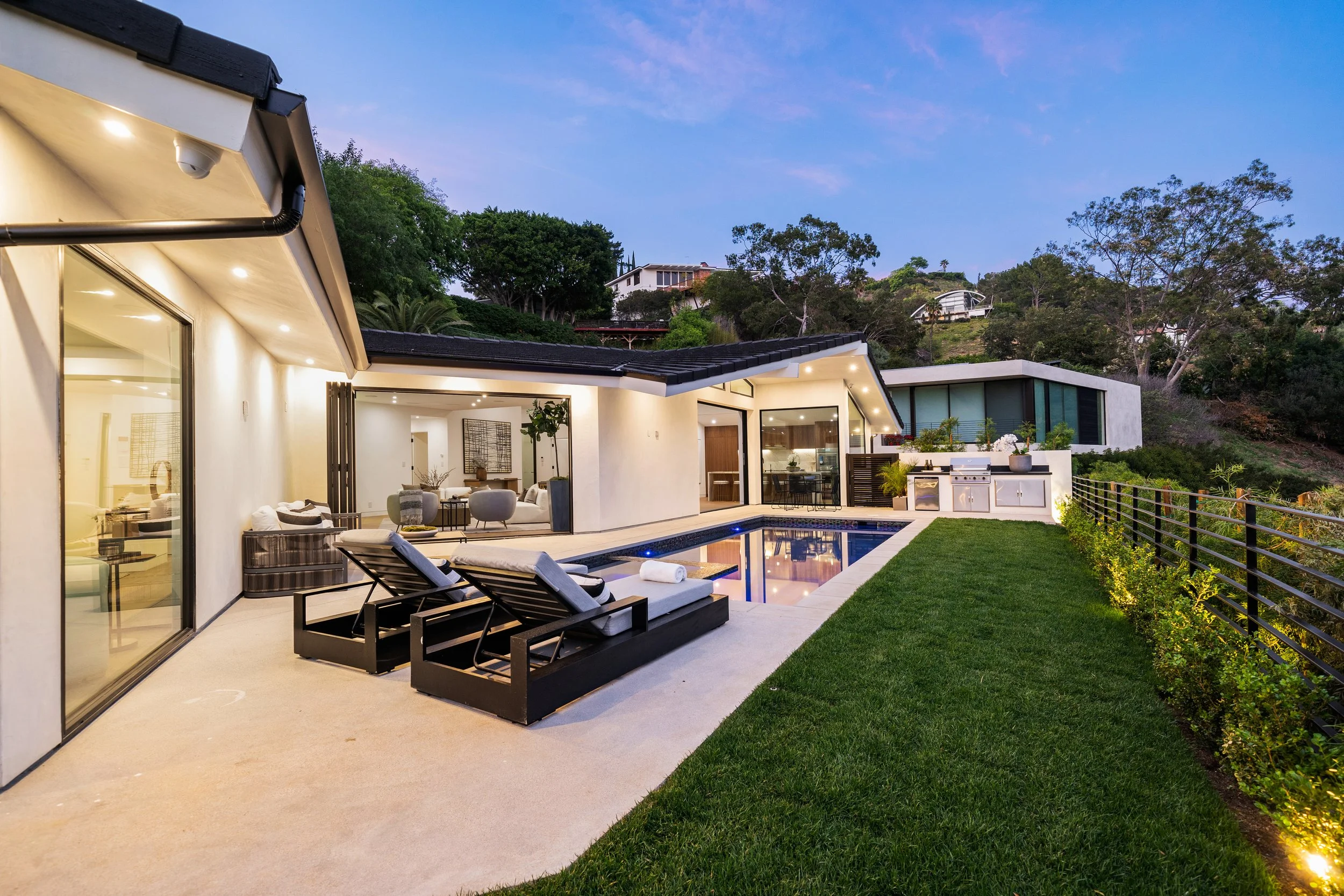
![modern Hollywood Hills custom home with backyard pool, outdoor lounge seating, and indoor outdoor living design]()
HOLLYWOOD HILLS
FREQUENTLY ASKED QUESTIONS ABOUT BUILDING IN SHERMAN OAKS
-
Custom homes typically range from $550–$900+ per square foot, depending on lot conditions, hillside status, structural scope, and finish level. Hillside properties require geotechnical reports, engineered foundations, and grading plans that add pre-construction cost and time. Budget and schedule alignment happens before design commitment.
-
Whole-home remodels generally range from $325–$650+ per square foot, depending on structural scope, systems replacement, hillside requirements, and finish level. Hillside properties and homes with significant post-war systems conditions typically push toward the higher end.
-
Kitchen remodels typically range from $80,000–$220,000+, depending on layout reconfiguration, structural work, custom cabinetry, and materials. Post-war framing and plumbing conditions often expand scope once walls are opened. See our Kitchen Remodel Cost Guide for a full breakdown.
-
Primary bathroom remodels generally range from $40,000–$120,000+, depending on plumbing scope, waterproofing systems, radiant floor installation, and material selection. See our Bathroom Remodel Cost Guide for a full breakdown.
-
Detached ADUs typically range from $250,000–$500,000+. Garage conversions generally range from $120,000–$250,000+. Hillside properties add structural and geotechnical documentation requirements that affect both cost and timeline.
-
Outdoor living projects vary significantly by scope. A covered patio with an outdoor kitchen typically ranges from $65,000–$160,000+. Pool and spa additions generally range from $120,000–$340,000+, with hillside lots requiring additional geotechnical and structural scope. See our Outdoor Living Cost Guide for a full breakdown.
-
Most single-family lots in Sherman Oaks are subject to the BMO, which governs floor area, massing, and how additions present from the street. In parts of Sherman Oaks, floor area and massing review can be shaped by local supplemental standards in addition to the city's broader baseline rules. We confirm the applicable controls for each parcel — including BMO floor area calculations — as part of our standard pre-construction feasibility review.
-
Properties in the Sherman Oaks Hills and other areas south of Ventura Boulevard that sit within designated Hillside Areas are subject to the BHO and Hillside Construction Regulations. Two adjacent properties can be treated very differently depending on exact parcel conditions. We confirm hillside status and what it means for your specific scope as part of our feasibility review — before design begins.
-
The BHO governs site disturbance, maximum building envelope, and height measured from natural grade. The Hillside Construction Regulations require geotechnical reports, grading plans, engineered foundations, and retaining wall design as standard documentation for hillside projects. We manage this as a single integrated process.
-
Yes. We manage hillside designation confirmation, geotechnical report coordination, grading plan preparation, structural engineering coordination, and LADBS plan check — as a single integrated process from the start of every hillside project.
-
Yes. We provide Coastal Zone assessment, structural feasibility input, and budget calibration during design development — before the permit set is submitted — so architectural intent and permit requirements are aligned from the beginning. Learn more about our design-build process.
For homeowners researching rebuild timelines, permitting requirements, and realistic construction budgets, we’ve created detailed guides that explain the process clearly and practically.
Explore:
These resources break down structural considerations, approval timelines, and real-world budget ranges to help you plan with clarity.
Explore All Neighborhoods We Serve
Heart Construction builds custom homes and major remodels across Los Angeles — from coastal and hillside communities to estate neighborhoods, valley properties, and urban infill areas.
See how neighborhood context shapes our approach across the city and check where we build
PLANNING A PROJECT IN SHERMAN OAKS?
Sherman Oaks rewards preparation. Projects that begin with proper feasibility hillside status confirmed, BMO floor area calculated, permitting strategy mapped, structural conditions evaluated move much more smoothly through design and approvals.
Let's review your property and talk through realistic timeline and budget.
You do not need to know the ordinance language before reaching out. That is our job.