
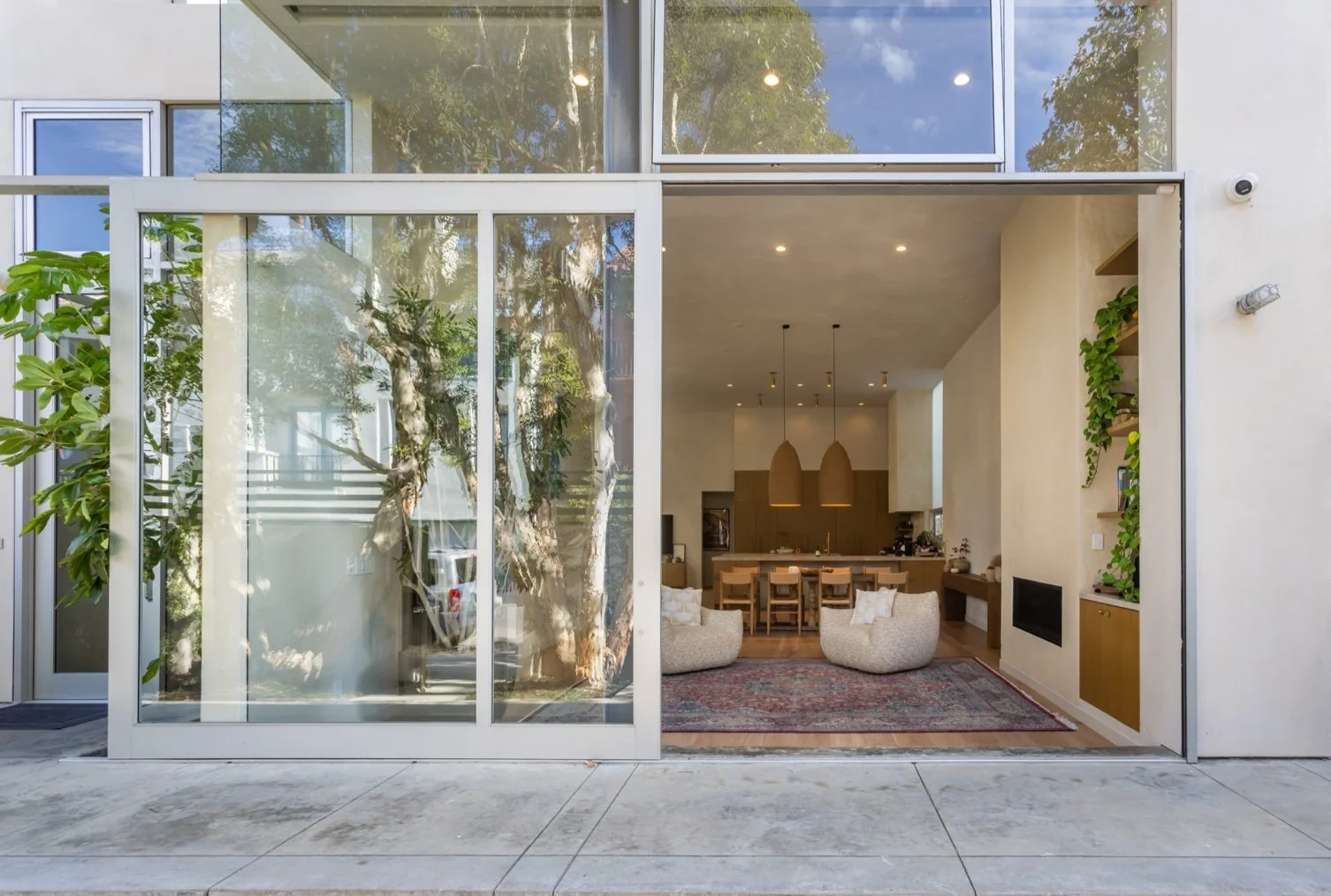
MARINA DEL REY CUSTOM HOME BUILDER & GENERAL CONTRACTOR
CUSTOM HOMES, FULL REMODELS & WATERFRONT RENOVATIONS BUILT WITH INTENTION ON THE PACIFIC
We Do Not Approach Marina del Rey as Another Los Angeles Job
Most contractors who work in Marina del Rey submit permits to LADBS.
That is the first mistake.
Marina del Rey is not part of the City of Los Angeles. It is unincorporated Los Angeles County and that distinction changes everything about how a project is permitted, reviewed, and approved.
Building permits move through LA County, not LADBS. The area sits entirely within the California Coastal Zone, which means projects that add square footage, change height, or modify the building exterior require Coastal Development Permit review a separate approval track that most LADBS-only contractors have never navigated.
Submitting to the wrong agency.
Filing an incomplete coastal application.
Missing the Coastal Commission review window.
In Marina del Rey, those mistakes cost months not days.
We build here with direct experience navigating this regulatory structure. We know which agency reviews what, how coastal permitting integrates with County plan check, and how neighborhood-specific conditions in places like Silver Strand and the canal streets affect access, staging, and design.
Marine exposure is not a design detail here it is a material requirement that affects every exterior assembly on every project.
That understanding is what keeps projects moving.

What Building in Marina del Rey Actually Requires
Marina del Rey operates under overlapping approval requirements that must be aligned from the beginning.
County building permits move through the LA County Department of Regional Planning not LADBS. The application process, plan check procedures, and inspection sequencing are different from anything in the City of Los Angeles. Contractors who don’t know this file with the wrong agency and spend months correcting it.
On top of county permitting, Marina del Rey sits entirely within the Coastal Zone. Projects that increase intensity of use added square footage, new structures, exterior changes require a Coastal Development Permit. Certain waterfront and canal-adjacent properties may also fall under direct California Coastal Commission jurisdiction.
Most Marina del Rey residential projects require:
• LA County plan check and permit issuance
• Coastal Development Permit review
• Coastal Commission jurisdiction awareness for waterfront parcels
• Title 24 energy compliance
• Structural engineering coordination before design advances
• Marine-grade material specification throughout exterior assemblies
• Right of Entry coordination with LA County Beaches and Harbors for canal and waterfront work
• Environmental buffer analysis for properties near Ballona Lagoon
Projects that arrive without a complete, consistent application package enter correction cycles that add months. We prepare everything before the first sheet is submitted.
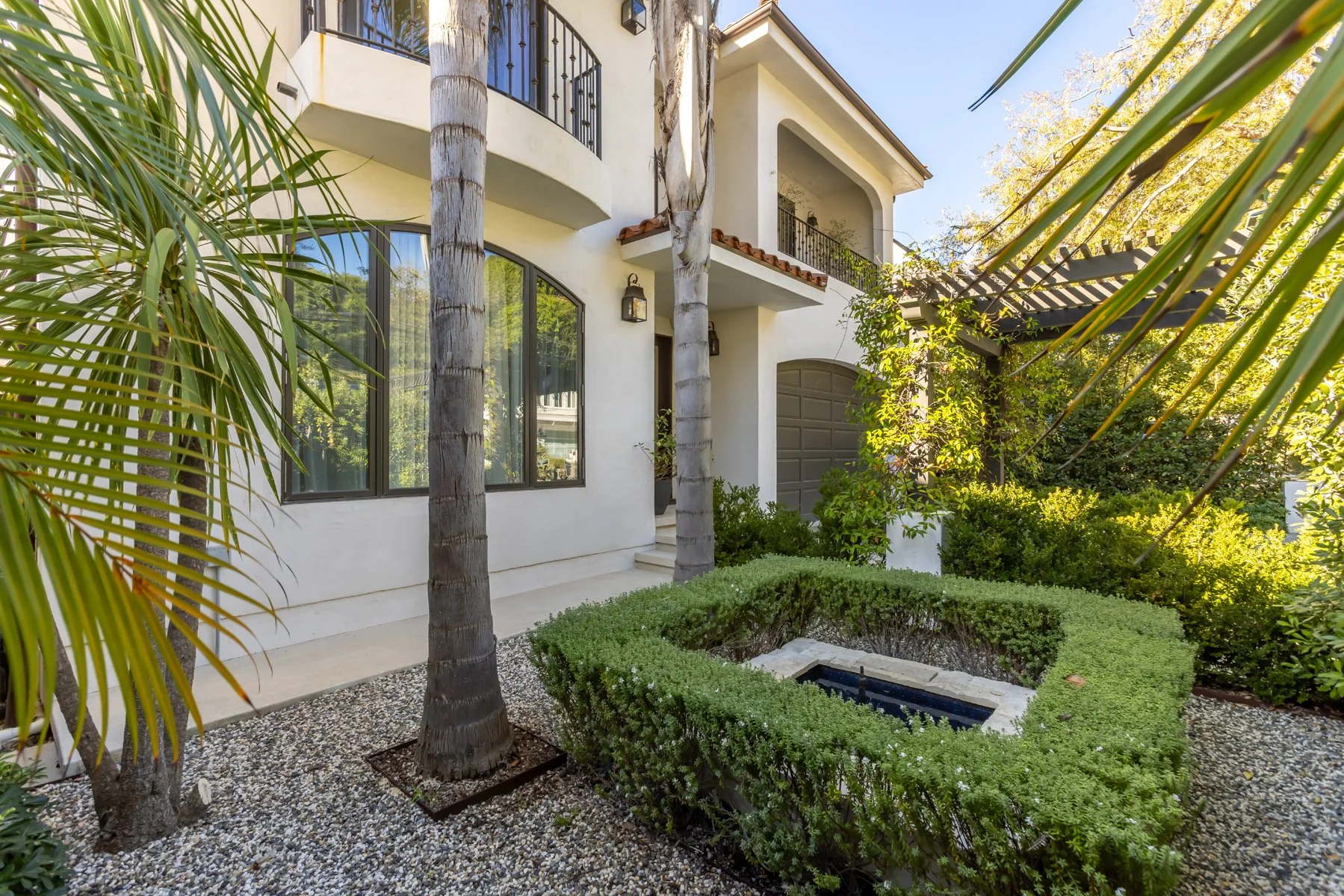
Understanding Marina del Rey Neighborhood by Neighborhood
Marina del Rey is not uniform. Each area carries different construction and regulatory realities.
Silver Strand
Silver Strand is the most exclusive residential enclave in Marina del Rey narrow lots fronting pedestrian malls, with vehicular access exclusively from rear alleyways. That access structure was established in the original subdivision approval and is still enforced today.
Homes here rise vertically under a 45-foot height limit, often three to four stories. Additions and remodels must maintain compatibility with that established character.
Marine air exposure is constant. Every exterior assembly hardware, fasteners, windows, cladding, roofing must be specified for salt air from the beginning. Standard hardware in this environment becomes a warranty issue within a few years.
Coastal review is active here. Projects that add square footage, change height, or affect the pedestrian mall relationship require careful permit preparation.
Marina Peninsula
The Marina Peninsula shares similar conditions rear alley access, pedestrian malls, coastal exposure, and the same height and character compatibility standards.
The housing stock dates predominantly to the 1970s and 1980s. Full remodels here frequently require complete system replacement electrical, plumbing, HVAC before any aesthetic work begins.
The Canal Streets
Linnie Canal, Carroll Canal, Sherman Canal, and Howland Canal define one of the most distinctive residential environments in Los Angeles.
Canal-front work introduces permit requirements beyond the standard building permit. Any work affecting docks, bulkheads, or requiring access across County-owned property requires a Right of Entry Permit from LA County Beaches and Harbors.
Properties near Ballona Lagoon a protected habitat area may require additional environmental review and construction management conditions.
Indoor-outdoor integration toward the water defines design direction here. All exterior materials must be specified for direct marine exposure.
Admiralty Way and Via Marina
The inner harbor ring consists largely of mid-rise residential structures from the marina’s original development era. Remodeling is common.
Projects that affect view corridors toward the harbor require analysis before design is committed view protection is part of the coastal approval framework here.
Del Rey Jurisdictional Fringe
East of Lincoln Boulevard, jurisdiction shifts back to the City of Los Angeles and LADBS. That boundary is not always obvious from an address.
Jurisdiction verification is the first step in every Marina del Rey project.
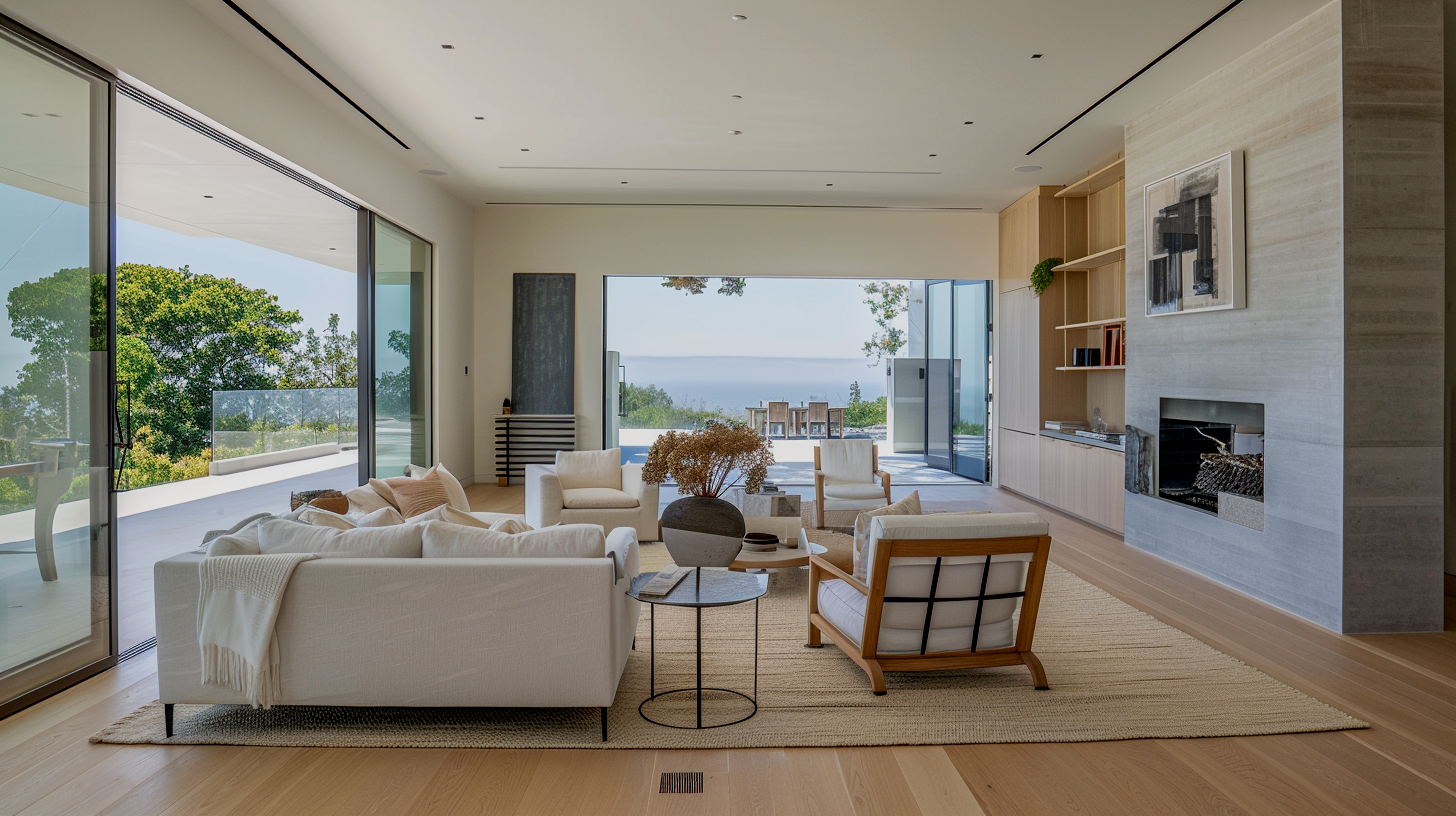
What Contractors Get Wrong on the Coastal Permit
The most common mistake is treating the Coastal Development Permit as a box to check file it alongside the building permit and it resolves itself.
It doesn’t work that way.
A CDP application has to demonstrate that the project is consistent with coastal land use policies public access, view protection, neighborhood character, and development intensity. An application that doesn’t address those elements doesn’t get approved. It gets a correction letter that resets the review clock.
On one Marina del Rey project, a homeowner had advanced full architectural drawings when we identified that the proposed rooftop deck expansion triggered coastal review concerns that hadn’t been addressed. We restructured the application, added the required consistency analysis, and filed a complete submission. The project moved through review without a correction cycle.
That preparation is what keeps projects on schedule here.
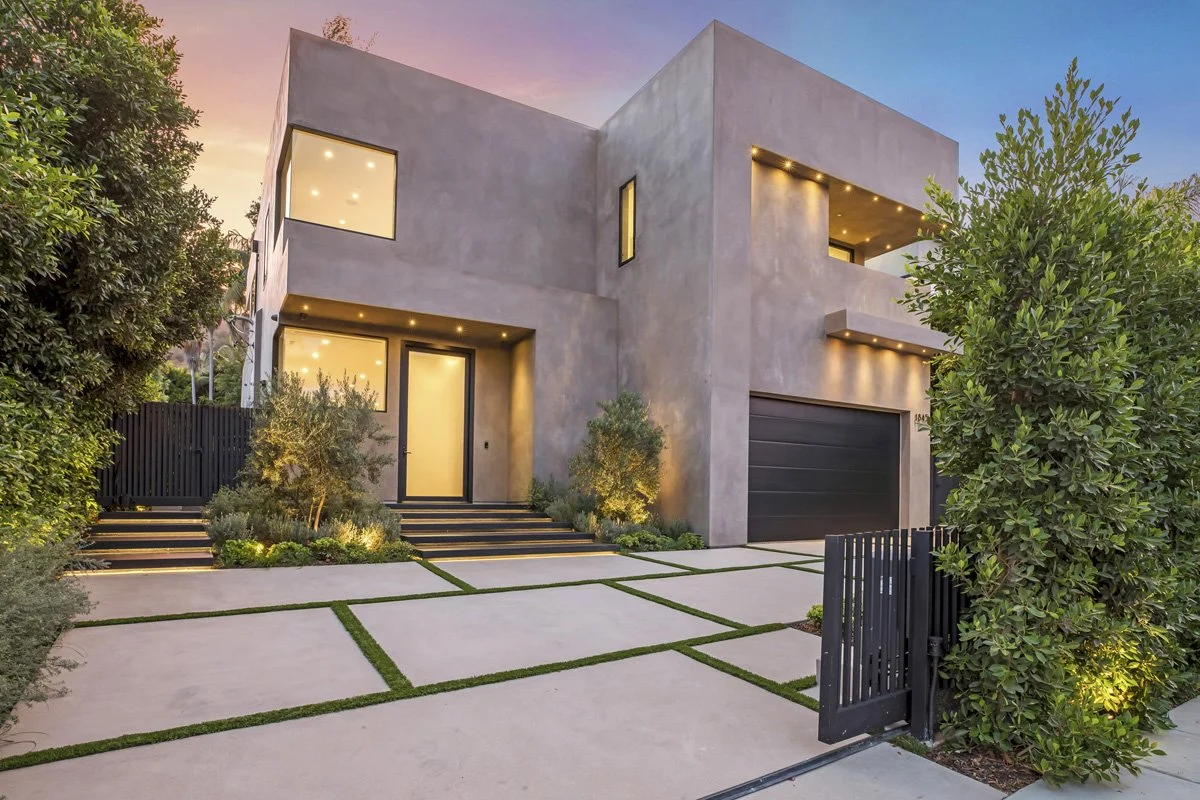
Custom Homes in Marina del Rey
Ground-up construction begins with jurisdiction verification and coastal feasibility not renderings.
Before design advances, we confirm which agency has permit authority, whether coastal review is required, and whether the proposed scope is consistent with the neighborhood’s development parameters. Those answers shape everything that follows.
Our pre-construction framework includes jurisdiction verification, coastal permit preparation running parallel to building permit documentation, marine-grade material specification from the first design meeting, structural engineering alignment before schematic design advances, canal and waterfront coordination where applicable, and budget calibration before any submission.
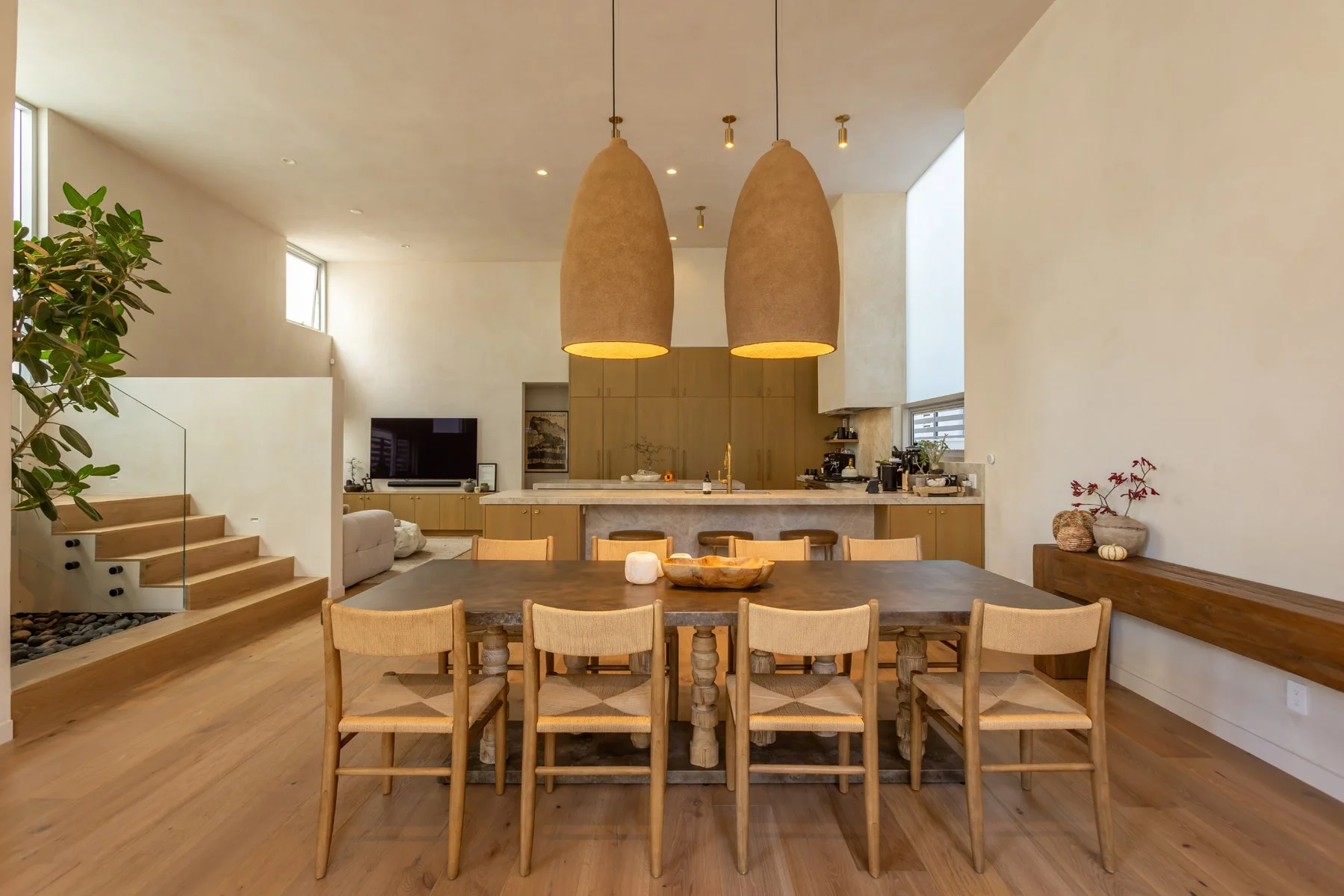
Full Home Remodeling in Marina del Rey
Marina del Rey’s housing stock was built primarily in the 1960s through 1980s. That era carries consistent variables aging electrical systems, plumbing that requires full replacement, HVAC configurations that no longer serve reconfigured layouts, and structural framing that must be evaluated before walls are opened.
Exterior modifications that change the facade, roofline, or square footage require Coastal Development Permit review. Interior reconfiguration that doesn’t affect the exterior profile typically does not.
Understanding that distinction and preparing correctly when CDP review is required is what keeps remodel projects on schedule

Kitchen Remodeling in Marina del Rey
Kitchens in Marina del Rey’s older homes were built for a different era of living. Opening compartmentalized layouts to current open-plan configurations requires structural wall removal and engineered beam integration that must be coordinated before cabinet layouts are finalized.
Marine exposure influences hardware, fixtures, and ventilation specification throughout. That decision is made at the design stage not after installation.
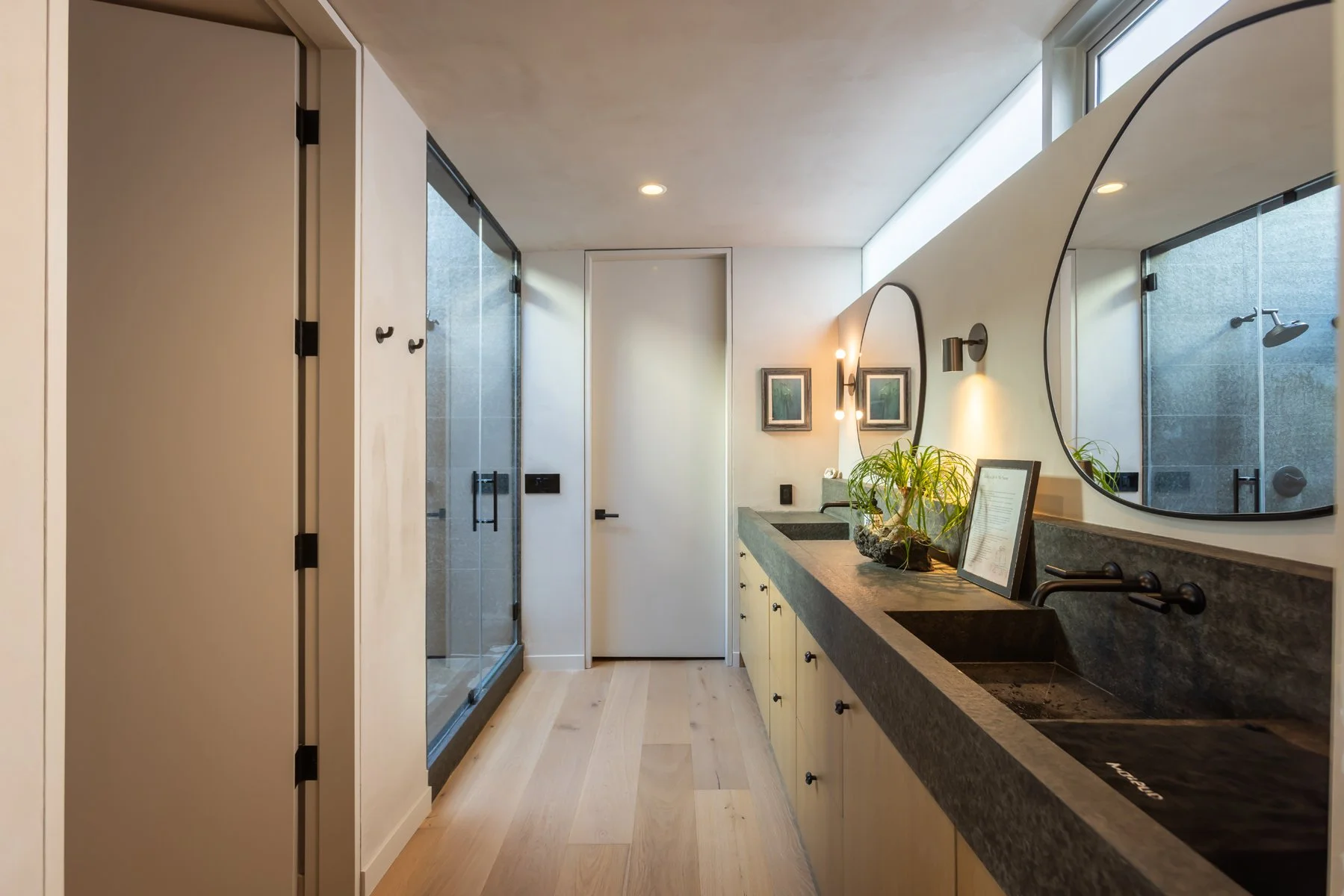
Primary Bathrooms in Marina del Rey
Plumbing systems in Marina del Rey’s older housing stock frequently require full replacement rather than modification.
Waterproofing in a marine environment must be installed precisely moisture intrusion here accelerates in ways that are expensive to remediate after finishes are in place.
Steam systems, radiant floors, frameless glass enclosures, and soaking tubs all require coordinated rough-in sequencing before tile work begins.
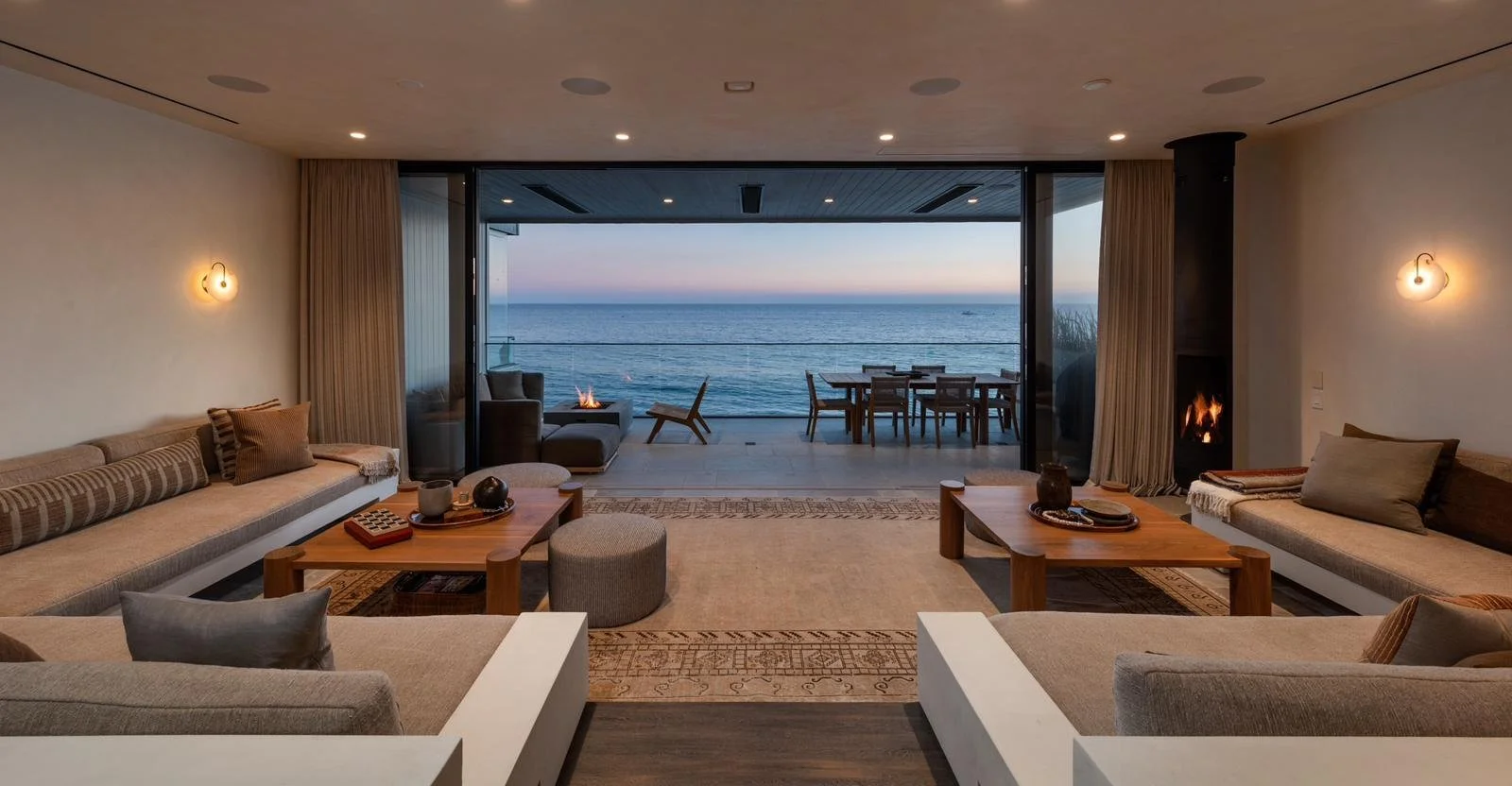
Waterfront and Canal-Front Projects
Canal-front and waterfront homes represent the most technically complex and most architecturally rewarding residential construction in Marina del Rey.
Any work affecting docks, bulkheads, or requiring staging access across County-owned property requires a Right of Entry Permit from LA County Beaches and Harbors. That permit must be in place before work begins.
Indoor-outdoor integration toward the water defines design direction here multi-panel door systems, dock-level entertaining areas, marine-grade outdoor kitchens. Every exterior material must be specified for salt air conditions from the beginning of design.
We coordinate building permits, coastal permits, Right of Entry permits, structural engineering, and construction sequencing as one unified project one point of contact throughout.
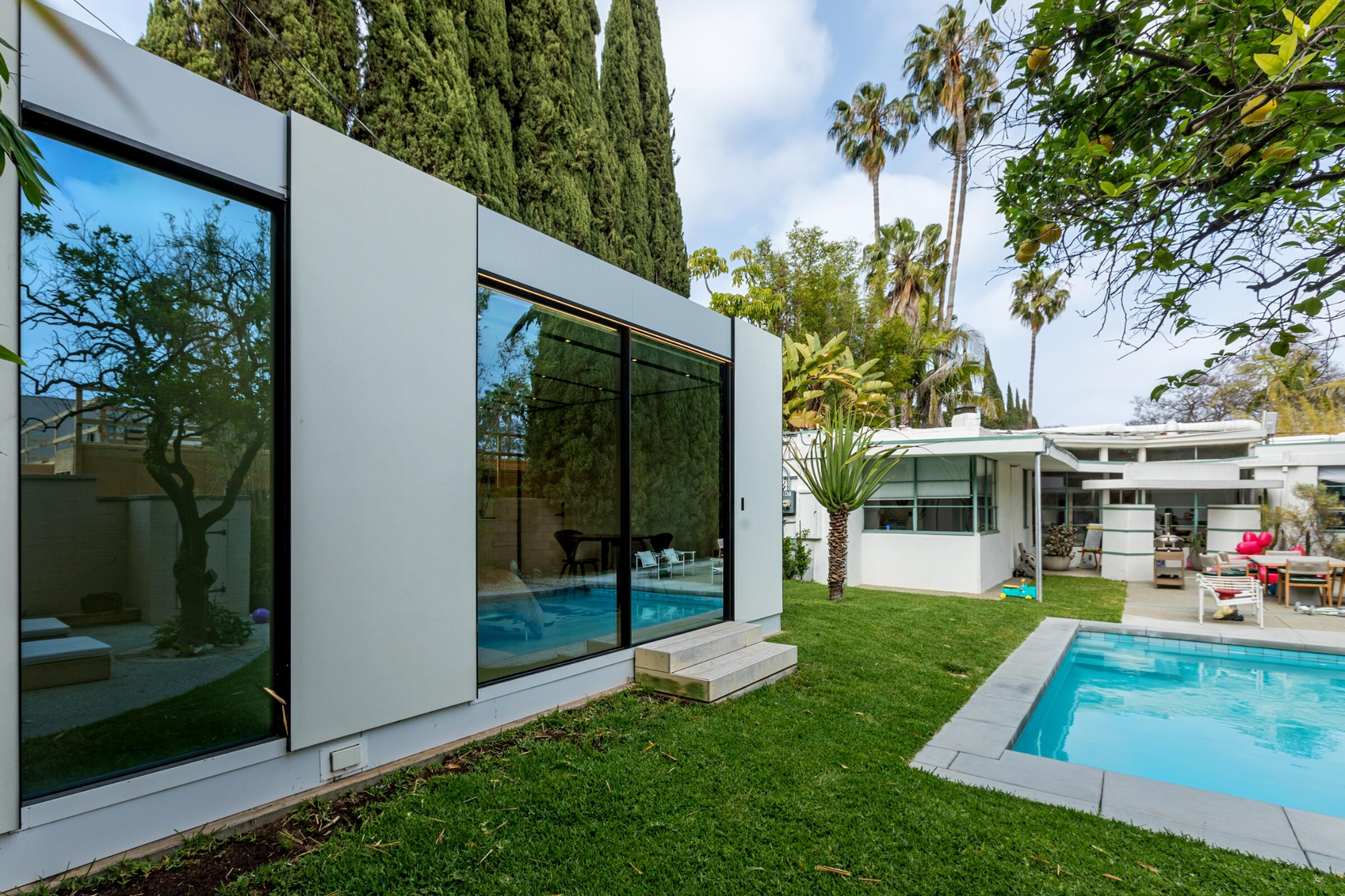
ADUs in Marina del Rey
ADU feasibility in Marina del Rey depends on the specific zone and whether additional residential density is permitted under the coastal land use framework. Some zones have reached their development allocation meaning no new residential units can be added without a plan amendment.
We verify feasibility before any design commitment lot coverage, coastal permit requirements, subdivision conditions in Silver Strand and the canal areas, utility routing, and staging access.
Working with Architects and Designers
Many Marina del Rey projects begin with an architect or designer already engaged.
Regulatory alignment must happen before schematic design is finalized. Designs that don’t account for coastal review requirements, development intensity limits, or neighborhood character standards produce permit applications that generate correction letters and redesign costs that arrive after drawings are complete.
We provide early jurisdiction and coastal feasibility input, permit preparation running parallel to design development, marine-grade specification guidance from the first meeting, and budget calibration before commitment.
Architectural ambition without regulatory alignment leads to delay. In Marina del Rey, that delay is measured in months. We align both from the first conversation.
RECENT PROJECTS
-
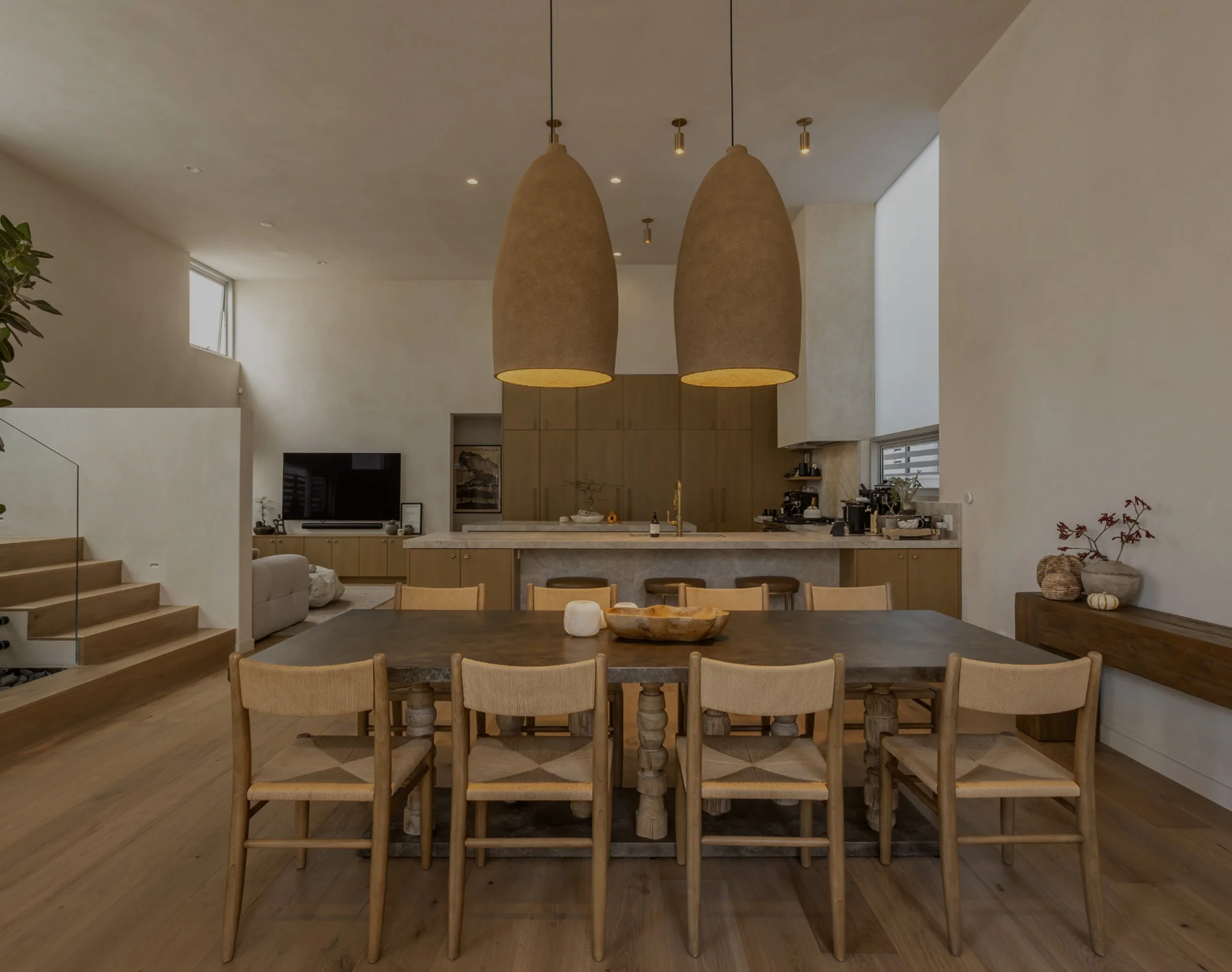
![Open-concept Mar Vista kitchen and dining area with custom wood cabinetry, oversized pendant lighting, natural oak flooring, and integrated modern island design.]()
MARINA DEL REY
-
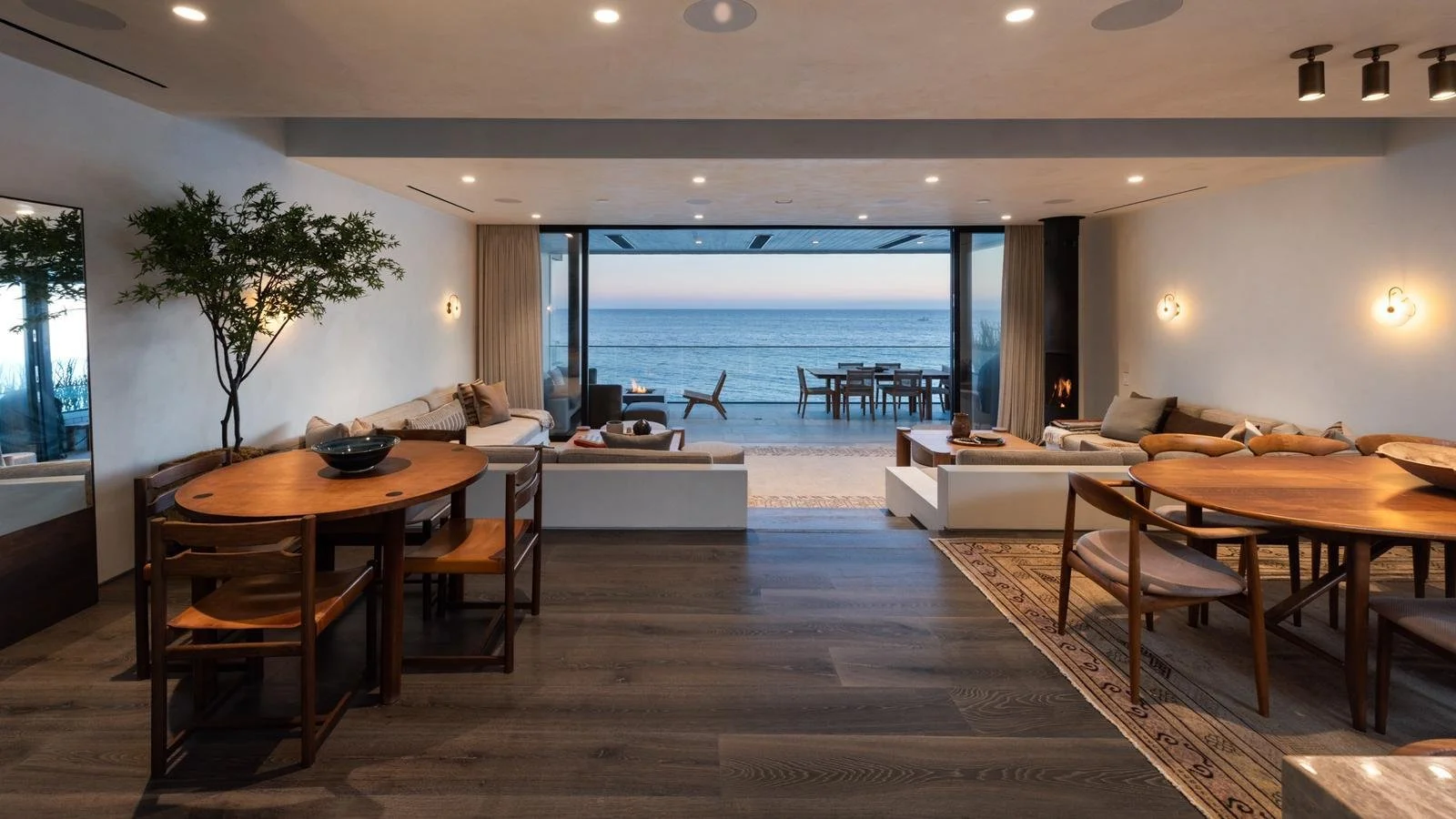
![Oceanfront Malibu Pier condo living room with retractable glass walls and seamless indoor-outdoor terrace overlooking the Pacific Ocean]()
MALIBU PIER
-
![Brentwood bathroom remodel featuring freestanding soaking tub, glass shower enclosure, and natural light-filled spa design by Heart Construction.]()
BRENTWOOD
-
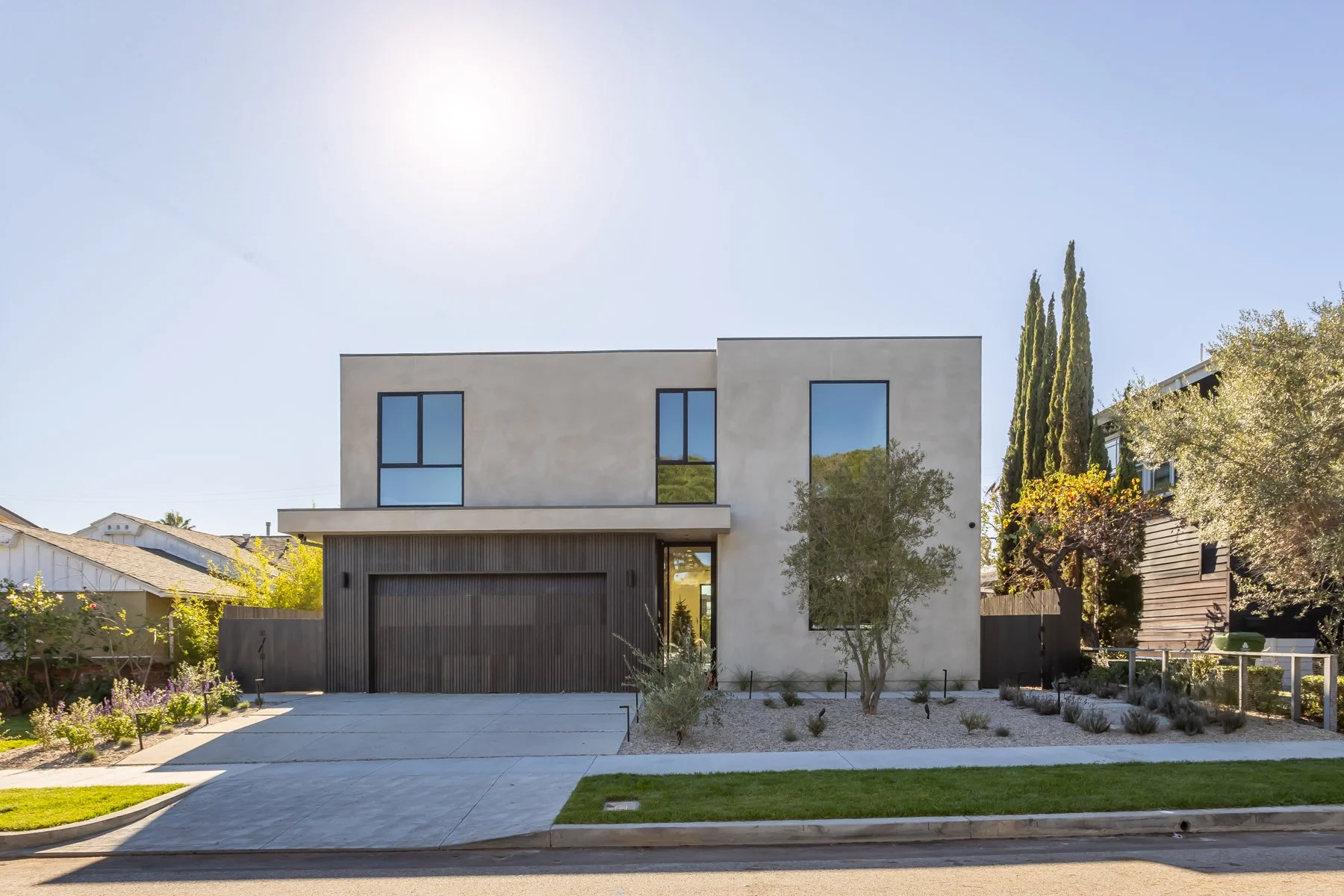
![Contemporary Mar Vista custom home exterior with smooth stucco facade, black framed windows, drought-tolerant landscaping, and minimalist design.]()
MAR VISTA
-
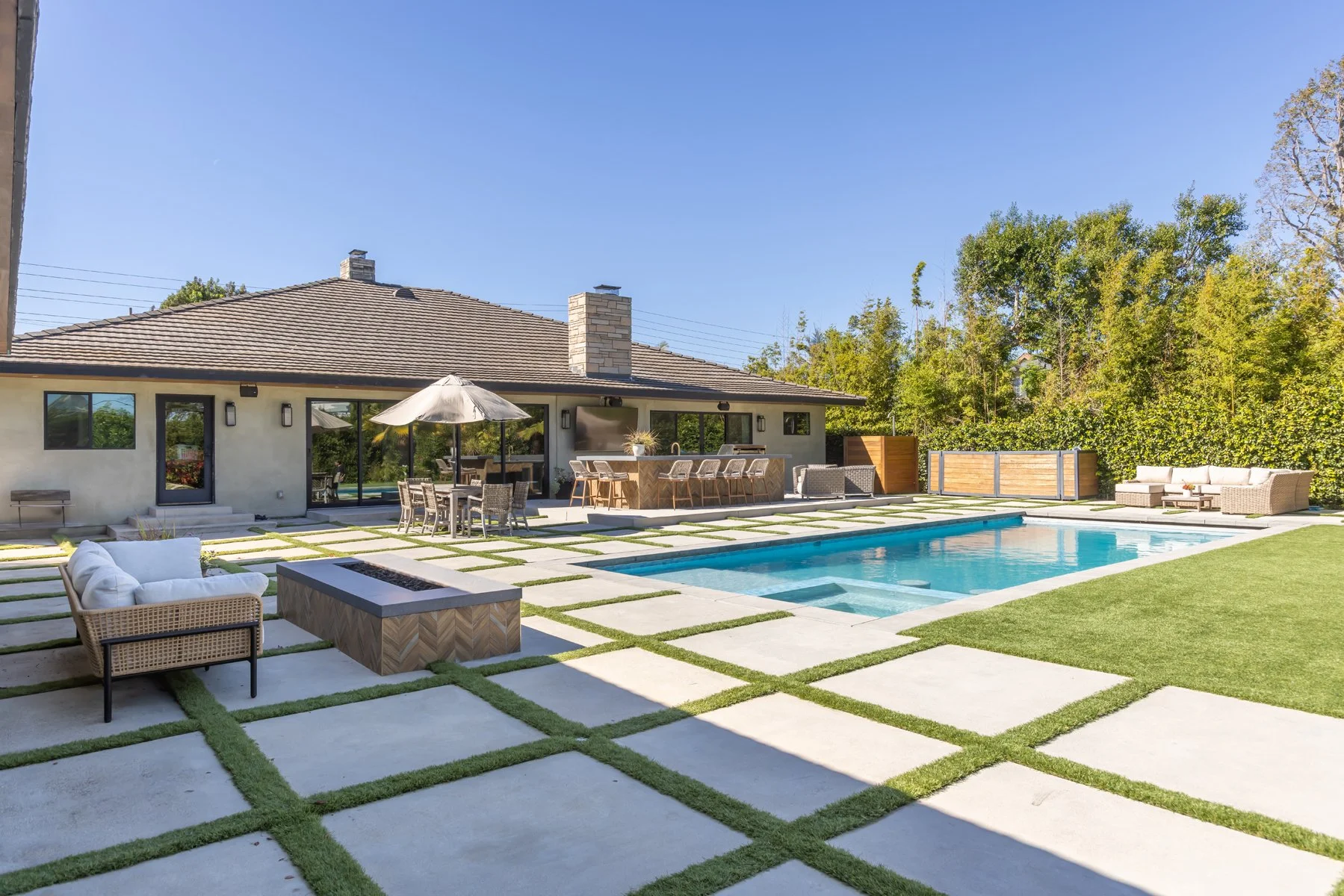
![Mar Vista backyard remodel with rectangular pool, outdoor kitchen bar, sliding glass doors, and integrated modern landscape design.]()
CULVER CITY
-
![Brentwood midcentury drive way]()
LA CUESTA


-
Custom homes in Marina del Rey typically range from $650–$1,000+ per square foot, depending on lot conditions, waterfront or canal-front complexity, coastal review scope, architectural scope, and finish level. Canal-front and Silver Strand properties with direct Coastal Commission involvement and marine-grade material requirements typically fall toward the higher end. Final budgeting requires jurisdiction verification, coastal feasibility analysis, and structural evaluation before plans are submitted.
-
Whole-home remodels typically range from $450–$750+ per square foot, depending on structural scope, system replacement requirements, marine-grade material specifications, and coastal review complexity. Projects involving full system replacement in older construction and comprehensive exterior modifications typically fall toward the higher end.
-
Kitchen remodels typically range from $95,000–$250,000+, depending on layout changes, structural scope, cabinetry level, appliance integration, and coastal-grade material specifications.
-
Primary bathrooms generally range from $55,000–$150,000+, depending on plumbing reconfiguration scope, waterproofing system, steam integration, and material selection.
-
No. Marina del Rey is unincorporated Los Angeles County. Building permits move through LA County Department of Regional Planning, not LADBS. Projects that increase intensity of use require a Coastal Development Permit in addition to the standard building permit.
-
Most projects that add square footage, change height, or modify the exterior of a Marina del Rey home require a Coastal Development Permit. Interior-only work that doesn’t affect the building envelope typically does not. Canal-front and waterfront properties may require coastal review directly from the California Coastal Commission.
-
It is required for any work involving access across LA County-owned property — canal edges, dock areas, and beach-adjacent sites throughout Marina del Rey. It must be in place before work begins.
-
Standard County building permits typically process in 4–8 weeks for straightforward residential work. Projects requiring a Coastal Development Permit add 2–4 months. Projects that trigger direct Coastal Commission review can add 4–6 months beyond that.
-
Most custom homes take 14–20 months from permit approval through completion, depending on size, waterfront complexity, and finish level. Pre-construction typically adds 4–8 months before construction begins.
-
Major remodels typically take 6–12 months after permits are issued, depending on structural scope, system replacement, and material lead times.
Frequently Asked Questions
For homeowners researching rebuild timelines, permitting requirements, and realistic construction budgets, we’ve created detailed guides that explain the process clearly and practically.
Explore:
Kitchen Remodel Costs in Los Angeles (2026)
Outdoor Living Cost Guide (2026)
Bathroom Remodel Costs in Los Angeles (2026)
These resources break down structural considerations, approval timelines, and real-world budget ranges to help you plan with clarity.
Explore Other Los Angeles Neighborhoods
Heart Construction builds custom homes and major remodels across Los Angeles from coastal and hillside communities to estate neighborhoods, valley properties, and urban infill areas.
You can explore our full service map on our Where We Build page.
Pre-Construction Determines the Outcome
In Marina del Rey, what happens before the application is filed determines whether a project remains controlled or reactive.
This is where projects avoid correction letters.
This is where coastal review moves without reset.
This is where timelines remain intact.