
HANCOCK PARK CUSTOM HOME BUILDER & GENERAL CONTRACTOR
HISTORIC RENOVATIONS, ADDITIONS & ESTATE REMODELS - BUILT WITH INTENTION IN HANCOCK PARK.
WE DO NOT APPROACH HANCOCK PARK AS ANOTHER LOS ANGELES JOB
Most contractors who work in Hancock Park treat the HPOZ as paperwork. They submit to LADBS first, discover the historic preservation layer mid-permit, and spend the next several months reconciling two approval tracks that should have been running in parallel from day one.
That is not how we work here.
Hancock Park is not a standard LADBS environment. It is one of the most architecturally protected residential neighborhoods in Los Angeles a Historic Preservation Overlay Zone where every exterior project, from a rear addition to a window replacement, requires City Planning review and a Certificate of Appropriateness before a building permit is issued.
Getting both tracks right simultaneously - HPOZ clearance through the Office of Historic Resources and LADBS plan check through the City is what determines whether a Hancock Park project moves or stalls. Most contractors have never filed a Certificate of Appropriateness. We manage the full dual-track process as standard.
We have built, remodeled, and added to homes throughout the core estate streets on June, Rossmore, Lucerne, and Hudson, the southern blocks near Melrose and Larchmont, and the northern parcels near Beverly. We understand the difference between contributing and non-contributing properties, what triggers a board hearing versus a staff approval, and how to prepare a submission package that clears the first time.
That is what building in Hancock Park actually requires.
WHAT BUILDING IN HANCOCK PARK ACTUALLY REQUIRES
Hancock Park projects move through two separate approval tracks and the sequence matters.
Before LADBS will issue a permit for any exterior work, City Planning must issue a Certificate of Appropriateness. This is not a formality it is a design constraint that must be incorporated before schematic design advances. Every property in the HPOZ is designated as either contributing or non-contributing. That designation determines what is approvable and how long the process takes. A contributing Tudor Revival on June Street faces a fundamentally different review than a non-contributing property in the southern blocks.
Projects are either staff-approved routine scope, like-for-like replacements, rear additions subordinate in scale or require an HPOZ Board hearing for complex scope or demolition of contributing elements. The board meets the 2nd and 4th Wednesday of each month. Missing a cycle has real consequences. A complete, well-prepared submission the first time is what keeps the schedule intact.
Exterior changes visible from the street, additions of any kind, window and door replacements, roofing, garage modifications, driveway changes, front yard landscaping, and ADU placement all trigger HPOZ review.
After HPOZ clearance is secured, the project moves through LADBS plan check — structural engineering, Title 24 energy compliance, foundation evaluation for pre-war construction, and code compliance upgrades.
Projects that advance design before HPOZ pre-consultation often require full redesign after the first board review.That redesign costs money and restarts the clock. We sequence both tracks before a single drawing is committed.
UNDERSTANDING HANCOCK PARK NEIGHBORHOOD BY NEIGHBORHOOD
Hancock Park is not uniform. Contributing status, lot configuration, and HPOZ scrutiny vary block by block. Treating them as interchangeable is where projects go wrong.
The Core Estate Streets - June, Rossmore, Lucerne, Hudson
The largest lots and most architecturally significant homes in the neighborhood. Two-story Period Revival estates with deep setbacks, porte cocheres, and rear garages. Additions here require meticulous compatibility analysis massing, roofline, facade rhythm, and material matching all face board-level scrutiny.
Interior remodels offer the most scope flexibility, though any exterior vent, window, or equipment change triggers HPOZ review. Design decisions that conflict with community standards must be resolved during design development - not after plan check submission.
The Southern Blocks - Near Melrose and Larchmont
Slightly smaller lots with a higher proportion of non-contributing properties. More flexibility for exterior modifications, but compatibility guidelines still apply. ADU opportunities are strongest here given rear yard depth and lot configuration. These parcels often provide the most straightforward path through HPOZ review when positioned correctly.
The Northern Boundary - Near Beverly
Larger parcels with more room for rear additions and outdoor living integration. Second-story additions require careful massing studies to remain subordinate to the primary facade a key HPOZ compatibility criterion. Properties here often have the most buildable rear yard square footage in the neighborhood.
The Rossmore Corridor - Windsor Square Adjacent
Properties along and near Rossmore border Windsor Square, another HPOZ. Some parcels straddle both overlays or fall under adjacent zoning conditions. Confirming which HPOZ board has jurisdiction before design begins prevents submission to the wrong review body - a correction that restarts the clock entirely.
THE HPOZ PROCESS: WHAT CONTRACTORS GET WRONG
The most common mistake contractors make in Hancock Park is treating HPOZ review as something that happens after design is complete.
It is not a formality that runs at the end. It is a design constraint that must be incorporated from the beginning.
In one Hancock Park project, a homeowner on Lucerne Boulevard had advanced architectural drawings through schematic design before City Planning had reviewed the proposed addition massing. The HPOZ board required modifications to the roofline profile and rear facade setback - changes that were straightforward on their own, but required revisions to the LADBS permit set that had already been submitted. The project absorbed a three-month delay while the drawings were revised, resubmitted to City Planning, and re-reviewed by LADBS.
That delay was entirely preventable. The HPOZ Preservation Plan standards were available before design began. Contributing property status was confirmed. Early pre-application consultation with City Planning would have produced a permit set that cleared both tracks simultaneously.
That is how we manage it. HPOZ review requirements are incorporated into the design brief before schematic design begins. Certificate of Appropriateness preparation runs in parallel with LADBS permit documentation. Both tracks advance together.
Services We Deliver Across Hancock Park
Custom Homes in Hancock Park
Ground-up construction in Hancock Park begins with dual-track feasibility HPOZ design standards and LADBS requirements evaluated simultaneously before design begins.
Contributing property designation, lot coverage, setback compliance, and foundation conditions for pre-war lots all have to be resolved before architectural drawings advance. Certificate of Appropriateness preparation runs in parallel with LADBS plan check coordination. Budget alignment happens before design commitment.
What determines whether a Hancock Park custom home clears both tracks efficiently is almost always what was resolved before the first drawing was filed.
Full Home Remodeling in Hancock Park
Whole-home remodels in Hancock Park require balancing two objectives: modernizing the interior to current standards while preserving the exterior character the HPOZ protects.
Most homes were built between the 1920s and 1940s. Opening them regularly surfaces original electrical and plumbing systems requiring full replacement, load-bearing walls in locations that complicate reconfiguration, and original windows and doors that are HPOZ-protected and cannot be replaced with standard modern units.
Interior scope is evaluated before demolition begins. Exterior scope is evaluated before HPOZ submission is filed. Discovering a structural condition mid-demo in a contributing Hancock Park home is a significantly more complicated problem than discovering it during pre-construction review.
KITCHEN REMODELING IN HANCOCK PARK
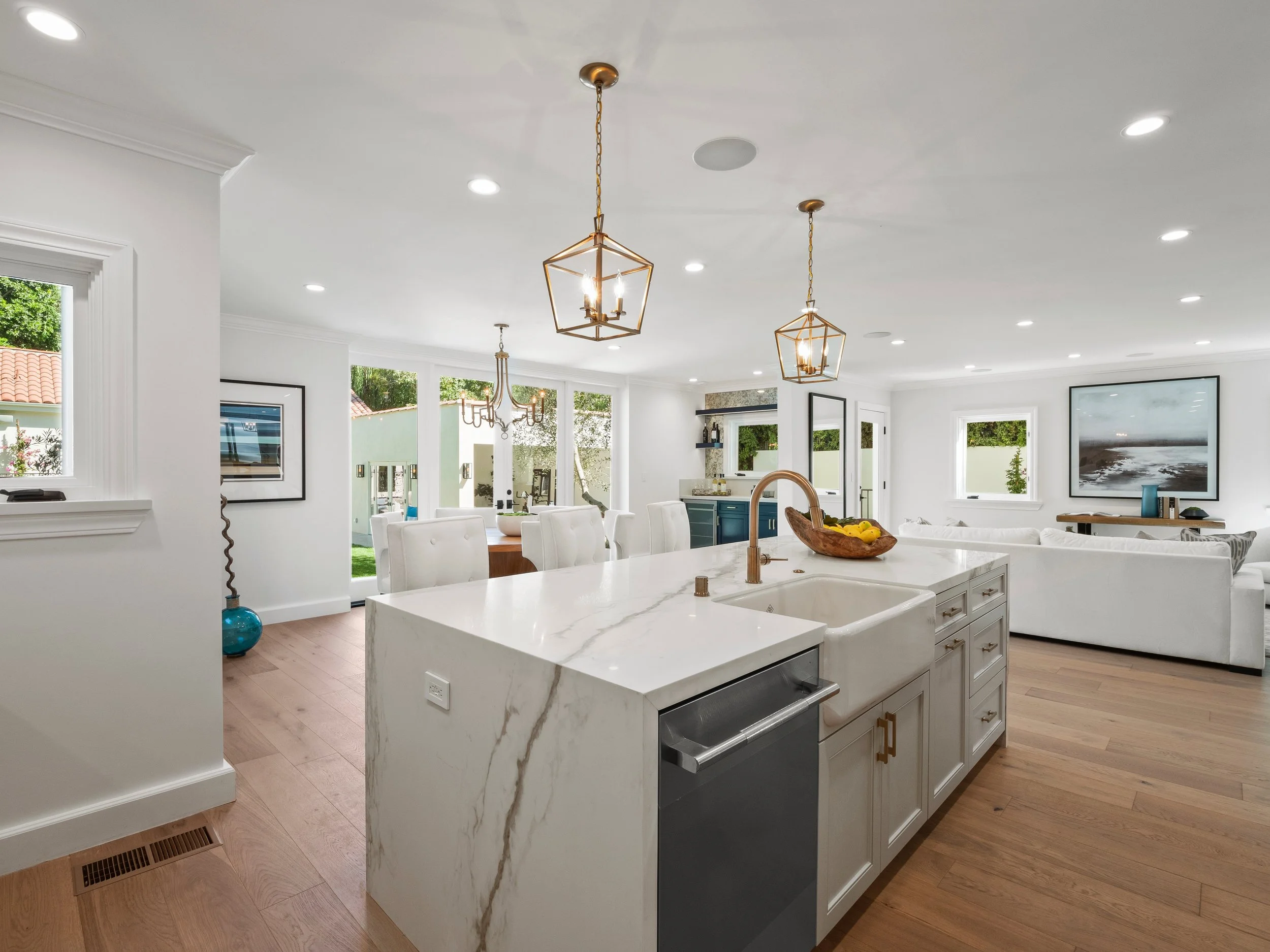
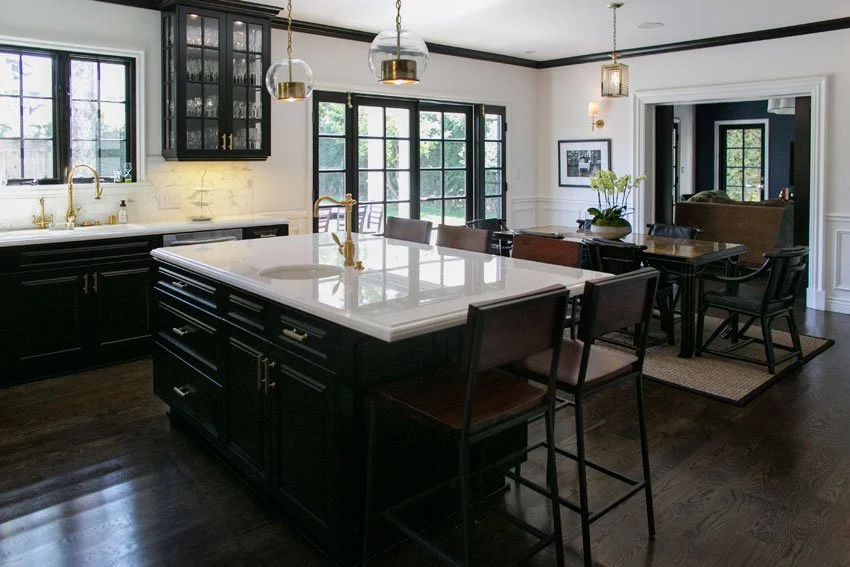
Kitchens in Hancock Park's estate homes often involve reconfiguring spaces designed for a different era separate butler's pantries, formal dining rooms, and service entries that don't align with how families live today.
Expanding into adjacent spaces frequently requires structural wall removal and engineered beam integration work that must be coordinated with the structural engineer before cabinet layouts are finalized. Ventilation routing must comply with current standards, and any exterior penetrations visible from the street trigger HPOZ review. Stone fabrication requires field measurement after structural modifications are complete.
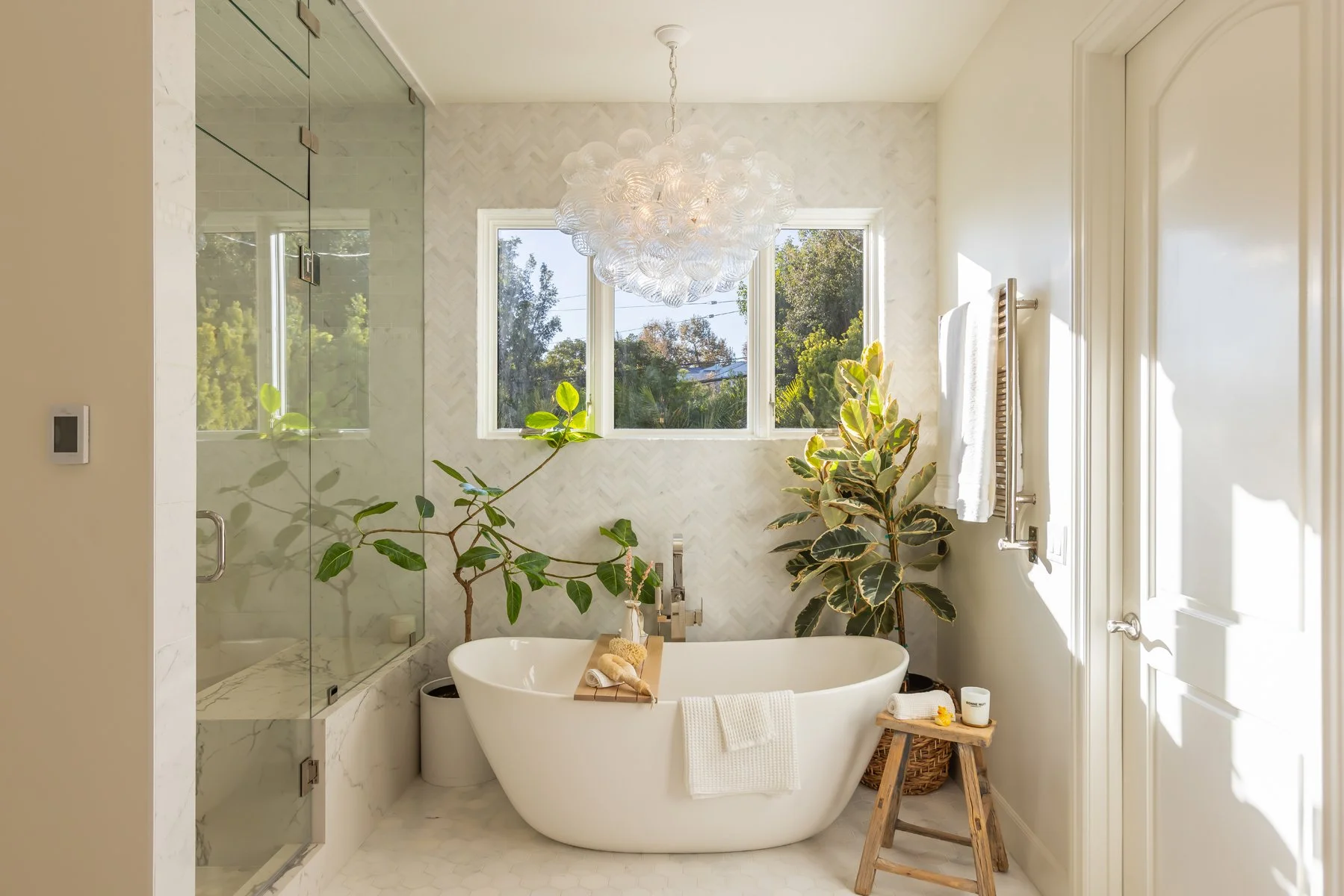
PRIMARY BATHROOMS IN HANCOCK PARK
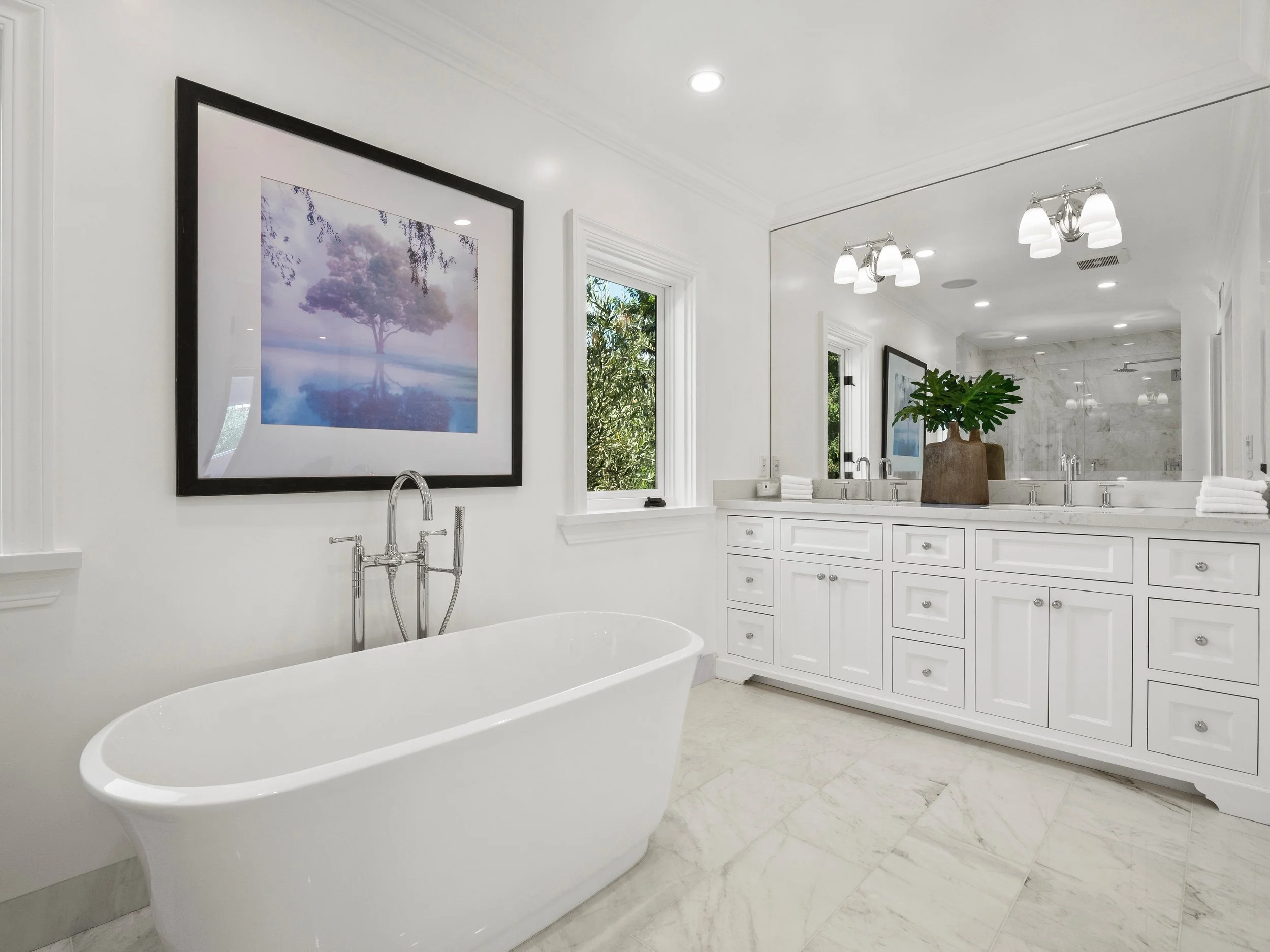
Primary bathroom remodels in Hancock Park's Period Revival homes frequently require more than cosmetic updates.
Plumbing reconfiguration is common. Cast iron and galvanized systems often require full replacement. Steam showers, radiant heated floors, frameless glass, and floating vanities require disciplined rough-in sequencing before tile and finishes begin. Preservation of original architectural details period tile, wainscoting, original hardware is evaluated early to determine what can be retained versus what must be rebuilt to current standards.
OUTDOOR LIVING IN HANCOCK PARK
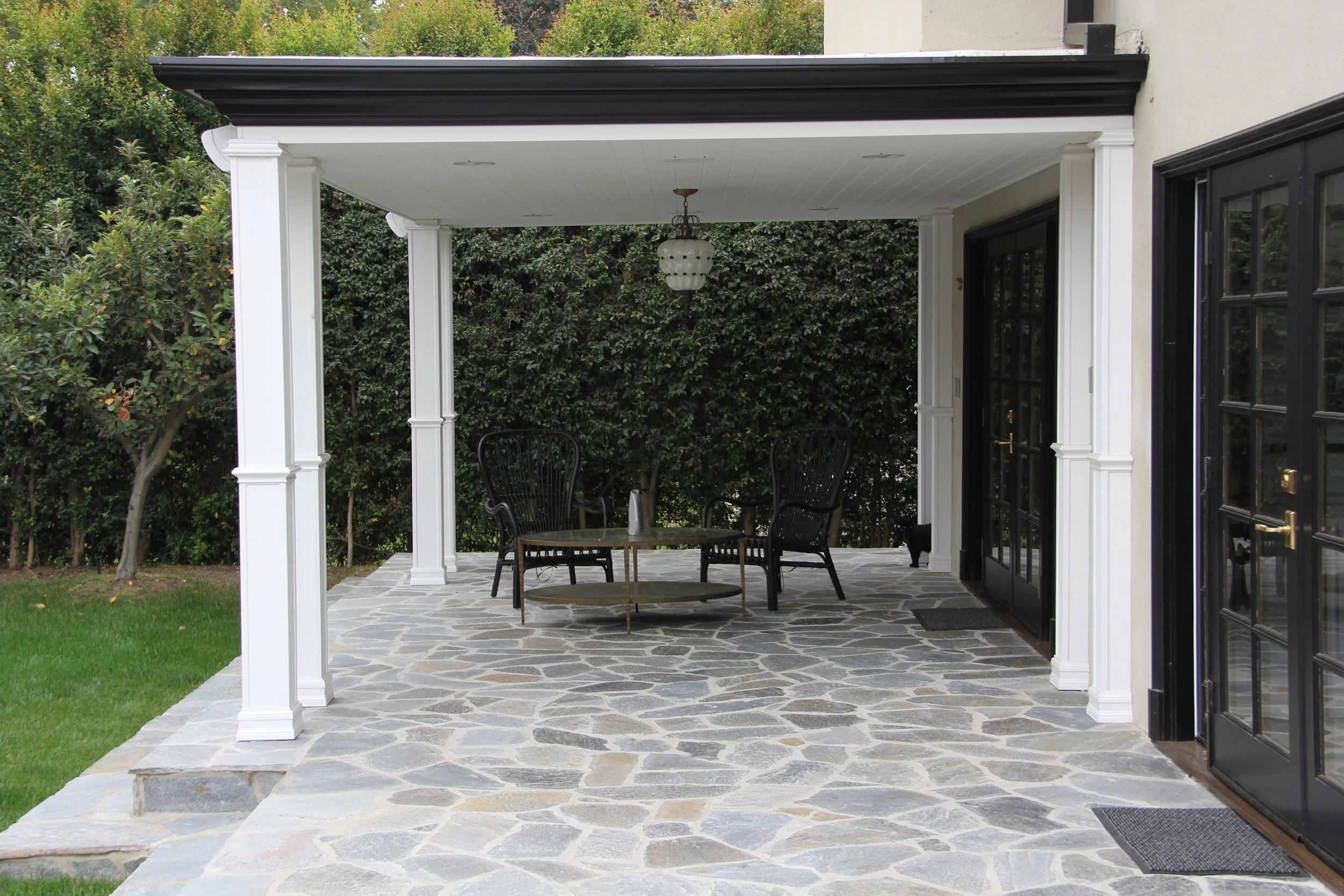
Hancock Park's deep rear yards - particularly on the core estate streets support substantial outdoor living environments that don't impact the street-facing character the HPOZ protects.
Pools, spas, covered patios, outdoor kitchens, and fire features positioned in rear yards generally fall outside HPOZ street-visibility review. Front yard changes, new gates, and driveway modifications trigger review regardless of scope.
We manage outdoor living as a unified scope: one permit strategy, one construction sequence, one point of accountability. HPOZ review and LADBS coordination happen in parallel - not handed off to a separate pool contractor who isn't integrated into the main project schedule.
ADUS IN HANCOCK PARK
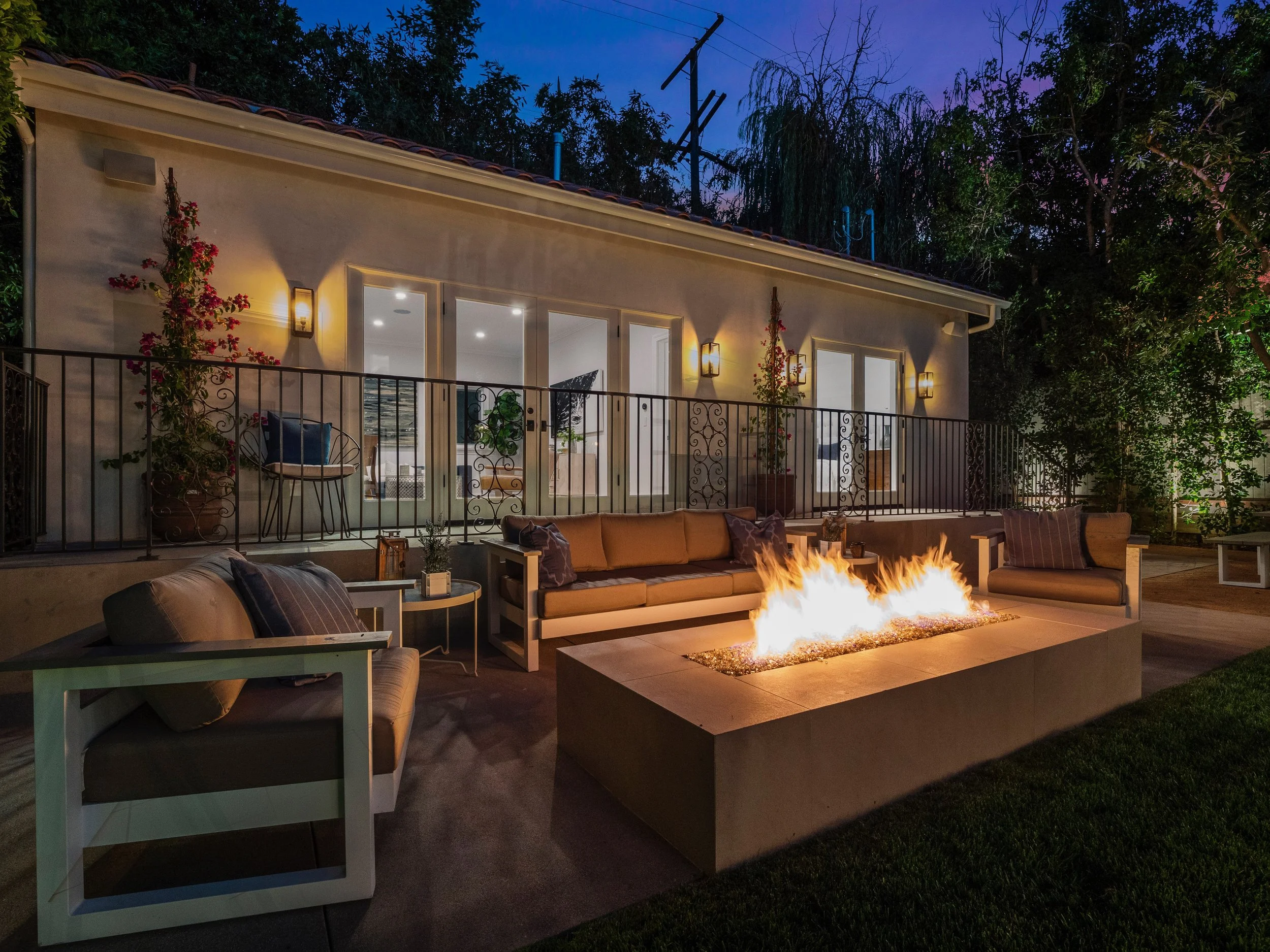
ADUs are permitted under California state law on all residentially zoned Hancock Park lots but the HPOZ adds a design review layer that most ADU contractors are not equipped for.
HPOZ review requires design compatibility with the primary structure in massing, materials, and detailing. Placement must avoid street-visible impact. Driveway and curb cut changes are reviewed for historic streetscape effect. Materials and proportions must relate to the main house.
Detached ADUs on rear lots with no street visibility have the most straightforward path through HPOZ review. Garage conversions require careful coordination since garages are often character-defining elements in Hancock Park's porte cochere configurations.
State law permits ADUs on all R1 lots. The HPOZ determines what they can look like. We navigate both.

Working with Architects and Designers
Many Hancock Park projects begin with an architect already engaged. What matters is when the HPOZ and structural realities enter the conversation.
Historic compatibility review must happen before schematic design is finalized. Pre-war construction findings must inform structural scope before drawings are committed. An architect who advances design without that input produces a permit set that gets revised after submission, after fees, after time already spent.
We enter during design development. Contributing status confirmed, HPOZ pre-consultation complete, structural feasibility assessed, budget calibrated before the first sheet goes to plan check.
Architectural ambition without HPOZ alignment leads to delay. We align both from the first conversation.
HOW WE OPERATE
In Hancock Park, structure is not optional.
Every project begins with feasibility contributing property status confirmation, HPOZ pre-application consultation, structural evaluation, and zoning validation before design advances. Budget alignment happens before architectural commitment. Certificate of Appropriateness preparation and LADBS plan check coordination happen in parallel, not in sequence.
The HPOZ board meets twice a month. Missing a cycle has real budget and timeline consequences. Submissions are prepared to be approved the first time.
We call this Build with Intention.
RECENT PROJECTS
-
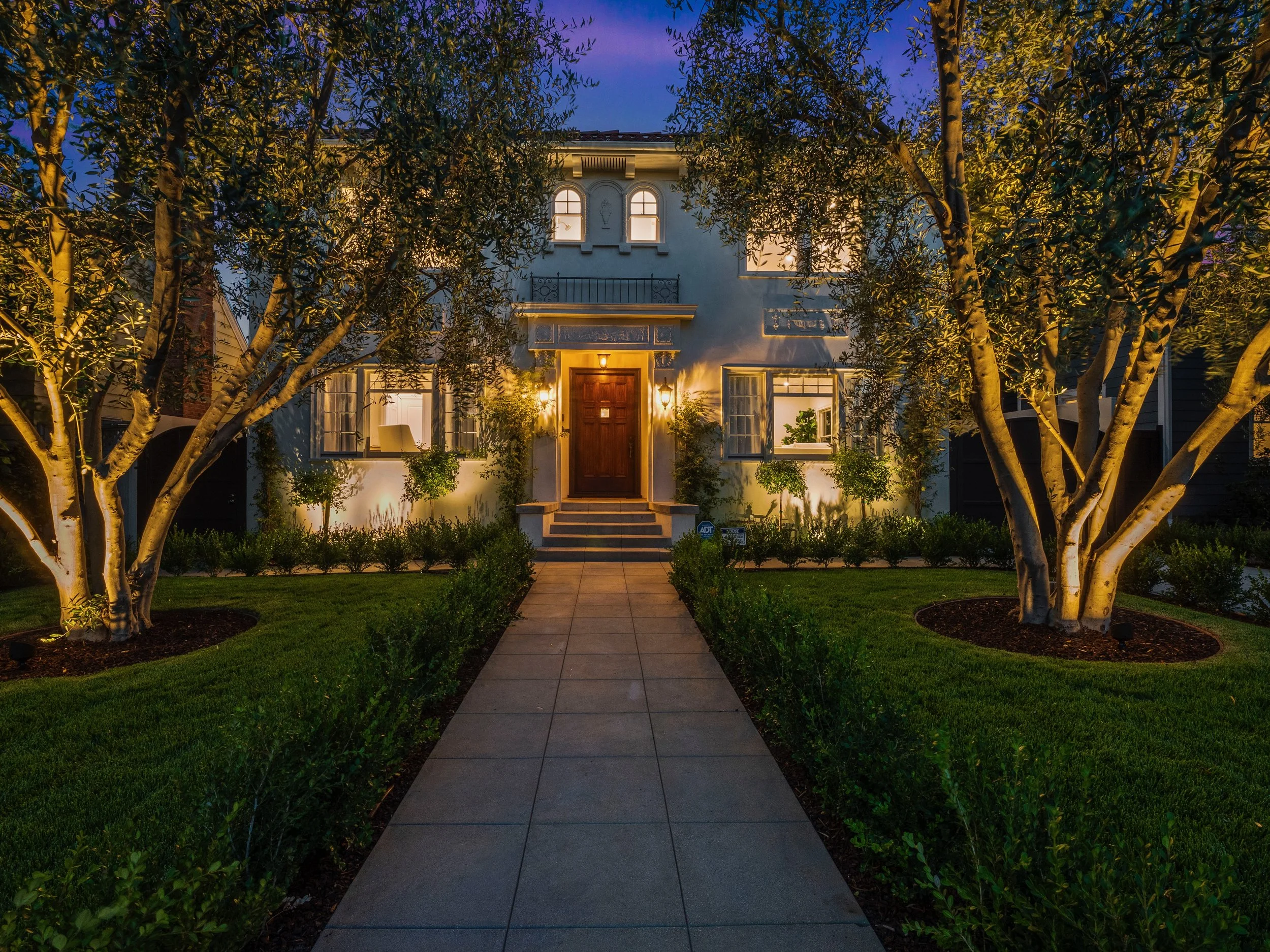
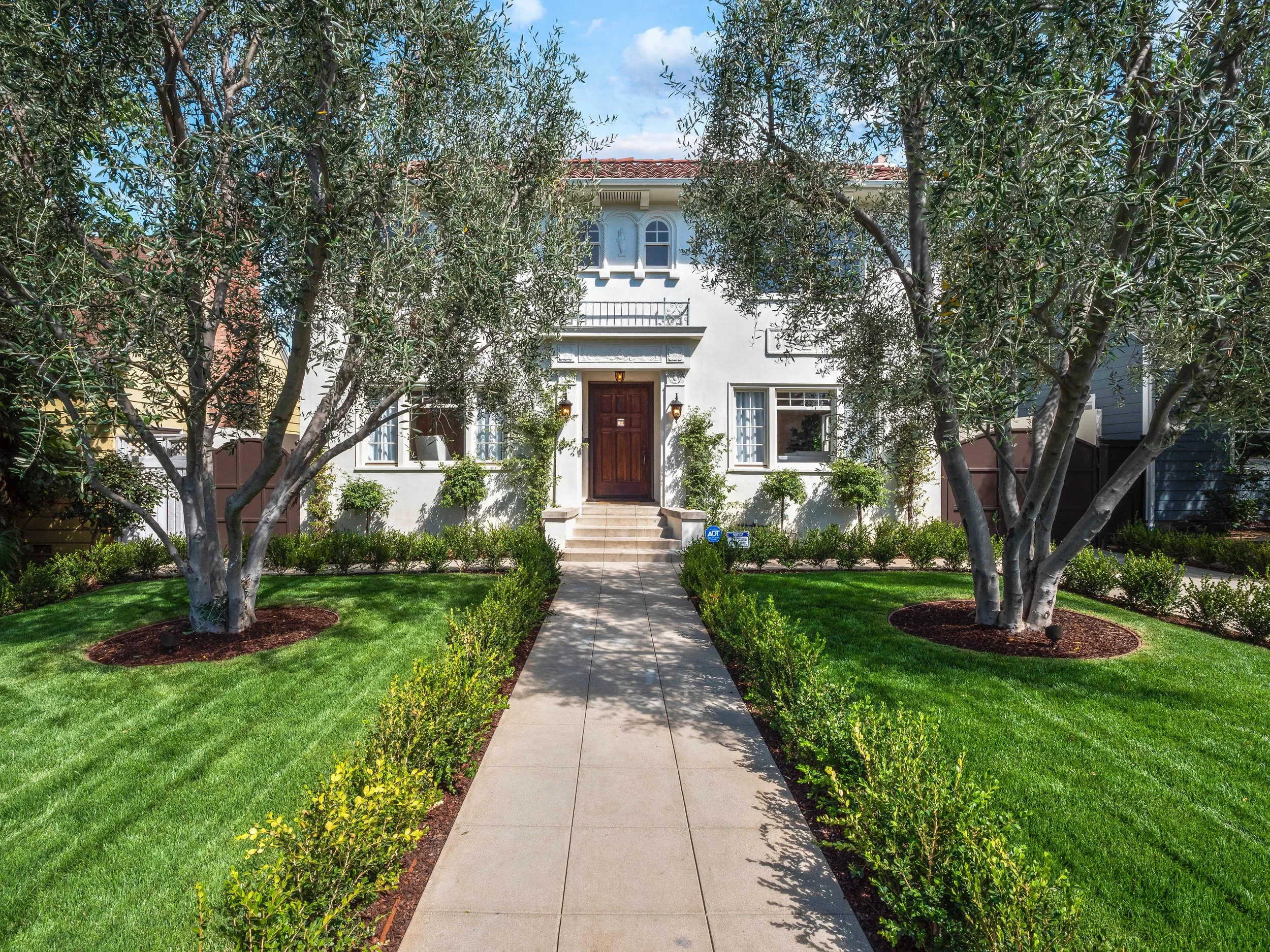
![Classic Hancock Park Los Angeles home exterior illuminated at night]()
HANCOCK PARK
-
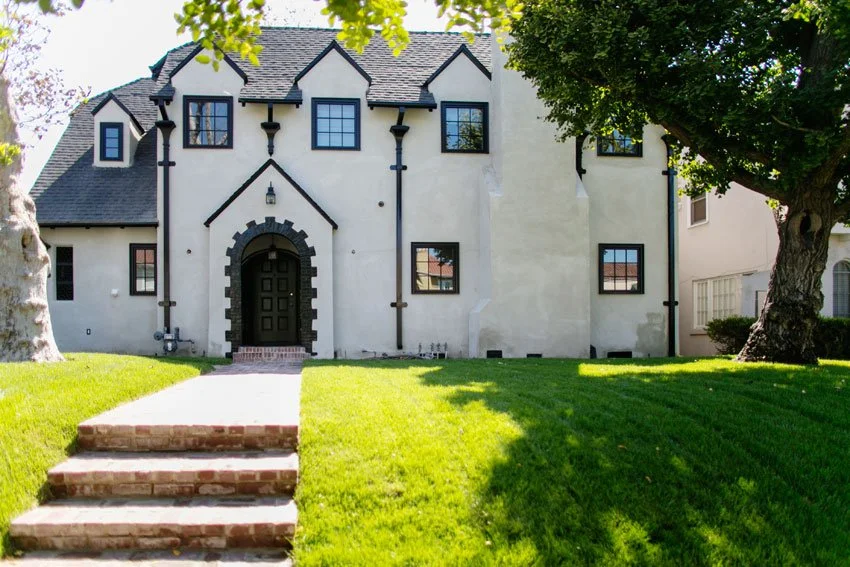
![Hancock Park Tudor-style home exterior with white stucco façade, steep gables, arched stone entry, and green lawn]()
HUDSON
-
![BRENTWOOD luxury bathroom with freestanding soaking tub, marble walk-in shower, herringbone tile walls, and sculptural glass chandelier framed by natural light and greenery views.]()
BRENTWOOD
-
![Spanish-style home exterior with arched entry and landscaped front yard in Westwood Los Angeles]()
WESTWOOD
-
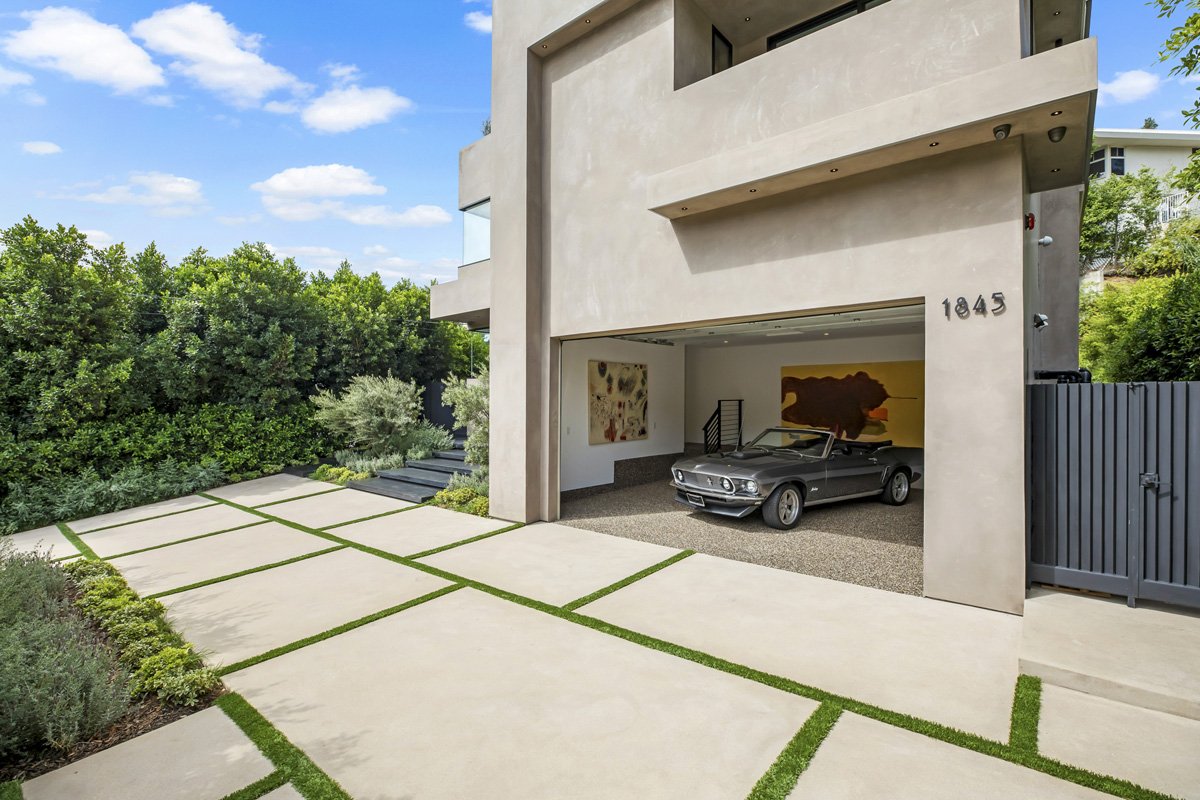
![Modern Beverly Hills home exterior with open garage and contemporary driveway design]()
BEVERLY HILLS
-
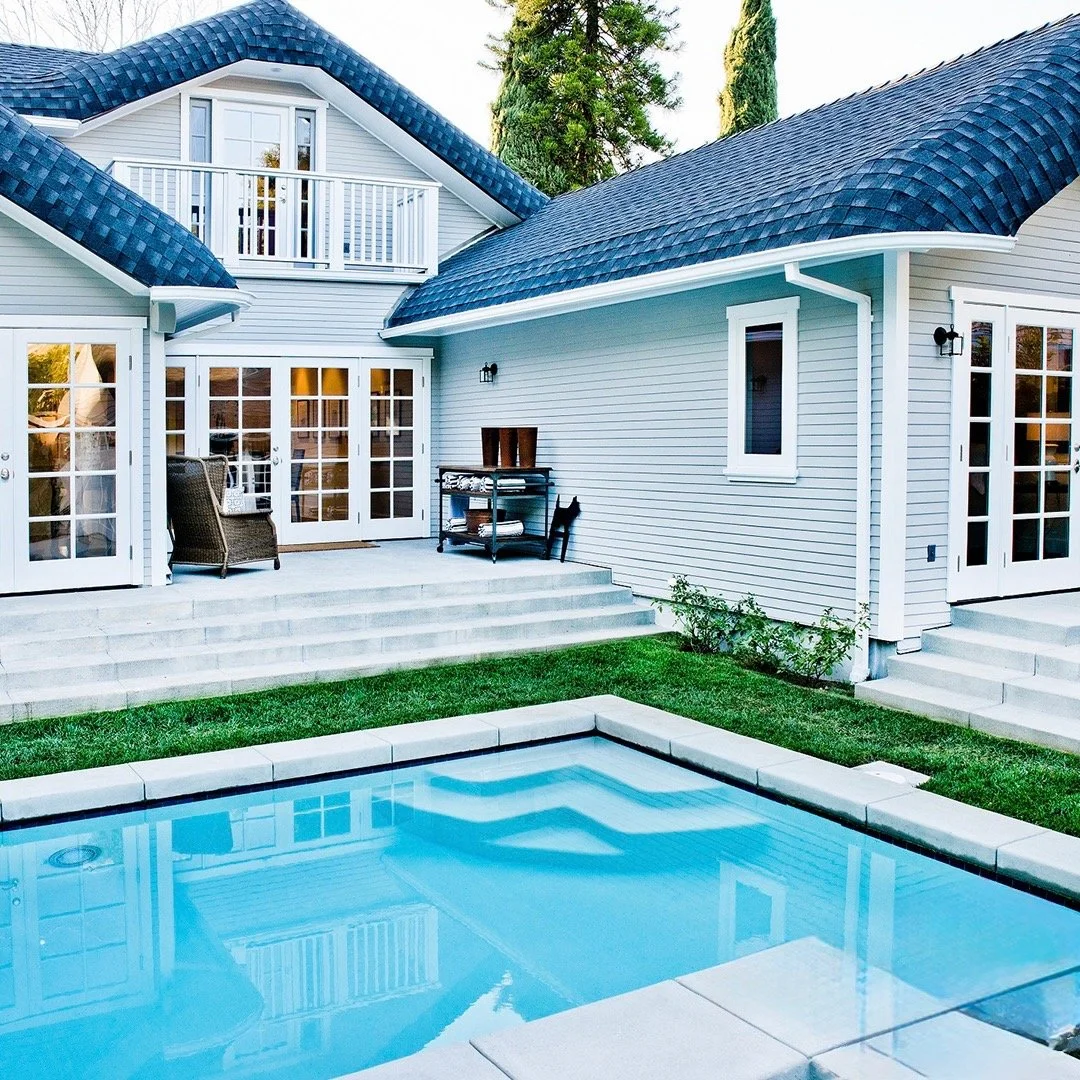
![Traditional home with backyard pool and patio in Spaulding Square Los Angeles]()
SPAULDING SQUARE

Frequently Asked Questions About Building in Hancock Park
-
Whole-home remodels in Hancock Park generally range from $400-$700+ per square foot, depending on structural scope, systems replacement, HPOZ compliance requirements, and finish level. Historic-appropriate materials, custom millwork, and period-compatible window and door specifications typically push costs toward the higher end compared to non-HPOZ neighborhoods.
-
Custom homes in Hancock Park typically range from $600-$950+ per square foot, depending on lot conditions, structural scope, HPOZ design requirements, architectural complexity, and finish level. Contributing property designation adds design constraint and review time that must be factored into both budget and schedule.
-
Kitchen remodels typically range from $95,000-$250,000+, depending on layout reconfiguration, structural modifications, custom cabinetry, appliance integration, and stone fabrication complexity. Pre-war framing and plumbing conditions often expand scope once walls are opened.
-
Primary bathroom remodels generally range from $45,000-$135,000+, depending on plumbing replacement scope, waterproofing systems, radiant floor installation, and material selection.
-
Detached ADUs typically range from $275,000-$550,000+, depending on design complexity, HPOZ compatibility requirements, lot configuration, and finish level. Garage conversions generally range from $140,000-$280,000+, depending on structural condition and HPOZ review requirements.
-
Staff-level approvals typically take 4 to 8 weeks depending on submittal completeness and City Planning workload. Projects requiring HPOZ Board hearings - which meet the 2nd and 4th Wednesday of each month - typically add 2 to 4 months from application to final approval due to public noticing requirements. A complete, well-prepared submission the first time is what keeps timelines intact.
-
Every property in the Hancock Park HPOZ is designated as contributing (original historic character substantially intact) or non-contributing (substantially altered). Contributing properties face stricter exterior review. Non-contributing properties have more flexibility but must still meet neighborhood compatibility guidelines. Your property's designation directly affects what is approvable and how long the review process takes.
-
A Certificate of Appropriateness is the formal written approval from City Planning confirming that a proposed exterior project is compatible with Hancock Park's HPOZ Preservation Plan. LADBS will not issue a building permit for regulated exterior work without it. We prepare and manage this documentation as part of our standard pre-construction process.
-
Yes. We manage the full dual-track approval process: HPOZ pre-consultation, Certificate of Appropriateness preparation and submission, HPOZ board coordination where required, and LADBS plan check sequencing after clearance is secured.
-
Yes. Many Hancock Park projects begin with an architect already engaged. We provide contributing property assessment, HPOZ design standard review, structural feasibility input, and budget calibration during design development - before the permit set is submitted - to align architectural intent with HPOZ requirements and LADBS standards from the beginning.
For homeowners researching rebuild timelines, permitting requirements, and realistic construction budgets, we’ve created detailed guides that explain the process clearly and practically.
Explore:
Kitchen Remodel Costs in Los Angeles (2026)
Outdoor Living Cost Guide (2026)
Bathroom Remodel Costs in Los Angeles (2026)
10 Critical Questions to Ask Before Hiring a General Contractor in Los Angeles (2026)
These resources break down structural considerations, approval timelines, and real-world budget ranges to help you plan with clarity.
Explore All Neighborhoods We Serve
Heart Construction builds custom homes and major remodels across Los Angeles — from coastal and hillside communities to estate neighborhoods, valley properties, and urban infill areas.
See how neighborhood context shapes our approach across the city and check where we build
Planning a project in Hancock Park?
Hancock Park's HPOZ process rewards preparation. Projects that begin feasibility now contributing status confirmed, HPOZ pre-consultation complete, structural conditions evaluated move through both approval tracks without the correction cycles that delay most projects here.
HPOZ board submissions are currently scheduling several weeks out. Projects that begin pre-construction review now are best positioned for the next available cycle.
Let's review your property, confirm contributing status, and talk through realistic timeline and budget.