
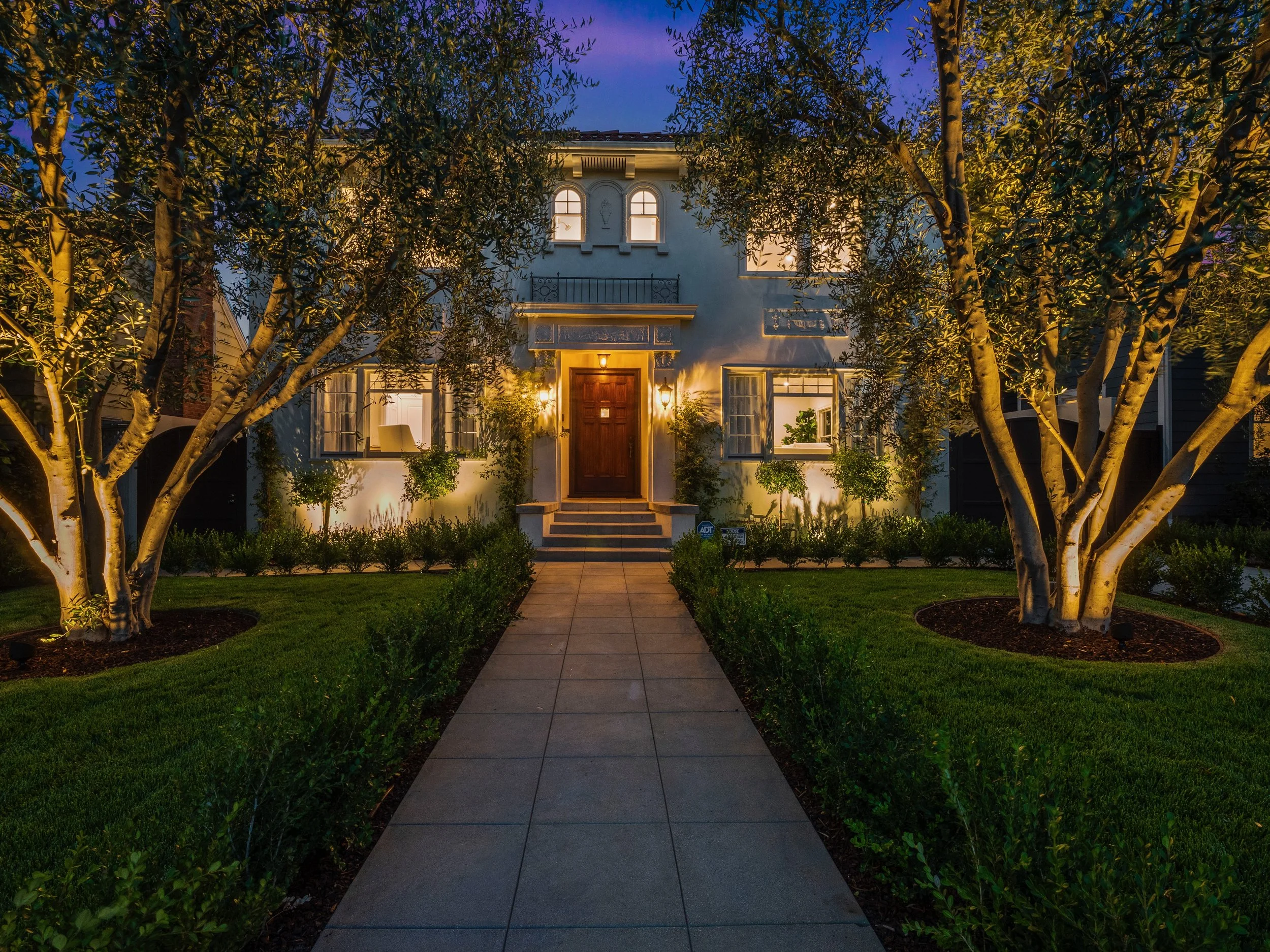
HANCOCK PARK HISTORICAL RESTORATION + ADDITION
THE STORY
LOCATIONLos Angeles historic neighborhood
Complete Restoration + Addition + ADU + Garage Build
SERVICEStructural restoration, expansion, and full property integration
Full Historical Home Restoration
PROJECT TYPEPreserving architecture while rebuilding for modern living
Indoor–Outdoor Family Living
LIVING STYLEOpen, connected spaces with natural flow to backyard
Restoration + Expansion + Integration
PRIMARY FOCUSBalancing preservation with functionality
Timeless · Restored · Functional · Cohesive
OVERALL FEELMaintains its original character while functioning with modern clarity.
Some homes don’t need to be redesigned.
They need to be understood first.
This Hancock Park project started with a house that carried history but couldn’t support the way it was being lived in.
The layout felt fragmented. The systems were outdated. The space didn’t connect.
But the real question wasn’t what to change.
It was what had to stay.
Before anything could be built, the project required a different starting point:
Respect the structure. Understand the constraints. Then rebuild around it.
The result is a home that feels original to the neighborhood but functions like it was designed for today.
The Challenge
The existing layout didn’t support how the home was meant to be lived in.
Rooms felt compartmentalized and disconnected, with limited natural light moving through the space. The kitchen was separated from the main living areas, making it difficult for the home to function as a shared environment.
Circulation was inefficient, and there was no clear relationship between the interior and the backyard. The outdoor space existed, but it wasn’t integrated into the experience of the home.
At the same time, the project introduced a different kind of constraint.
The home required historical review and approvals before any meaningful changes could be made.
Expanding or altering the structure wasn’t just a design decision it had to align with preservation guidelines, zoning, and city requirements.
This meant every move had to be considered, documented, and approved before construction could begin.
The challenge wasn’t just improving the home.
It was rebuilding it carefully without losing what made it worth preserving.
That’s where projects like this become a real decision — whether to preserve, rebuild, or rethink the property entirely.
→ See how the remodel vs rebuild decision actually plays out
A Hancock Park home that needed to be rebuilt without losing what made it worth keeping.
The home was outdated, but the real challenge wasn’t just functionality. It was understanding what could be changed and what had to be preserved.
PROJECT CONSIDERATIONS
✔️ Preserve key architectural elements while upgrading the structure
✔️ Expand the home without compromising its historical character
✔️ Improve layout and flow within existing structural constraints
✔️ Align all design and construction decisions with historical approvals
Planning a similar project?
We work with homeowners across Culver City, West Hollywood, Santa Monica, Brentwood, and greater Los Angeles.
Our Approach
This project required a different starting point.
Not how to redesign the home but how to work within what already existed.
Understand Before Changing
Before any design decisions were made, the existing structure, historical constraints, and approval requirements were fully evaluated.
This defined what was possible and what wasn’t — the same way we approach ADU planning, where understanding what the property actually supports comes before design or budget decisions. We break that down in our ADU decision guide for Los Angeles homeowners.
Restore the Structure First
The original home was stabilized and reinforced before introducing any new construction.
This ensured the foundation, framing, and load paths could support both preservation and expansion.
Align With Historical Requirements
Design and planning were developed alongside the approval process not after.
Every change had to satisfy preservation guidelines, zoning, and city requirements before construction could begin.
Integrate New Construction Carefully
The addition, ADU, and garage were designed to feel consistent with the existing home.
Not separate elements—but part of a unified property.
Rework the Interior for Modern Living
The layout was reconfigured to improve flow, light, and functionality while working within the limits of the existing structure.
Openings were introduced strategically, allowing the home to feel more connected without losing its character.
Behind the Build
The work behind the finished spaces.
The final home feels seamless, but getting there required careful coordination between restoration, structural work, and new construction often happening at the same time.
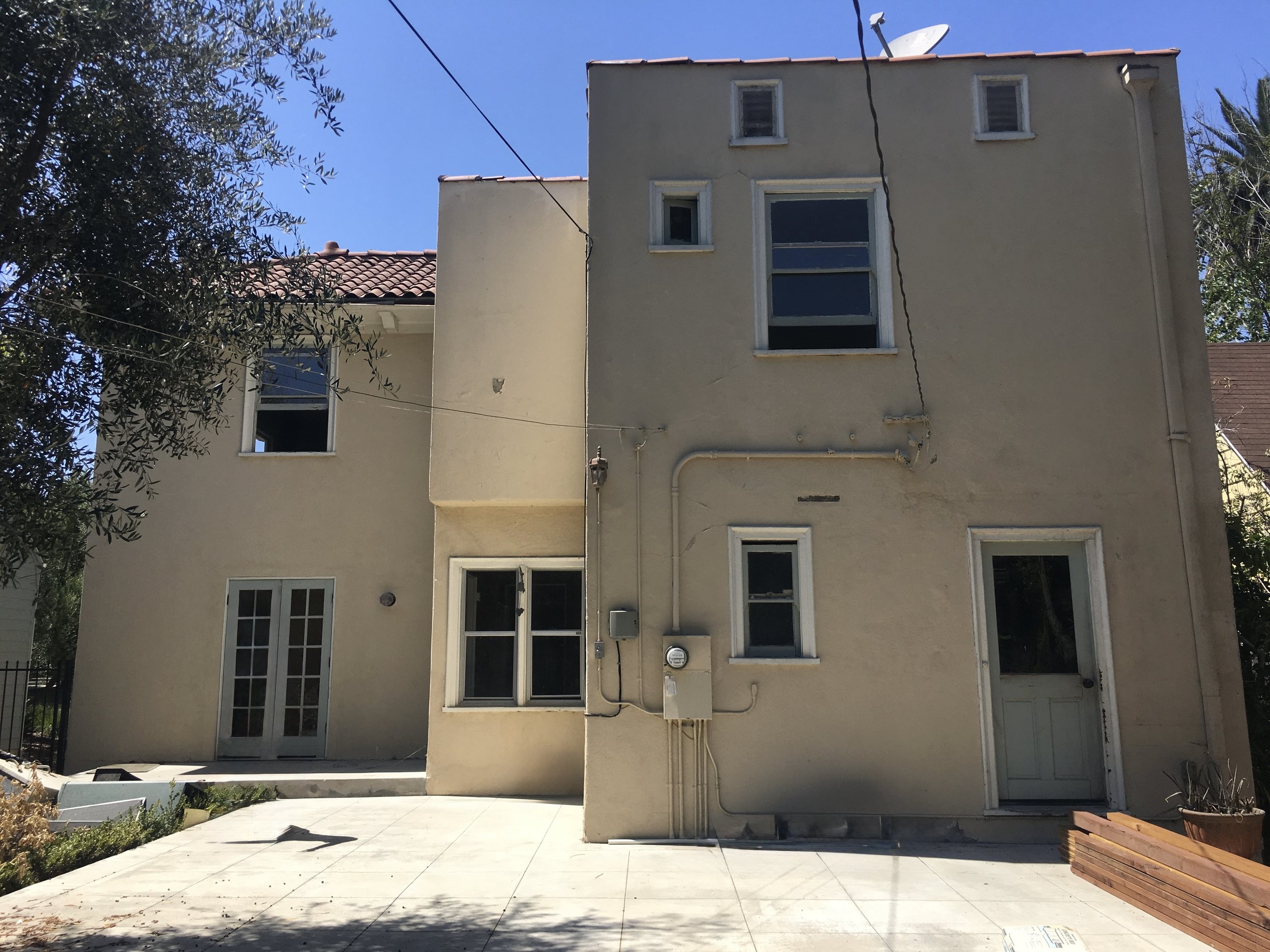
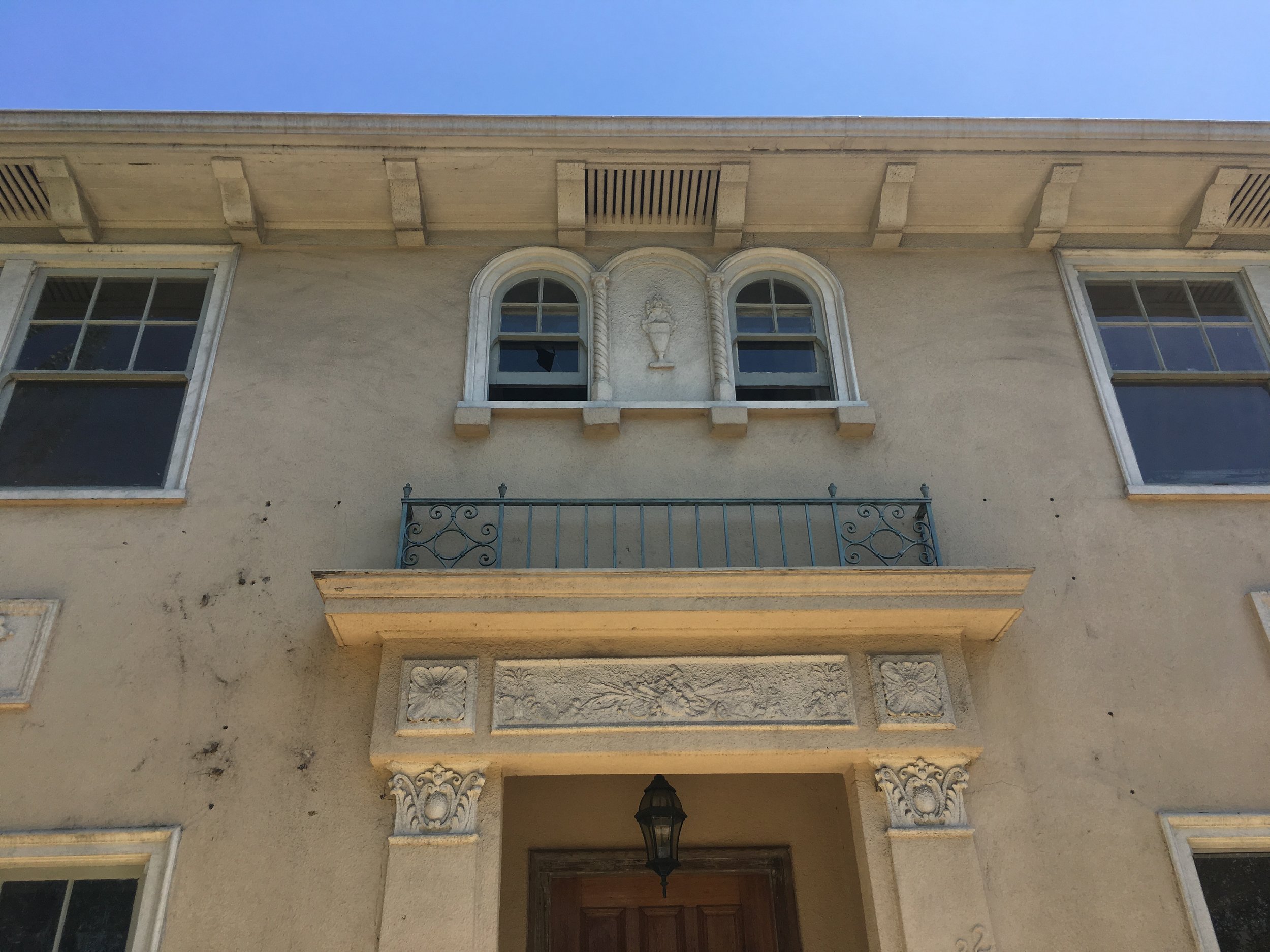
BEFORE — ORIGINAL CONDITION
The home had strong architectural character, but the structure and systems were no longer reliable.
Framing had aged, systems were outdated, and the layout didn’t support modern living. Spaces felt closed off, with limited natural light and no clear connection between the interior and the backyard.
While the home was worth preserving, the way it functioned and what it could support structurally needed to be completely reworked.
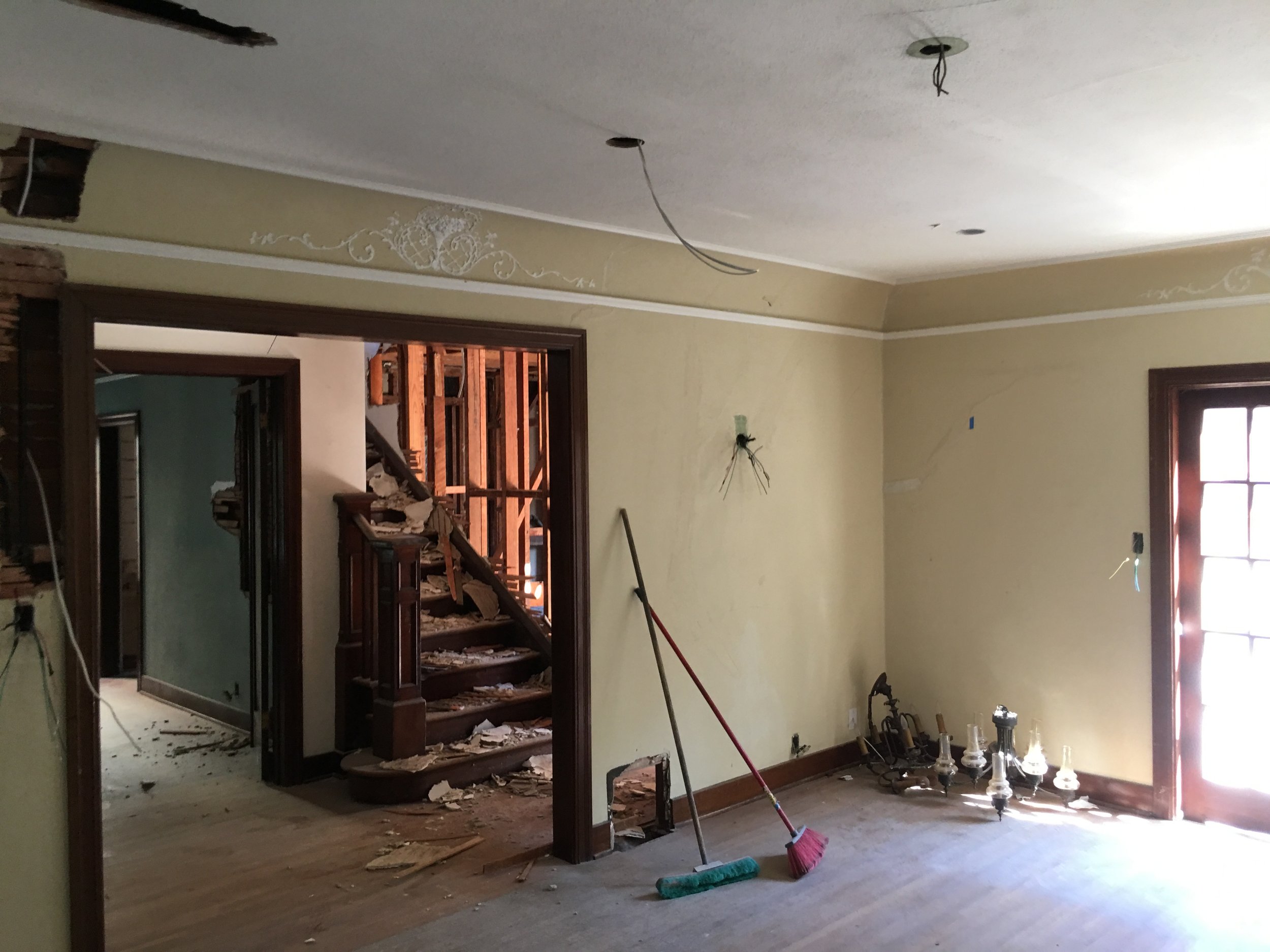
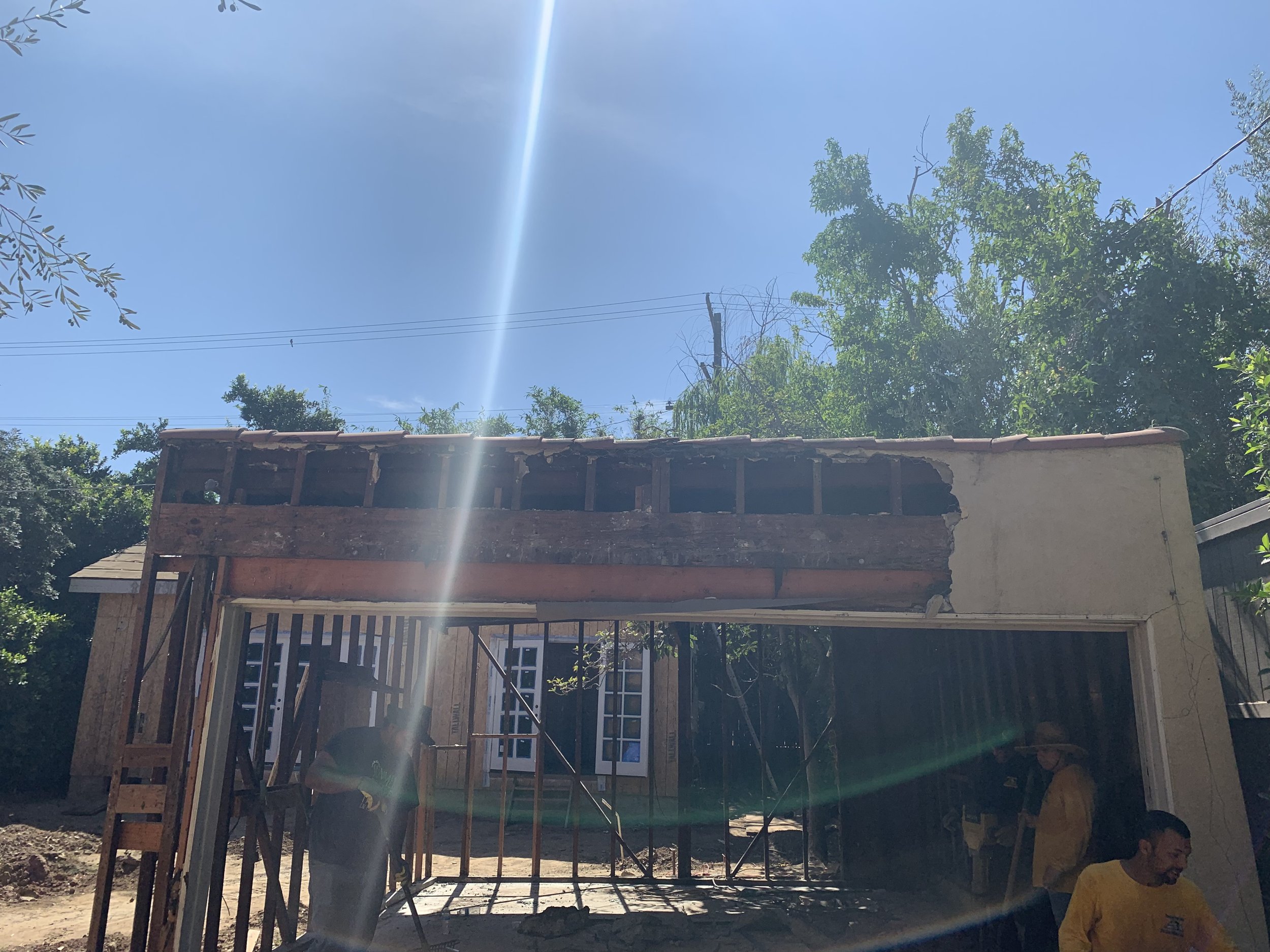
DURING — IN PROGRESS
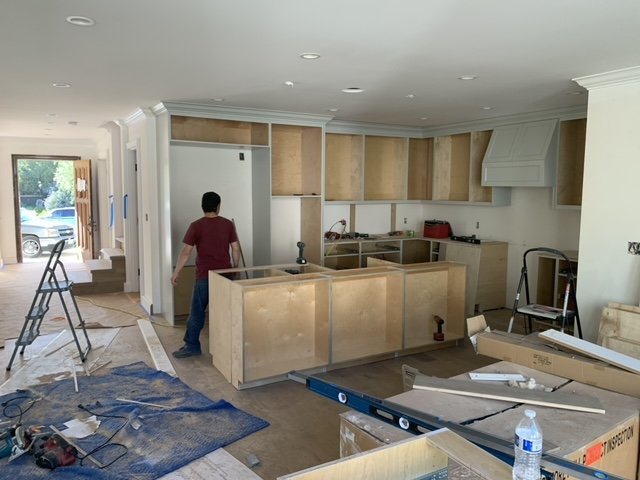
The project began with stabilization.
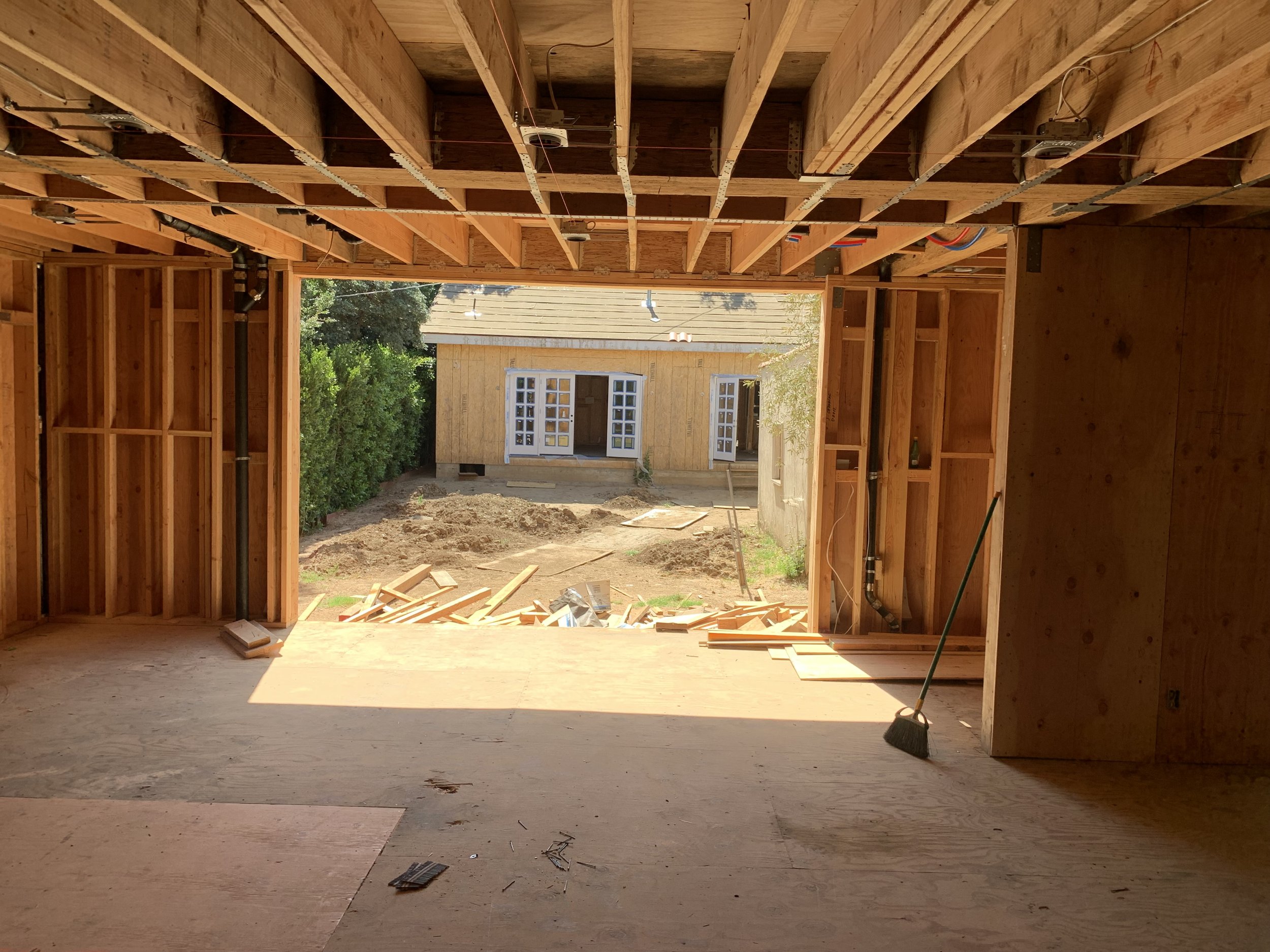
The existing foundation and framing were reinforced to meet current structural requirements before any new construction was introduced.
At the same time, the entire home was reworked internally load-bearing elements were evaluated, openings were introduced carefully, and the layout was adjusted within the limits of the structure.
All major systems were fully replaced and routed through a house that wasn’t originally designed to accommodate them, requiring constant coordination between trades.
Behind the walls, conditions continued to evolve.
Existing materials, structural inconsistencies, and preservation requirements meant adjustments were made throughout the build often in real time.
The addition, ADU, and garage were built alongside the restoration, requiring precise sequencing to ensure everything tied together correctly.
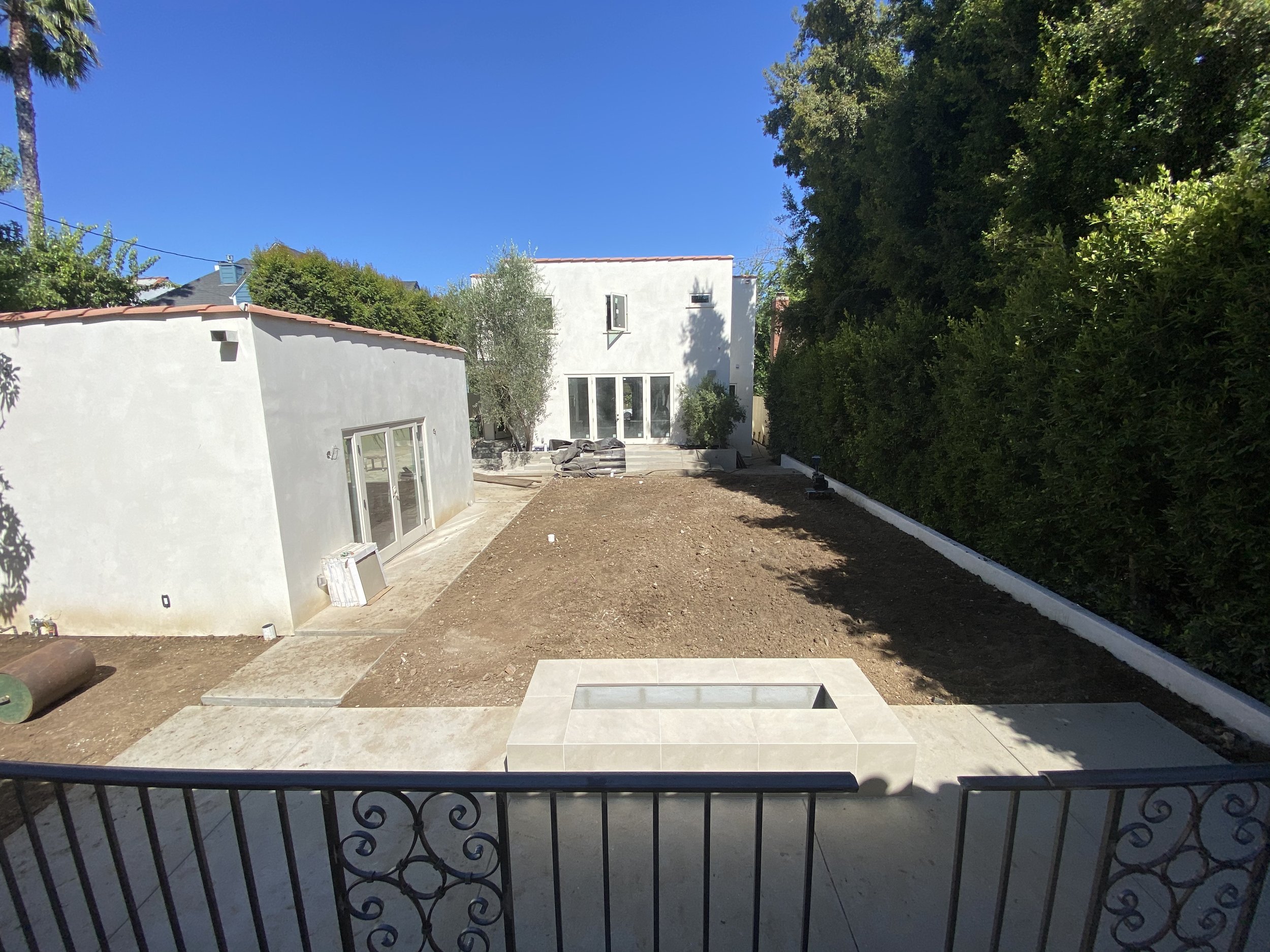
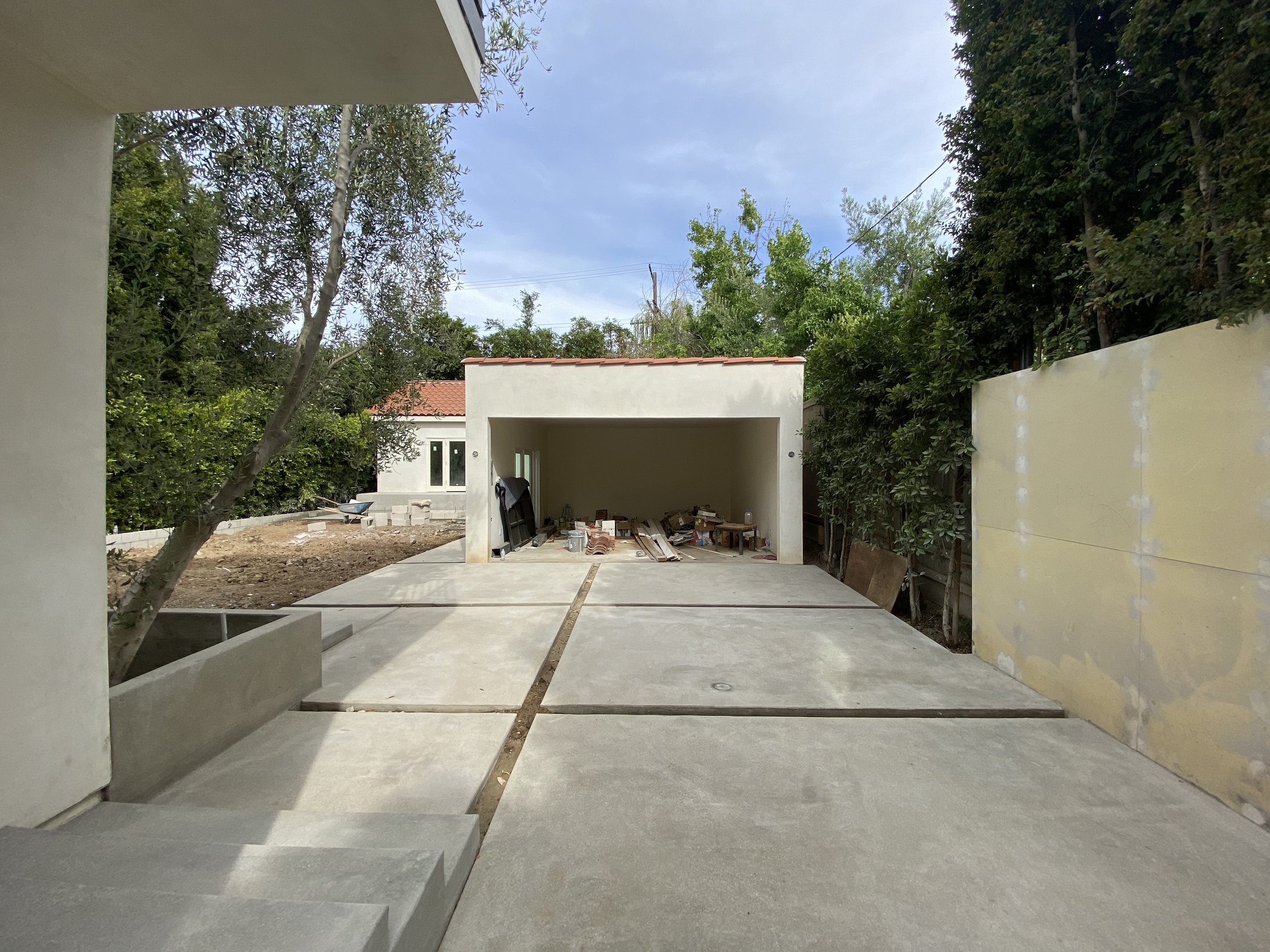
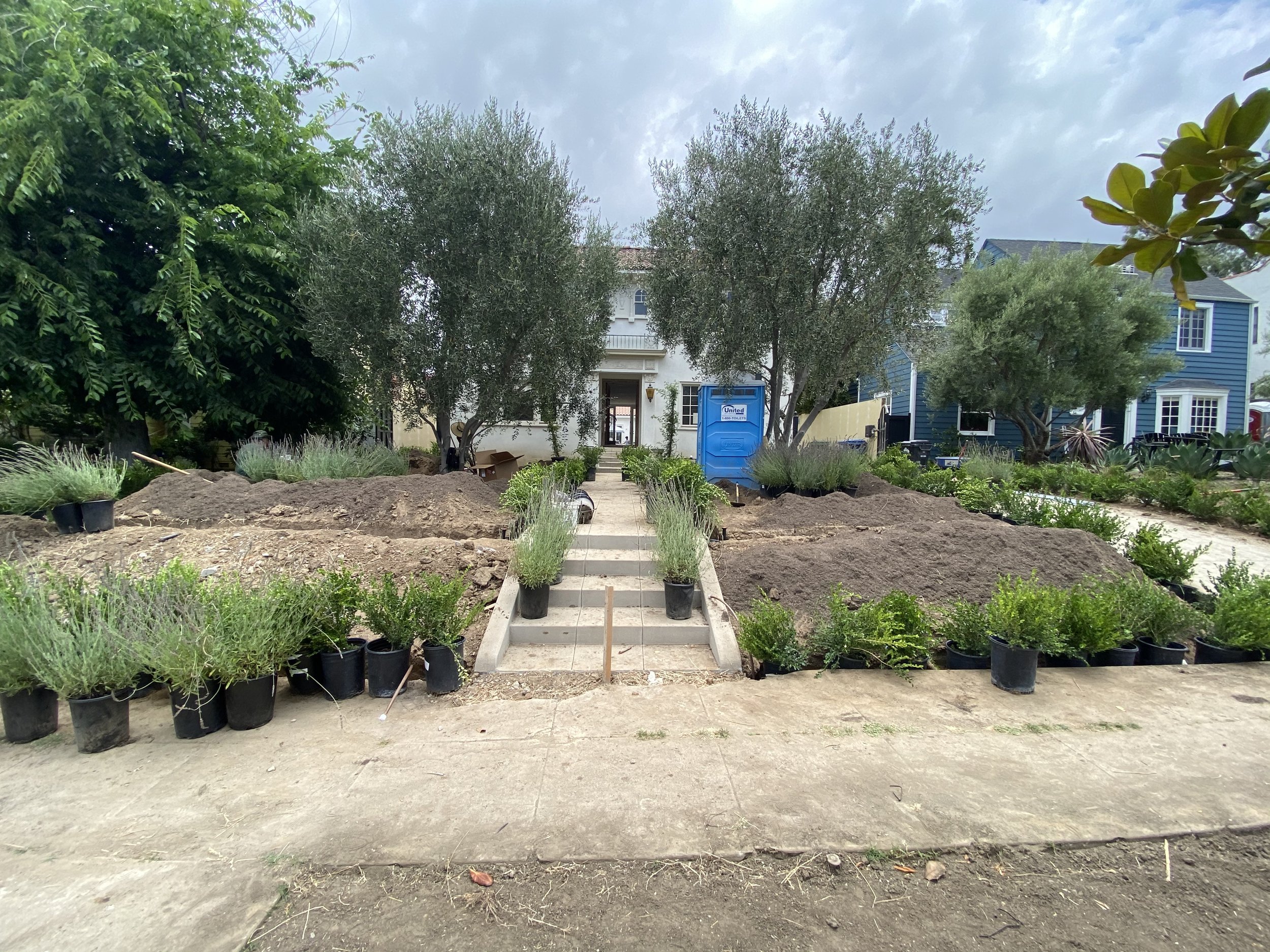
By the time finishes began, the structure, systems, and layout were already aligned.
That’s what allows a project like this to feel cohesive instead of assembled.
Key Decisions
The decisions that shaped how the home now works.
Projects like this are defined by a few key moves. These were the decisions that turned a limited, segmented home into a space that feels open, functional, and aligned with how it’s actually lived in.
1
PRESERVE WHAT DEFINES THE HOME
Key architectural elements were restored rather than replaced, maintaining the identity and character of the original structure.
2
REBUILD THE STRUCTURE TO SUPPORT THE FUTURE
The existing home was reinforced to meet modern code and support the addition ensuring long-term performance, not just surface-level improvement.
3
DESIGN THE ADDITION TO FEEL ORIGINAL
The expansion was integrated in a way that feels consistent with the existing architecture so the home reads as one complete structure, not old and new.
4
OPEN THE INTERIOR WITHOUT OVER-ALTERING IT
The layout was improved to create better flow and usability while respecting structural and historical constraints.
5
INTEGRATE ADU AND GARAGE AS PART OF THE PROPERTY
New structures were added in a way that supports the overall property without competing with the main residence.
6
UPGRADE ALL SYSTEMS WITHOUT COMPROMISING THE STRUCTURE
Electrical, plumbing, and HVAC systems were fully modernized and carefully integrated into the existing home.
Before & After
Drag to reveal the transformation.
Project Timeline
12 months from planning to completion.
Planning + Historical Approvals
Extended pre-construction phase including historical review, documentation, and multiple approval cycles
PHASE 1PHASE 2structure
Stabilization, reinforcement, and preparation for integration of new construction
PHASE 3Addition + Framing
Construction of new spaces tied into the existing structure
PHASE 4Systems
Full installation of electrical, plumbing, and HVAC
PHASE 5Finishes+Handover
Interior, exterior, and material coordination ,Final walkthrough, punch work, and project delivery
Historical approvals and evolving site conditions extended both planning and execution beyond a typical remodel.
The Result
A home that feels like it was never disrupted just brought forward.
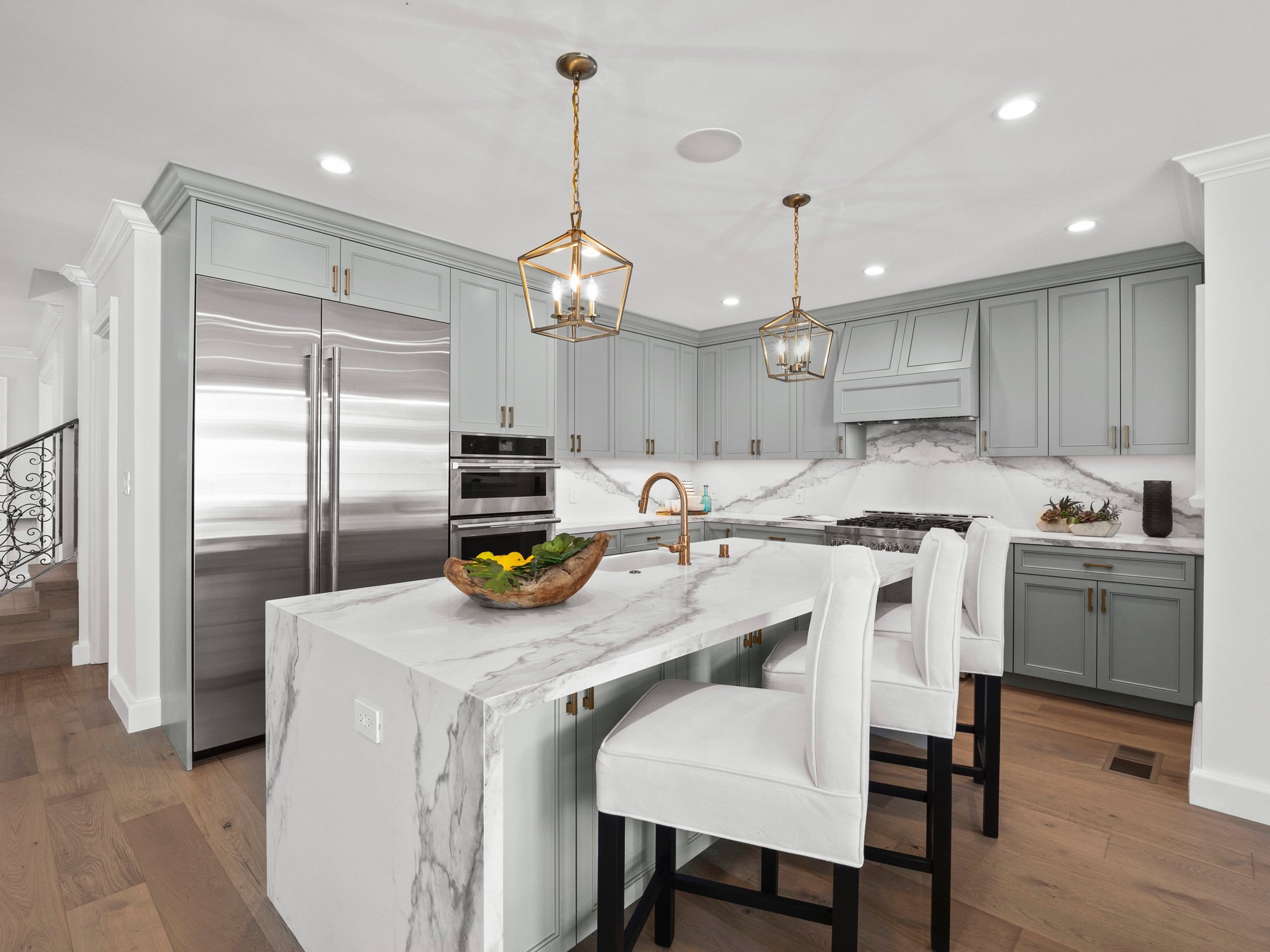
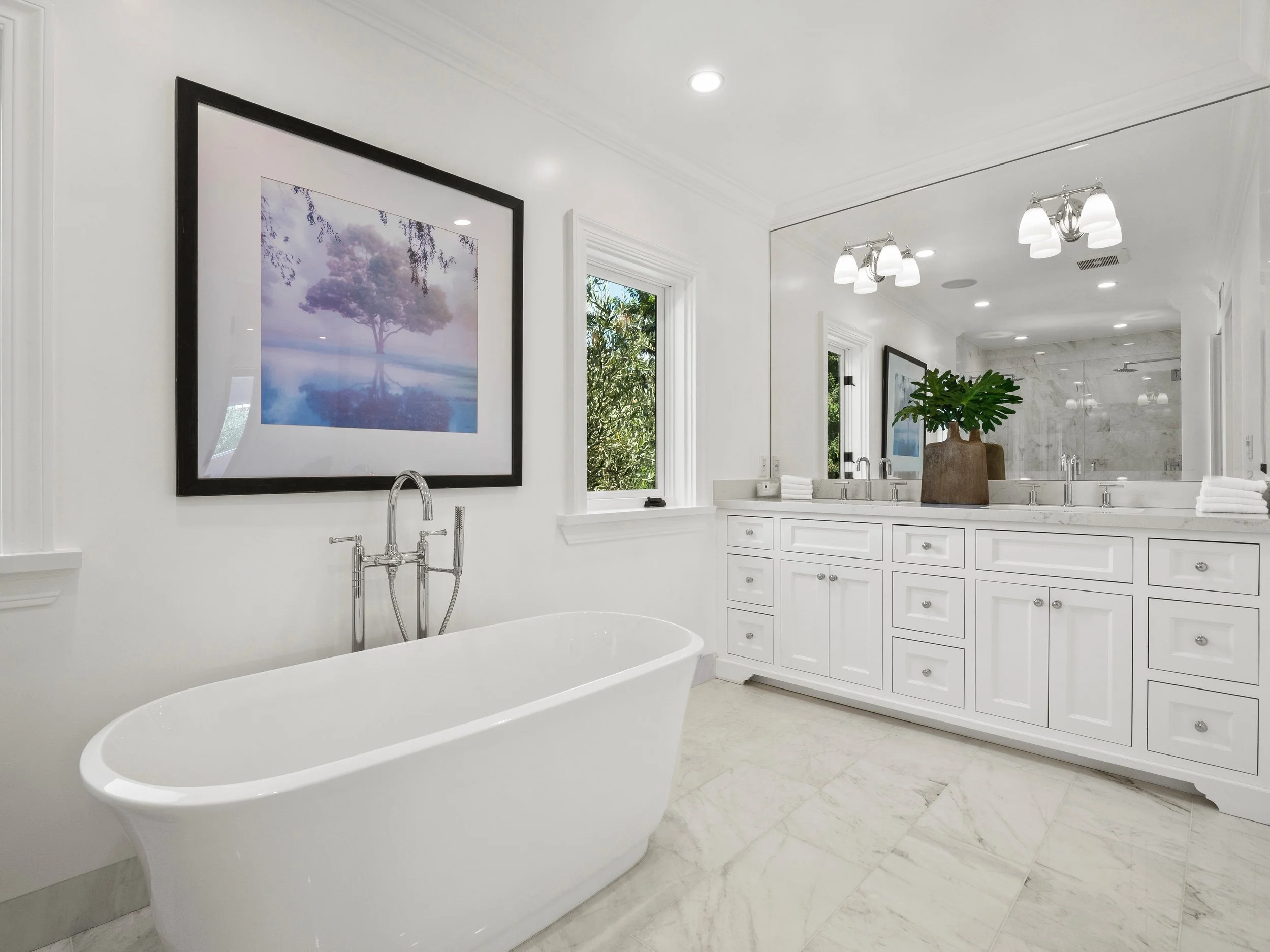
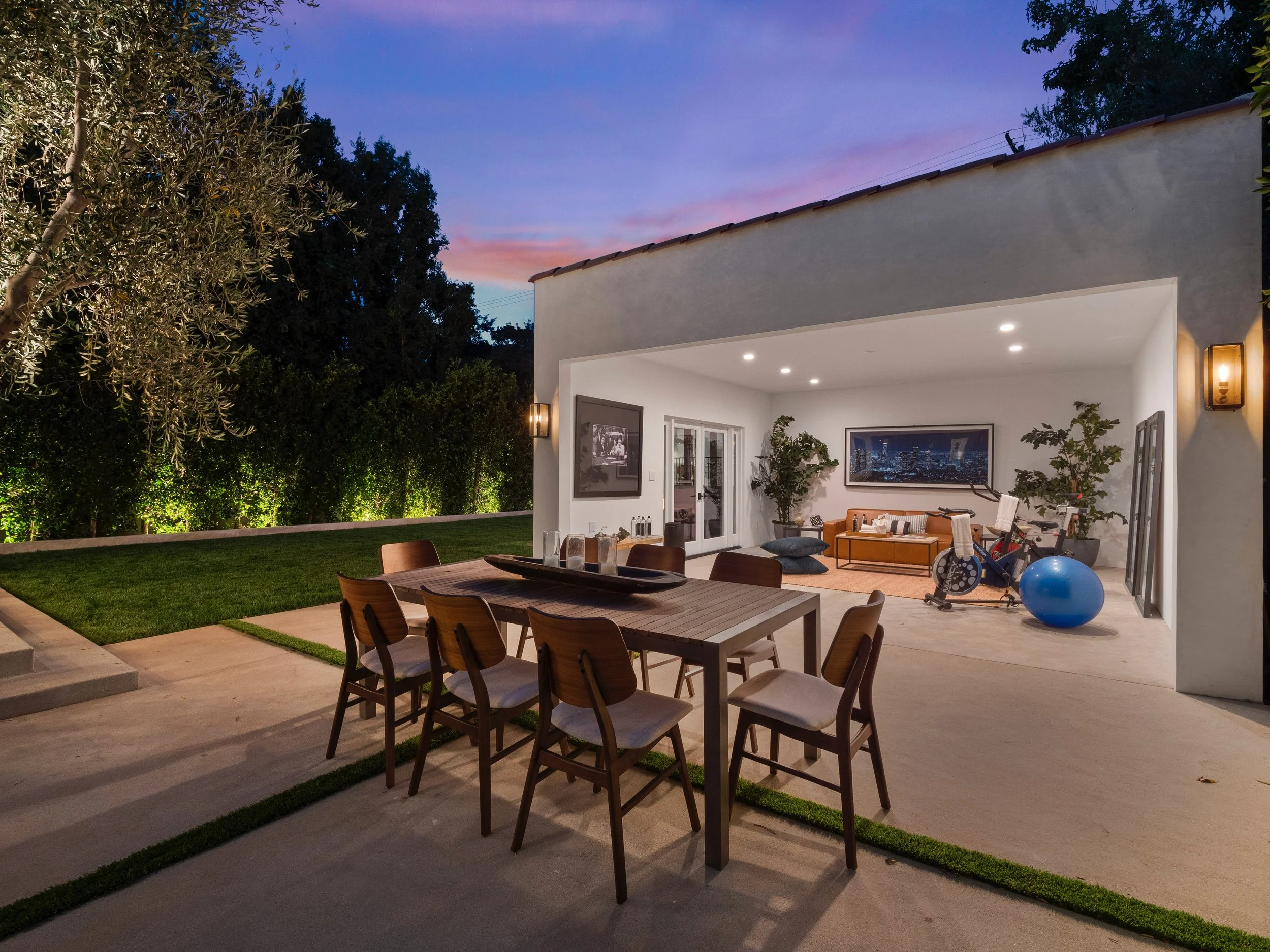
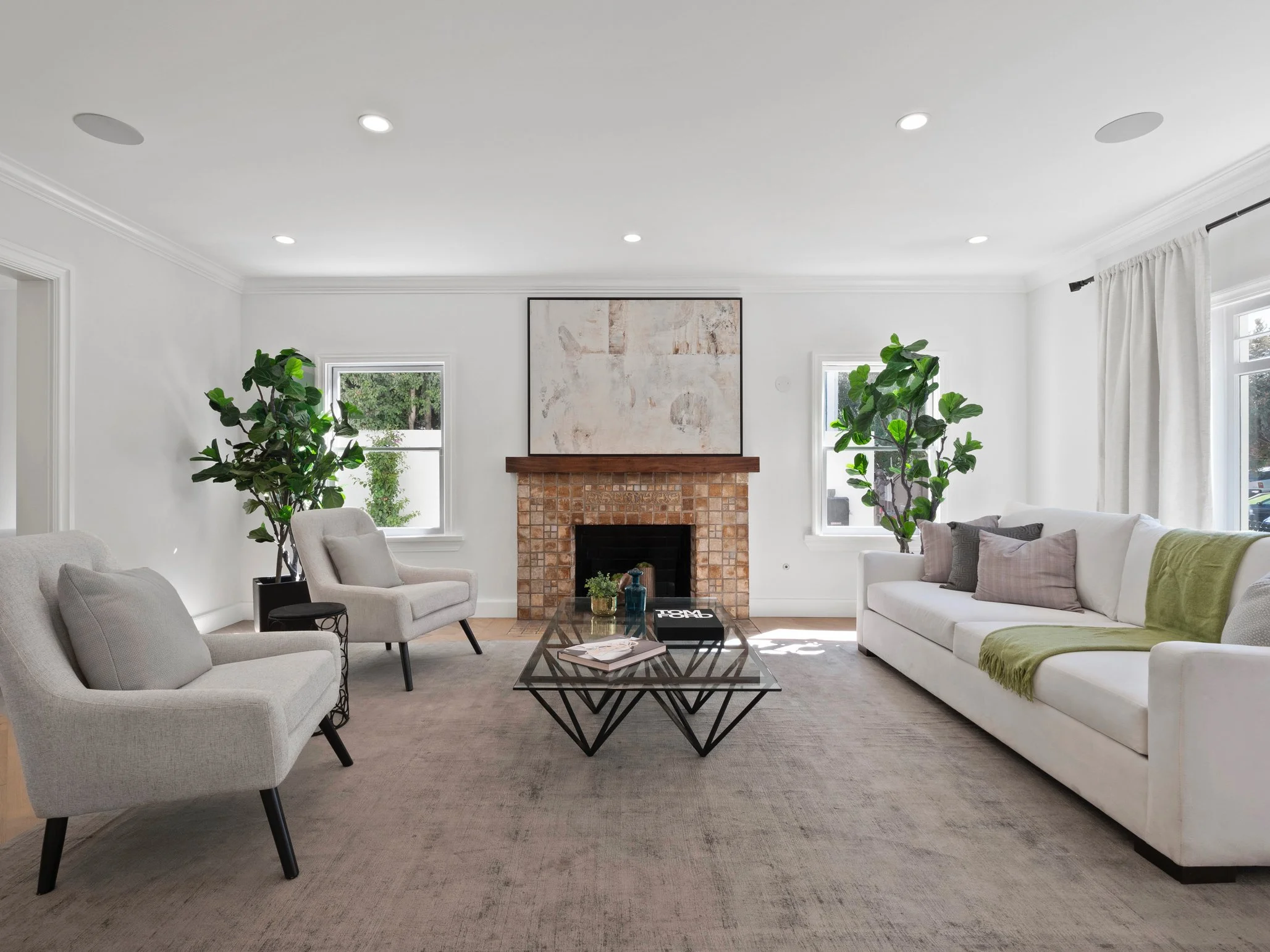
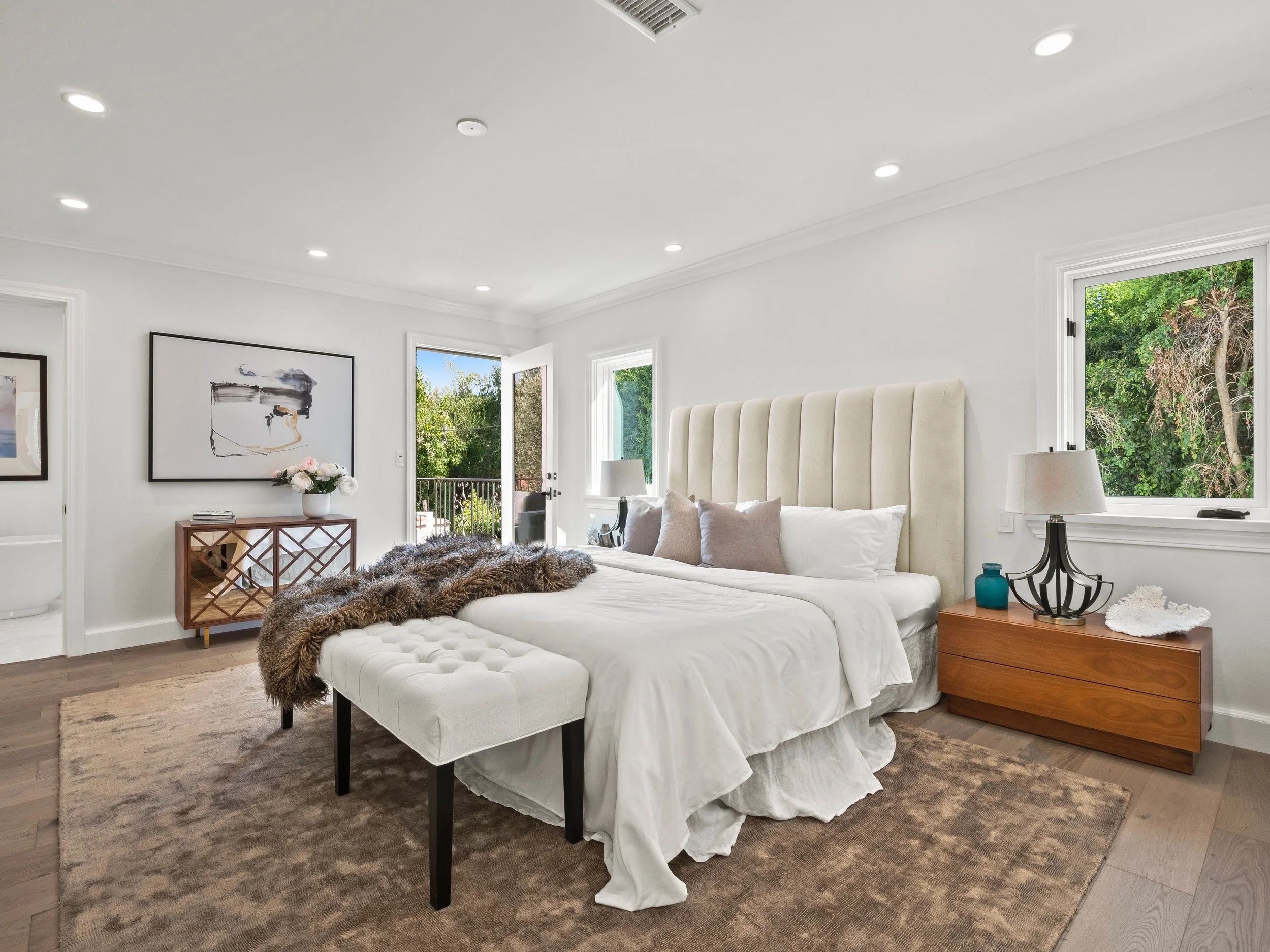
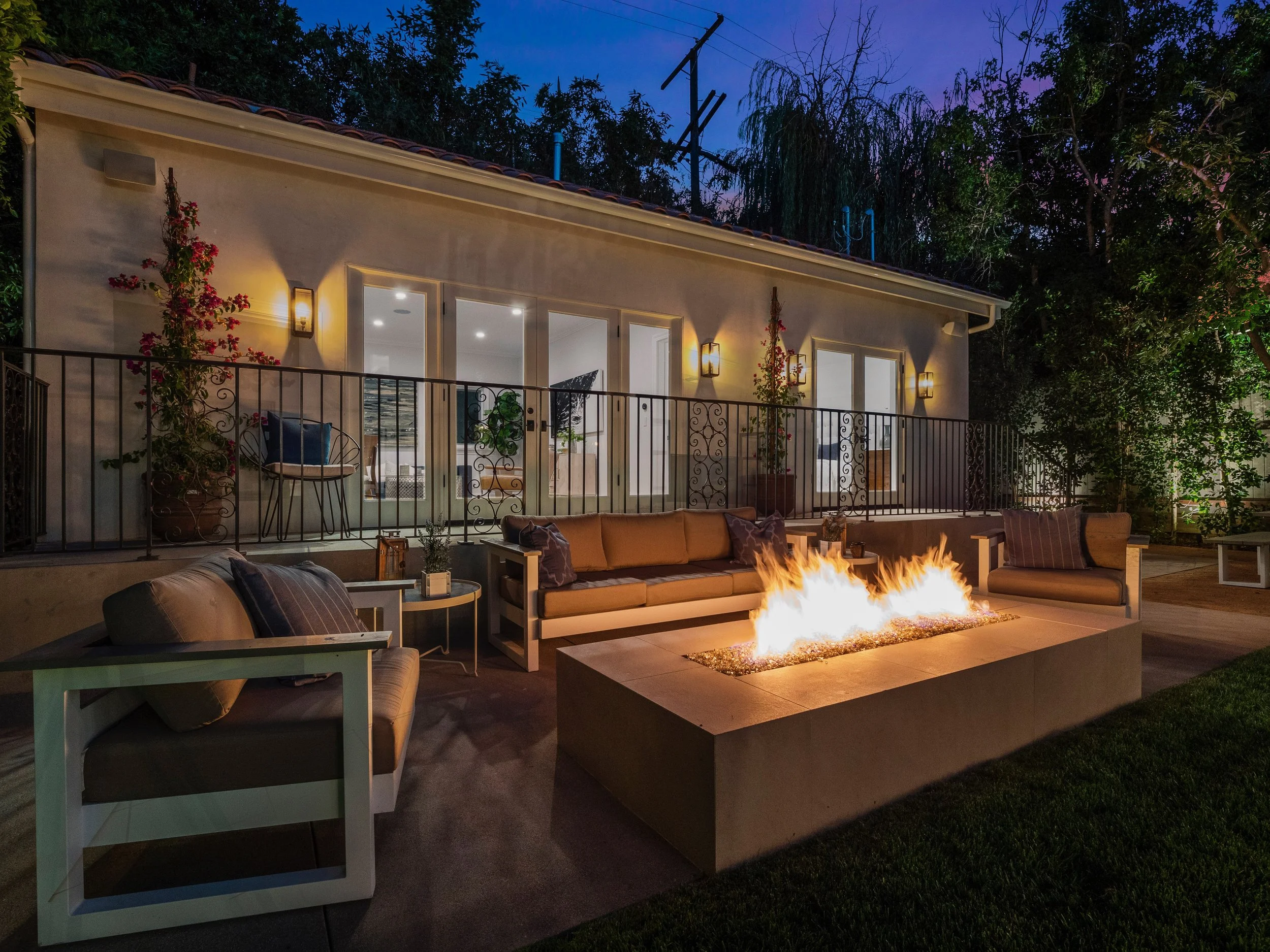
The difference isn’t just in the added space. It’s in how naturally everything works now. The main living areas are open and connected, but still defined. The kitchen, family room, and circulation between them feel intuitive nothing forced, nothing over-designed. Light moves through the home in a way it never did before, and the transition to the backyard feels like part of the same environment, not separate from it.
The ADU and garage now function as part of the property not as additions, but as integrated elements that support how the home is used overall.
What used to feel segmented now reads as one continuous experience. Daily life doesn’t have to work around the house anymore the house supports it.
But what stands out most isn’t what changed. It’s what didn’t. The proportions still feel right, the architectural language remains intact, and the home still carries the presence it always had. It still reads as Hancock Park. It just finally works like the home it was always meant to be.

Project overview
post-restoration
construction timeline
main home · ADU · garage
structure reinforced
ARCHITECT
Alonso Reyna
INTERIOR DESIGN
Heart Construction
LANDSCAPE DESIGN
Heart Construction
STRUCTUAL ENGINEER
Paul Durand
SOME MORE CASE STUDIES
-
![Hollywood Hills mid-century kitchen with custom stone island, integrated shelving, warm wood cabinetry, and sculptural wood stools in a refined open layout]()
HOLLYWOOD HILLS MID-CENTURY RESTORATION
-
![Hollywood Hills home remodel living room with open layout, modern furnishings, built-in bar, and full sliding glass walls opening to hillside views]()
HOLLYWOOD HILLS HOME REMODEL
-
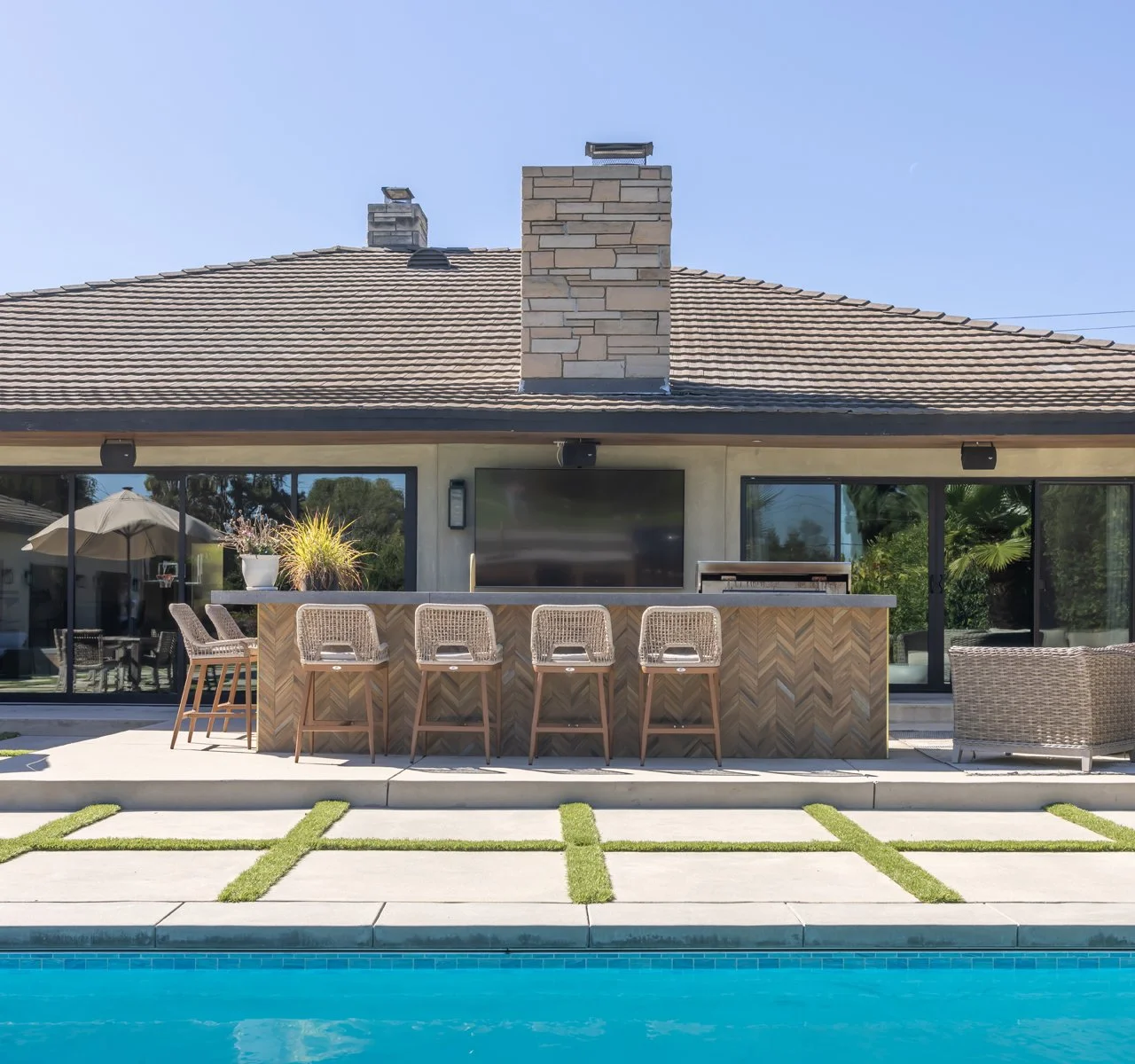
![Outdoor kitchen and bar seating area with poolside patio and indoor-outdoor living design]()
CULVER CITY COMPLETE REMODEL + ADU
-
![Westwood home remodel with second story addition, backyard pool, wood deck, and indoor-outdoor living connection]()
WESTWOOD FAMILY REMODEL + SECOND STORY ADDITION + POOL
-
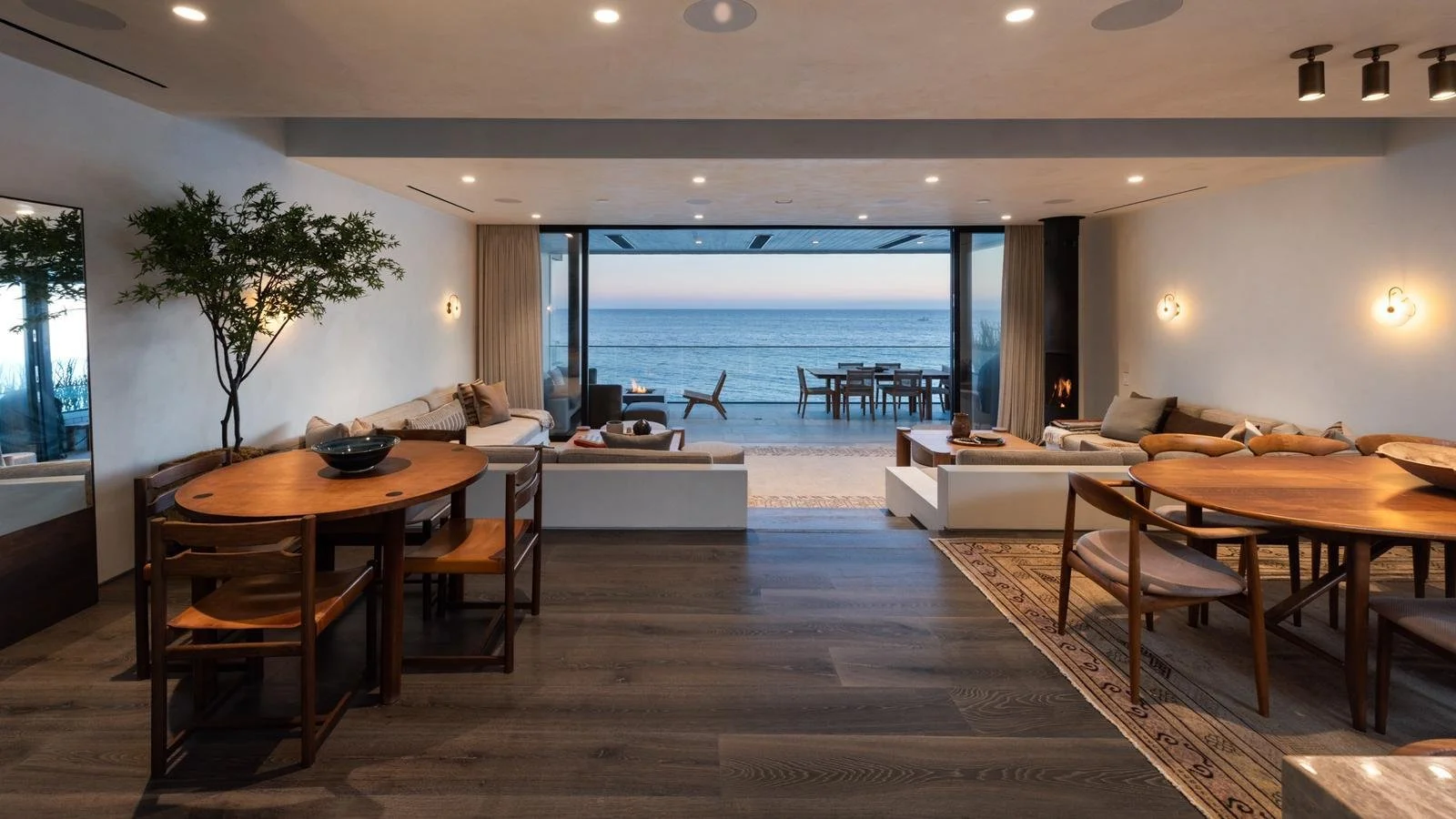
![Malibu beachfront condo remodel with open living space, seamless indoor-outdoor design, and panoramic ocean views]()
MALIBU BEACHFRONT CONDO REMODEL
-
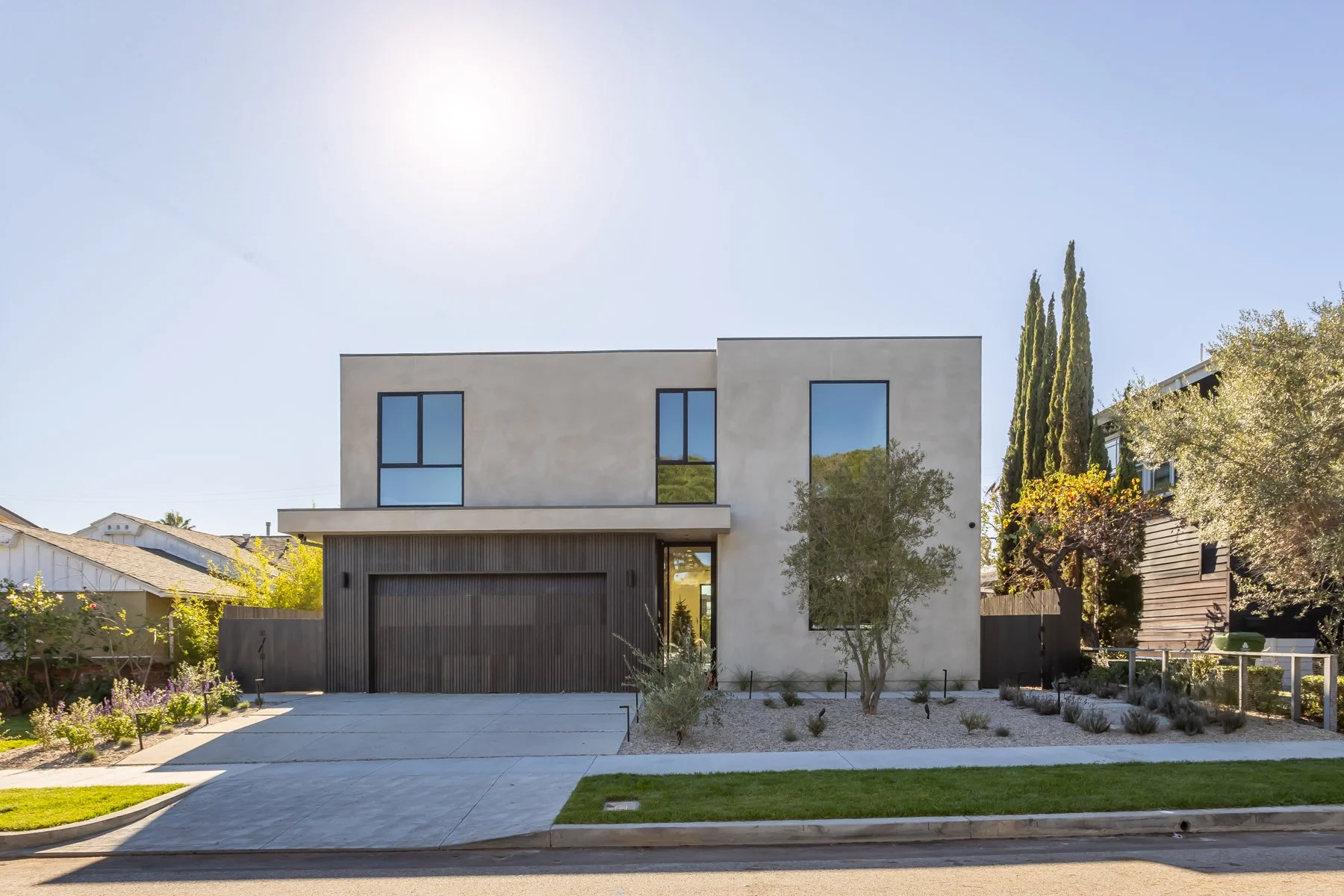
![Modern two-story custom home in Mar Vista with clean stucco facade, large windows, and integrated garage]()
MAR VISTA CUSTOM HOME BUILD
-
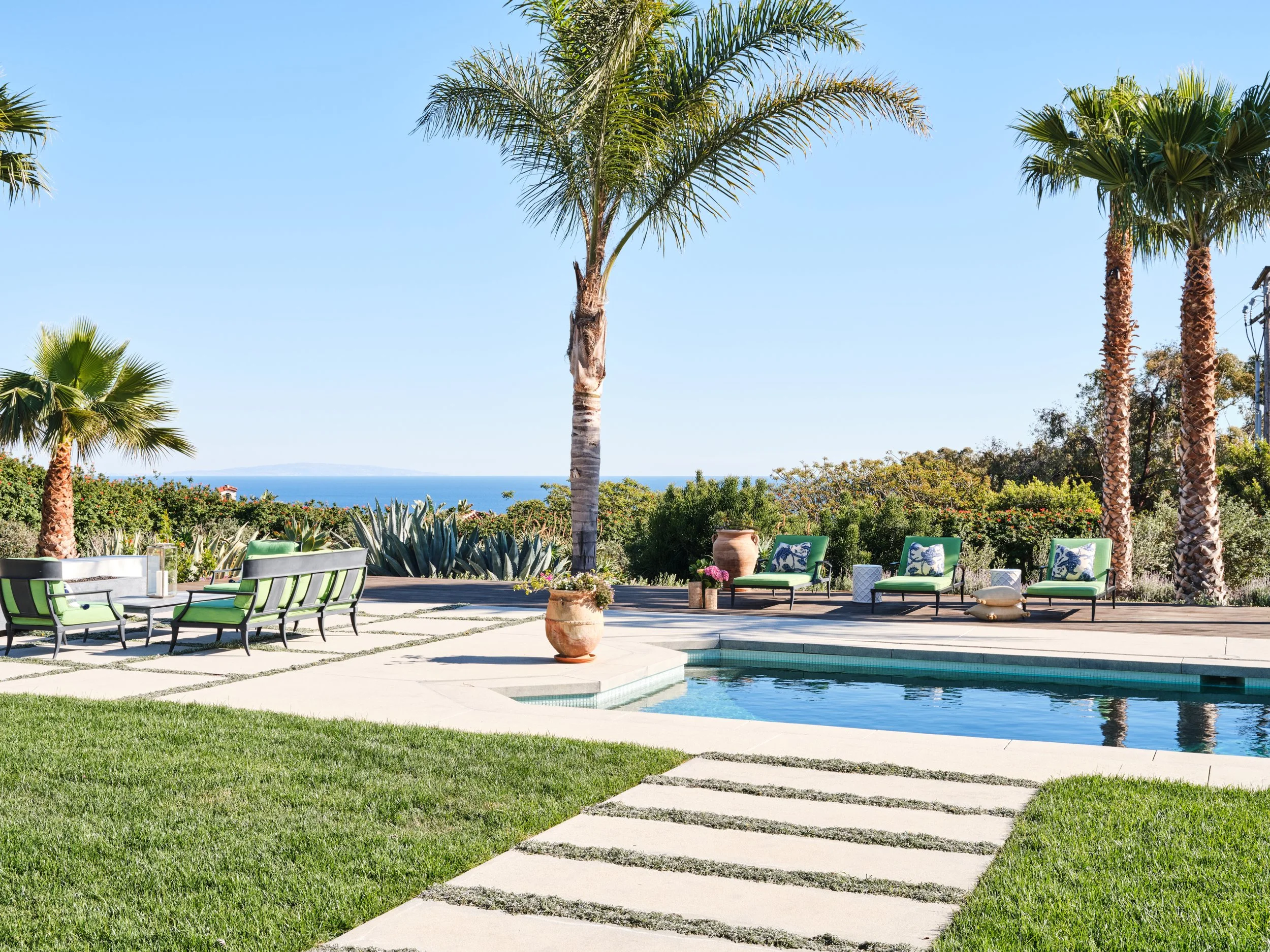
![Outdoor living space with pool, lounge seating, and ocean views in landscaped Malibu backyard]()
MALIBU SPANISH HOME REMODEL
-
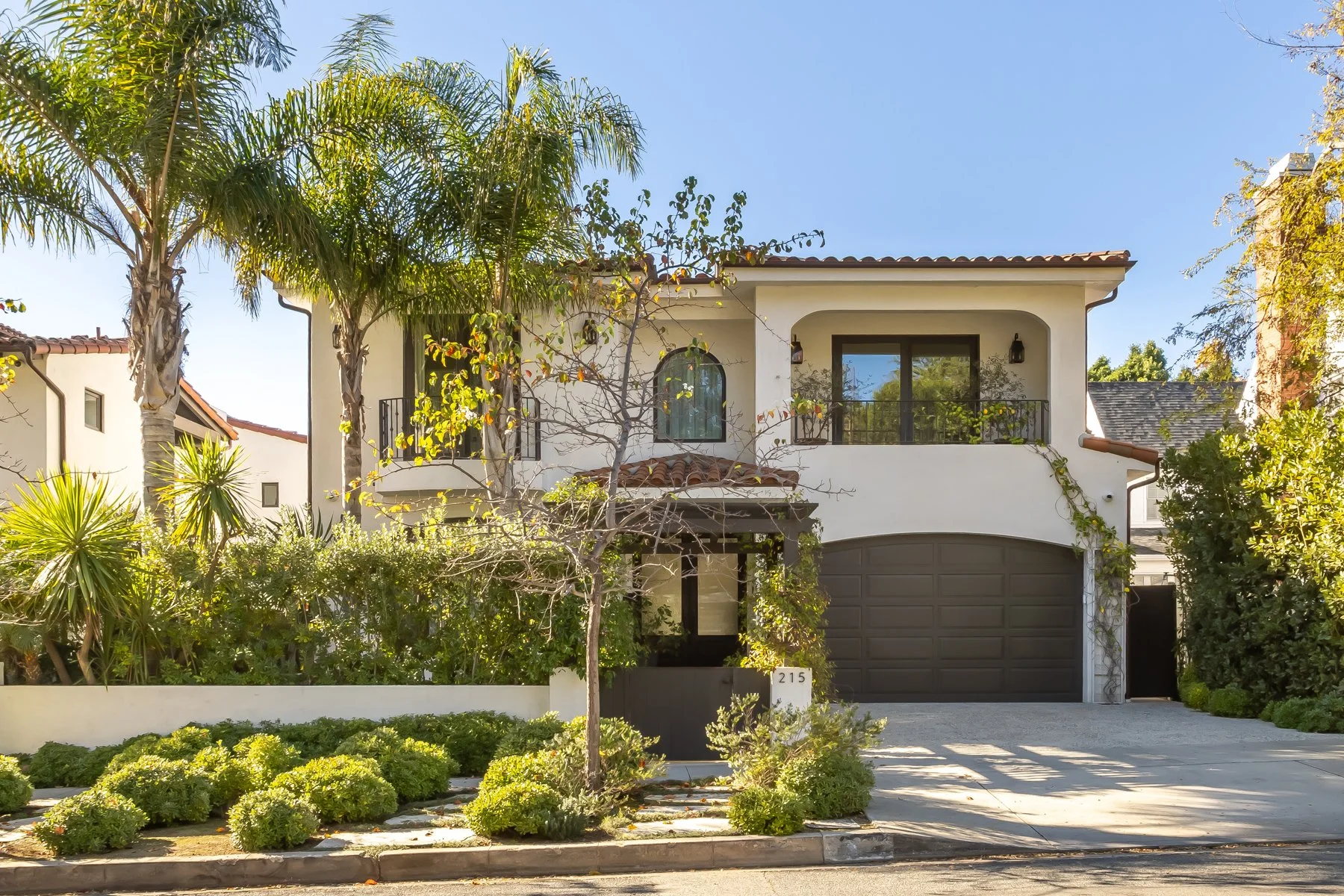
![Brentwood custom home with Spanish-style architecture, white stucco exterior, clay tile roof, arched openings, balcony, and landscaped front yard in Los Angeles]()
BRENTWOOD CUSTOM HOME BUILD



Explore Further
Related services and resources.
SERVICE
Full Home Remodels
See how Heart approaches complete home renovations, from early assessment through final handover.
SERVICE
ADU Construction
Understand how we design and build ADUs that feel like part of the property not an afterthought.
LOCATION
Hancock Park General Contractor
Learn more about how we approach projects in Hancock Park historical constraints, approval coordination, and working within one of Los Angeles's most architecturally significant neighborhoods.
GUIDE
ADU Construction Timeline in Los Angeles
See what to expect when planning an ADU from approvals to build timelines.
GUIDE
10 Critical Questions to Ask Before Hiring a General Contractor in Los Angeles
Understand what to ask before starting your project — based on real projects and real conversations.
GUIDE
Remodel vs Rebuild vs New Build in Los Angeles
Understand how to decide between preserving, rebuilding, or expanding your home — based on real projects and structural constraints.
Ready to talk about your home?
Every project like this starts with understanding what’s possible before design, before plans, before construction.
If you’re planning a restoration, addition, or ADU project in Hancock Park or Los Angeles, start with a conversation.
We’ll help you think through the structure, the constraints, and the right way to approach it.