
MALIBU SPANISH HOME REMODEL
THE STORY
LOCATIONLos Angeles coastline
SERVICEInterior reconfiguration + pool + cabana construction
Full Home Renovation
PROJECT TYPEReconfiguring layout within the existing structure
Coastal Indoor–Outdoor Family Living
LIVING STYLEConnecting the home to backyard, pool, and cabana
Layout · Light · Flow · Function
PRIMARY FOCUSOpening the space around how it’s actually lived in
Open · Coastal · Connected · Functional
OVERALL FEELFeels like it was always meant to open toward the ocean without losing its original character.
A Malibu home should feel connected. This one didn’t.
The property had the location ocean-facing, with the potential for indoor-outdoor living but the layout worked against it. Walls interrupted views, light didn’t travel, and the main living spaces felt separated instead of connected. The ocean was there but it didn’t feel present.
And beneath that, there was a deeper issue. A load-bearing wall divided the kitchen and family room, limiting how the space could open and how far sightlines could extend. The problem wasn’t just how the home looked. It was how it functioned.
At the same time, the goal wasn’t to expand the house. There was enough square footage it just wasn’t being used well.
This project wasn’t about adding space. It was about making the space work.
The home needed to support how it’s actually lived in not just as a coastal property, but as a family home. Open when shared, connected to the outdoors, and easy to move through.
And the transformation didn’t stop inside. The backyard needed to become part of the experience pool, cabana, and outdoor living spaces that feel integrated, not separate.
So the approach wasn’t about doing more. It was about opening everything carefully, structurally, and in the right order while preserving the original character of the home.
The result is a home that feels aligned with its setting and the way it’s lived in.
The Challenge
At the same time, the problem went deeper than layout.
A load-bearing wall separated the kitchen and family room, limiting how much the space could open and how far sightlines could extend. Any meaningful change required structural intervention not just design decisions.
The home also carried a strong architectural identity.
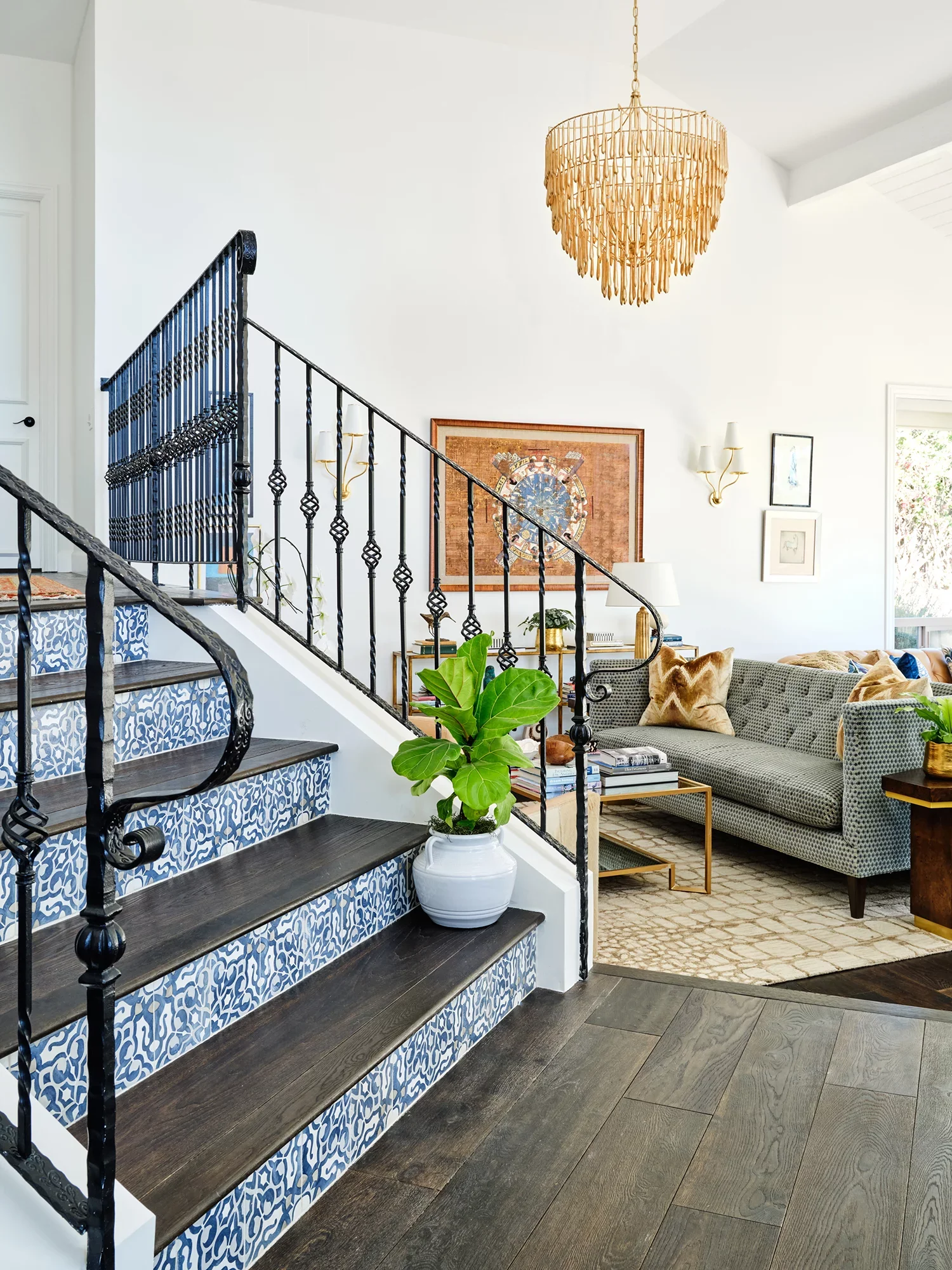
The original Spanish character gave it presence and proportion, but the layout didn’t support how the home was meant to be lived in.
And like most projects in Malibu, there were layers beyond the house itself.
Coastal oversight and city permitting requirements added another level of coordination — especially with the addition of the pool, cabana, and outdoor living areas.
The challenge wasn’t just opening the space.
It was transforming how it functioned
while navigating structure, permitting, and preserving what made it distinct.
That’s where projects like this often shift — from improving the layout to deciding whether the structure should be reworked or replaced entirely.
→ See how the remodel vs rebuild decision actually plays out
A coastal home that didn’t fully connect to its setting.
The property had everything it needed location, scale, and ocean-facing orientation but the layout worked against it.
Walls interrupted views. Natural light was limited. The kitchen, dining, and family room functioned as separate spaces instead of one continuous environment.
Despite being in Malibu, the home didn’t feel like a coastal home.
It felt closed, fragmented, and underutilized.
PROJECT CONSIDERATIONS
✔️ Remove load-bearing wall to open the main living space
✔️ Reconfigure layout to improve flow, light, and usability
✔️ Maximize existing square footage without expanding
✔️ Align interior spaces with ocean-facing orientation
✔️ Integrate pool, cabana, and outdoor living areas
✔️ Coordinate interior remodel with exterior construction
✔️ Navigate Malibu city + Coastal Commission permitting
✔️ Preserve the home’s original Spanish architectural character
Planning a similar project?
We work across Malibu, Santa Monica, Venice, and coastal Los Angeles navigating structure, layout, and Coastal Commission + city permitting requirements from the start.
Our Approach
This project started with clarity.
Not how to add more but how to make what’s already there work better.
Open the Structure
The main limitation wasn’t design it was structure.
A load-bearing wall separating the kitchen and family room was removed and replaced with structural beams, allowing the main level to open completely and restoring long sightlines through the home.
Rework the Layout First
Before finishes, before details the layout was solved first.
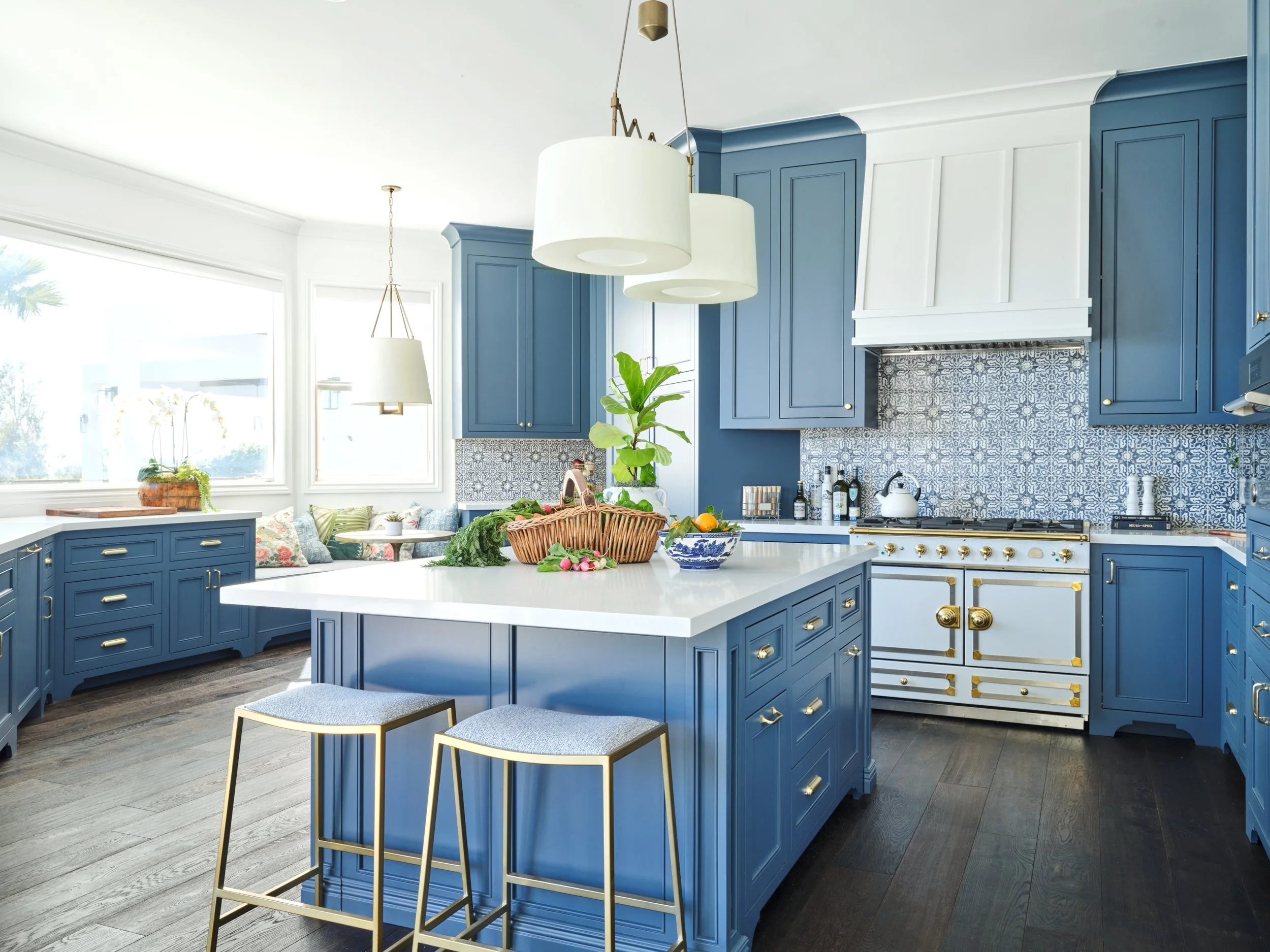
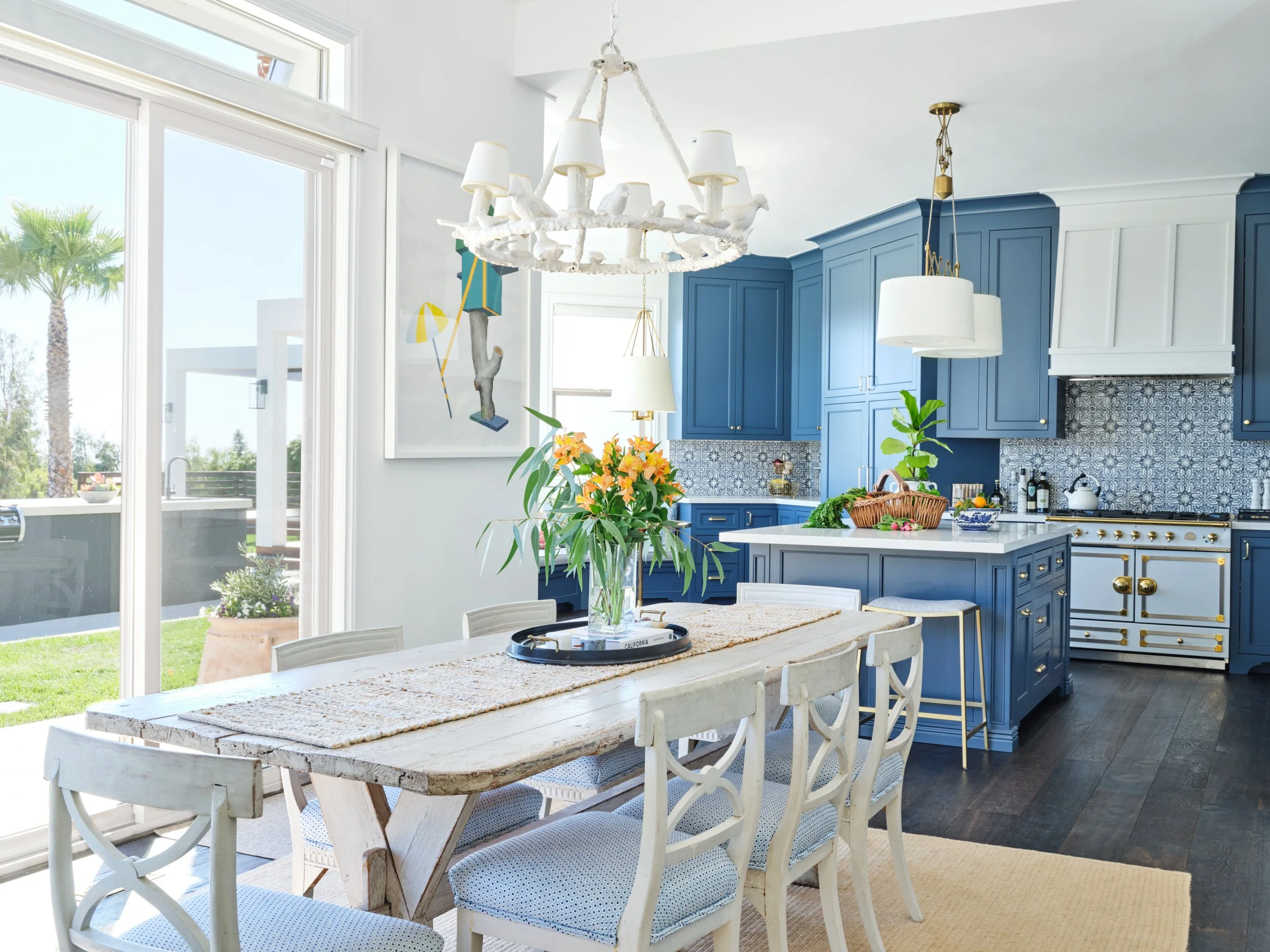
The kitchen, dining, and family room were reorganized into one continuous space, creating a clear central hub that supports how the home is actually used day to day.
Design Around the View
The layout was aligned with the home’s ocean-facing orientation.
Sightlines, circulation, and spatial relationships were all adjusted to keep the backyard and ocean visually present from the main living areas.
Integrate Indoor–Outdoor Living
The backyard wasn’t treated as a separate project.
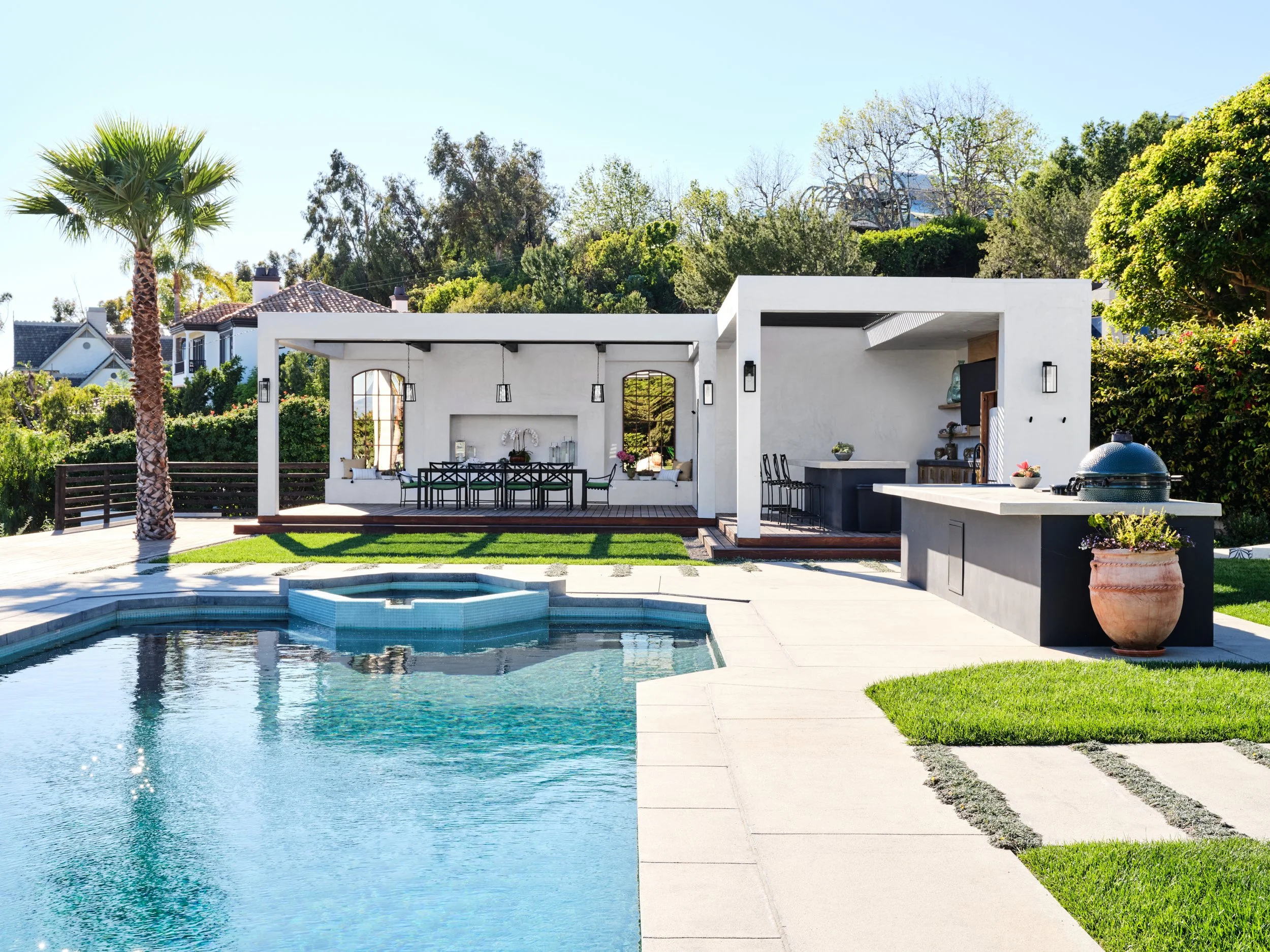
The pool, cabana, and outdoor living spaces were designed as direct extensions of the interior allowing movement, visibility, and use to flow naturally between inside and out.
Preserve and Clarify the Original Architecture
The goal wasn’t to replace the home’s Spanish character.
It was to refine it.
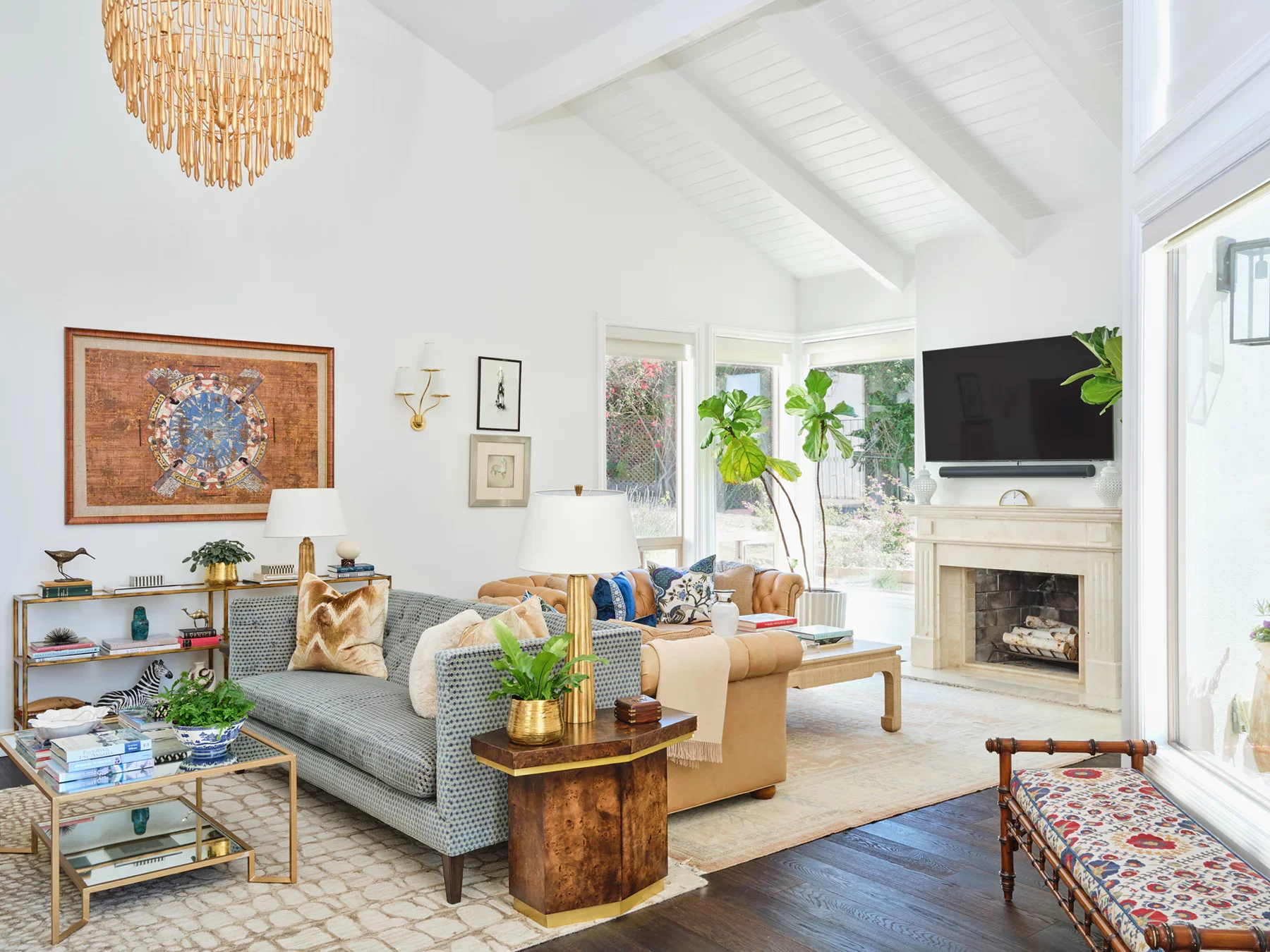
Existing architectural elements were preserved and integrated into the new layout, allowing the home to feel more intentional without losing its identity.
Coordinate Structure, Systems, and Permitting Early
Opening the home required alignment across structure, systems, and approvals from the start.
Structural changes, system upgrades, and Malibu city and Coastal Commission requirements were coordinated early reducing delays and keeping the project moving cleanly from demolition through completion.
Behind the Build
The work behind the finished spaces.
The final home feels open and effortless, but getting there required aligning structure, layout, and construction across both the interior and exterior of the property.
BEFORE — ORIGINAL CONDITION
The house had the right setting, but the wrong layout to support it.
The kitchen was small and disconnected. The main living spaces were broken up, with walls limiting both movement and natural light. Sightlines toward the backyard and ocean were interrupted, making the home feel more closed than its location suggested.
At the same time, the structure defined the limits of the space.
A load-bearing wall separated the kitchen and family room, restricting how the layout could function and preventing the home from opening up.
The home also had strong architectural character.
The Spanish style gave it identity and presence, but the layout didn’t support how it was meant to be lived in.
It felt like a home turned inward instead of outward.
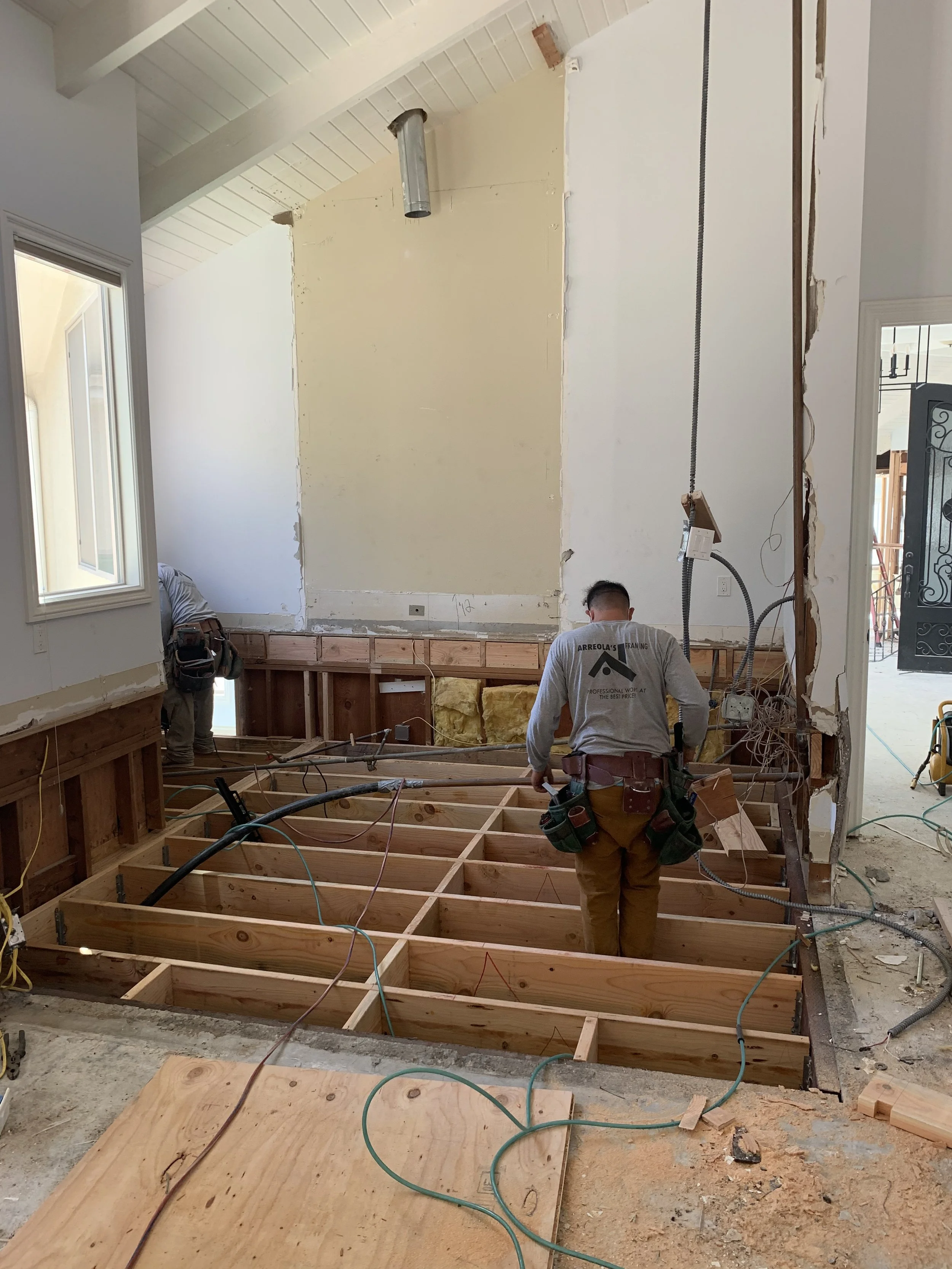
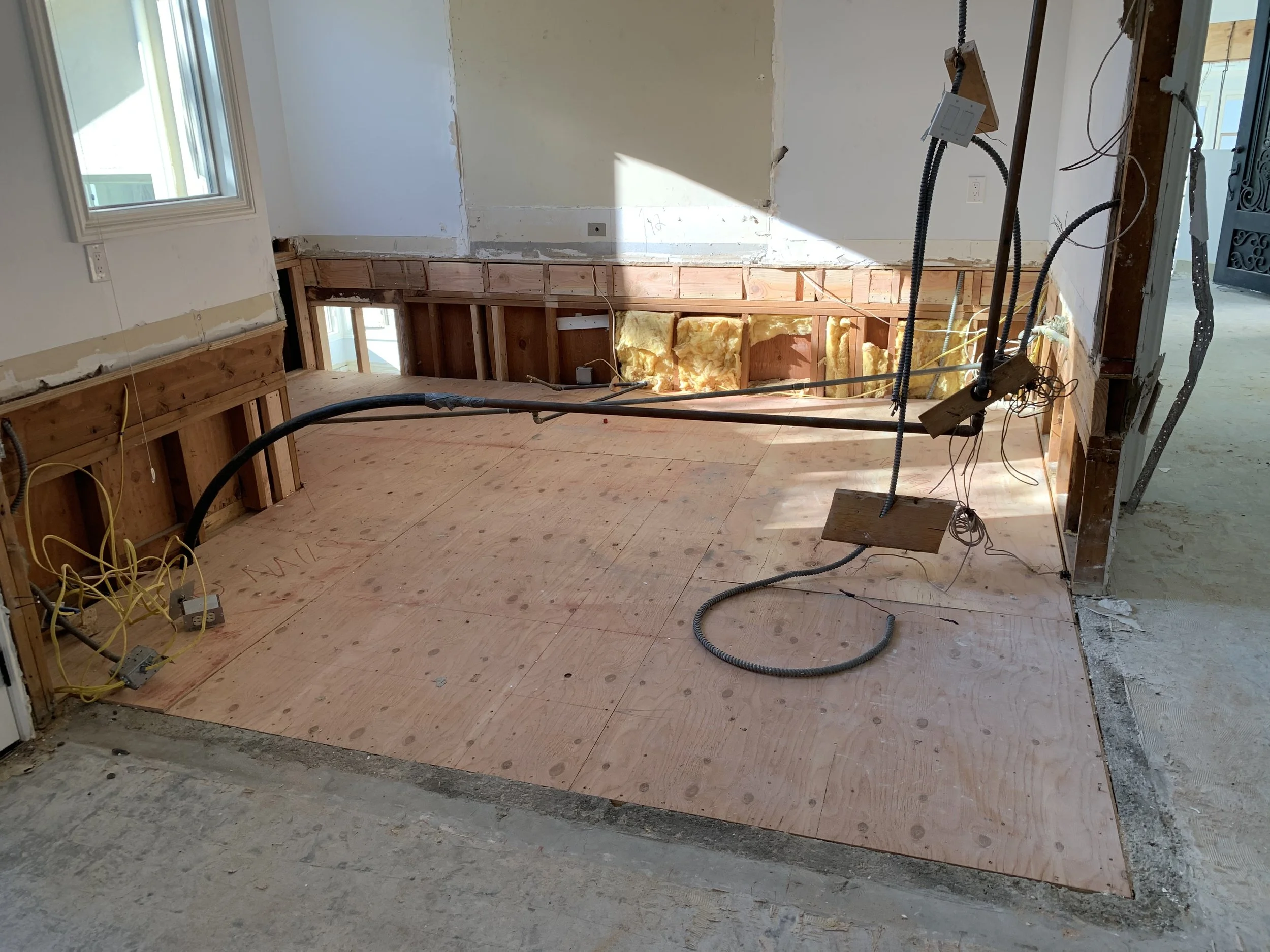
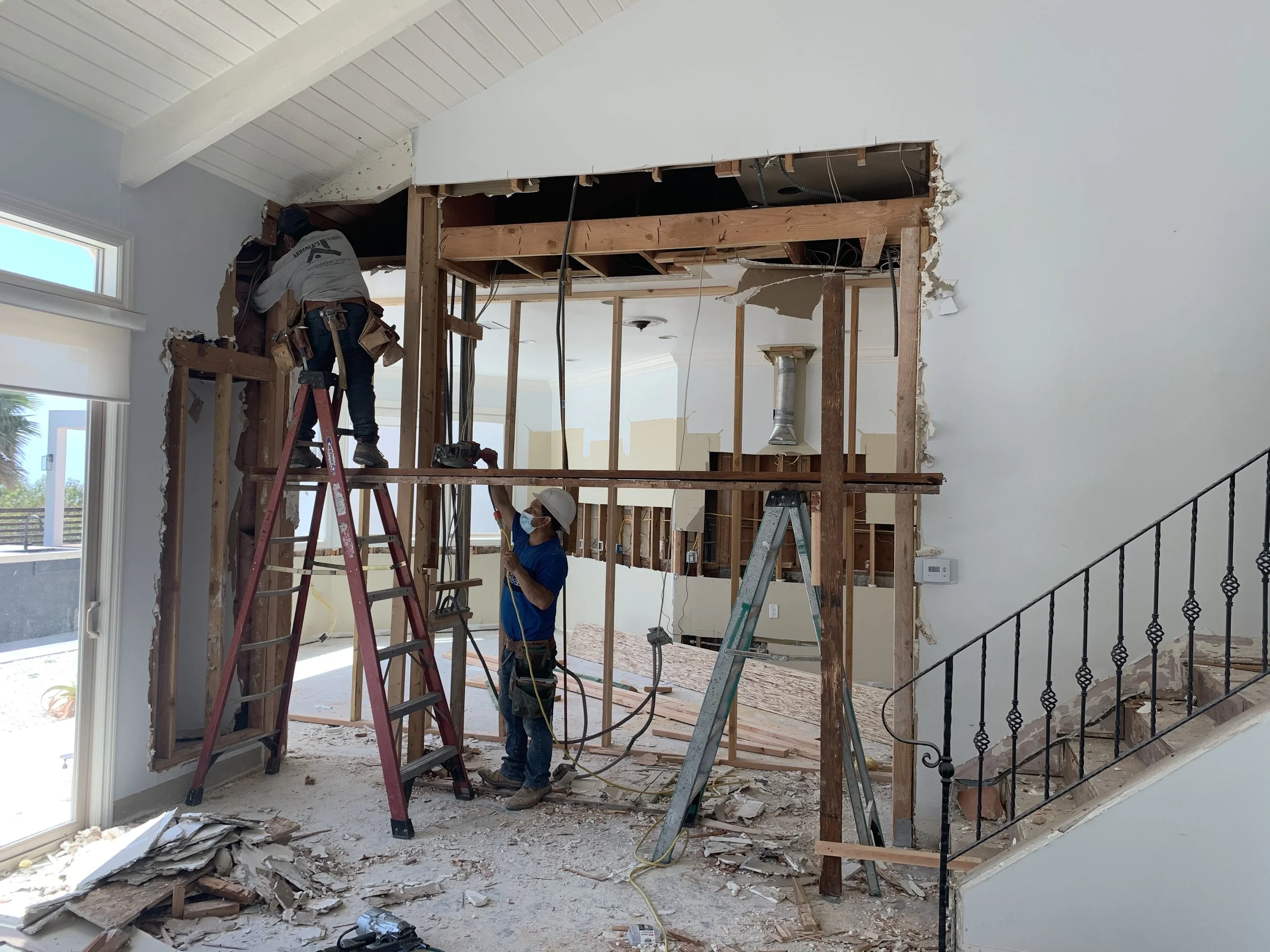
DURING — IN PROGRESS
The transformation started with structure.
The load-bearing wall was removed and replaced with beams, allowing the main level to open and restoring long, continuous sightlines through the home.
From there, the layout was rebuilt internally.
The kitchen, dining, and family room were reorganized into a single connected space, aligned with the backyard and ocean beyond.
At the same time, the project extended beyond the interior.
Pool construction, cabana development, and outdoor living areas were built in parallel requiring tight coordination between trades, sequencing, and site conditions.
Behind the walls, systems were upgraded.
Electrical, plumbing, and HVAC were aligned with the new layout, ensuring the home performs as well as it looks.
Throughout construction, the goal remained consistent:
Open the home without losing what made it distinct.
Existing architectural elements were preserved and integrated into the new structure, allowing the Spanish character to remain present while the space around it was transformed.
By the time finishes began, the structure, layout, and outdoor spaces were already aligned.
That’s what allows the final result to feel effortless instead of assembled.
Key Decisions
The decisions that shaped how the project came together.
Projects like this are defined early by a few moves that reduce complexity, avoid rework, and set the direction for everything that follows.
1
REMOVE THE STRUCTURAL BARRIER EARLY
Addressing the load-bearing wall at the beginning allowed the layout to open fully and prevented costly redesign later.
2
SOLVE THE LAYOUT BEFORE FINISHES
Reworking the kitchen, dining, and family room first created a clear structure for the home making every decision after that more efficient and aligned.
3
ALIGN THE HOME WITH THE VIEW
Organizing the main living spaces around the ocean-facing side ensured that sightlines and natural light became part of the everyday experience.
4
INTEGRATE OUTDOOR LIVING FROM THE START
Designing the pool, cabana, and backyard alongside the interior avoided disconnect between spaces and created a more cohesive indoor–outdoor flow.
5
PRESERVE THE ORIGINAL ARCHITECTURE
Maintaining the home’s Spanish character allowed the renovation to feel intentional rather than replaced improving function without losing identity.
6
COORDINATE STRUCTURE, SYSTEMS, AND PERMITS TOGETHER
Aligning structural changes, system upgrades, and Malibu city + Coastal Commission approvals early reduced delays and kept the project moving cleanly through construction.
Before & After
Drag to reveal the transformation.
Project Timeline
6 months from planning to completion.
Planning + Coordination
Structural planning, layout decisions, and coordination with Malibu city and Coastal Commission requirements before construction began
PHASE 1PHASE 2Demolition + Structure
Removal of existing conditions, load-bearing wall removal, and installation of structural beams to open the main level
PHASE 3Layout + Systems
Reconfiguration of kitchen, dining, and family room alongside electrical, plumbing, and HVAC upgrades
PHASE 4Outdoor Construction
Pool, cabana, and exterior living areas built in parallel with interior progress
PHASE 5Finishes + Integration
Interior finishes, exterior detailing, and final alignment between indoor and outdoor spaces
Sequencing structure, layout, systems, and outdoor construction together reduced rework and allowed the home to function as one cohesive environment.
The Result
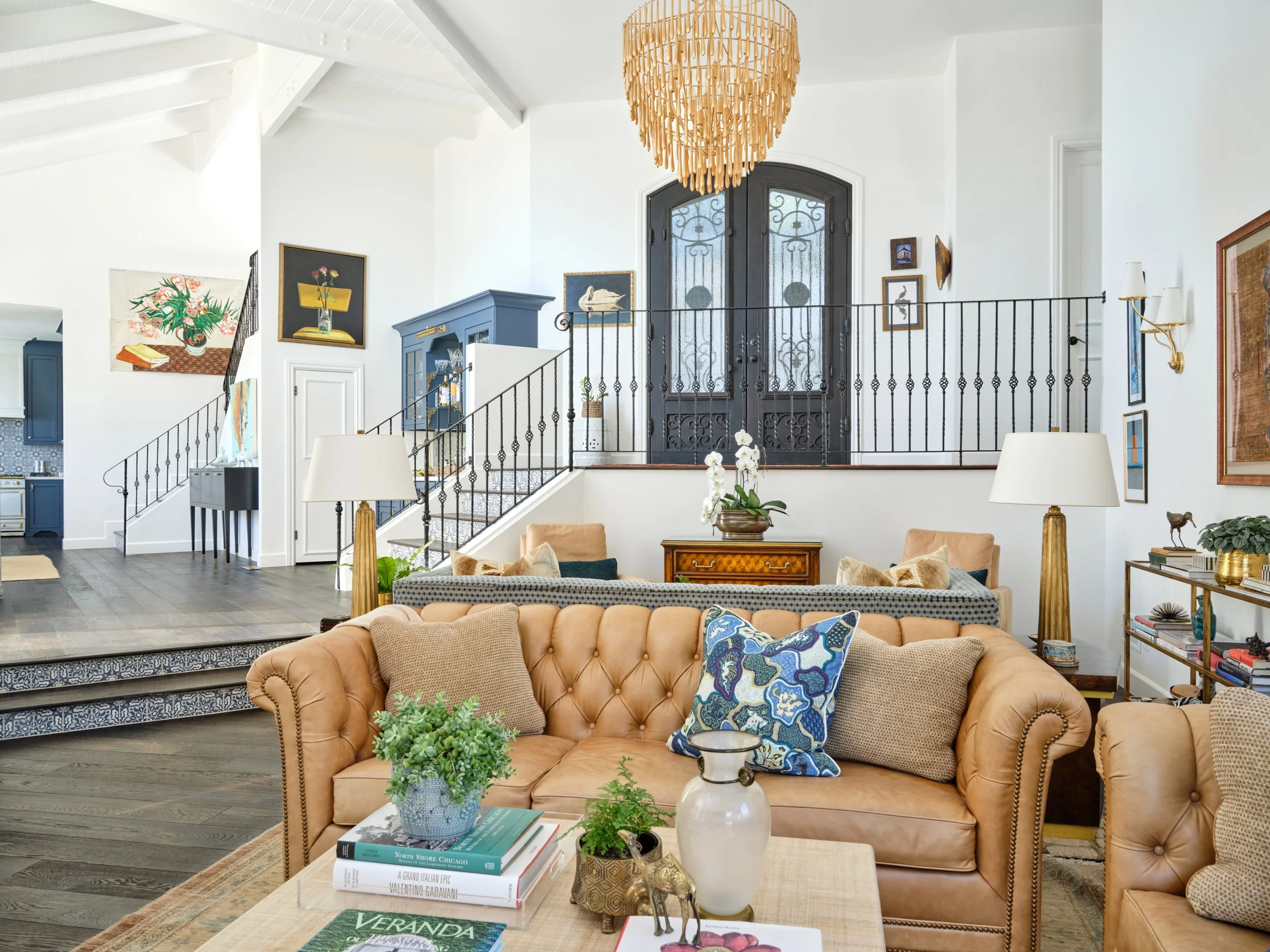
The home feels completely different — without being bigger.
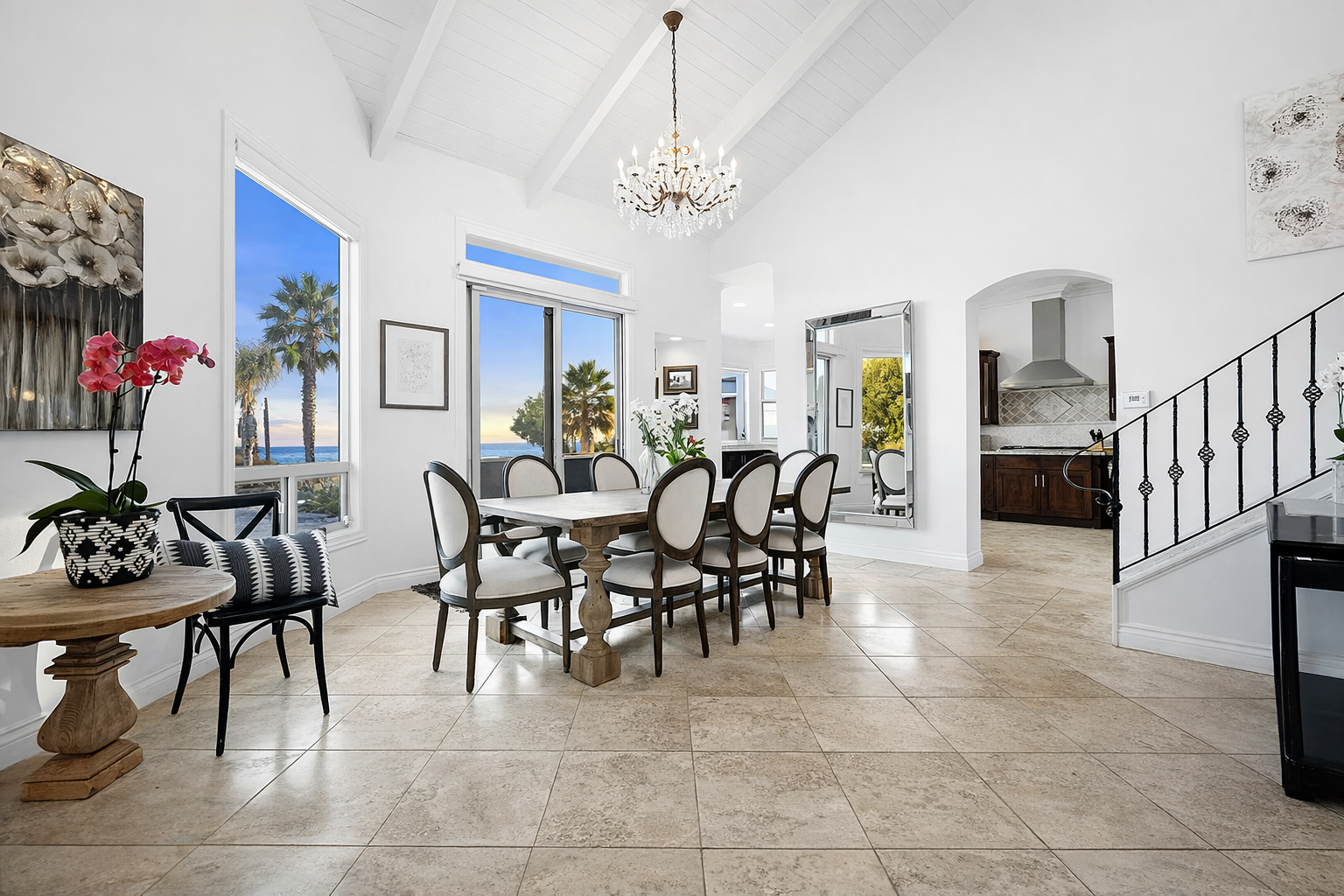
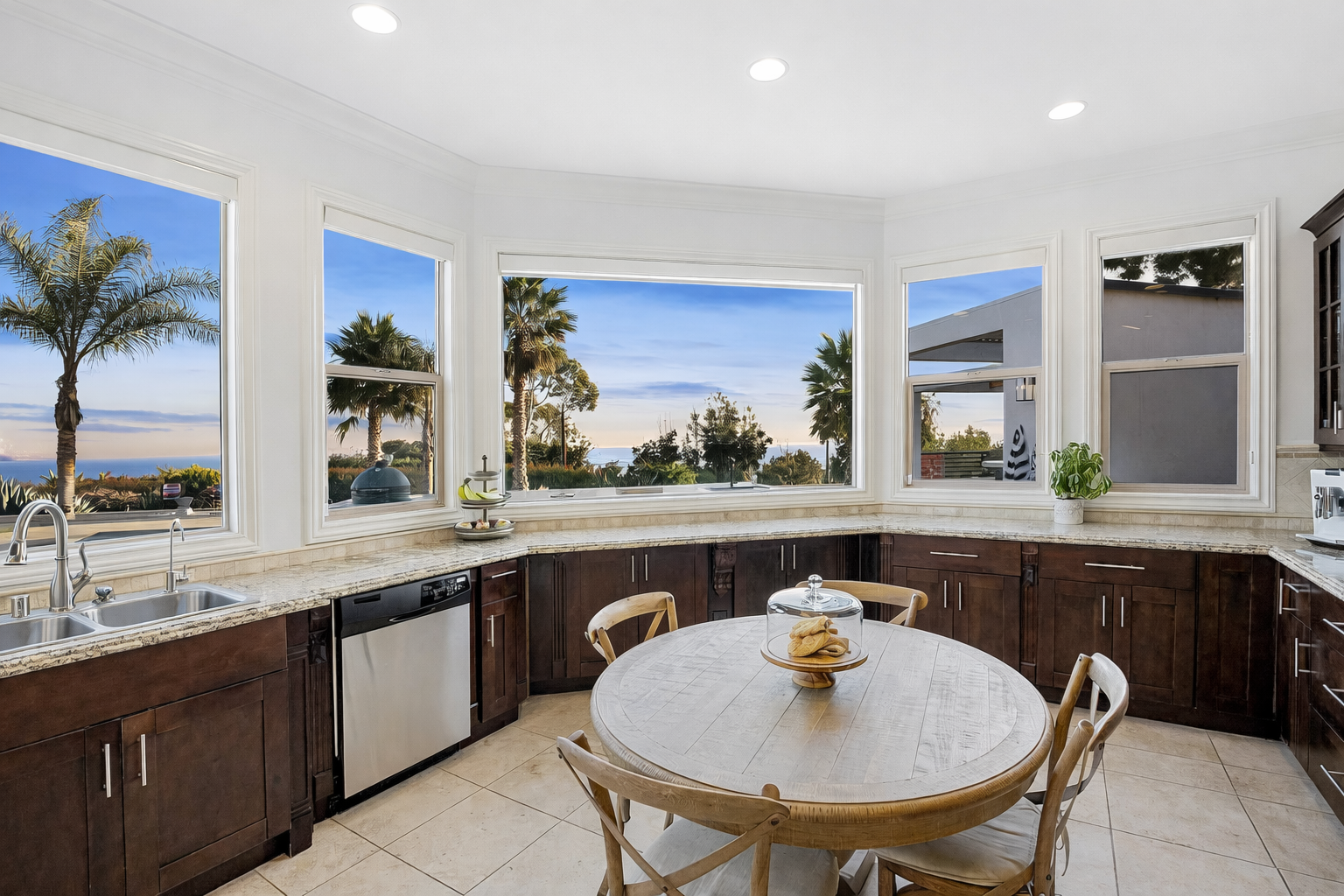
The kitchen, dining, and family room now function as one continuous space, opening toward the backyard and the ocean beyond. Sightlines are clear, natural light moves freely, and the layout supports how the home is actually lived in.
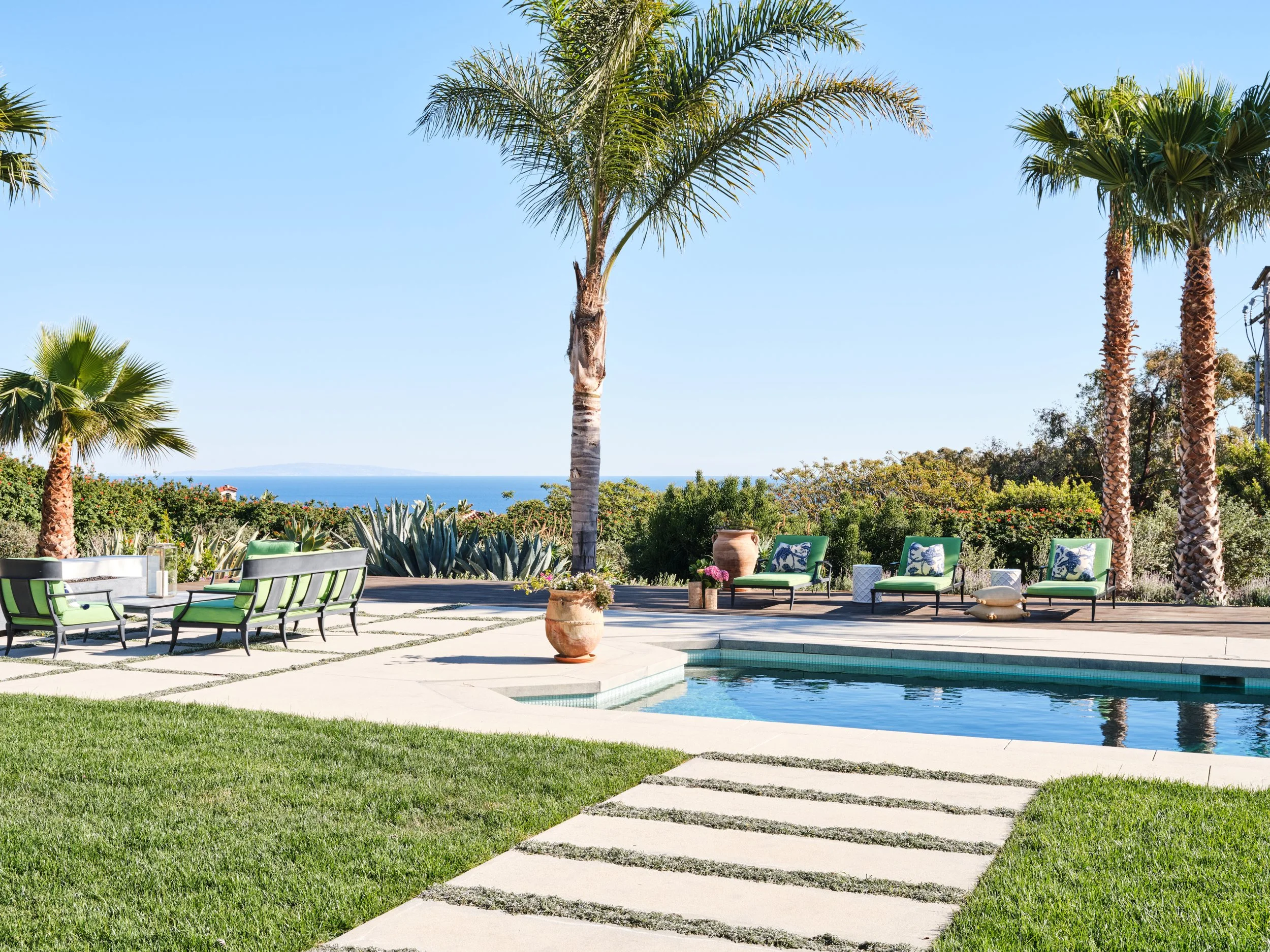
Outside, the pool and cabana extend the living space, creating a true indoor–outdoor environment that feels connected rather than added on. What changed isn’t just the layout it’s how the home is experienced.
Movement feels natural, spaces feel connected, and the home works as a whole. At the same time, the original character remains intact. The Spanish architecture is still present, but now it feels more intentional, no longer constrained by the layout around it.
What was once closed and fragmented is now open, aligned, and connected to its setting.
The ocean is finally present.
Project overview
total home size
timeline
load-bearing wall removal
outdoor living integrated
ARCHITECT
INTERIOR DESIGN
PHOTOGRAPHER
SOME MORE CASE STUDIES
-
![Hollywood Hills mid-century kitchen with custom stone island, integrated shelving, warm wood cabinetry, and sculptural wood stools in a refined open layout]()
HOLLYWOOD HILLS MID-CENTURY RESTORATION
-
![Hollywood Hills home remodel living room with open layout, modern furnishings, built-in bar, and full sliding glass walls opening to hillside views]()
HOLLYWOOD HILLS HOME REMODEL
-
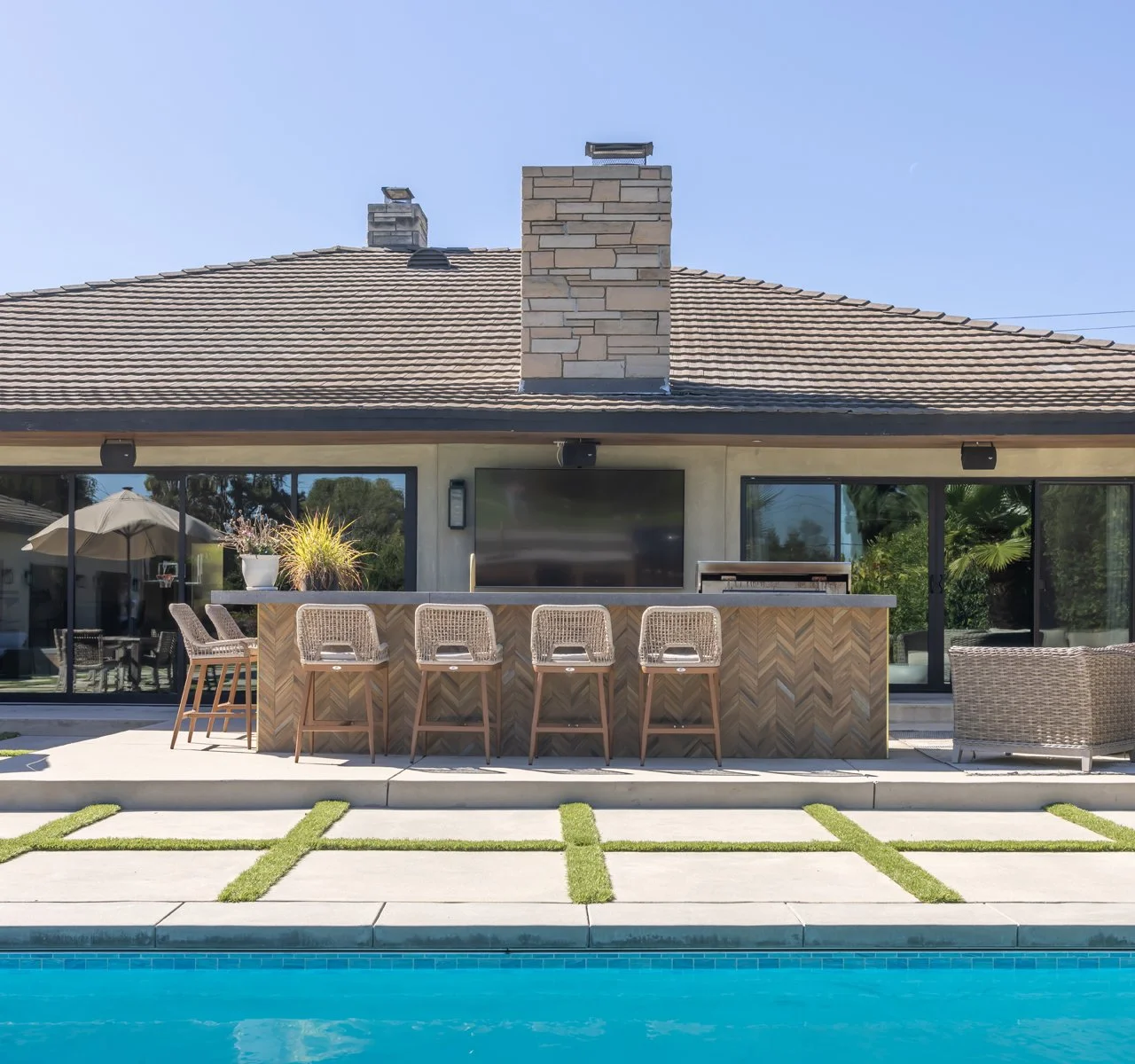
![Outdoor kitchen and bar seating area with poolside patio and indoor-outdoor living design]()
CULVER CITY COMPLETE REMODEL + ADU
-
![Westwood home remodel with second story addition, backyard pool, wood deck, and indoor-outdoor living connection]()
WESTWOOD FAMILY REMODEL + SECOND STORY ADDITION + POOL
-
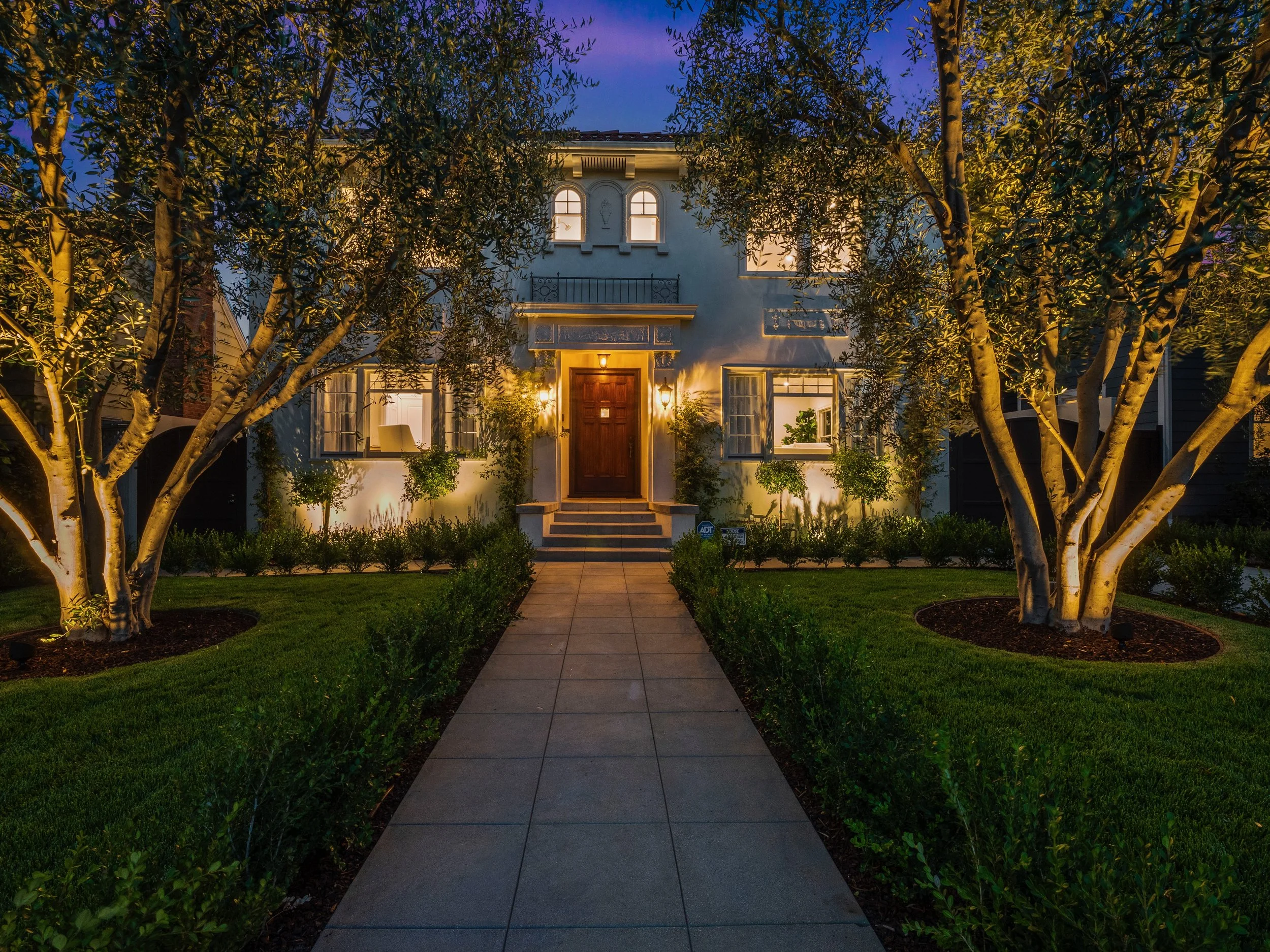
![Hancock Park historic home restoration exterior at dusk showing restored façade, front entry, and landscaped walkway in Los Angeles]()
HANCOCK PARK HISTORICAL RESTORATION + ADDITION
-
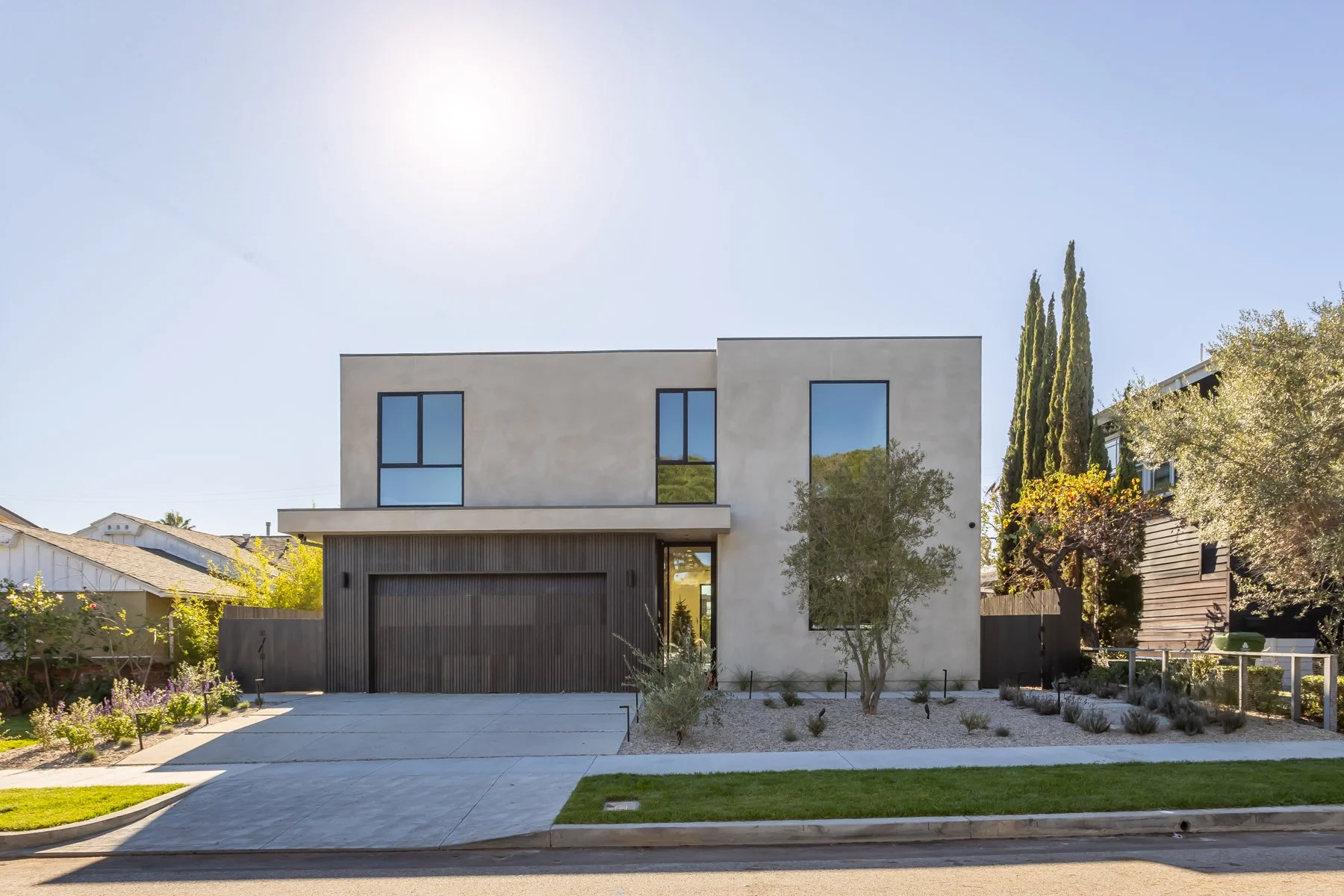
![Modern two-story custom home in Mar Vista with clean stucco facade, large windows, and integrated garage]()
MAR VISTA CUSTOM HOME BUILD
-
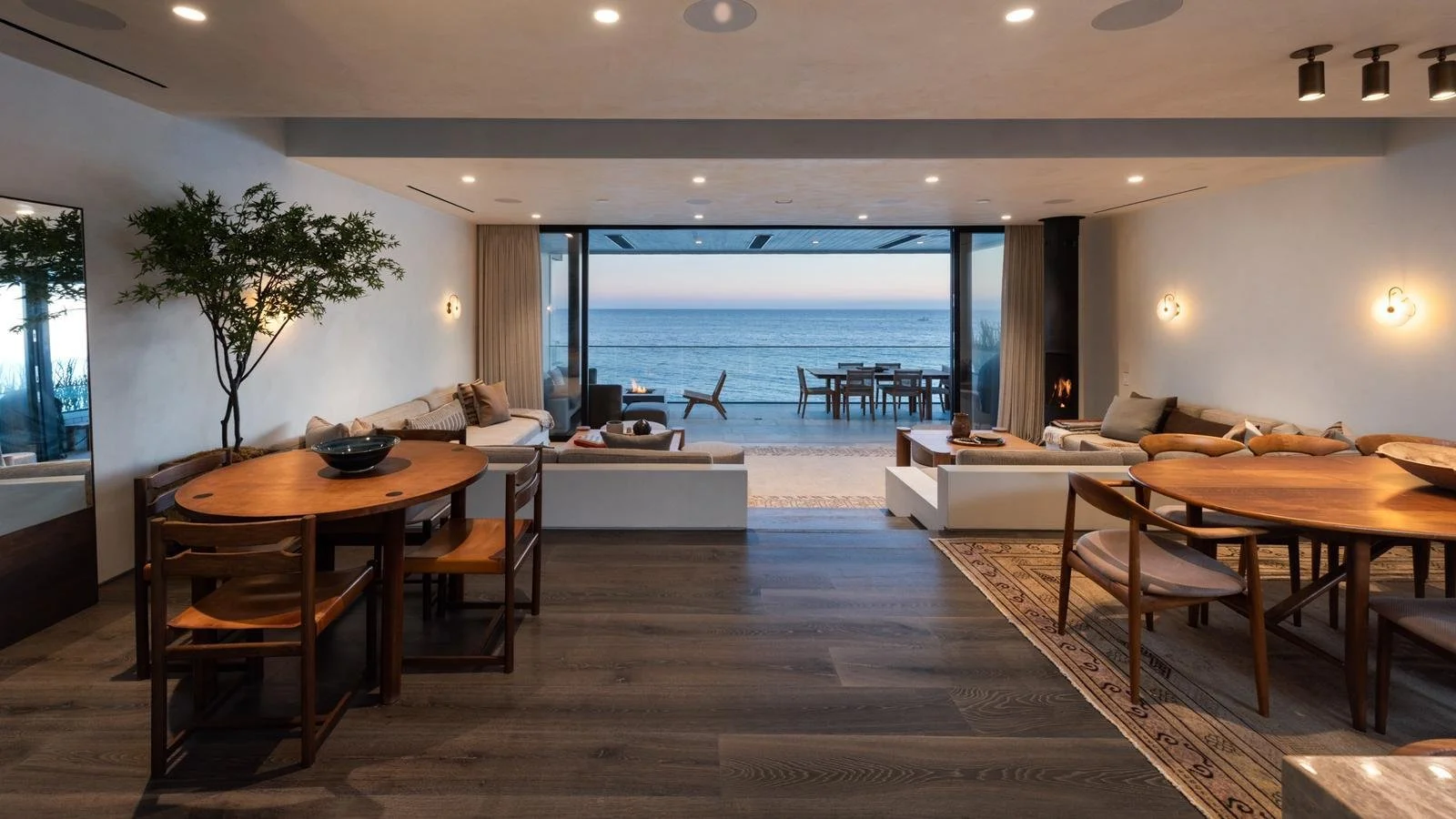
![Open living room with floor-to-ceiling glass doors framing ocean views and seamless indoor-outdoor living in Malibu home]()
MALIBU BEACHFRONT CONDO REMODEL
-
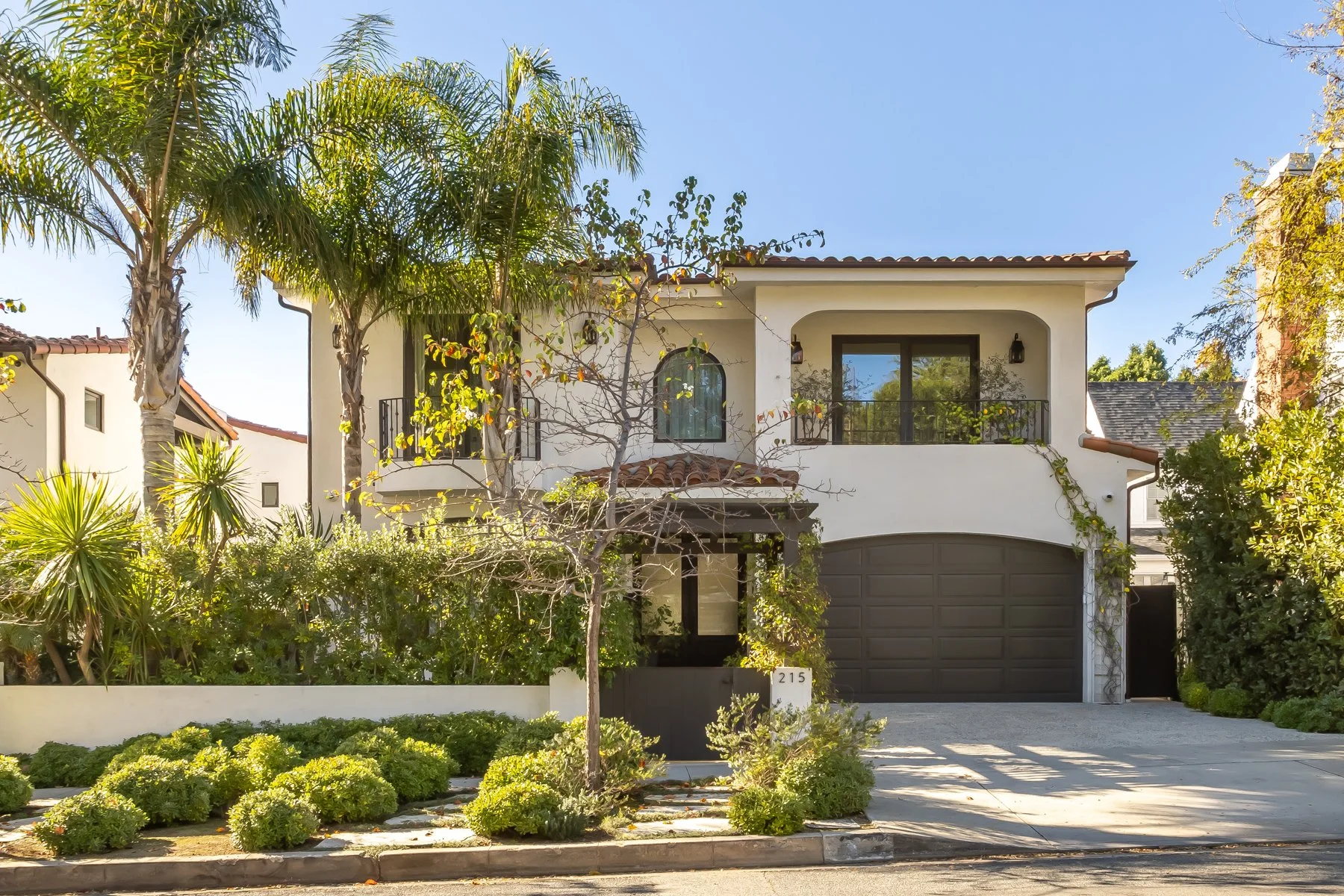
![Brentwood custom home with Spanish-style architecture, white stucco exterior, clay tile roof, arched openings, balcony, and landscaped front yard in Los Angeles]()
BRENTWOOD CUSTOM HOME BUILD



Explore Further
Related services and resources.
SERVICE
Full Home Remodels
See how we approach complete renovations — from structural changes and layout reconfiguration to systems and final delivery.
SERVICE
Outdoor Living
Learn how we design and build outdoor spaces that connect naturally to the home — including pools, cabanas, and integrated backyard living.
LOCATION
Malibu General Contractor
Understand how we approach projects in Malibu, including Coastal Commission approvals, structural planning, and building along the coastline.
GUIDE
How Much Does Outdoor Living Cost in Los Angeles? (2026 Guide)
A breakdown of real costs for pools, hardscape, and outdoor spaces — and what actually drives the investment
GUIDE
10 Critical Questions to Ask Before Hiring a General Contractor in Los Angeles
What to ask before starting your project — based on real projects and real decisions.
GUIDE
Remodel vs Rebuild vs New Build in Los Angeles
Understand how to decide between remodeling, rebuilding, or reworking a home — especially when structure and layout define what’s possible.
Ready to talk about your home?
Projects like this don’t start with design or finishes.
They start with understanding what’s possible within the structure, the layout, and how the home should actually function.
If you’re planning a remodel in Malibu or along the coast, start with a conversation.
We’ll help you think through the layout, the structure, and the right way to approach it before anything gets built.