
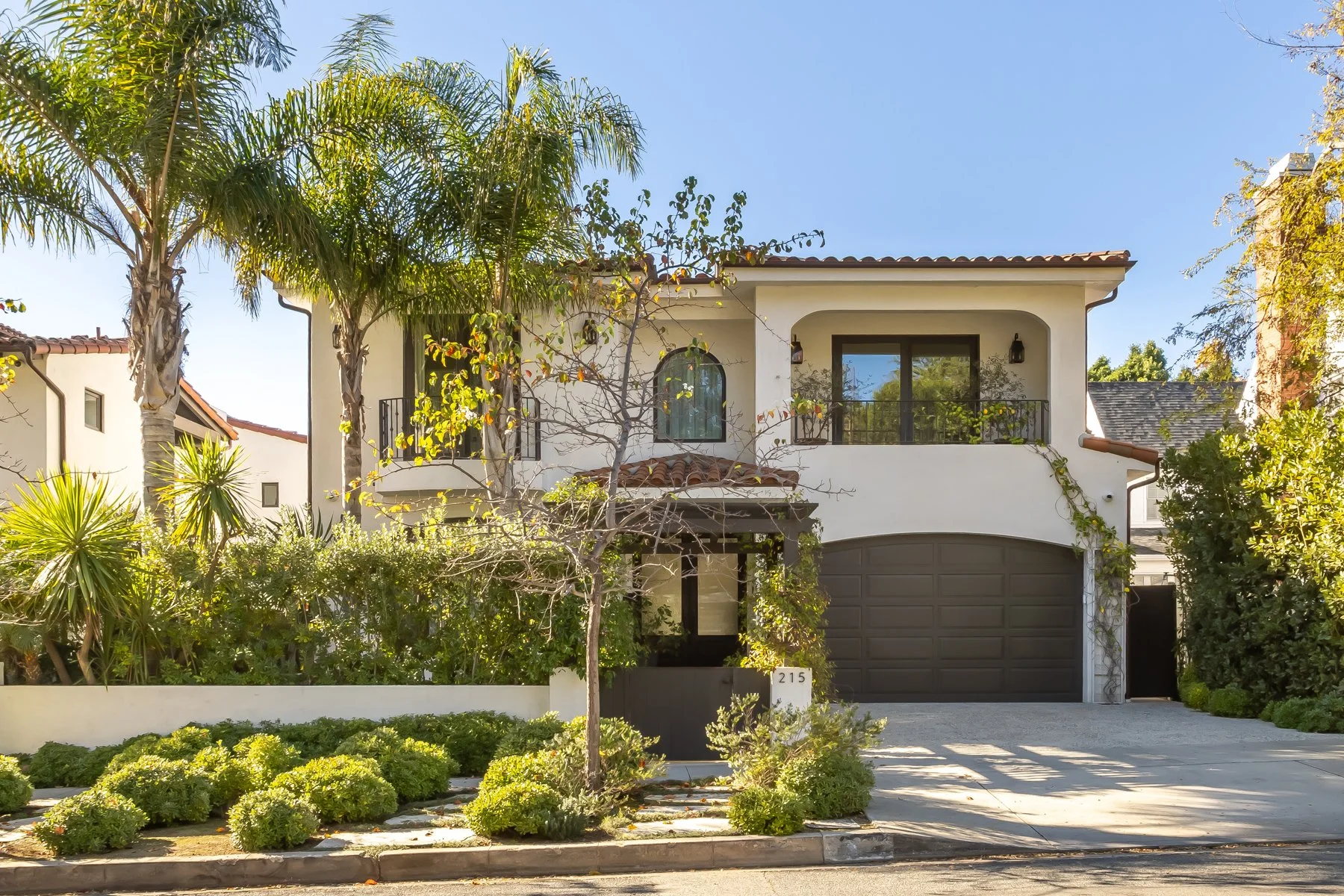
BRENTWOOD CUSTOM HOME BUILD
THE STORY
LOCATIONLos Angeles Westside neighborhood
SERVICEGround-up construction, layout design, and full systems integration
New Construction Residential
PROJECT TYPEBuilt from the ground up for modern family living
Indoor–Outdoor Luxury Living
LIVING STYLEOpen shared spaces balanced with privacy and structure
Layout + Function + Entertaining
PRIMARY FOCUSCreating a home that works for both daily life and hosting
Spacious · Refined · Warm · Functional · Connected
OVERALL FEELA balanced home that blends classic Brentwood architecture with modern, livable design
Some homes are designed to feel modern. This one was designed to feel balanced clean where it needs to be, warm where it matters.
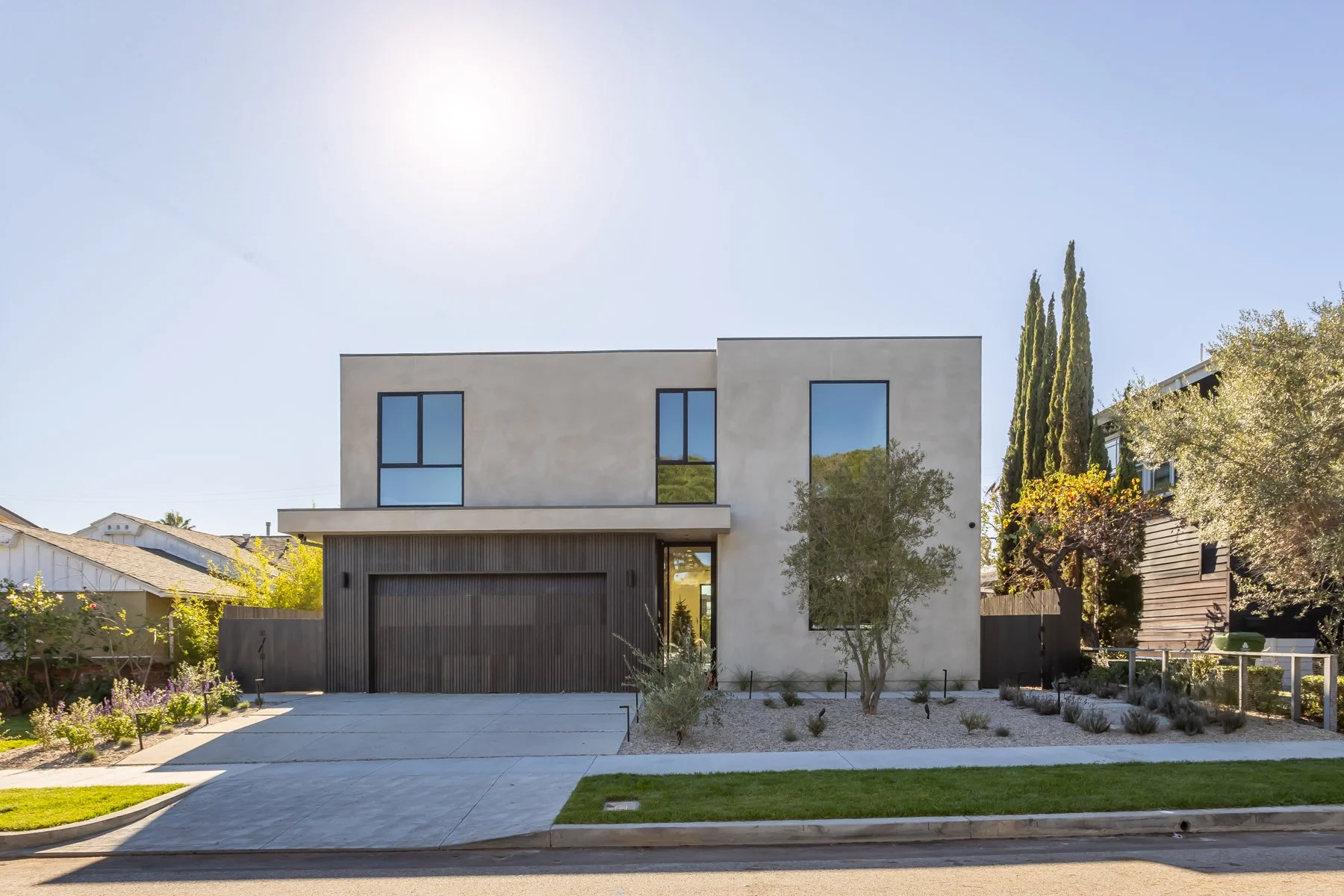
From the street, the architecture carries a familiar Brentwood language soft stucco, clay tile rooflines, subtle arches, and restrained detailing that feels grounded in the neighborhood. Inside, the experience shifts. The layout opens, light moves freely, and the home begins to feel much more contemporary in how it actually lives.
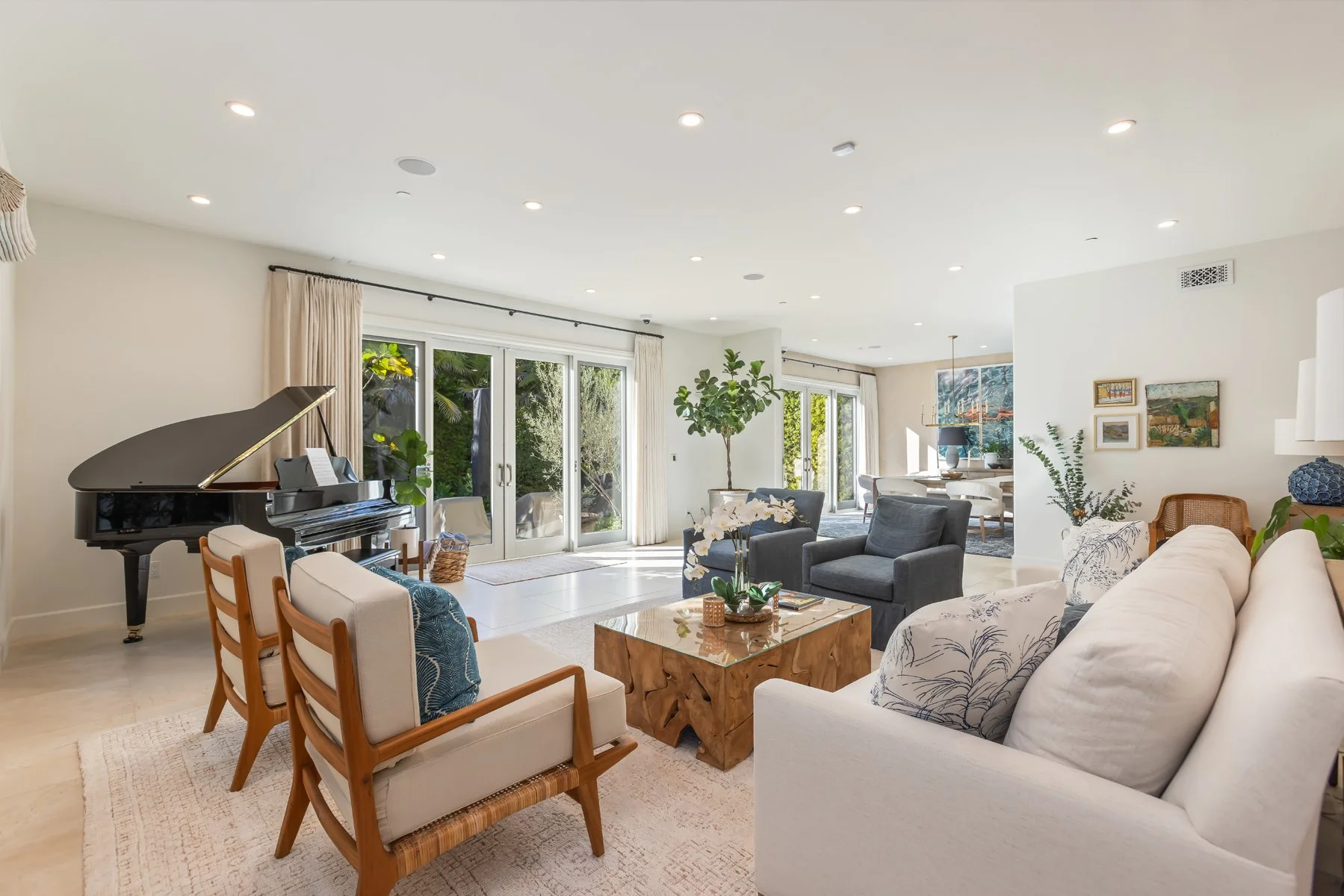
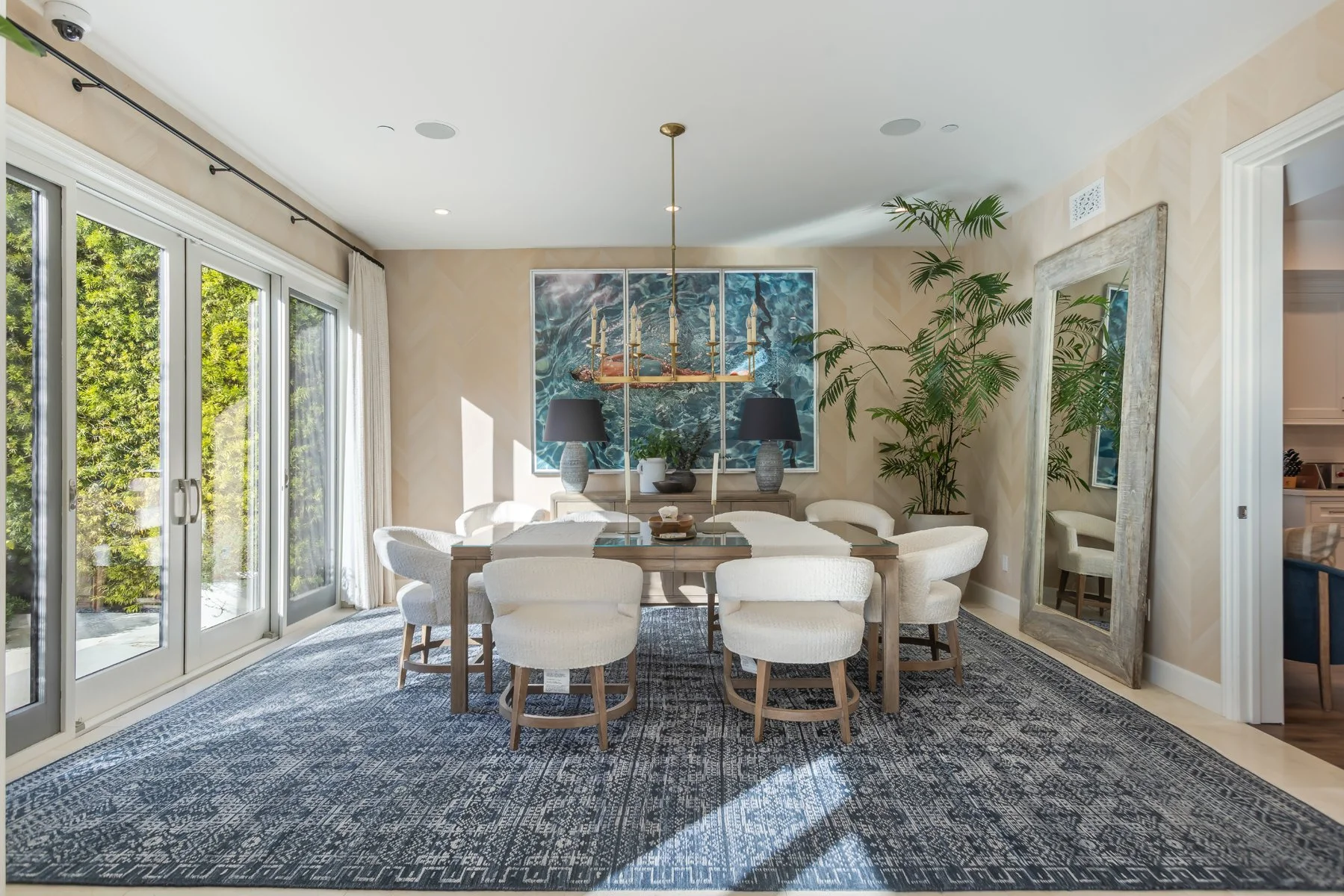
Built from the ground up, this 4,200 square foot custom residence was designed around one idea: create a home that supports real life family routines, quiet moments, and entertaining without those uses competing with each other. At the center, a large family room anchors the home, with every space positioned intentionally around it.
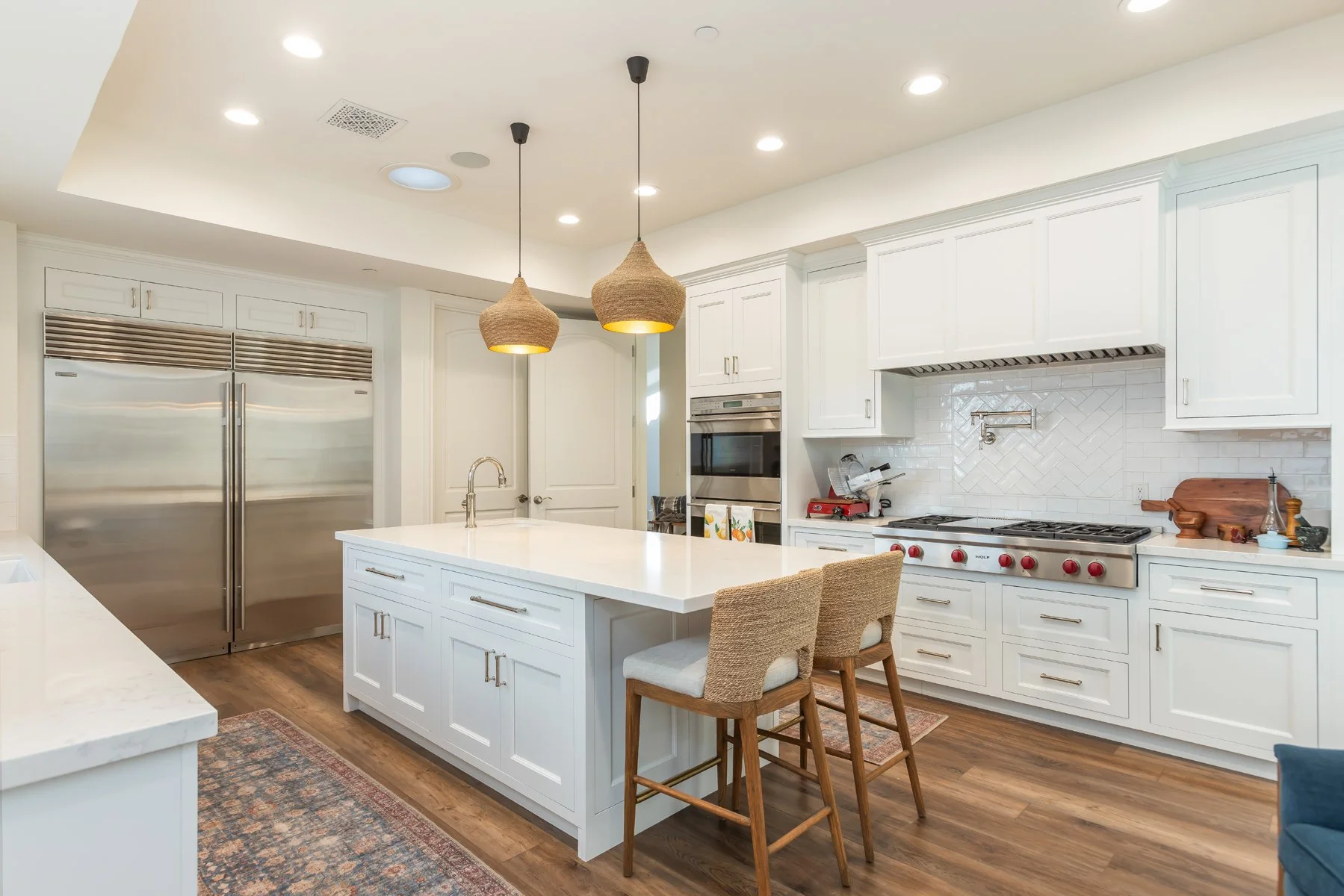
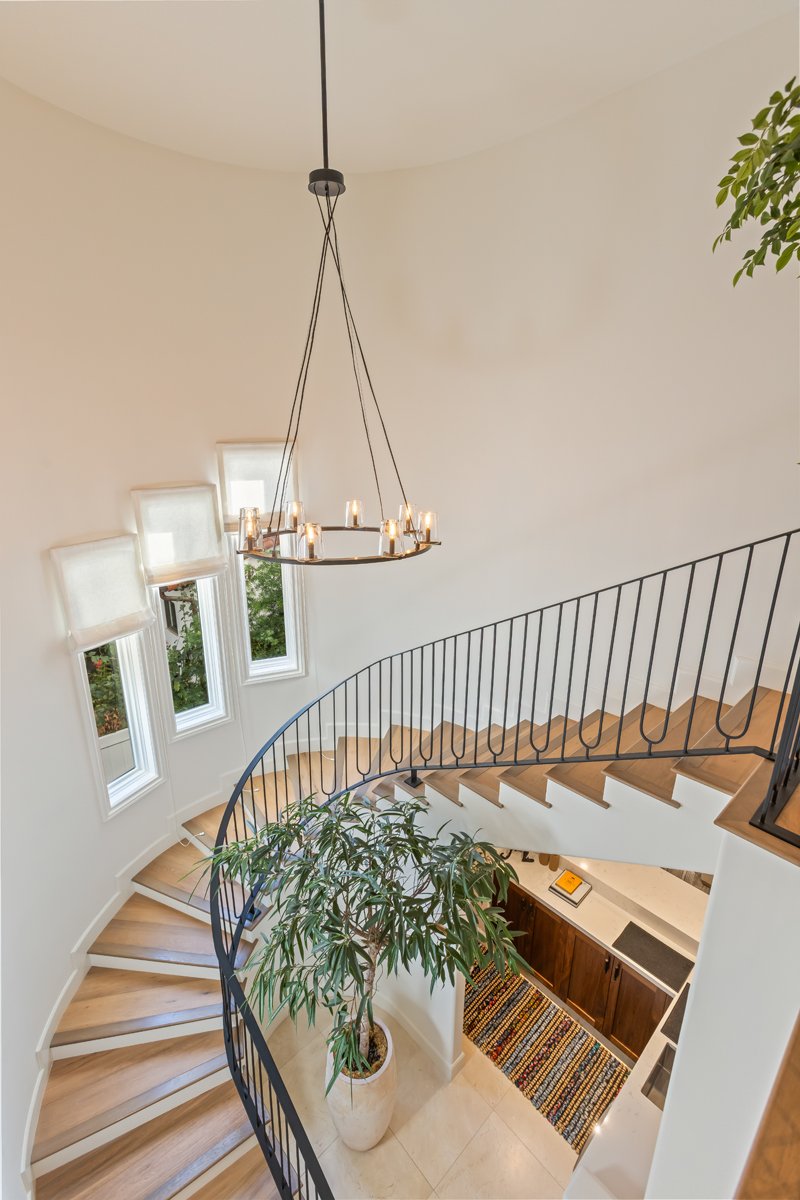
The kitchen and service areas are set apart close enough to function efficiently, but removed enough to maintain clarity in the main living spaces. Five en-suite bedrooms provide privacy across the home, a dedicated office supports modern living, and a custom bar introduces a natural point for gathering. A sculptural spiral staircase connects everything not just functionally, but as a defining architectural element.
Nothing about the house feels added. Everything feels considered.
The opportunity
Defining the Layout Early
The focus wasn’t how to adapt an existing structure it was how to define the layout correctly from the start.
Every space, connection, and transition was considered early. The main living areas were designed to function as a connected environment, while private spaces were positioned to create separation without disconnection. Circulation was kept direct and intuitive, allowing the home to support both everyday living and larger gatherings without conflict.
The goal wasn’t to make the house feel larger. It was to make it work better.
The project didn’t begin with constraints. It began with a clear direction
To build a Brentwood home from the ground up that feels open, structured, and fully aligned with how it’s meant to be lived in.
Building It Right From the Beginning
With ground-up construction, everything had to be resolved before anything was built.
Structure, systems, and outdoor living were all planned together not layered in later. The home was engineered to support large spans, integrated systems, and a seamless connection to the backyard and pool.
From that point forward, every decision followed that logic not how to adjust later, but how to get it right from the start.
PROJECT CONSIDERATIONS
✔️ Full demolition of the existing structure to remove limitations
✔️ Design a new layout centered on flow, light, and usability
✔️ Engineer framing to support open-concept living
✔️ Build all systems new for long-term performance
✔️ Define clear separation between public and private zones
✔️ Integrate indoor–outdoor living into the layout from the beginning
Planning a similar project?
Ground-up projects offer the opportunity to define everything early but only if the right decisions are made before construction begins.
We help homeowners structure that process from the start, so the home works the way it’s meant to.
Our Approach
This project was defined by one decision early:
Get the layout right before anything was built.
From that point forward, the focus wasn’t on adding features.
It was on structure, flow, and execution.
Define the Layout First
Everything started with the plan.
The main living areas were positioned to function as a single connected environment, forming the core of the home. Private spaces were placed to create separation without losing connection, allowing the layout to feel open while still controlled.
Circulation, proportion, and usability were resolved before construction began not adjusted later.
Engineer the Structure to Hold the Space
Open space requires precision.
The structural system was designed to support large spans, clean transitions, and uninterrupted movement through the home. Nothing about the openness was left to chance it was built into the framing from the beginning.
Integrate Systems Into the Build
Electrical, plumbing, and HVAC systems were planned alongside the structure not layered into it later.
This allowed for cleaner routing, better long-term performance, and fewer compromises during construction.
Build Indoor–Outdoor as One Environment
The outdoor areas were not treated as a separate phase.
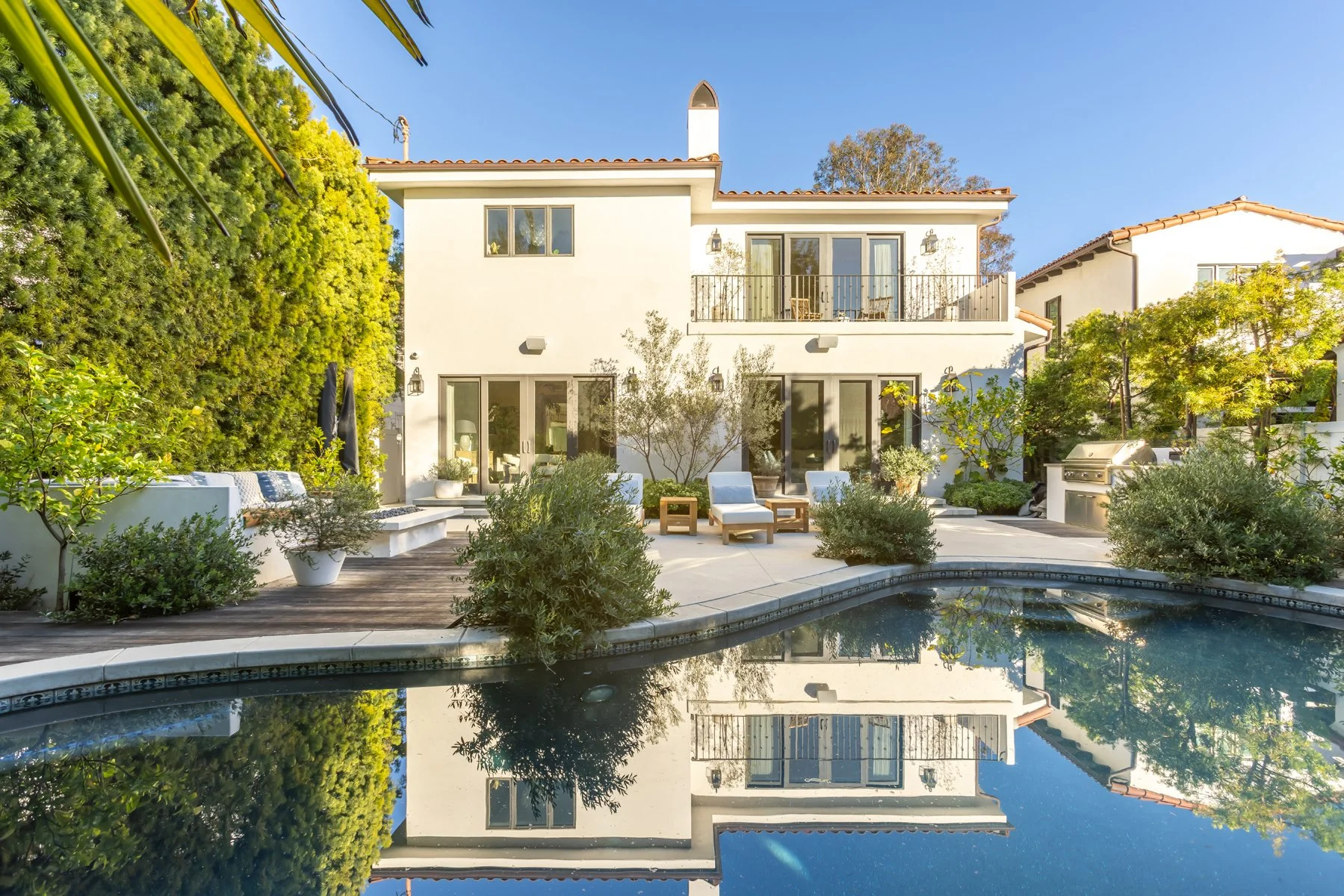
The pool, backyard, and surrounding spaces were designed and built as part of the house itself, creating a direct and continuous relationship between interior and exterior living.
The transition is level, intentional, and part of how the home functions every day.
Keep the Architecture Controlled
The design was kept restrained.
No unnecessary moves.
No elements competing for attention.
Just proportion, clarity, and a home that feels natural to live in not designed for effect.
Behind the Build
The work behind the finished spaces.
What looks simple in the finished home was built through coordination, sequencing, and precision from the very beginning.
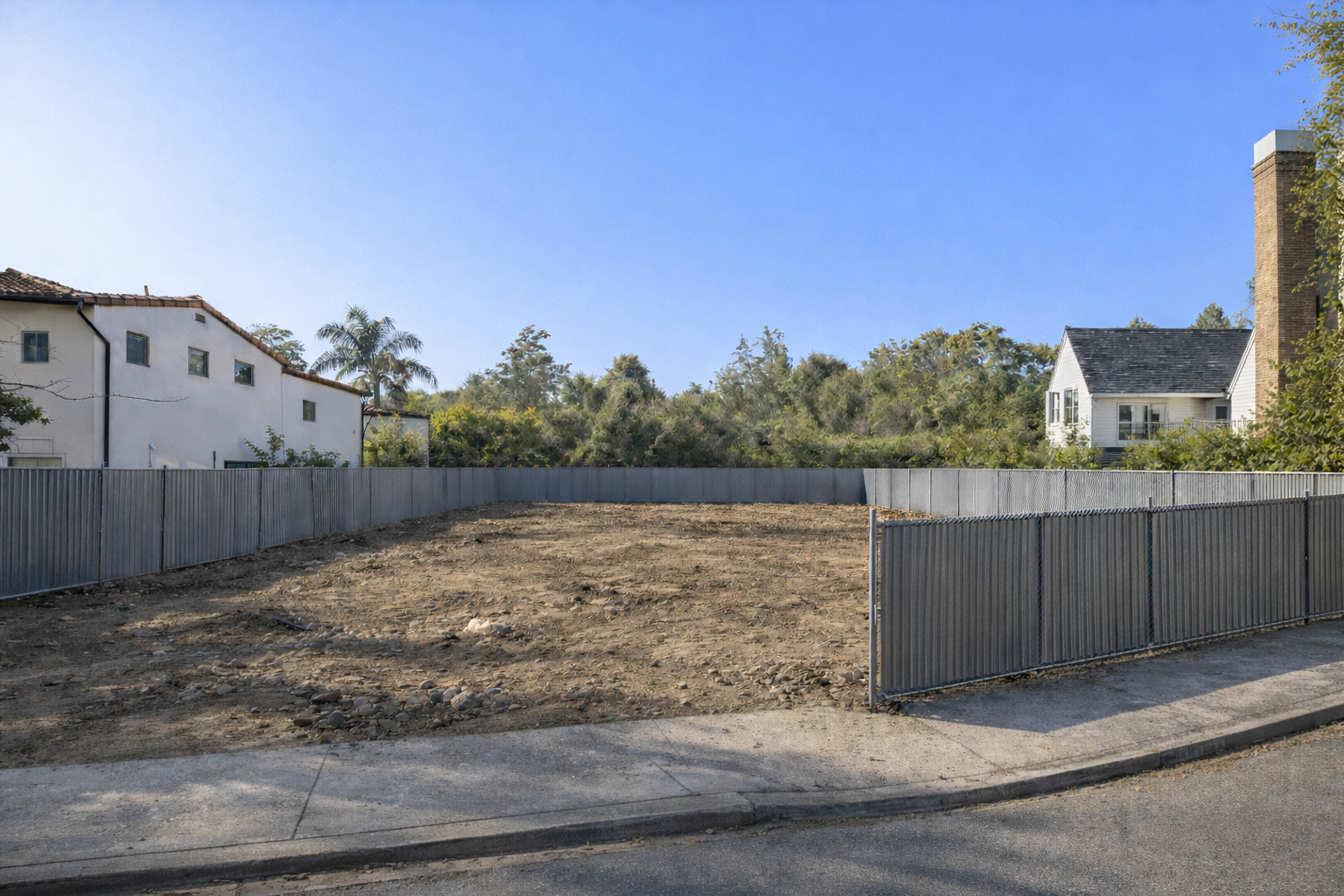
BEFORE — ORIGINAL CONDITION
The project began with a cleared site and a defined plan.
With no structure to work around, the focus shifted entirely to execution translating the layout, proportions, and spatial relationships from paper into the built environment without compromise.
Every dimension, alignment, and transition had to be exact from the start.
There was no existing framework to adjust to.
Only one opportunity to build it correctly.
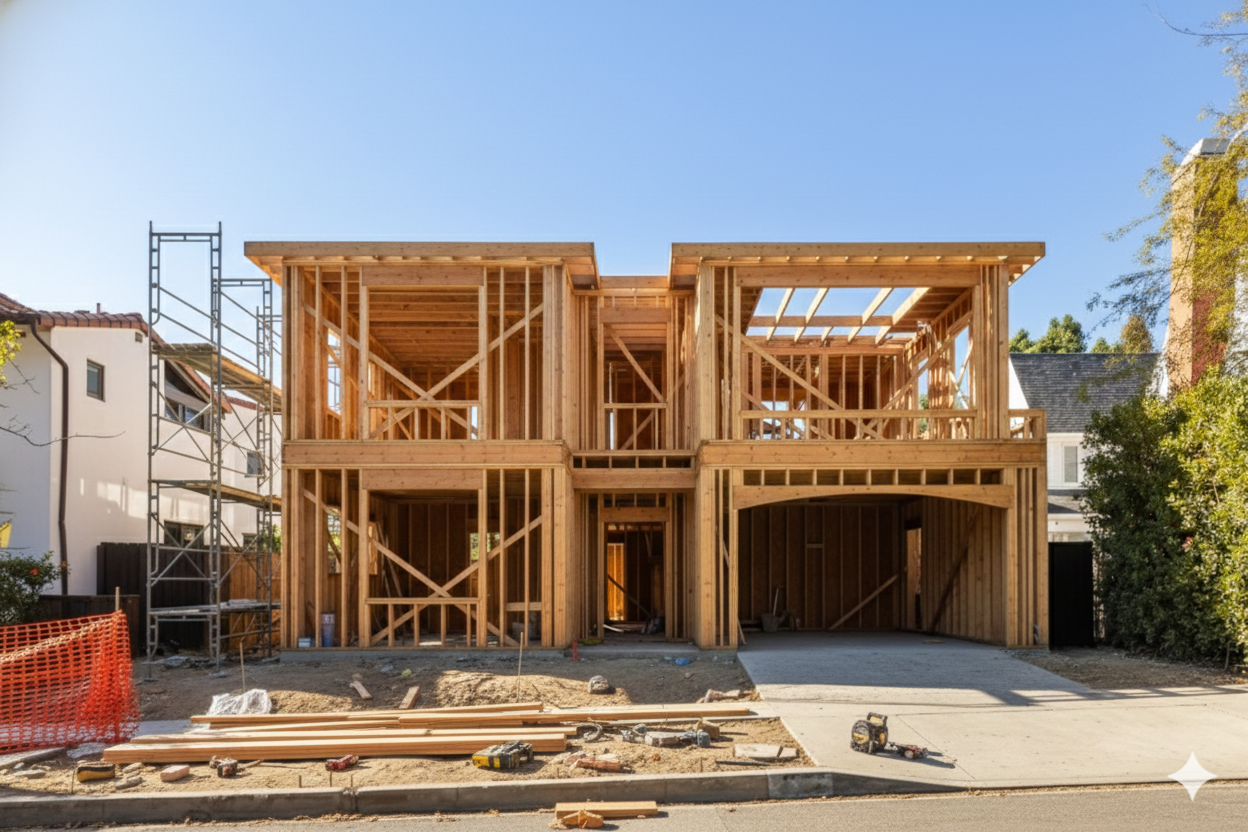
DURING — IN PROGRESS
Construction began with the foundation and structural layout, establishing the footprint of the home exactly as designed.
Framing followed, engineered to support large open spans and continuous movement through the main living areas. The openness seen in the finished home was not created later it was built directly into the structure.
At the same time, all major systems were installed from the ground up.
Electrical, plumbing, and HVAC were coordinated within the framing, requiring precise alignment between trades early in the process. Because everything was new, accuracy at this stage was critical.
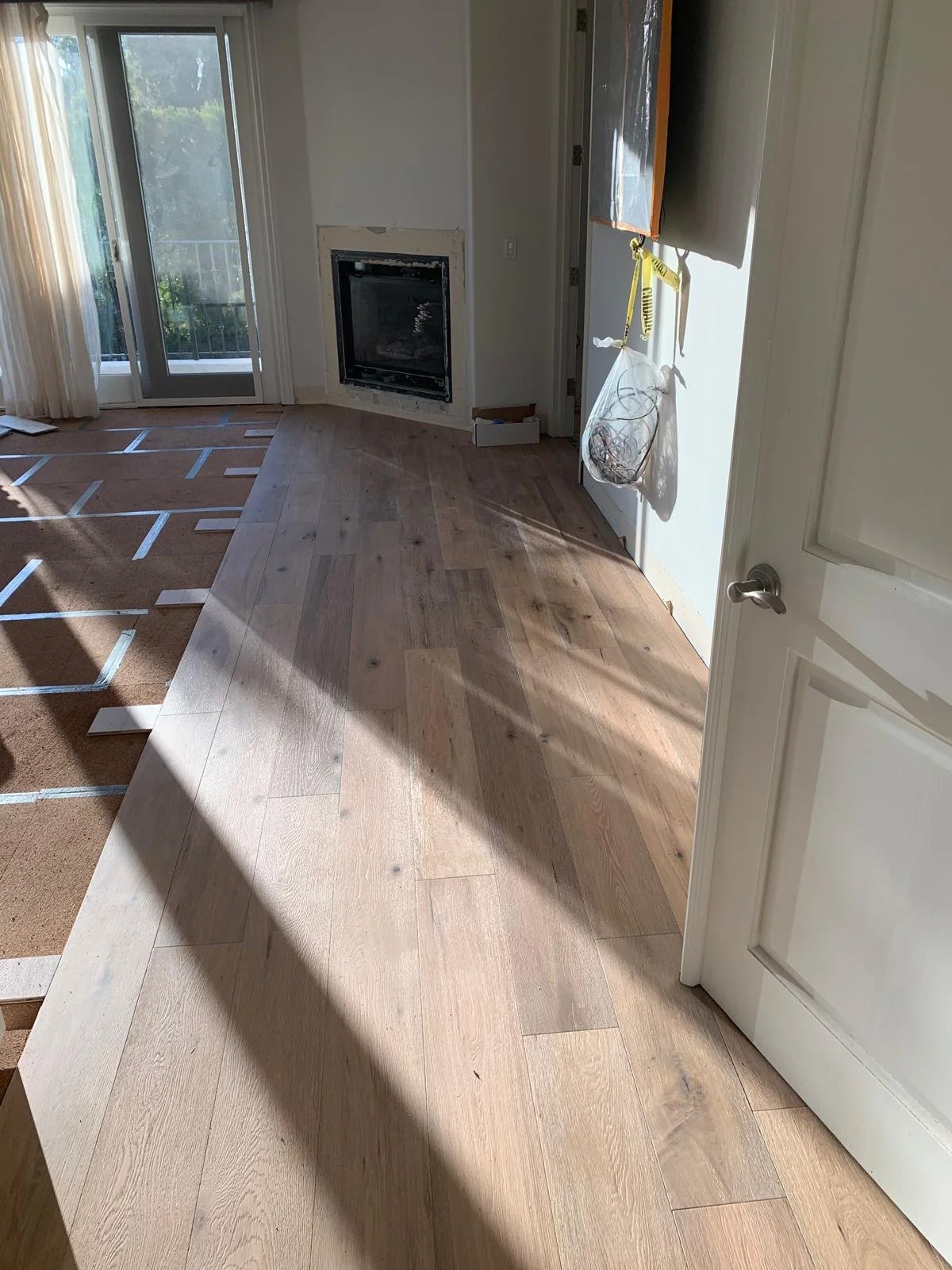
Interior work followed in layers flooring, stair installation, and detailed finish preparation each phase building on the last.
In parallel, the outdoor environment, including the pool and surrounding areas, was constructed alongside the house, not after it. This required tight coordination between structural work, site development, and finish planning.
By the time finishes began, the structure, systems, and layout were already fully aligned.
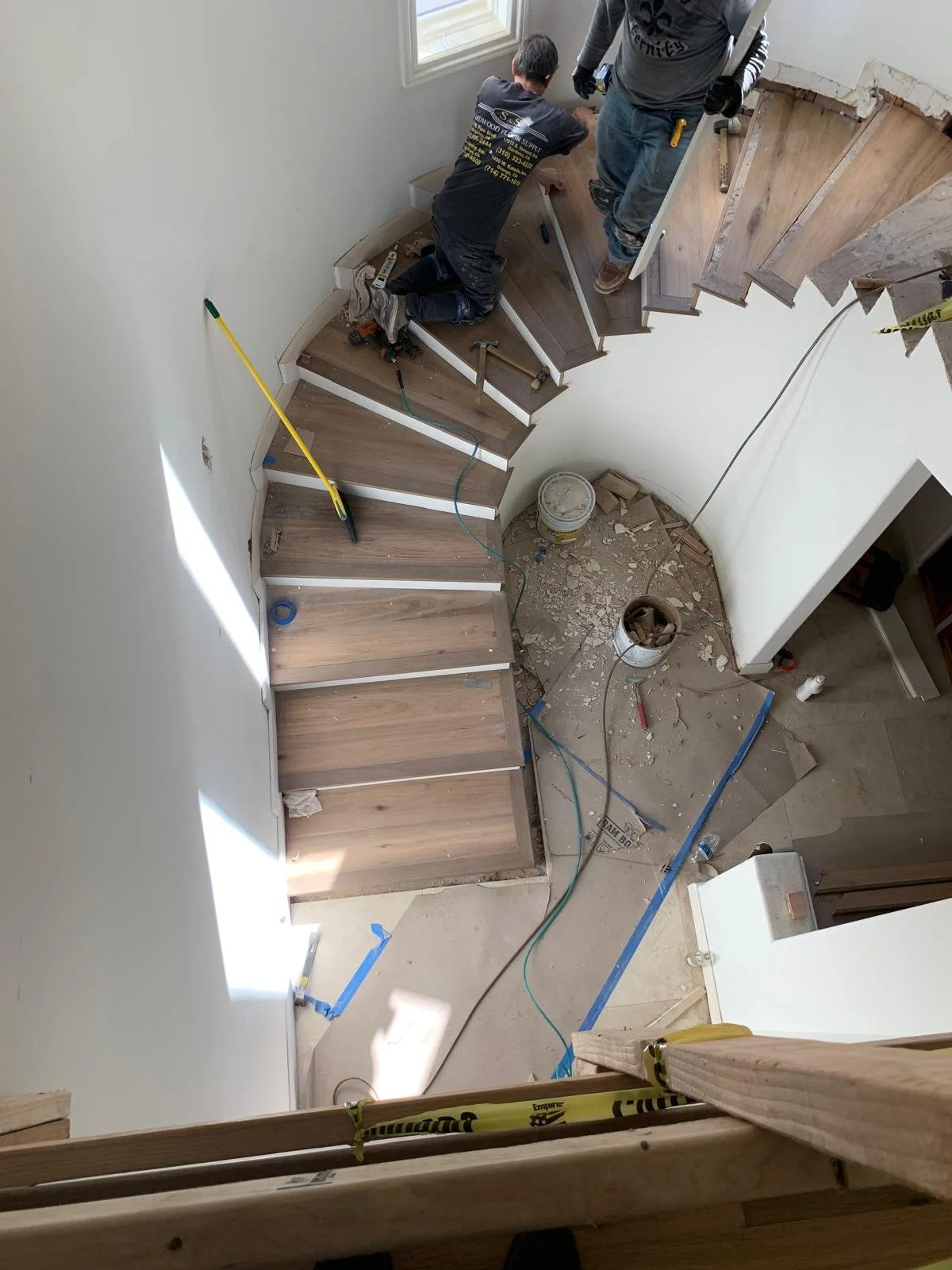
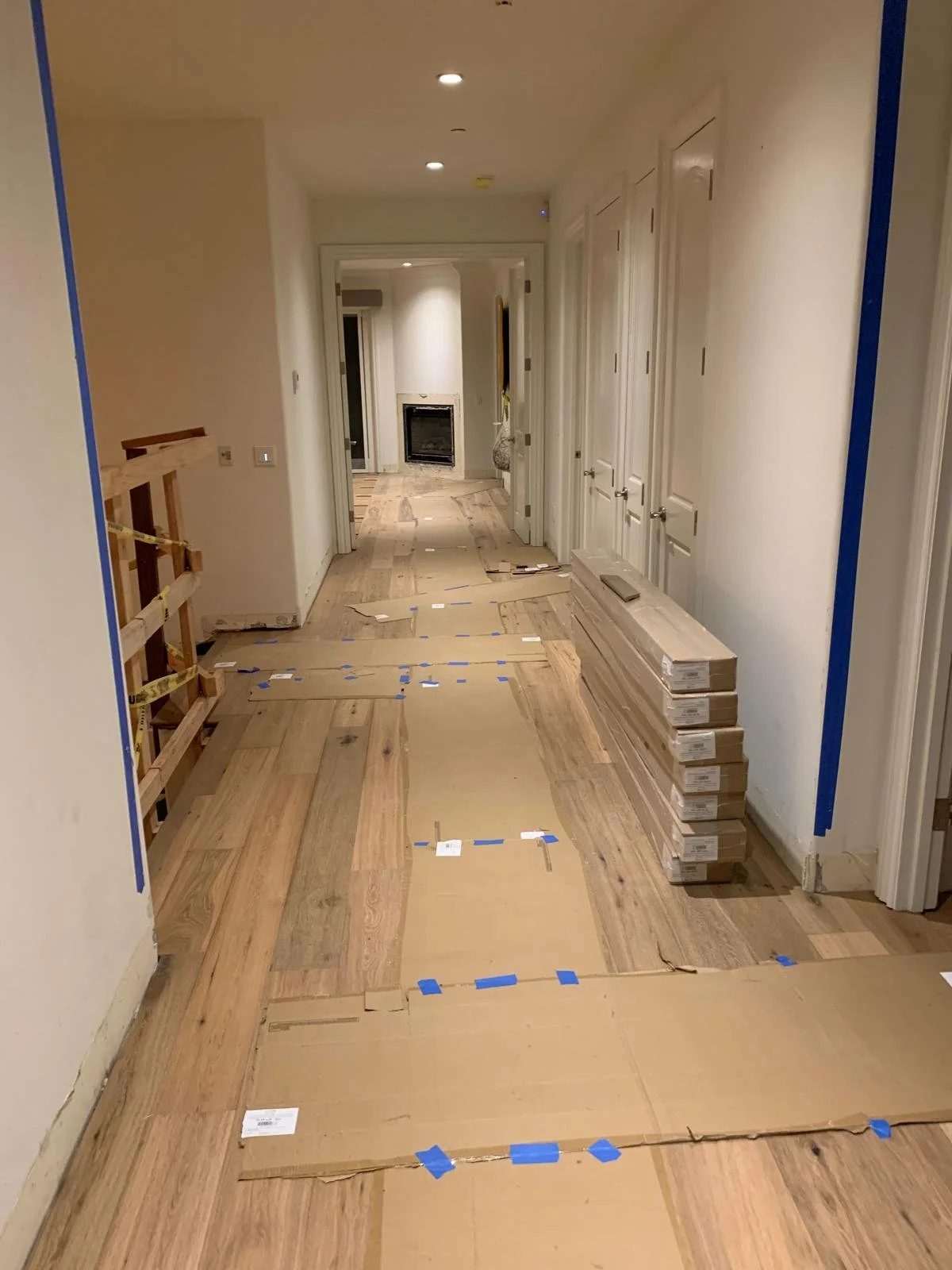
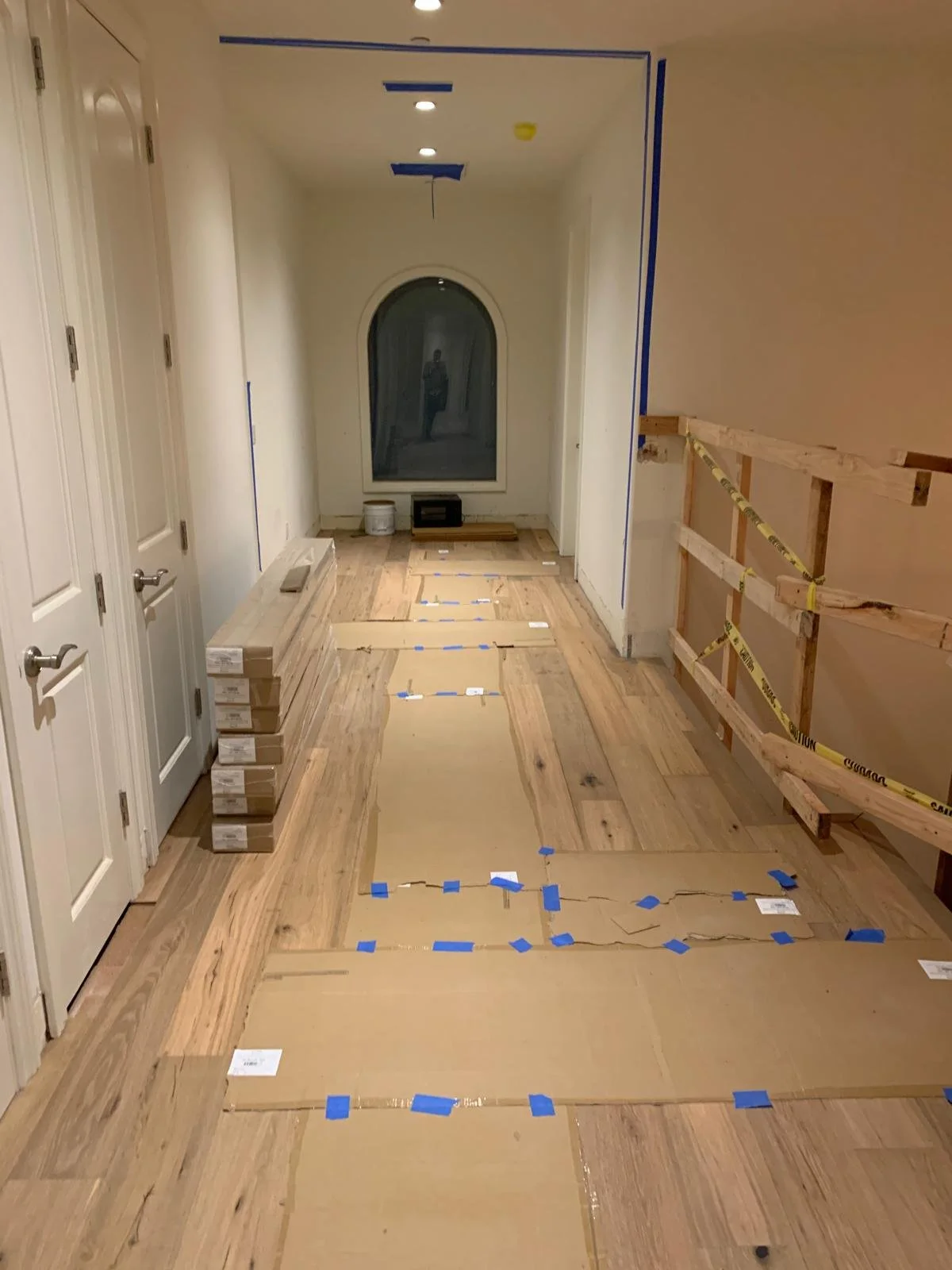
That’s what allows the home to feel simple.
Nothing forced. Nothing adjusted later. Nothing working against itself.
What’s visible is clean and controlled.
What’s behind it is what makes that possible.
Key Decisions
The decisions that define how the home works today.
Projects like this are defined by a few key moves. These were the decisions that shaped a home built from the ground up to feel open, functional, and aligned with how it’s actually lived in.
1
DESIGN THE LAYOUT FROM THE GROUND UP
The home was planned without relying on any existing structure.
This allowed the layout to be defined purely around flow, usability, and long-term function not limitations.
2
CREATE A CENTRAL LIVING CORE
The family room was positioned as the anchor of the home.
All primary spaces connect to it, allowing the layout to feel open and cohesive without becoming oversized or unfocused.
3
SEPARATE SERVICE AREAS FROM MAIN LIVING SPACES
Instead of blending everything into one open environment, the kitchen and service zones were intentionally set apart.
This maintains efficiency while keeping the main living areas clean, calm, and uninterrupted.
4
DESIGN ALL BEDROOMS AS EN-SUITE
Each bedroom was given its own bathroom to create privacy and independence across the home.
This allows the house to function comfortably for both daily living and hosting.
7
INTRODUCE A DEFINING ARCHITECTURAL ELEMENT
The spiral staircase was designed as both a functional connection and a visual focal point.
It anchors the vertical circulation while giving the home a clear architectural identity.
5
INTEGRATE INDOOR–OUTDOOR LIVING FROM THE START
The backyard, pool, and exterior spaces were designed as part of the home not added later.
This created a seamless transition between interior and exterior, making outdoor space part of everyday use.
8
BUILD ALL SYSTEMS NEW AND INTEGRATED
Electrical, plumbing, and HVAC systems were planned alongside the structure.
This ensured long-term performance, efficiency, and a cleaner execution throughout the build.
6
ENGINEER THE STRUCTURE FOR OPEN LIVING
The structural system was designed to support large spans and uninterrupted movement.
Openness wasn’t created visually it was built into the framing.
9
PRIORITIZE CLARITY OVER COMPLEXITY
Not every opportunity to add something was taken. The layout, finishes, and transitions were kept focused, allowing the architecture and proportions to carry the experience instead of layering unnecessary elements.
Before & After
Drag to reveal the transformation.
Project Timeline
14 months from planning to completion.
Planning + Pre-Construction
Site strategy, layout development, structural planning, and permitting defining the home before construction begins.
PHASE 1PHASE 2Foundation + Framing
Construction of the structural framework, establishing the layout and supporting open-concept living.
PHASE 3Systems Integration
Full installation of electrical, plumbing, and HVAC systems, coordinated within the structure from the start.
PHASE 4Build-Out + Exterior Integration
Interior build-out alongside exterior work, including the pool and outdoor living areas, executed in parallel to maintain alignment.
PHASE 5Finishes + Completion
IInterior and exterior finishes, material coordination, final walkthrough, and project delivery.
Early alignment between structure, systems, and outdoor construction allowed the project to move efficiently from site to a completed home without rework.
The Result
This is the kind of house that doesn’t need to prove anything.
It works quietly.
The layout feels resolved not open for the sake of openness, but structured in a way that makes sense the moment you move through it. Spaces connect where they should, separate where they need to, and never compete with each other.
There’s a rhythm to how the home is used.
Mornings move through the kitchen and living spaces without friction. Evenings shift naturally toward the backyard, where the house opens without feeling like it changes. Entertaining doesn’t require rearranging anything the house already knows how to handle it.
The transitions are what stand out.
Inside to outside. Public to private. Active to quiet.
Everything happens without interruption.
Nothing feels like it was figured out late.
The architecture stays grounded. The interiors stay controlled. The materials don’t try to carry the space they support it.
What you’re left with is a home that feels settled.
Not staged.
Not overdesigned.
Just complete in a way that’s hard to achieve without getting the fundamentals right from the beginning.

Project overview
total living space
construction timeline
plus dedicated office
built from the ground up
SOME MORE CASE STUDIES
-
![Hollywood Hills mid-century kitchen with custom stone island, integrated shelving, warm wood cabinetry, and sculptural wood stools in a refined open layout]()
HOLLYWOOD HILLS MID-CENTURY RESTORATION
-
![Hollywood Hills home remodel living room with open layout, modern furnishings, built-in bar, and full sliding glass walls opening to hillside views]()
HOLLYWOOD HILLS HOME REMODEL
-
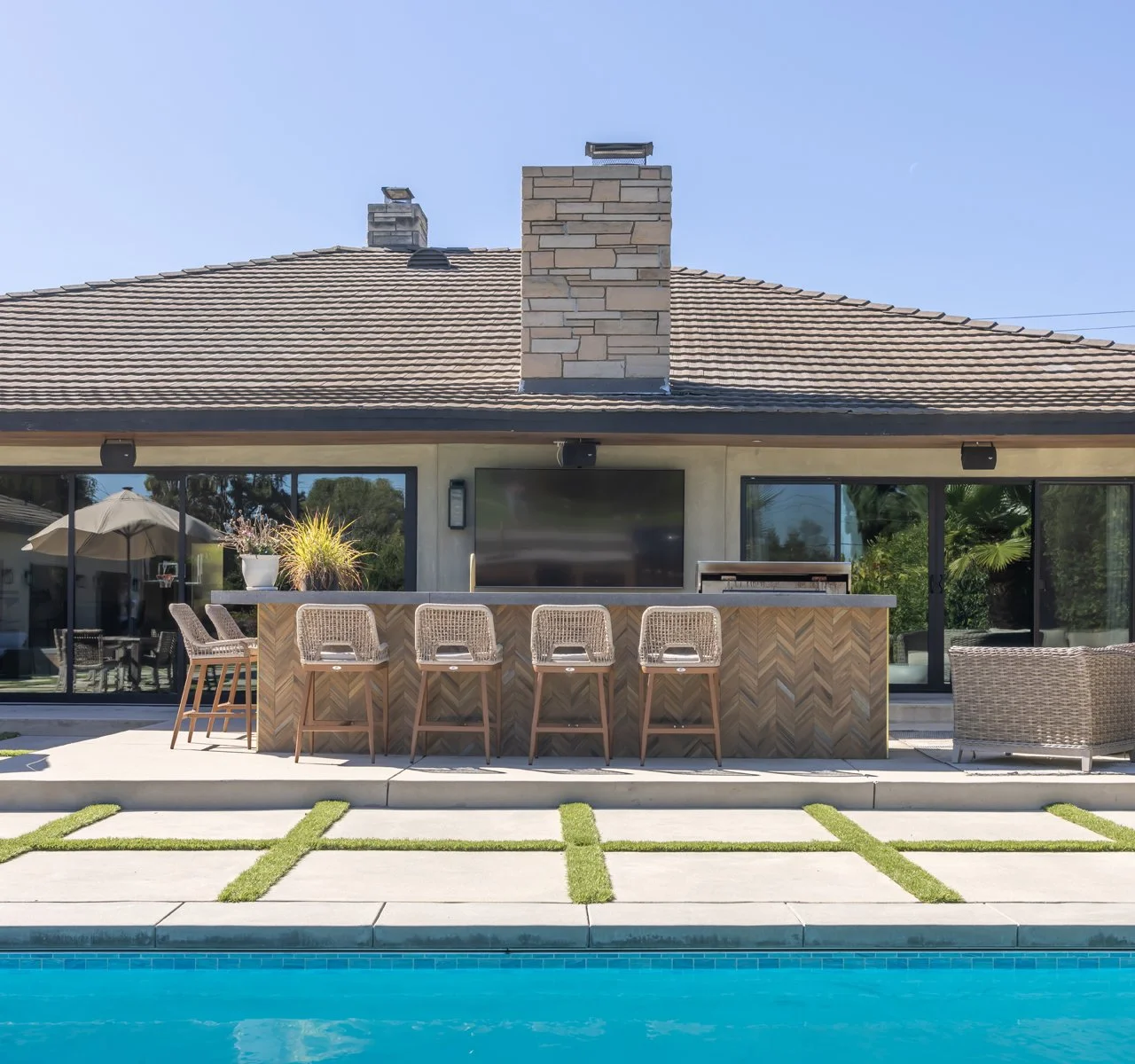
![Outdoor kitchen and bar seating area with poolside patio and indoor-outdoor living design]()
CULVER CITY COMPLETE REMODEL + ADU
-
![Westwood home remodel with second story addition, backyard pool, wood deck, and indoor-outdoor living connection]()
WESTWOOD FAMILY REMODEL + SECOND STORY ADDITION + POOL
-
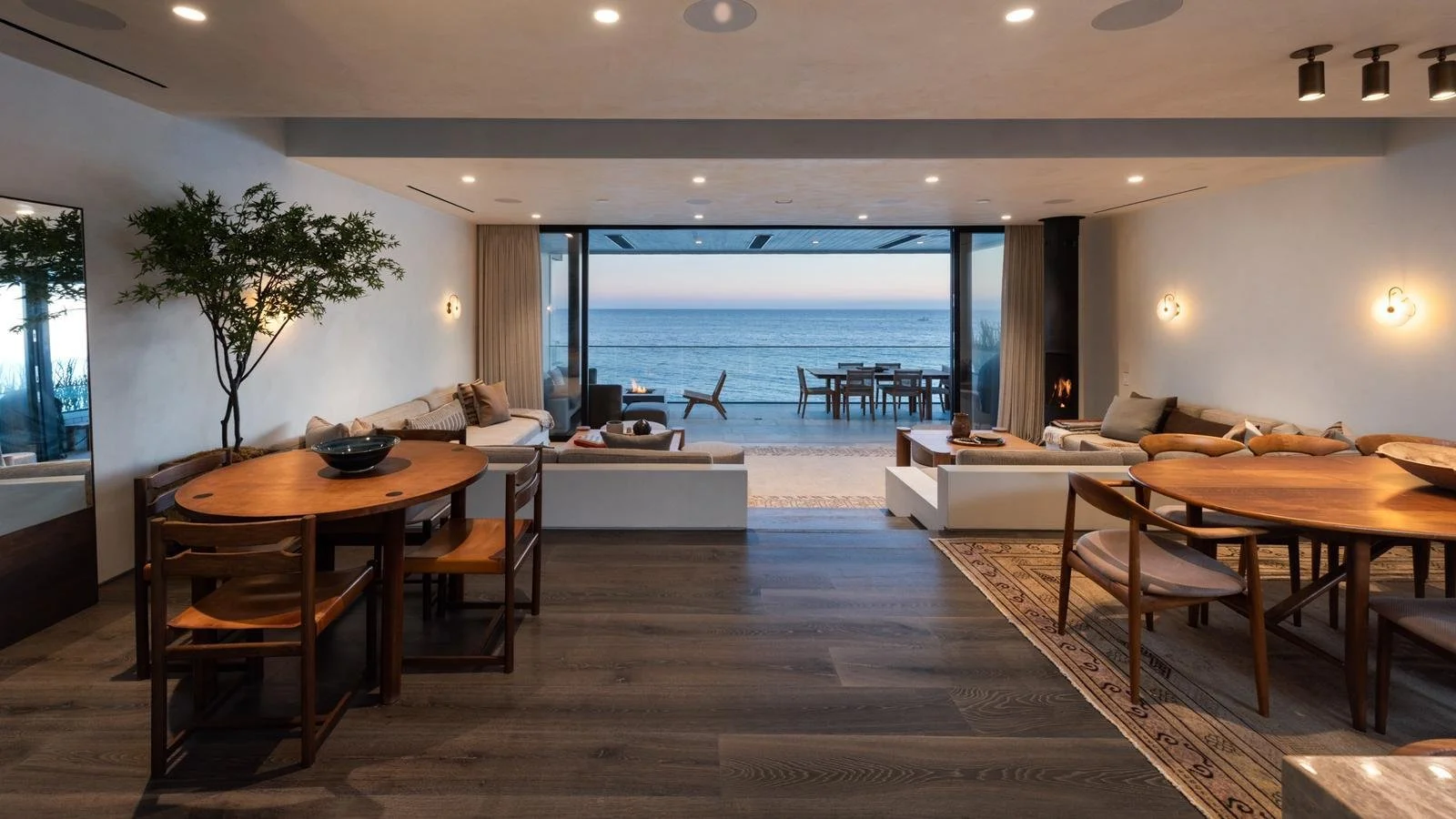
![Malibu beachfront condo remodel with open living space, seamless indoor-outdoor design, and panoramic ocean views]()
MALIBU BEACHFRONT CONDO REMODEL
-
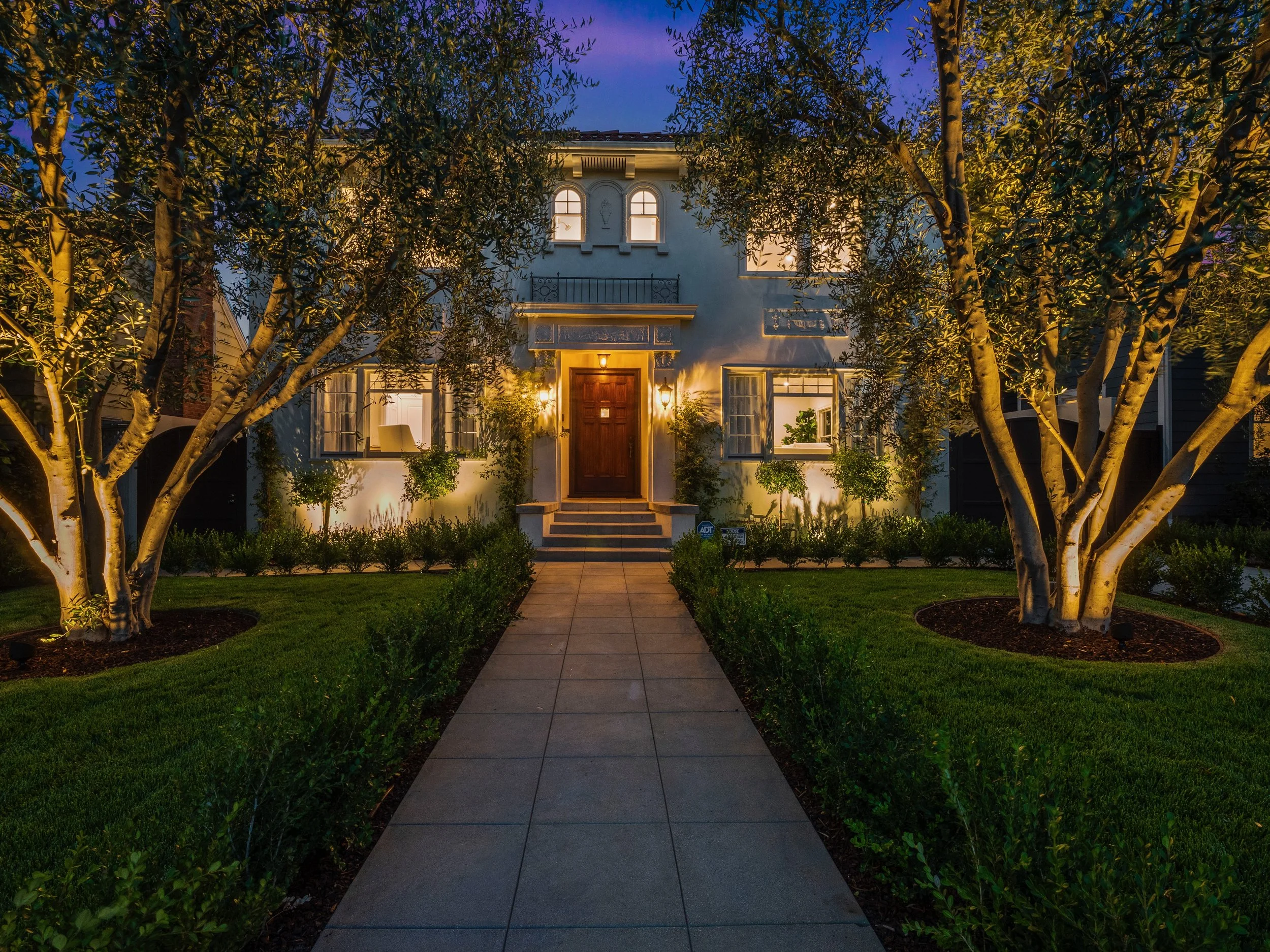
![Historic Hancock Park home exterior at dusk with restored facade, symmetrical entry, and landscaped walkway]()
HANCOCK PARK HISTORICAL RESTORATION + ADDITION
-
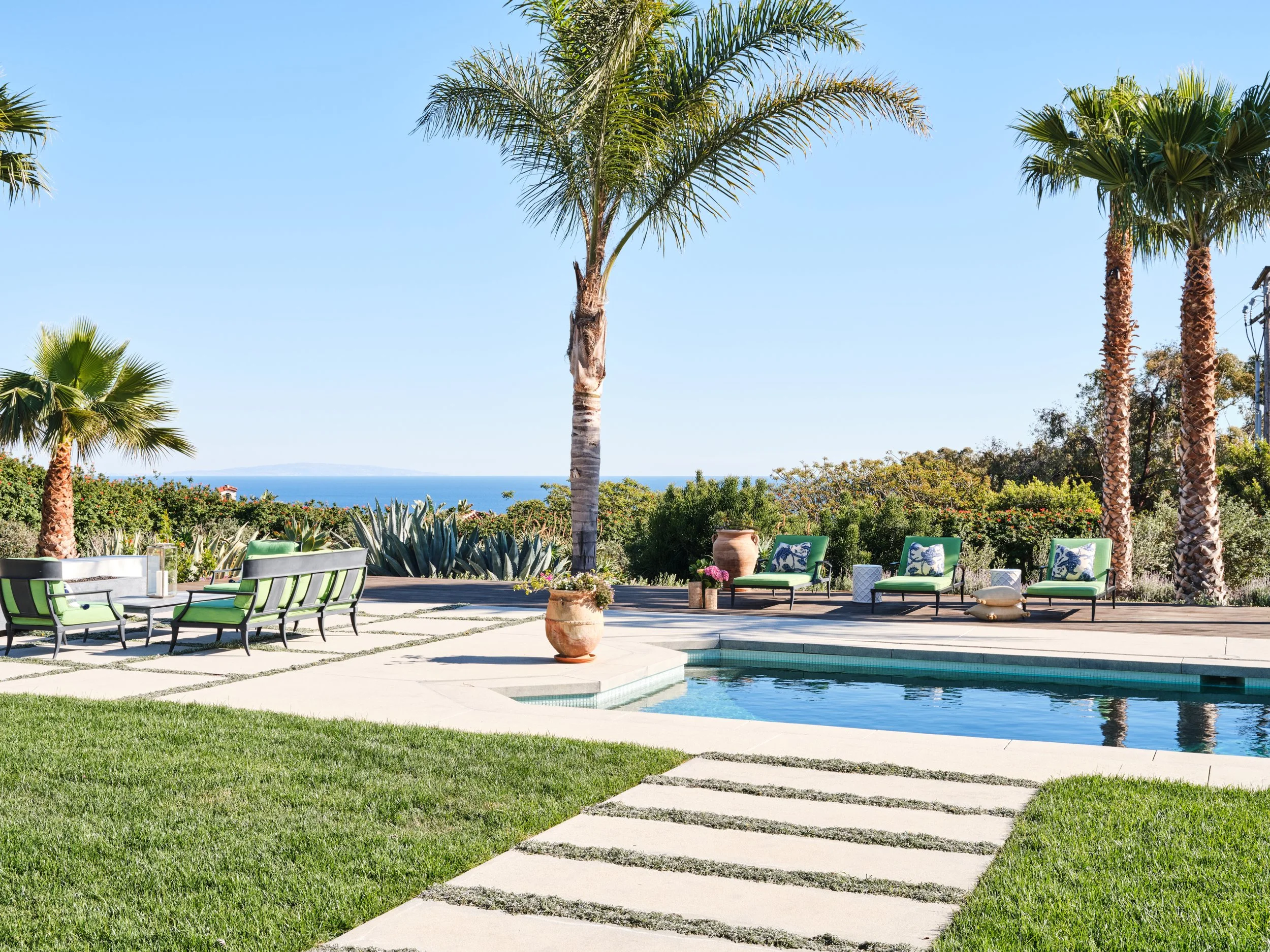
![Outdoor living space with pool, lounge seating, and ocean views in landscaped Malibu backyard]()
MALIBU SPANISH HOME REMODEL
-
![]()
MAR VISTA CUSTOM HOME BUILD



Explore Further
Related services and resources.
SERVICE
Custom Home Construction
See how we approach building from the ground up from early planning and layout development through final construction and delivery.
SERVICE
Outdoor Living
Learn how we design and build outdoor spaces that function as part of the home — including pools, patios, and integrated backyard environments.
LOCATION
Brentwood General Contractor
What it actually takes to build in Brentwood — from zoning and permitting to planning and execution.
GUIDE
How Long Does It Take to Build a Custom Home in Los Angeles?
Understand the full timeline—from planning and permits through construction and completion
GUIDE
How Much Does It Cost to Build a Custom Home in Los Angeles?
Real numbers, timelines, and what impacts cost when building from the ground up
GUIDE
Remodel vs Rebuild vs New Build in Los Angeles
Understand how to choose the right path based on real projects and property conditions
Thinking about building a custom home in Brentwood or Los Angeles?
Projects like this start long before construction — with the right layout, the right decisions, and a clear direction from the beginning.
If you're still deciding whether to build new, remodel, or rebuild, we break that down clearly across real projects.
→ See how the remodel vs rebuild decision actually plays out
If you’re planning a ground-up home, start with a conversation. We’ll help you understand the process, the options, and the right way to approach it.