
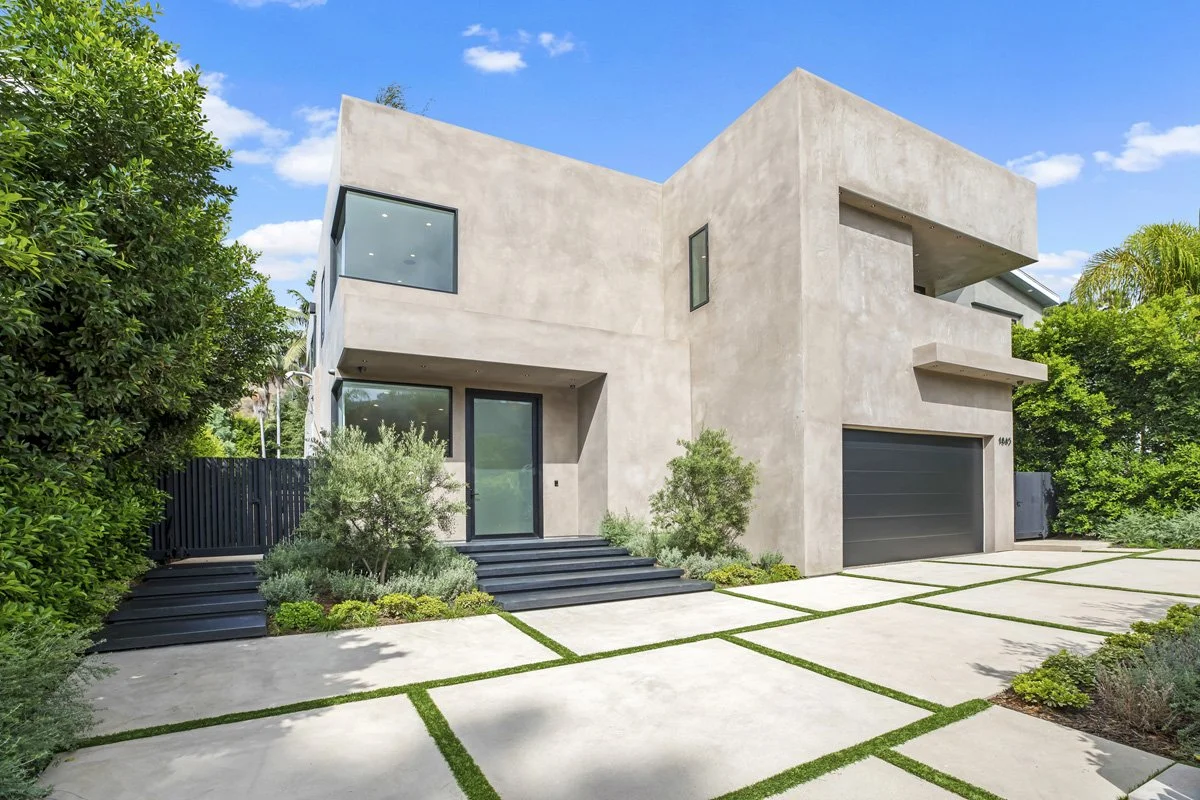
HOW LONG DOES IT TAKE TO BUILD A CUSTOM HOME IN LOS ANGELES?
A REALISTIC TIMELINE OVERVIEW FOR FULLY CUSTOM RESIDENTIAL CONSTRUCTION IN LOS ANGELES FROM EARLY DESIGN THROUGH FINAL INSPECTION.
The Timeline at a Glance
Most fully custom homes in Los Angeles require approximately 18 to 30 months from early design through final inspection. The timeline reflects three distinct phases — each with its own variables, and each capable of compressing or extending the overall schedule depending on site conditions and how well the project was prepared before design began.
This timeline reflects the full process for building a custom home in Los Angeles, where design coordination, permitting, and construction occur in distinct phases — not as a single continuous build.
Before timelines are finalized, the first decision is often whether to build new at all — or remodel or rebuild what’s already there, which can change the timeline significantly.
→ See how that decision actually plays out across real projects
DESIGN & PLANNING 6–12 months
PERMITTING & APPROVALS 6–12+ months
CONSTRUCTION 12–18+ months
TOTAL months 18–30+
EXPERT ANSWER
CUSTOM HOME TIMELINE IN LOS ANGELES
Most custom homes in Los Angeles take 18 to 30 months from early architectural planning through final inspection. The process includes three major phases: architectural design and planning (6–12 months), permitting and approvals (6–12+ months), and construction (12–18+ months).
Homes built on hillside properties, coastal lots, or sites with additional regulatory oversight often take longer due to structural engineering requirements, grading permits, or Coastal Development Permit coordination. The timeline for residential construction in Los Angeles varies significantly depending on site conditions, jurisdiction, and the completeness of preparation before the permit is submitted.
THE HONEST ANSWER
Longer than most people expect and for good reason.
Homeowners researching how long it takes to build a house in Los Angeles are often surprised to find that construction itself is only one part of the timeline. Understanding the full home construction timeline in Los Angeles requires looking beyond the construction phase itself — through design, engineering, and permitting — before the first foundation pour.
Most custom homes take between 18 and 30 months from the start of architectural planning to final inspection. Some move faster. Many take longer. The range exists because custom home construction in Los Angeles is not a linear process — it is a sequence of interdependent phases, each with its own variables.
“The question homeowners usually ask is how long construction takes. The more useful question is how long the entire process takes.””
From the first architectural conversation through the certificate of occupancy — those are very different numbers, and understanding the difference is what separates a project that moves predictably from one that stalls.
PHASE BY PHASE
Three phases Each one sets up the next
1
ARCHITECTURAL DESIGN
6–12 months
Schematic design, structural and civil engineering coordination, Title 24 energy modeling, and construction documents. Hillside properties require soils reports and grading plans. Coastal properties add Coastal Development Permit coordination. HOA communities require design review board submissions before LADBS.
2
PERMITTING & APPROVALS
6–12+ months
LADBS plan check plus any additional layers depending on location — grading permits, Coastal Commission review, HPOZ Certificate of Appropriateness, or HOA design board approval. A well-prepared, complete first submittal is what keeps this phase on track. Each correction cycle adds weeks.
3
CONSTRUCTION
12–18+ months
Duration determined by scope, structural complexity, and how well the project was set up before the first permit was pulled. Material lead times — custom windows, millwork, imported stone — and inspection sequencing are the most common sources of delay on the back half of construction.
What often extends any phase is not the work itself it is the discovery of site conditions or regulatory requirements that were not fully understood at the start. Soils conditions that require revised foundation design. Coastal Zone boundaries that affect building footprint. HOA design guidelines that require massing revisions after schematic design was already complete. These discoveries are the norm on complex Los Angeles lots. The way to manage them is to surface them early before drawings are committed, not after.
WHAT ACTUALLY MATTERS
What separates a 20-month project from a 30-month one.
The difference between a project that moves efficiently and one that does not is almost never the construction itself. It is what happened or did not happen before the permit was submitted.
Projects that stall most often do so for predictable reasons. Design changes made after permit submission require resubmittals and additional review cycles. Engineering adjustments for hillside structural systems require recalculations that delay approval. Regulatory requirements that were not identified at the start require redesign after schematic drawings were already complete. Materials that were not specified early enough arrive late and pause construction at critical stages.
Coastal properties introduce their own version of this. On our Malibu residential renovation project, coordination with Coastal Development Permit requirements and structural engineering review shaped both the design timeline and the permit sequencing from the beginning because those variables were understood before design advanced, not after.
Projects that move predictably share one common characteristic: everything that could have been resolved before the first drawing was submitted was resolved before the first drawing was submitted. Site conditions evaluated. Regulatory layers confirmed. Engineering scope understood. Budget aligned. Material lead times built into the schedule from the beginning.
FROM OUR PORTFOLIO
How location shapes the timeline across Los Angeles.
Every site introduces its own conditions. These three projects illustrate how location and site complexity shape the timeline from the first design conversation through final inspection.
HILLSIDE
Hollywood Hills
Early structural coordination and soils evaluation were required before a permit-ready set could be submitted to LADBS. Hillside engineering shaped every phase of the timeline from the first site visit forward.
COASTAL
Malibu
Coastal Development Permit coordination and structural engineering review influenced both the design timeline and permit sequencing — because those variables were understood before design advanced, not after.
WESTSIDE
Mar Vista
Built on a flat residential lot, the project progressed through design and permitting with fewer structural and grading considerations — and the construction phase reflected that efficiency from the start.
RECENT CUSTOM PROJECTS
-
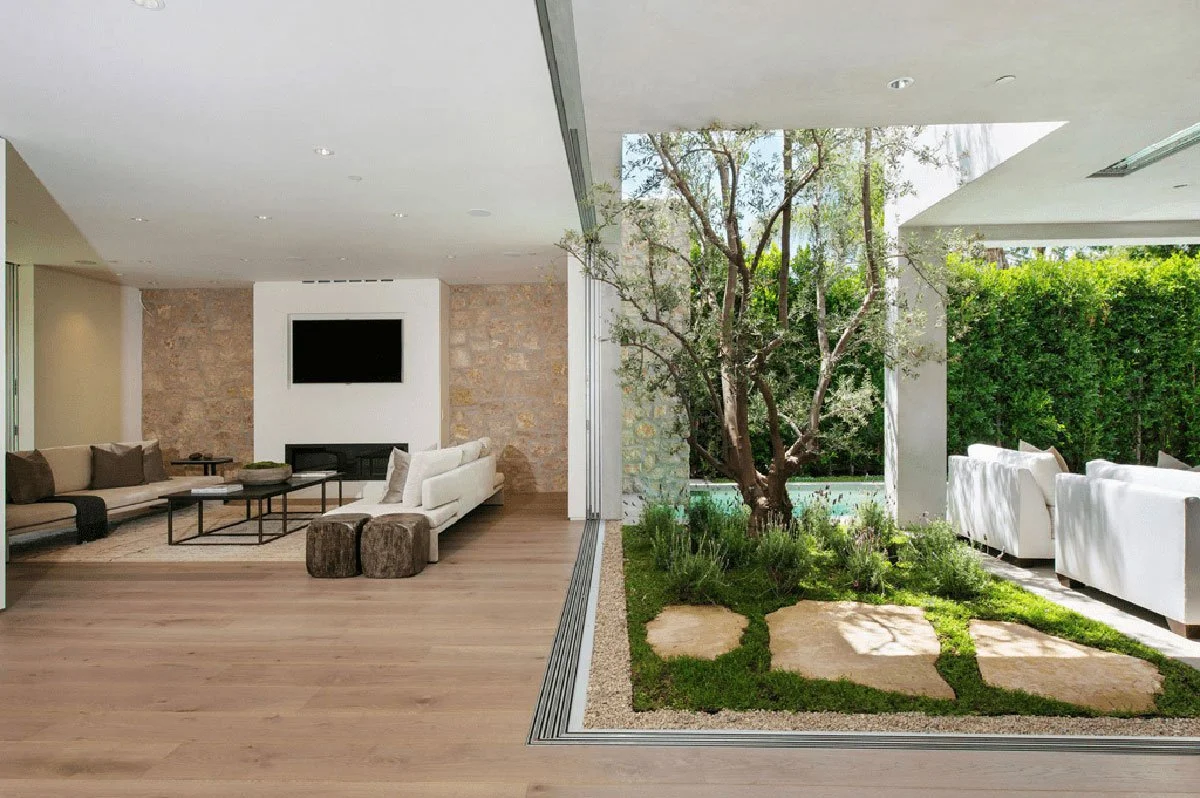
![Modern indoor outdoor courtyard living space with sliding glass walls in West Hollywood custom home]()
WEST HOLLYWOOD COURTYARD
-
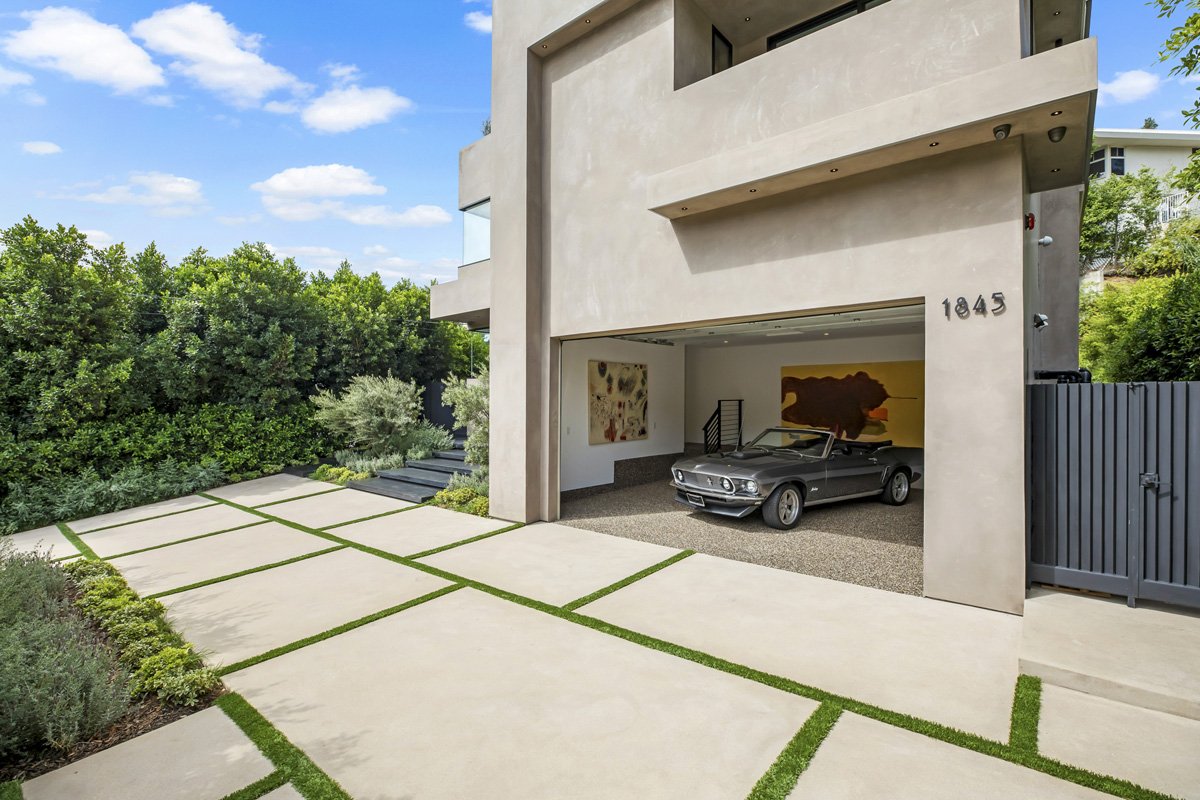
![Modern custom home driveway with large concrete pavers and open garage in Beverly Hills]()
BEVERLY HILLS
-
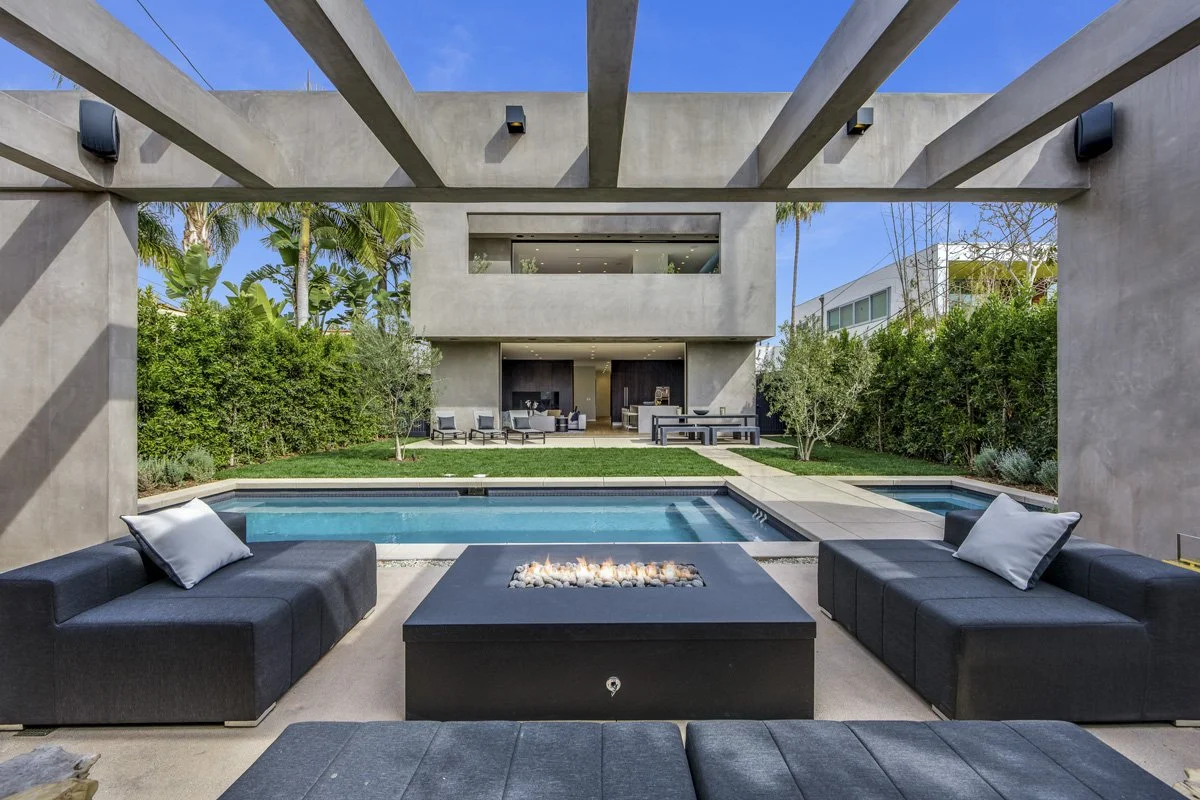
![Modern West Hollywood custom home backyard with pool, fire pit seating, and pergola]()
WEST HOLLYWOOD
-
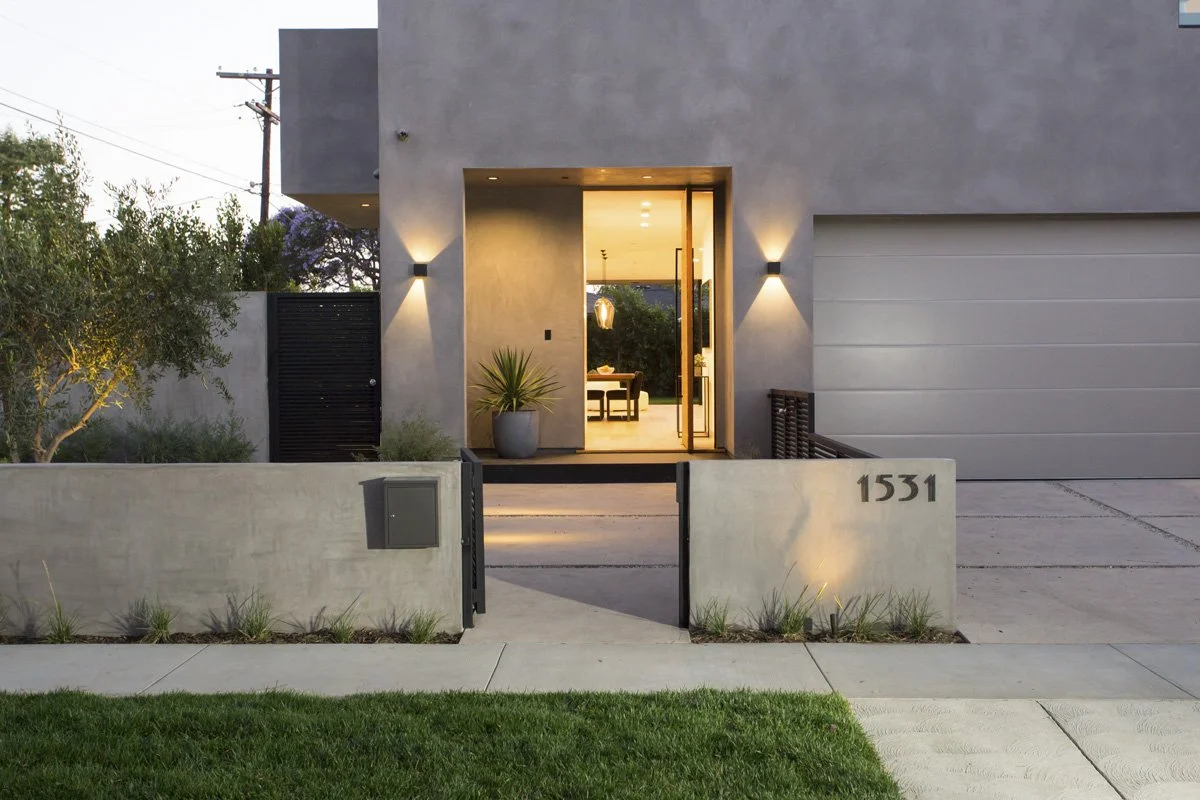
![Modern Venice home entrance with minimalist concrete facade and illuminated entry walkway]()
VENICE
-
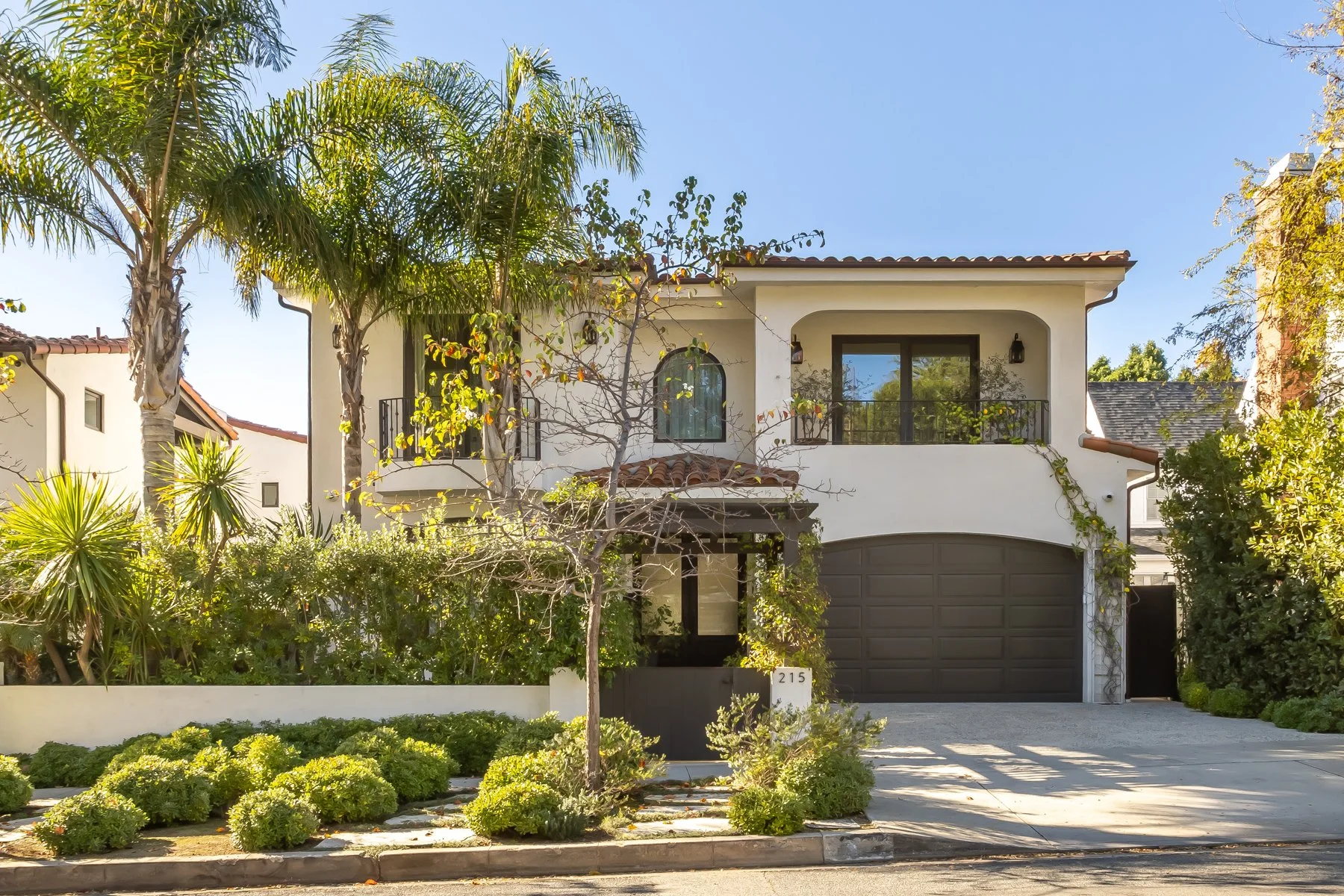
![Spanish style Brentwood home exterior with arched balcony, clay tile roof, and landscaped front yard]()
BRENTWOOD
OUR APPROACH
What Heart Construction clients experience.
Every project we take on begins with feasibility before design. Site conditions evaluated, regulatory requirements confirmed, engineering scope understood, and budget aligned before architectural drawings advance.
On hillside projects, that means soils and geotechnical review early, structural engineering coordination before schematic design is finalized, and grading permit strategy mapped in parallel with the building permit process. On coastal projects, Coastal Development Permit coordination begins before design is committed. On HOA projects, design review board requirements are incorporated into the design brief, not discovered after drawings are complete.
Construction is managed with the same discipline. Material specifications are locked early. Inspection sequencing is coordinated in advance. Subcontractors are scheduled around the critical path, not reacting to it.
The result is not a faster project it is a more predictable one. And for a custom home in Los Angeles, predictability is what actually protects your investment.
BUILD WITH INTENTION — OUR SIGNATURE APPROACH →
FREQUENTLY ASKED QUESTIONS
What homeowners ask before design begins.
-
The formal timeline begins once architectural drawings are ready for permit submission. However, the work that determines whether that submission moves efficiently — site evaluation, regulatory confirmation, engineering coordination — happens in the months before. Early planning is what gives the formal timeline its best chance of moving predictably.
-
On rare occasions — flat lots, straightforward designs, jurisdictions with faster plan check cycles — it is possible. Most fully custom homes in Los Angeles require longer due to design complexity, engineering coordination, permitting timelines, and material lead times. Projects that move faster typically started with exceptional preparation, not shortcuts.
-
It varies by project. For homes in hillside areas, coastal zones, or historic overlay neighborhoods, permitting is often the most variable phase — additional review layers add time that is difficult to predict precisely. For large or architecturally complex homes, construction duration itself can be the longest phase. Both phases deserve careful timeline planning from the start.
-
Yes — significantly. A home in the Hollywood Hills or Malibu moves through a fundamentally different approval process than a home on a flat Westside lot. Hillside grading permits, Coastal Development Permit coordination, and HPOZ review each add meaningful time. Understanding the specific regulatory environment for your site before design begins is essential to setting a realistic timeline.
-
In communities like Calabasas and Hidden Hills, design review board approval runs parallel to — and sometimes before — LADBS plan check. HOA review timelines and requirements vary by community. Incorporating HOA design standards into the architectural brief from the start prevents redesign after submission. We manage HOA coordination as part of our standard pre-construction process.
-
Certain documentation can be prepared concurrently — and experienced teams use that overlap effectively. However, significant design changes during plan check require resubmittal and additional review cycles. The most effective way to shorten the overall timeline is to have a complete, coordinated, and correction-ready permit set at the point of first submission.
-
Significantly. Custom windows and doors, imported stone, bespoke millwork, and high-end finish materials all carry production lead times that must be built into the construction schedule. Materials ordered reactively — specified when the project arrives at the phase that needs them rather than at the start — regularly cause pauses in construction. Early specification and procurement strategy is one of the highest-value things a builder can manage on a custom home.
-
They move together. Projects with longer timelines carry higher overall costs — longer general conditions, extended carrying costs on the lot, and more coordination overhead. Understanding the realistic timeline for your specific project is essential to setting an accurate budget. For a detailed breakdown, see our guide to how much it costs to build a custom home in Los Angeles.
-
Yes. Our role begins before design — with site evaluation, regulatory confirmation, and budget alignment — and continues through final inspection and certificate of occupancy. We coordinate with architects, engineers, and all consultants throughout the process to keep both tracks moving together.
-
The best way to understand your specific timeline is to start with a feasibility conversation before design begins. Site conditions, regulatory environment, and engineering requirements are all factors we evaluate as part of our pre-construction process. A structured consultation can clarify realistic expectations before any commitment is made.
FURTHER READING
COST GUIDE
Ready to understand your specific timeline?
Every lot is different. Every regulatory environment is different. A realistic timeline for your custom home depends on both and the best time to understand it is before design begins, not after.