
REBUILDING IN PACIFIC PALISADES
STARTS BEFORE CONSTRUCTION BEGINS
SITE CLEARANCE, INSURANCE COORDINATION, GEOTECH, COASTAL REVIEW, AND PERMITTING ALL SHAPE WHAT COMES NEXT — AND MOST OF IT HAPPENS BEFORE A SINGLE WALL GOES UP.
WE'RE ACTIVELY BUILDING A NEW HOME PROJECT IN PACIFIC PALISADES AND CAN SPEAK TO CURRENT CONDITIONS FROM DIRECT EXPERIENCE.
WHAT YOU'RE ACTUALLY NAVIGATING
Rebuilding after a fire is not
a construction project that starts with design
For most homeowners, rebuilding after a fire involves more simultaneous decisions than any project they've ever managed — insurance scope, site conditions, permitting requirements, design decisions, and construction planning all happening at once, often before the lot is fully cleared.
The homeowners who move most efficiently through this process are the ones who understood early that each of these tracks affects the others — and that getting a contractor involved before design begins changes what's possible, what's realistic, and what the timeline actually looks like.
"The rebuild decision often starts before design. Some lots support opportunities that didn't exist before. Others have conditions that weren't visible until the site was cleared."
We're currently consulting on Pacific Palisades rebuild projects and have been closely involved in the early feasibility and planning stages of properties across the affected area. That experience is directly relevant to what you're navigating now.
Still deciding between rebuilding, remodeling, or a custom home on a cleared lot? The remodel vs rebuild vs custom home guide helps frame that decision.
Insurance scope and rebuild scope are not always the same thing
What insurance will cover and what the rebuild actually requires are separate questions. Understanding how they relate — and where they diverge — is one of the most important early conversations in any Palisades rebuild.
Site conditions can change after debris removal
Geotech reports, drainage conditions, and foundation assessments often reveal things that weren't known before the site was cleared. These conditions shape what can be built and at what cost.
The fastest path isn't always rebuilding the exact same house
Some homeowners find that a cleared lot creates an opportunity to redesign — within the eligible replacement framework — that results in a better long-term property. Others find that rebuilding the same footprint is the most efficient path. Both are real options.
Permitting reality is more complex than most timelines assume
Coastal Commission review, LADBS requirements, hillside conditions, and whether the rebuild stays within the eligible replacement framework all affect permitting timelines — and they vary significantly by property.
THE REBUILD PATH
What rebuilding actually
involves — in sequence
Every Pacific Palisades rebuild moves through the same sequence. Understanding where you are in that sequence — and what comes next — is the starting point for any realistic planning conversation.
01
SITE CLEARANCE
Debris removal, hazmat coordination, and lot preparation
02
DOCUMENTATION
Insurance scope, geotech report, survey, and existing conditions assessment
03
FEASIBILITY
Rebuild vs redesign decision, coastal review scope, lot conditions
04
DESIGN
Architecture, structural engineering, and permit documentation
05
PERMITS
LADBS, Coastal Commission if applicable, and any required reviews
06
CONSTRUCTION
Foundation through completion, final inspection, and closeout
THE CORE DECISION
Rebuild the same home
or redesign?
This is the decision most Pacific Palisades homeowners face early in the process — and it has real implications for insurance coordination, permitting timeline, and what the property looks like long term. Both paths are legitimate. The right answer depends on your specific property, your insurance situation, and your long-term goals.
OPTION A
Rebuild the Same Home
Rebuilding within the same footprint and structure type as the original home. Often the most straightforward path through insurance coordination and permitting — and for many homeowners, the right answer.
Strongest alignment with insurance replacement scope
Most predictable permitting timeline
Preserves the property's established relationship with the lot
Faster path to construction start in most cases
The right choice when the original home functioned well and the goal is to restore what existed — efficiently and correctly.
OPTION B
Redesign on the Cleared Lot
Using the cleared lot as an opportunity to rethink layout, orientation, systems, and long-term function — within the eligible replacement framework and applicable regulations.
Opportunity to correct layout problems that existed before
Modern systems, structural standards, and energy compliance built in
Long-term value of a home designed for how life is actually lived
Potentially stronger resale performance over time
Requires careful coordination with insurance scope. The extent to which redesign is possible within the replacement framework varies by policy and property — this needs to be understood before design decisions are made.
WHAT MOST HOMEOWNERS DON'T REALIZE
The things that consistently
surprise Pacific Palisades homeowners
These aren't edge cases. They're the patterns that appear across rebuild projects — the things most homeowners didn't know going in that changed how they approached the process.
The rebuild decision starts before design
Most homeowners think the first step is finding an architect. It isn't. The first step is understanding what the cleared lot actually supports — geotech, insurance scope, coastal requirements, and what the property looked like before. That information shapes everything that follows.
Insurance scope and rebuild scope can diverge significantly
What insurance will cover is calculated based on the original structure. What the rebuild actually requires — updated seismic standards, current energy codes, geotech-driven foundation changes — can cost meaningfully more. Understanding the gap early is critical.
The cleared lot may have changed conditions
Geotech reports done after debris removal sometimes reveal soil conditions, drainage issues, or slope stability considerations that weren't visible before. These can affect foundation requirements, retaining wall needs, and what the build actually costs.
Coastal Commission review applies to many Palisades properties
Properties within the Coastal Zone require Coastal Development Permit review in addition to standard LADBS permits. This adds a layer of coordination and timeline that most homeowners don't anticipate — and that varies significantly by property location and rebuild scope.
The fastest rebuild isn't always the cheapest one
Decisions made quickly to accelerate the process — on design, systems, or materials — sometimes create costs downstream that a more deliberate early process would have avoided. The homeowners who move through rebuilds most efficiently are the ones who spent adequate time on the front end.
Some lots support opportunities that didn't exist before
A cleared lot gives a property owner something they didn't have before: a clean look at what the lot can actually support. In some cases, that reveals expansion opportunities, better orientation options, or layout improvements that weren't possible before the fire.
WHAT DETERMINES FEASIBILITY
The site conditions that shape
every Pacific Palisades rebuild
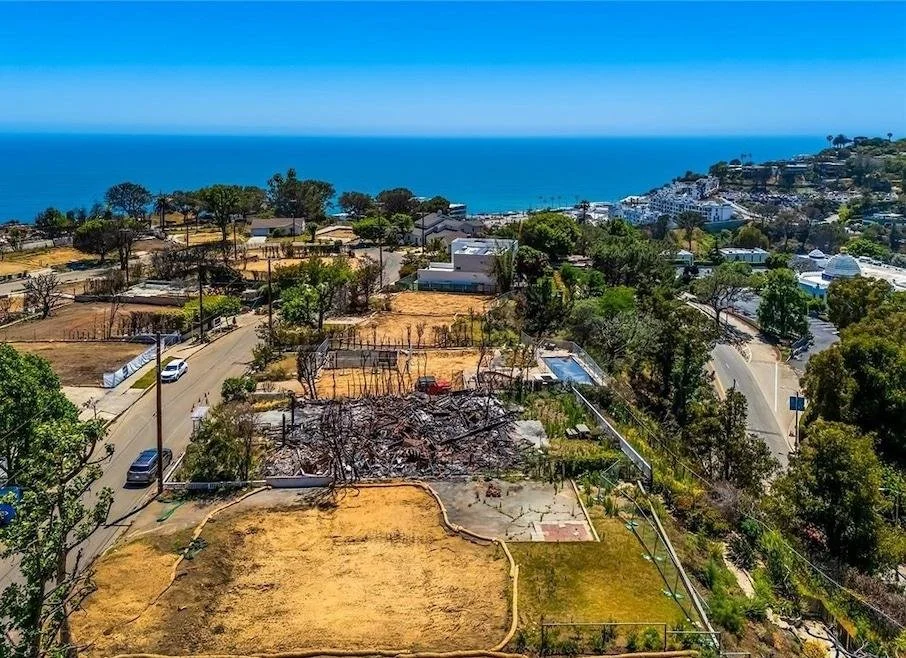
Pacific Palisades properties sit at the intersection of coastal, hillside, and urban conditions that make rebuild feasibility more complex than most Los Angeles markets. These are the factors that consistently shape what's possible.
COASTAL ZONE
Coastal Commission jurisdiction
Many Pacific Palisades properties fall within the California Coastal Zone, requiring a Coastal Development Permit in addition to LADBS approval. The extent of Coastal Commission review depends on whether the rebuild stays within the existing footprint or proposes changes — and the specific location of the property relative to the Coastal Zone boundary.
HILLSIDE CONDITIONS
Slope, grading, and geotechnical requirements
Pacific Palisades hillside properties require geotechnical investigation as part of the rebuild process. Slope stability, soil conditions, drainage, and retaining wall requirements all affect foundation design and construction cost. These conditions are property-specific and can't be assumed from neighboring lots.
INSURANCE FRAMEWORK
Like-for-like replacement vs expanded scope
California law provides certain protections for fire rebuild insurance coverage, but the scope of what's covered versus what's discretionary varies by policy. Understanding where the insurance boundary is — and planning the rebuild accordingly — is one of the most important early decisions.
BUILDING STANDARDS
Updated codes and structural requirements
A new building on an existing lot must meet current code — including updated seismic standards, energy compliance (Title 24), fire-resistant construction requirements, and any applicable hillside grading ordinances. These requirements apply regardless of what was there before and affect both design and cost.
INFRASTRUCTURE
Utility connections and site infrastructure
After a fire event, utility connections need to be reestablished. The condition of existing utility infrastructure, requirements for updated service capacity, and coordination with utility providers all affect the pre-construction timeline and cost.
ACCESS AND LOGISTICS
Haul routes, site access, and construction logistics
Hillside properties in Pacific Palisades often have constrained access — narrow roads, limited staging areas, and haul route restrictions that affect how materials get to the site and how construction is sequenced. These logistics affect both timeline and cost in ways that don't show up in early estimates.
INSURANCE AND CONSTRUCTION
How insurance and
construction coordination works
Insurance coordination in a fire rebuild is not just a financial process — it's a construction planning process. The decisions made about scope, design, and timeline all interact with what insurance will and won't cover. Getting a contractor involved early in this conversation — before scope decisions are locked — changes the outcomes significantly.
We work directly with homeowners and their insurance adjusters during the early planning stages to help ensure that construction scope, cost estimates, and rebuild decisions are informed by both what the property requires and what the insurance framework supports.
Understand your policy's replacement framework
California law requires insurers to cover like-for-like replacement, but the definition of "like-for-like" and what's covered beyond that varies. Know what your policy says before design decisions are made.
Get a contractor's cost estimate early
An independent construction cost estimate — based on what the rebuild actually requires under current code — gives you a factual basis for insurance discussions. Adjuster estimates and contractor estimates often differ significantly.
Understand what code upgrades cost
Updated seismic standards, fire-resistant construction, and energy compliance requirements add cost that may not be fully reflected in insurance estimates based on the original structure. This gap needs to be identified and addressed before construction begins.
Document site conditions after clearance
Geotech findings, utility conditions, and any changes revealed after debris removal can support insurance conversations about what the rebuild actually requires. This documentation belongs in the process before final scope is agreed.
Coordinate design decisions with insurance scope
Design choices — especially around square footage, layout changes, and upgraded systems — have insurance implications. Making these decisions without understanding the insurance framework can create gaps that become expensive later.
PERMITTING REALITY
What the permitting process
actually involves in Pacific Palisades
Permitting a Pacific Palisades rebuild involves more layers than a standard Los Angeles construction permit — and the timeline varies more than most homeowners expect. Understanding the permitting landscape before design begins is one of the most important early steps.
State and local streamlining measures have simplified some aspects of fire rebuild permitting in California. But "streamlined" is relative — and the specific conditions of each property determine how straightforward or complex the permitting path actually is.
All timelines are directional. Your property's specific conditions determine the actual path.
LADBS
Standard building permit
All rebuilds require LADBS building permits. Plan check timeline depends on project complexity and current department volume. Streamlined pathways exist for like-for-like rebuilds.
STATE PROVISIONS
California fire rebuild streamlining
California legislation provides certain permitting streamlines for properties rebuilt after a declared disaster. Eligibility and scope vary — understanding which provisions apply to your property is part of early planning.
COASTAL COMMISSION
Coastal Development Permit
Properties within the Coastal Zone require CDP review. Timeline and complexity depend on whether the rebuild stays within the existing footprint and what changes are proposed. Some streamlining applies post-disaster.
TIMELINE
Realistic ranges
From design completion to permit issuance: like-for-like rebuilds with streamlined review — 3–6 months. Redesigns with Coastal and hillside review — 6–18 months or more. These are directional, not guarantees.
HILLSIDE REVIEW
Hillside grading and drainage
Hillside properties require grading permits and may require drainage plans, retaining wall permits, and hillside ordinance compliance review. Geotech report findings feed directly into this process.
WHAT GOES WRONG
The most common rebuilding
mistakes — and why they happen
These mistakes appear consistently across fire rebuild projects. They're not failures of intent — they're the result of decisions made before the full picture was understood.
MISTAKELocking in design before understanding insurance scope
Design decisions made before insurance scope is clarified can create expensive gaps — or leave coverage on the table. The insurance conversation belongs at the beginning of the process, not after plans are drawn.
MISTAKENot accounting for Coastal Commission timeline
Homeowners who didn't realize their property required Coastal Commission review often find their timelines extended significantly after design is already complete. This review requirement should be confirmed in the first week of planning.
MISTAKEAssuming the geotech report will be straightforward
Post-fire geotech investigations on Pacific Palisades hillside lots sometimes reveal conditions that were obscured by the original structure. Foundation requirements, retaining walls, and drainage infrastructure can all be affected.
MISTAKEStarting design without a contractor cost input
Architectural fees are spent on designs that then come in over budget during construction bidding. Getting real construction cost input during design — not after — prevents this consistently.
MISTAKEUnderestimating what current code requires
A new building on the same lot must meet current seismic, energy, and fire-resistance standards — not what existed before. The cost difference between the original structure and code-compliant new construction is real and often larger than expected.
MISTAKEChoosing a contractor based on speed alone
After a fire event, the pressure to rebuild quickly is real. But contractors who prioritize speed over the front-end planning process often create more delays and costs downstream than a deliberate early process would have.
TIMELINE REALITY
What rebuilding actually
takes in Pacific Palisades
Timeline depends on your permitting path and how much front-end planning happened before design began. The most reliable way to compress rebuild timeline is to move through documentation, feasibility, and insurance coordination efficiently — before design starts.
documentation
development
streamlined pathway
& LADBS permits
highly variable
The single most reliable way to compress this timeline: Move through documentation, feasibility, and insurance coordination efficiently — before design begins. Delays in permitting are almost always rooted in decisions made during the design phase.
REBUILDING IN PACIFIC PALISADES TODAY
What we're seeing
on the ground right now
We're currently engaged on Pacific Palisades rebuild projects across different stages — early feasibility conversations, insurance scope review, site documentation, and pre-design planning. The picture that's emerging is consistent across properties: the homeowners who are moving most efficiently are the ones who started with honest information before they committed to a direction.
What we're seeing most often: insurance scope and actual rebuild cost diverging more than expected once current code requirements are understood. Coastal Zone confirmation coming as a surprise to some homeowners. Geotech reports revealing conditions that change foundation and retaining wall requirements. And a meaningful number of homeowners using the cleared lot as an opportunity to rethink layout — within the replacement framework — rather than simply rebuilding what was there.
MOST COMMON EARLY QUESTION"Should we rebuild the same house or take this as an opportunity to redesign?"
The answer depends on insurance scope, permitting path, and long-term goals — and it needs to be answered before design begins, not during it.
MOST CONSISTENT FINDINGInsurance adjuster estimates and real construction costs under current code diverge — often significantly.
Getting an independent construction cost estimate early — before scope is agreed with the insurer — is one of the most important steps in the process.
WHAT MOVES PROJECTS FASTESTFront-end clarity — not speed.
The projects that move most efficiently are the ones where insurance scope, site conditions, and permitting path were understood before design began. Rushing the front end consistently creates delays in permitting and construction.
RELATED PROJECTS
Pacific Palisades and related
rebuild and coastal projects
We are actively working on Pacific Palisades rebuild projects in planning and early construction phases. The projects below show work shaped by the same conditions — coastal requirements, hillside site complexity, and custom homes on challenging lots.
PACIFIC PALISADES · ACTIVE REBUILD PROJECTSIN PROGRESSCurrently in planning and early construction phases across the affected area
We are actively engaged on Pacific Palisades rebuild projects — working through site documentation, insurance coordination, feasibility planning, and early construction stages. These projects are in progress and not yet available as completed case studies.
If you're navigating a Palisades rebuild, we can speak directly to current conditions, permitting realities, and what the process actually looks like on the ground.
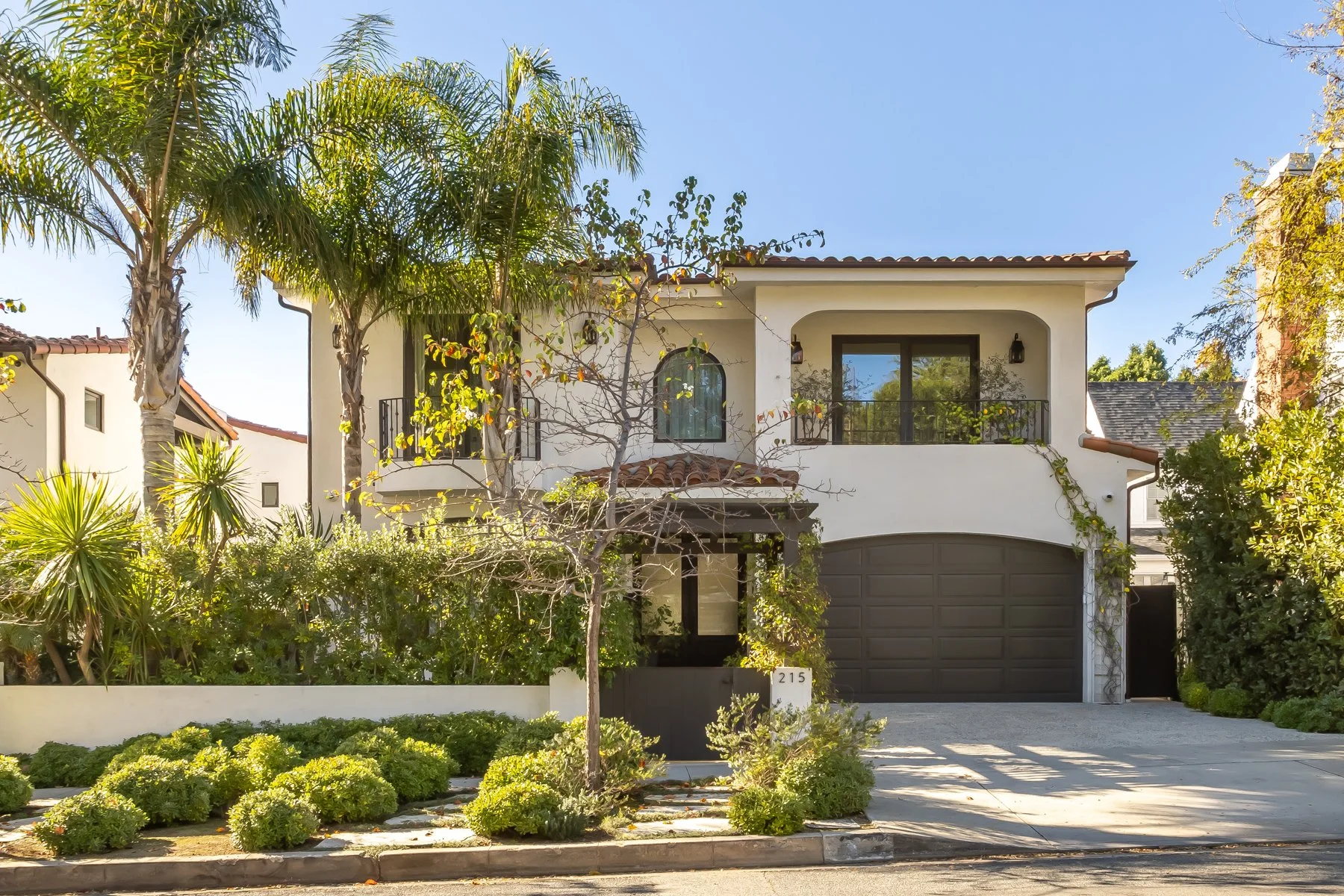
BRENTWOOD · CUSTOM HOME BUILDCOMPLETEDCustom home on a challenging lot — site conditions shaped the entire project
A new custom home build where site conditions, access constraints, and structural requirements were evaluated thoroughly before design began. The process mirrors what Pacific Palisades rebuild projects require — property logic before scope commitment.
The same feasibility-first approach that drives Palisades rebuild planning drove every decision on this project.
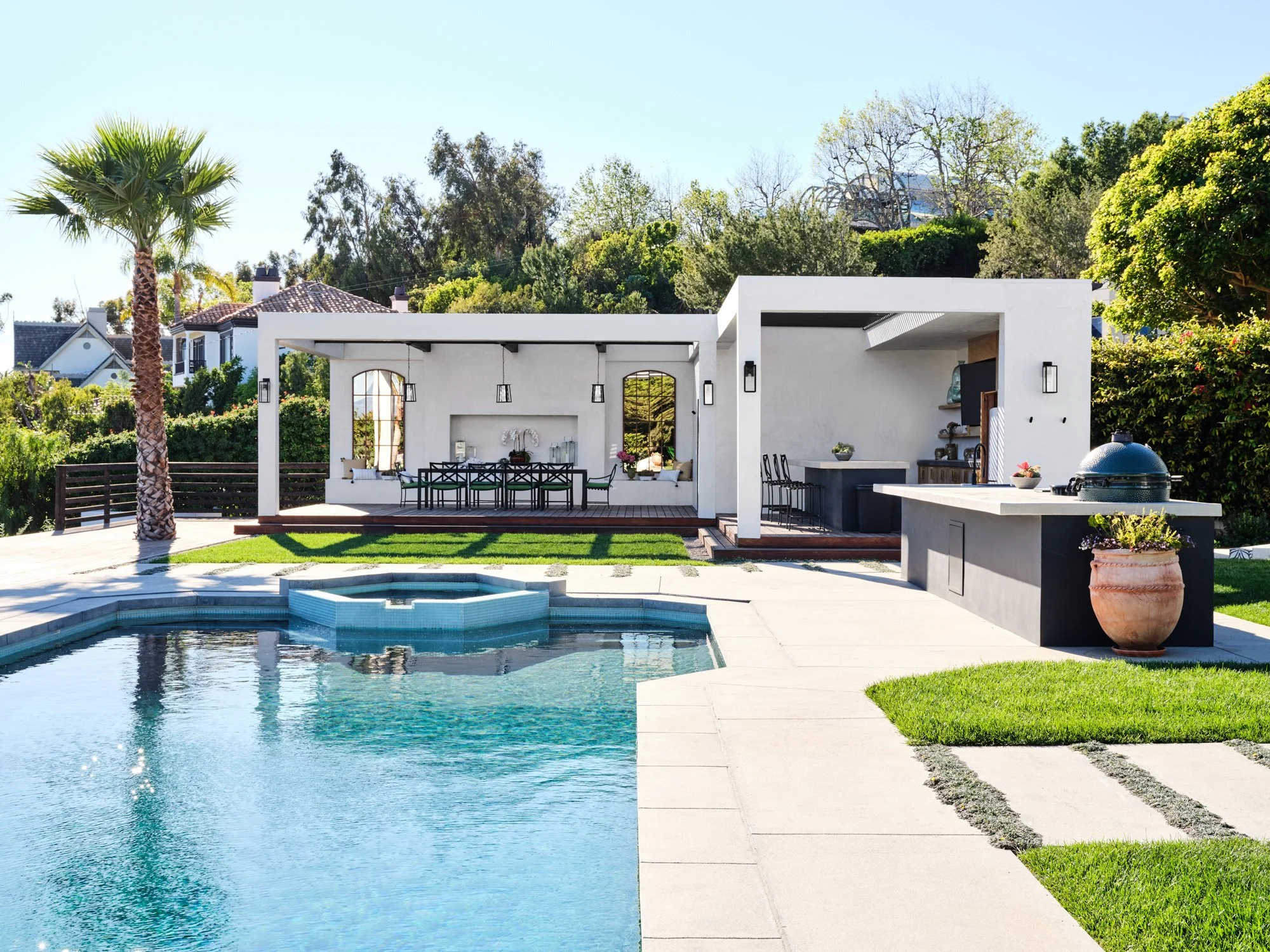
MALIBU · FULL HOME REMODELCOMPLETEDCoastal property remodel — Coastal Commission coordination from the start
A full home remodel on a coastal Malibu property where Coastal Commission permitting requirements were built into the project plan from day one. The permitting process, timeline expectations, and coordination approach directly inform how we approach Palisades projects.
Coastal Commission coordination experience is directly applicable to Pacific Palisades rebuild projects in the Coastal Zone.
HOW WE WORK
We get involved before
design begins — on purpose.
Most contractors get involved after design is complete. We think that's too late — especially for a rebuild project where insurance scope, site conditions, and permitting requirements all need to be understood before a layout is drawn.
Our role in a Pacific Palisades rebuild starts with an honest conversation about what your property requires — site conditions, insurance scope, permitting path, and realistic timeline. That conversation shapes everything that follows.
We're currently working on Palisades rebuild projects and can speak to current conditions from direct experience.
01
SITE AND DOCUMENTATION REVIEW
Geotech, survey, insurance scope, and existing conditions understood before any design direction is set.
03
DESIGN COORDINATION
Working alongside your architect to ensure construction cost reality informs design decisions throughout.
02
FEASIBILITY AND DECISION CLARITY
Rebuild vs redesign, coastal review scope, and insurance coordination mapped before design fees are committed.
04
PERMITTING AND CONSTRUCTION
Managing the full permitting process and construction through final inspection and handover.
FREQUENTLY ASKED
Questions we hear from Pacific Palisades homeowners
Honest answers to what most homeowners are working through right now.
-
The honest answer is that it depends significantly on your specific property — particularly whether it falls within the Coastal Zone, what the geotech report shows, and whether you're rebuilding the same footprint or redesigning. A like-for-like rebuild using streamlined permitting pathways might move from design to permit issuance in 3–6 months, with 10–14 months of construction. A redesign involving Coastal Commission review can take 6–18 months for permits alone. From site clearance to move-in, most Pacific Palisades rebuilds fall in an 18–36 month range. Planning for the longer end of the realistic range is the most reliable approach.
-
It depends on whether your specific parcel falls within the California Coastal Zone boundary. Many Pacific Palisades properties do require a Coastal Development Permit in addition to standard LADBS permits — but not all of them. This is one of the first things to confirm in the planning process, because Coastal Commission review affects timeline significantly and requires specific documentation that needs to be prepared alongside the permit application. Confirming your property's coastal status in the first week of planning avoids discovering this requirement after design is already complete.
-
Both are legitimate paths and the right answer depends on your insurance situation, your long-term goals for the property, and what the cleared lot actually supports. Rebuilding the same home typically aligns most straightforwardly with insurance replacement scope and moves through permitting more efficiently. Redesigning can result in a better long-term property — but requires careful coordination with insurance scope to understand what's covered and what becomes a discretionary cost. This decision should be made before design begins, with a clear understanding of the financial and timeline implications of each path.
-
California law requires insurers to cover like-for-like replacement, and many policies include additional coverage for code upgrades and extended replacement cost. But what insurance will cover and what rebuilding actually costs under current code requirements — seismic standards, energy compliance, fire-resistant construction — often diverge. Getting an independent construction cost estimate and comparing it to your insurance adjuster's estimate is an important early step. The gap between the two, if there is one, needs to be understood before scope decisions are locked in.
-
A geotechnical investigation assesses soil conditions, slope stability, drainage, and bearing capacity on your specific lot. For hillside Pacific Palisades properties, the geotech report is required for the building permit and directly affects foundation design, retaining wall requirements, and drainage infrastructure. The findings can materially change construction cost — which is why getting the geotech done early in the process, before design is finalized, is important. Post-fire geotech investigations sometimes reveal conditions that were not visible before the site was cleared.
-
Yes — but with important considerations. California law allows some flexibility in how rebuilt homes are designed, including changes to footprint and layout within certain parameters. However, any scope beyond like-for-like replacement typically becomes a discretionary cost that insurance may not cover. It also affects the permitting path — changes that go beyond the original footprint may require additional review, including Coastal Commission involvement for properties in the Coastal Zone. The extent of what's possible varies by property, and understanding this before design begins prevents expensive surprises later.
-
Earlier than most homeowners think. Getting a contractor involved before design begins — during the documentation and feasibility stage — changes the process significantly. A contractor can provide realistic cost input that informs design decisions, help identify construction requirements that affect insurance scope, flag site conditions that need to be resolved before design is committed, and help frame the permitting path based on real project experience. Waiting until design is complete to involve a contractor is one of the most consistent sources of delay and budget problems in rebuild projects.
-
Yes — and for many homeowners, the cleared lot creates a real opportunity to do exactly that. A new home built on the same lot can incorporate better layout, improved orientation toward views, updated systems, modern seismic and energy standards, and design decisions that reflect how life is actually lived today. The key is understanding what changes are possible within the insurance replacement framework and what becomes a discretionary cost — because that distinction shapes the entire project approach. Making this decision with full information, before design begins, is the most important early step.
-
No — getting a contractor involved before insurance is finalized is one of the most valuable things you can do. A contractor can provide an independent construction cost estimate that reflects what the rebuild actually requires under current code — and that estimate is essential for insurance negotiations. Adjuster estimates are frequently based on pre-fire conditions and may not account for current code requirements, site conditions revealed after clearance, or the real cost of construction today. Having a contractor's cost input during the insurance process — not after — consistently produces better outcomes for homeowners.
We're working in Pacific Palisades
and ready to talk through your rebuild
WHERE TO START
If you own a property in the affected area and are navigating what comes next — insurance coordination, site conditions, rebuild vs redesign, permitting timeline — that's exactly the conversation we're set up to have.
The homeowners who move through this process most efficiently are the ones who got honest information early — before scope was locked, before design fees were spent, and before permitting surprises changed the plan.
No pressure. No pitch. Just an honest conversation about what your property requires and what the process actually looks like.