
YOUR HOME WORKS.
CAN IT SUPPORT
WHAT YOU'RE IMAGINING?
LOS ANGELES · EXPANSION DECISION GUIDEMOST HOMEOWNERS THINK ADDING SPACE IS SIMPLER THAN REBUILDING. THE EXISTING STRUCTURE USUALLY HAS A DIFFERENT OPINION.
Before you design an addition or second story in Los Angeles, understand what your property actually supports — and where projects go sideways.
THE REAL DECISION
Expand, reconfigure,
or is this the wrong move entirely?
Most homeowners who come to us thinking about an addition have already decided they want more space. What they haven't decided — and often don't think to ask — is whether their existing home can actually support what they're imagining.
And once the wrong path is designed, changing direction is where projects get expensive.
Adding a second story means asking an existing foundation and frame to carry significantly more load. Expanding the footprint means navigating setbacks, lot coverage limits, and utility systems that were designed for a smaller home. In Los Angeles, both paths involve layers of complexity that aren't visible until a structural evaluation happens.
Feasibility comes before design. If the structure, setbacks, or systems don't support the plan, even the best design can become the wrong direction.
The homeowners who get into trouble are the ones who start with design before confirming feasibility. Once plans are drawn and fees are spent, changing direction becomes expensive.
Most expansion mistakes happen before construction starts — during the planning phase, when assumptions haven't been tested yet.
In some cases, expansion is only one of several viable paths — and comparing it directly to rebuilding or reconfiguring the home is part of the same decision.
THE THREE REAL QUESTIONS
Can the existing structure support what you're adding — structurally, mechanically, and financially?
Does the expansion path you're imagining actually fit within your lot's setbacks, coverage limits, and zoning envelope?
At what point does the cost of expanding the existing home approach the cost of replacing it — and which outcome creates more long-term value?
In many cases, this is also where homeowners are deciding between expanding the main house or building a separate unit. The decision should be evaluated together — not in isolation.
QUICK DECISION GUIDE
Lot is constrained — a second story may be the only realistic path to more space
Lot has rear or side yard space — expanding the footprint is usually simpler and less disruptive
Structure needs major reinforcement — rebuilding may need to be on the table before expansion is decided
Goal is rental income or separate living — an ADU is likely the stronger financial move
Layout is the real problem — a reconfiguration may solve it without expansion at all
WHEN IT MAKES SENSE
Expansion is the right move
when the property supports it
Not every property benefits from an addition. The ones that do share a specific set of conditions — and knowing whether your property is in that category is the first question to answer.
STRUCTUREThe foundation and framing can carry the load
A second story requires the existing foundation to support significantly more weight. A footprint expansion requires the existing structure to integrate with new framing. Neither is guaranteed — both need evaluation.
ZONING & LOTThe lot can support the expansion you're imagining
Setback requirements, lot coverage maximums, and height restrictions in Los Angeles directly determine how much can be added — and where. What looks like available space often isn't buildable space.
FINANCIAL LOGICThe investment creates proportional long-term value
Additions that expand usable square footage in high-value neighborhoods typically perform well. Additions that create awkward layouts or structural compromises often don't return the investment at sale.
"When two or more of these conditions aren't clearly met, the expansion decision usually needs to be reframed — not just refined. That's the conversation we have before design begins."
THE CORE DECISION

Second story or
footprint expansion?
These are fundamentally different decisions with different structural requirements, different cost profiles, and different implications for how the home lives during and after construction. Here's how they actually compare.
Most homeowners default to one of these — before understanding what their property actually supports.
BUILD UP
Second Story Addition
Adding a full or partial second story to an existing single-story home. The most significant structural undertaking — and often the most transformative in terms of square footage gain.
MAKES SENSE WHEN
The lot doesn't have room to expand the footprint
The foundation and framing can be upgraded to carry the load
The existing layout can be preserved or improved on the ground floor
The neighborhood and zoning allow the added height
The square footage gain justifies the structural investment
WATCH FOR THIS
Second story additions in Los Angeles often require full foundation reinforcement, temporary relocation during construction, and significant HVAC and electrical rerouting. The disruption is real and the scope can expand quickly once walls open.
TYPICAL COST $200k–$450k+
TIMELINE 8–14 months
COST PER SQFT $400–$600+
DISRUPTION High — may require relocation
STRUCTURAL IMPACT Significant
BEST FOR Lot-constrained properties
BUILD OUT
Footprint Expansion
Extending the ground floor of the home — adding a rear addition, side addition, or full perimeter expansion. Lower structural complexity than building up, but highly dependent on lot conditions and setback rules.
MAKES SENSE WHEN
The lot has rear or side yard space within setback allowances
A single-story living configuration is the priority
The existing foundation can be extended rather than reinforced
The layout improvement from expanding outward is significant
Construction disruption needs to be minimized
WATCH FOR THIS
Los Angeles setback rules, lot coverage maximums, and neighbor proximity constraints often limit footprint expansion more than homeowners expect. Hillside properties add grading complexity. What looks like open space is often not buildable space.
TYPICAL COST $150k–$350k+
COST PER SQFT $350–$550+
TIMELINE 6–10 months
DISRUPTION Moderate — can stay home
STRUCTURAL IMPACT Moderate
BEST FOR Lots with rear yard space
WHAT ACTUALLY DRIVES IT
The conditions that consistently
change the expansion decision
Before committing to a direction, a proper property evaluation surfaces a small set of conditions that consistently shift expansion projects — sometimes toward a different type of expansion, sometimes toward rebuilding entirely.
1
WHAT YOU SEEAn older home that looks structurally solid. No obvious settling or cracking.
Foundation condition that changes the load calculation
WHAT IT ACTUALLY MEANSMany older Los Angeles homes were built before modern seismic standards. A second story addition triggers a full structural review — and often reveals that foundation reinforcement is required before any vertical load can be added. This cost is real and rarely visible in early estimates.
2
Setback constraints that eliminate the preferred option
WHAT YOU SEERear yard space that looks available. A lot that seems large enough for an addition.
WHAT IT ACTUALLY MEANSLos Angeles rear yard setbacks, side yard minimums, and lot coverage maximums frequently eliminate the expansion option a homeowner had in mind — sometimes entirely. Discovering this after design fees are committed is one of the most common and expensive mistakes in LA expansion projects.
3
WHAT YOU SEEFunctional electrical, plumbing, and HVAC. Systems that work.
System age that expands scope once construction begins
WHAT IT ACTUALLY MEANSOnce walls open for an addition, older systems that were functional but near end-of-life become part of the scope — because code requires upgrades when the connected systems are touched. Electrical panels, plumbing runs, and HVAC capacity issues consistently appear during expansion projects in older LA homes.
4
WHAT YOU SEEAn expansion budget that feels manageable. A scope that seems defined.
Cost trajectory that approaches rebuild value
WHAT IT ACTUALLY MEANSWhen a second story addition requires full foundation work, structural reinforcement, system replacement, and temporary relocation — the total cost often approaches 50–70% of new construction value. At that point, a rebuild delivers more: better layout, modern systems, full design control, and stronger long-term performance.
If one or more of these conditions applies to your home, it's worth understanding the real constraints before design moves forward.
OTHER WAYS TO ADD SPACE
When up and out
aren't the answer
Sometimes the right move isn't building up or out — it's working with what's already there, or adding a separate structure entirely. These paths are worth a quick evaluation alongside the primary options.
CONVERT EXISTING SPACEAttic or Basement Conversion
Converting existing underutilized space into livable square footage. More cost-effective than new construction when the structural conditions allow it — but frequently constrained by ceiling height, egress requirements, and framing limitations in LA.
Worth evaluating early — before assuming it's a viable option on your specific property.
SEPARATE STRUCTUREADU Instead of Addition
In many cases, the decision between an expansion and an ADU comes down to which creates more long-term value for the property. They serve different purposes — but the financial logic should be compared directly before committing to either.
RECONFIGURE FIRSTLayout Reconfiguration
Sometimes the livability problem isn't square footage — it's how the existing space is organized. Opening a layout, removing walls, or redistributing rooms can solve the problem without the structural and financial complexity of an addition.
REAL PROJECTS · REAL DECISIONS
How each decision actually took shape across real projects

WESTWOOD · FAMILY HOME EXPANSIONSTARTED AS
A rebuild question — the home felt too small
The existing structure became the asset — not the problem
The question was whether to rebuild from scratch or work with what was there. A structural evaluation revealed the existing frame could support vertical expansion — making a second story addition the stronger strategic move.
WHAT CHANGED
Rebuilding would have meant losing the existing home entirely. The addition preserved what worked while solving the space problem — and created more value at lower total cost.
FINAL DECISION
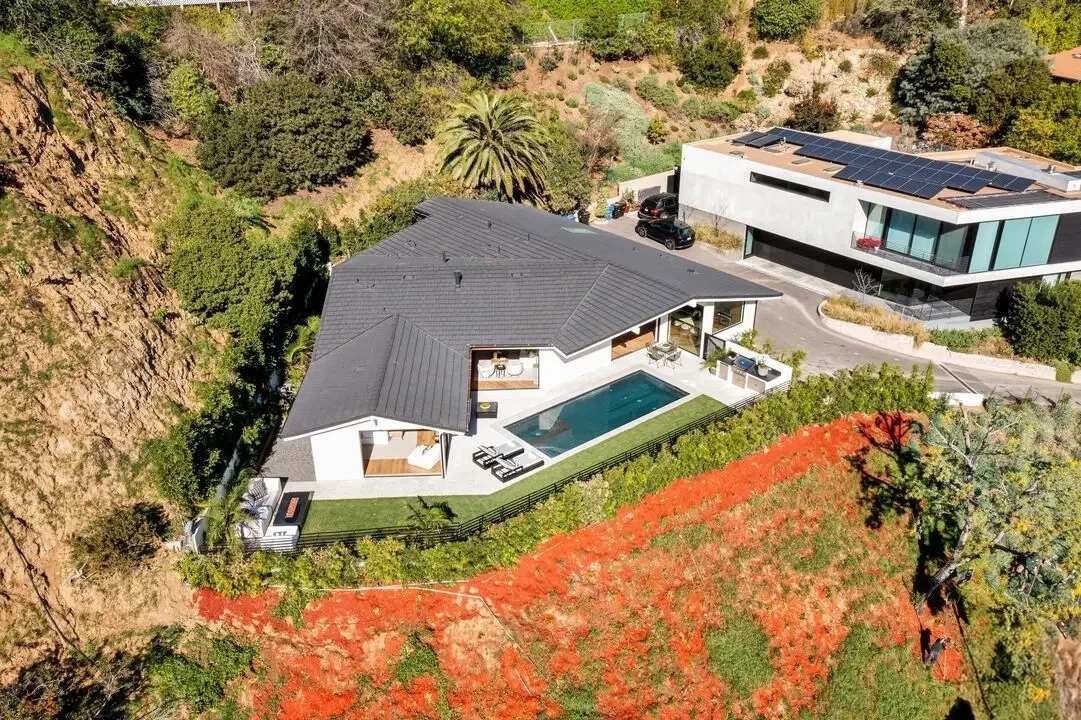
Major addition — second story, expanded footprint, pool
HANCOCK PARK · HISTORIC PROPERTYSTARTED AS
Remodel vs rebuild — significant upgrades needed
Preservation was the priority — but the home needed more space
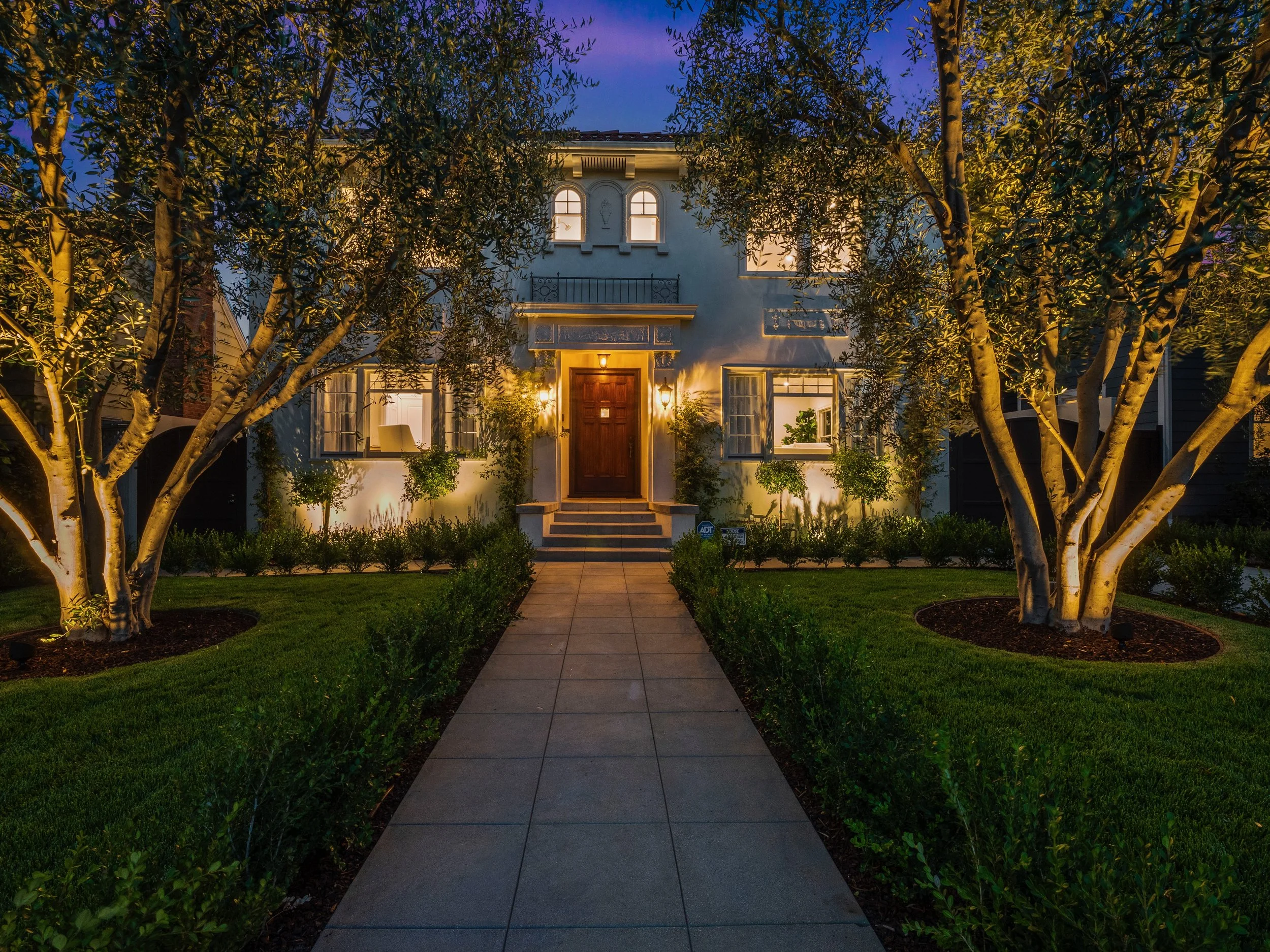
The architectural character of the home was part of its value. A rebuild would have eliminated that. The decision shifted toward preserving the historic structure while adding new space through a separate structure rather than expanding the original footprint.
WHAT CHANGED
The historic overlay and the home's architectural identity made touching the existing structure the wrong move. A new ADU addition allowed the property to gain function without compromising what made it worth keeping.
FINAL DECISION
Historic restoration + new ADU — space added without altering the main home
CULVER CITY · FULL HOME REMODEL + ADUSTARTED AS
A remodel of the main house
The layout needed to be rethought — not just updated
The home had good bones but a layout that worked against how it needed to function. Rooms were closed off, the kitchen was undersized, and natural light didn't move through the space. The question was whether to improve what existed or rethink it entirely.
WHAT CHANGED
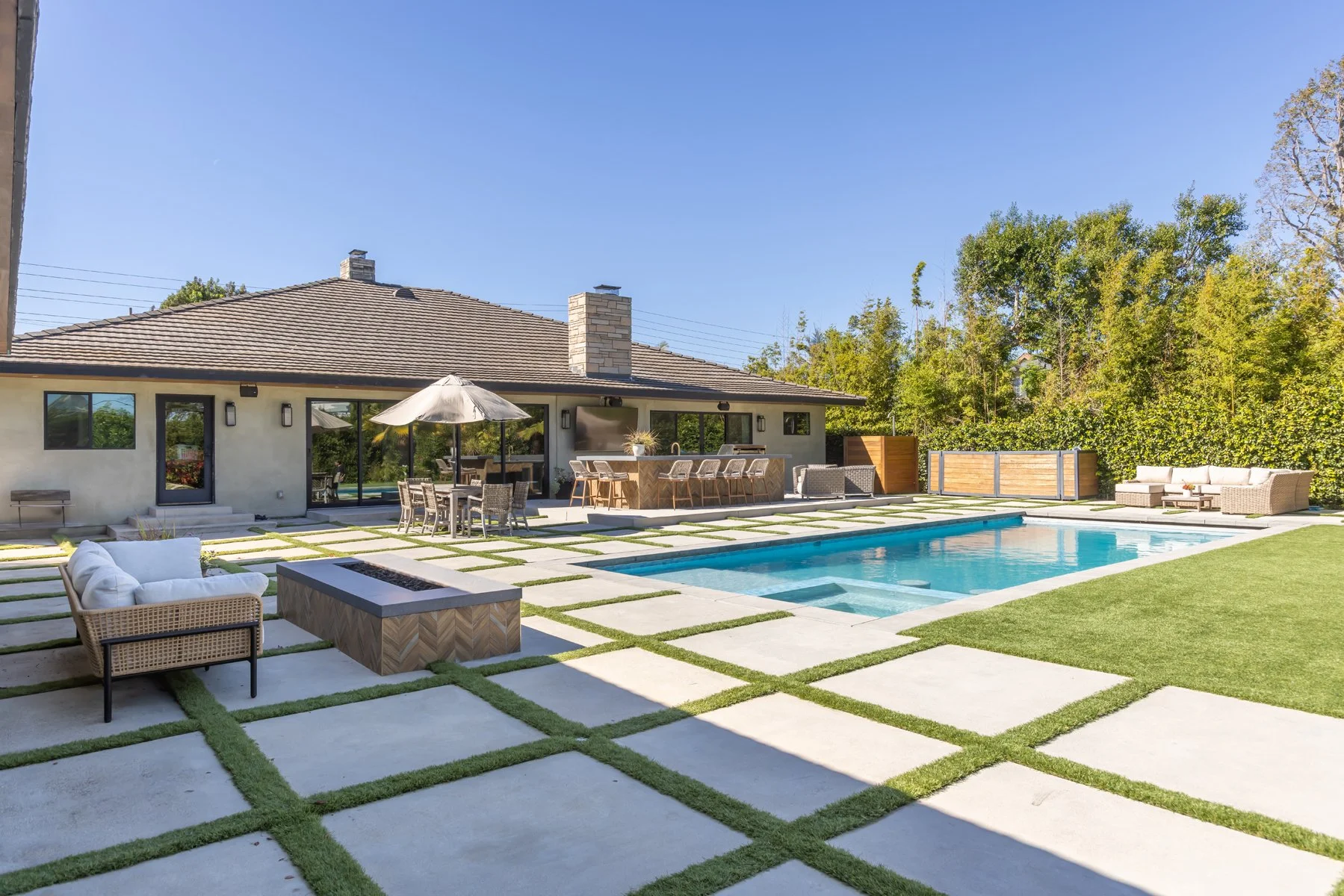
Opening the layout required removing load-bearing walls and structural reconfiguration — not just cosmetic work. At the same time, converting the garage into a 1,200 SF ADU expanded the property's long-term value without requiring new ground-up construction.
FINAL DECISION
Full structural remodel + garage-to-ADU conversion — rethink the layout, expand the property
COST REALITY
What expansions actually cost
in Los Angeles
These ranges reflect real Los Angeles expansion project conditions. What drives cost more than size or finish level is structural scope — specifically, what the existing home requires before any new space can be added.
SECOND STORY ADDITION
$200k–$450k+
Highly variable based on foundation condition and structural requirements.
Foundation reinforcement or replacement
Structural engineering for load transfer
Temporary relocation during construction
Full HVAC, electrical, and plumbing rerouting
Stair integration and ground floor reconfiguration
FOOTPRINT EXPANSION
$150k–$350k+
Lower structural complexity — but highly dependent on lot conditions and system age.
New foundation section and framing
Grading and site work on hillside properties
System extensions and panel upgrades
Permit and LADBS fees
Integration with existing structure and finishes
The variable most expansion budgets don't account for: Foundation and structural work triggered by the addition itself. In Los Angeles, seismic standards and the age of most residential construction mean that adding load — vertically or horizontally — often requires structural work on the existing home before the new space can begin. This cost appears after design is underway, not before.
OUR SIGNATURE APPROACH
We validate what the property
supports before design moves.
Our role is not to sell you an addition. It's to help you understand what your specific property can support — structurally, financially, and within your zoning envelope — before any design work begins. That evaluation changes the outcome of almost every expansion project we see.
01
STRUCTURAL ASSESSMENT
Foundation, framing, and load capacity evaluated before any path is recommended.
02
ZONING & LOT ANALYSIS
Setbacks, coverage limits, and what can actually be built on your specific lot.
03
COST MODELING
Real cost comparisons — including structural scope — before design commits the budget.
04
PATH RECOMMENDATION
We recommend expand, reconfigure, or rebuild — based on what the property actually supports.
FREQUENTLY ASKED
Questions we hear before every expansion project
Honest answers to what most homeowners are actually wondering.
-
Most second story additions in Los Angeles fall between $200,000 and $450,000+ depending on the structural condition of the existing home, the size of the addition, and what the foundation requires. The most variable cost driver is structural work — foundation reinforcement and load transfer engineering — which is rarely visible before a proper evaluation but consistently appears once one is done.
-
In most cases yes — at least temporarily. Adding a second story typically requires roof removal and significant structural work on the ground floor, which makes the home uninhabitable for a portion of the construction timeline. The length of relocation depends on the scope and sequence of work. This should be planned for and budgeted from the start, not discovered once construction begins.
-
A structural engineer needs to evaluate the existing foundation, framing, and load path before that question can be answered definitively. In Los Angeles, most older single-story homes were not designed to carry a second story — but many can be upgraded to do so. The question is what that upgrade costs and whether it changes the financial logic of the project. That evaluation should happen before design begins, not after.
-
Sometimes — but it depends on what the addition connects to and what the existing systems can support. Footprint expansions that don't touch load-bearing walls and connect to systems with remaining capacity can move relatively quickly. But in older Los Angeles homes, once walls open, electrical, plumbing, and HVAC conditions often expand the scope. The only way to know is a proper site evaluation before design is finalized.
-
The threshold varies by property, but when a second story addition requires full foundation reinforcement, structural engineering, system replacement, and temporary relocation — the total cost often reaches 50–70% of new construction value. At that point, rebuilding typically delivers more: a better layout, modern systems, full design control, and stronger long-term performance. The comparison should be made explicitly before committing to either path.
-
A second story addition in Los Angeles requires a building permit through LADBS, structural engineering plans, Title 24 energy compliance, and — depending on the neighborhood — additional review for hillside grading, HOA design approval, or historic preservation overlay coordination. Permitting timelines vary significantly by project type and location. Planning for the longer end of the range — 3–6 months for permit approval — is the right approach for most LA expansion projects.
-
The answer depends entirely on what you're trying to achieve. A second story adds space to the main home — for the family living there. An ADU adds a separate unit — for rental income, multigenerational living, or resale value. They serve different purposes and have different financial logic. In many cases, the decision between the two is the most important one to clarify early — because it shapes everything else about how the property is developed.
The answer is always
property-specific
WHERE TO START
If you're thinking about adding a second story, expanding the footprint, or converting existing space — the first step is a clear understanding of what your specific property can actually support. That answer changes everything that comes after.
Most homeowners come in thinking they know what they want to build. The property usually has a more specific answer — and finding that out early is what keeps projects from going sideways.
If you move into design without this step, you're making structural and financial assumptions that most homeowners end up paying for.